

Home Goods Freight China to USA: Complete 2025 Shipping Guide
Managing home goods freight china to usa requires a strategic approach to navigate complex international logistics and customs regulations. Business owners often face challenges with high shipping costs and unpredictable delivery schedules when importing furniture or decor. Partnering with a reliable logistics provider like Top China Freight ensures your supply chain remains efficient and cost-effective throughout the entire process.

What Are the Primary Methods for Home Goods Freight China to USA?
Selecting the right transportation mode is the most critical decision for any importer handling home goods freight china to usa. Most businesses choose between ocean transportation and air transport depending on their budget and urgency. Consequently, understanding the nuances of each method helps in optimizing the overall landed cost of your products.
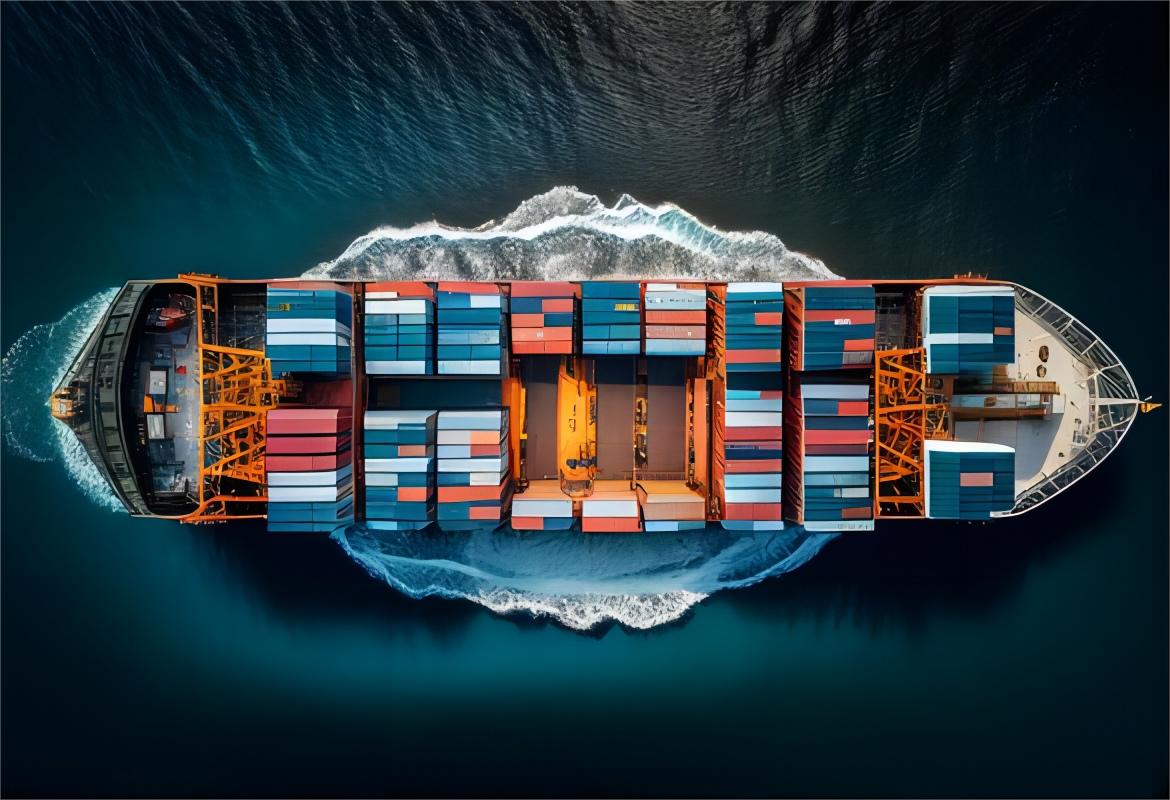
For large shipments of furniture or heavy decor, sea freight remains the most economical choice. This method allows for high-volume cargo handling while keeping the cost per unit significantly lower than other options. Meanwhile, businesses with time-sensitive inventory or high-value items often prefer air freight to meet tight deadlines.

Additionally, e-commerce sellers might consider express services for smaller parcels or samples. These services provide rapid transit times and simplified customs processes for lightweight home goods. However, the cost for express shipping is considerably higher, making it less suitable for bulk furniture orders.
How Does Sea Freight Compare to Other Shipping Options?
Evaluating different shipping methods requires a look at cost, speed, and reliability across the supply chain. Sea freight is the backbone of the home goods industry because it accommodates oversized items like sofas and dining sets easily. In contrast, air freight is restricted by weight and volume limitations that can make shipping large home goods prohibitively expensive.
Importers must also consider the trade-offs between Full Container Load (FCL) and Less than Container Load (LCL). FCL offers better security and faster transit since the container is dedicated to one shipper. On the other hand, LCL is an excellent cost-saving strategy for smaller shipments that do not fill an entire 20-foot or 40-foot container.
Hybrid solutions, such as sea-air combinations, are gaining popularity in the current logistics market. These strategies involve shipping by sea to a mid-point hub and then flying the cargo to the final destination. Such an approach balances transit time and expense, providing a middle ground for businesses that cannot wait for a full ocean voyage.
| Shipping Method | Cost Range | Transit Time | Best For |
|---|---|---|---|
| Sea Freight (FCL) | $2,500 – $5,500 | 18 – 35 Days | Bulk Furniture |
| Sea Freight (LCL) | $80 – $150 per CBM | 25 – 45 Days | Small Decor Batches |
| Air Freight | $4.50 – $9.00 per kg | 3 – 7 Days | High-Value Samples |
| Express Service | $7.00 – $12.00 per kg | 2 – 5 Days | Urgent Small Items |
Understanding the Costs of Home Goods Freight China to USA
Calculating the total cost of home goods freight china to usa involves more than just the base freight rate. Importers must account for origin charges, destination fees, and mandatory import duties imposed by US Customs. Furthermore, fuel surcharges and seasonal demand fluctuations can impact the final invoice significantly.
Current market data suggests that freight rates have stabilized in early 2025 following previous global disruptions. For instance, a 40HQ container from Shenzhen to Los Angeles currently ranges between $2,800 and $3,800. In comparison, shipping the same container to the East Coast, such as New York, costs between $4,500 and $6,000 due to the longer distance and canal fees.
Note: Freight rates are subject to change based on fuel costs, carrier capacity, and seasonal demand. Contact us for a current quote tailored to your specific shipment.
| Route | 20GP Container | 40HQ Container | Avg. Transit Time |
|---|---|---|---|
| China to USA West Coast | $1,800 – $2,400 | $2,800 – $3,800 | 14 – 18 Days |
| China to USA East Coast | $3,200 – $4,200 | $4,500 – $6,000 | 28 – 35 Days |
| China to USA Gulf Coast | $3,000 – $4,000 | $4,200 – $5,500 | 30 – 38 Days |
Which Option Should You Choose for Your Home Goods?
Determining the best shipping strategy depends on your specific business goals and the nature of your products. If budget is your primary priority, sea freight is almost always the recommended solution for home goods freight china to usa. This is especially true for durable items like wooden furniture or ceramic kitchenware that can withstand longer transit times.
If speed is your priority, air freight becomes necessary to replenish low stock levels or launch new collections. For cargo type considerations, fragile items might benefit from the reduced handling associated with air transport or FCL shipping. Volume thresholds also play a role; once your shipment exceeds 15 CBM, switching from LCL to FCL usually results in better cost efficiency.
Moreover, consider the geographical location of your warehouse in the United States. Shipping to the West Coast is faster and cheaper, but inland trucking costs can be high if your customers are in the Midwest. Therefore, a comprehensive analysis of the entire delivery schedule and inland logistics is essential for a successful import operation.
Navigating Customs and Documentation for US Imports
Successful customs clearance is vital to avoid costly delays and storage fees at the port of entry. Importers must ensure that all documentation is accurate and compliant with US Customs and Border Protection (CBP) regulations. Utilizing a professional customs brokerage service can streamline this process and prevent common errors.
Required documents typically include the Commercial Invoice, Packing List, and Bill of Lading. For home goods, you may also need specific certificates, such as Lacey Act declarations for wooden furniture or flammability certificates for textiles. Indeed, missing or incorrect paperwork is the leading cause of shipment holds and examinations.
Additionally, being aware of current import duties and tariffs is crucial for accurate pricing. Some home goods from China may be subject to Section 301 tariffs, which can add significant costs to your shipment. Consequently, performing a thorough duty rate check before placing your order is a wise business practice.
| Document Name | Purpose | Required By |
|---|---|---|
| Commercial Invoice | Value declaration | US Customs |
| Packing List | Details of contents | Freight Forwarder |
| Bill of Lading | Title to the goods | Carrier |
| ISF (10+2) | Security filing | US Customs |
Real-World Case Studies for Home Goods Logistics
Case Study 1: Large Furniture Shipment. Route: Foshan, China to Houston, USA. Cargo: Living room sets, 65 CBM, 12,000 kg. Container: 2 x 40HQ. Shipping Details: Major carrier via transshipment. Ocean Freight: $9,200. Origin Charges: $650. Destination Charges: $1,100. Customs and Duties: $4,500. Total Landed Cost: $15,450. Timeline: 42 days door-to-door. Key Insight: Consolidating into two 40HQ containers reduced the per-unit cost by 15 percent compared to LCL.
Case Study 2: E-commerce Decor. Route: Ningbo, China to Los Angeles, USA. Cargo: Decorative lamps and rugs, 12 CBM. Method: LCL Sea Freight. Ocean Freight: $1,440. Origin Charges: $300. Destination Charges: $550. Customs and Duties: $1,200. Total Landed Cost: $3,490. Timeline: 22 days door-to-door. Key Insight: Using door to door service simplified the final mile delivery to the warehouse.
Case Study 3: Amazon FBA Stock Replenishment. Route: Shanghai, China to Dallas, USA. Cargo: Kitchen gadgets, 500 kg. Method: Air Freight. Shipping Cost: $3,750. Customs and Duties: $800. Total Landed Cost: $4,550. Timeline: 6 days. Key Insight: Amazon FBA shipping via air allowed the seller to maintain a high ranking during a peak sales event.
Strategies for Reducing Shipping Expenses
Reducing your home goods freight china to usa expenses requires proactive planning and negotiation. One effective strategy is to optimize your packaging to maximize container space and reduce dimensional weight. Furthermore, booking your shipments at least 3-4 weeks in advance can help you secure more competitive freight rates.
Another approach is to consolidate shipments from multiple suppliers into a single container. This reduces the number of individual entries and minimizes fixed costs like documentation and handling fees. Meanwhile, avoiding peak seasons, such as the weeks leading up to Chinese New Year, can save you from paying high peak season surcharges.
Lastly, consider purchasing cargo insurance to protect your investment against potential loss or damage during transit. While this adds a small cost upfront, it provides essential financial security in the event of unforeseen accidents. Consequently, a well-insured shipment is a fundamental component of a resilient supply chain.
Mastering Your Home Goods Logistics
To summarize, successfully managing home goods freight china to usa involves balancing cost, speed, and regulatory compliance. By selecting the appropriate shipping method and partnering with a knowledgeable freight forwarder, you can significantly improve your profit margins. Remember that the logistics landscape is constantly evolving, so staying informed about market trends and pricing is key.
Whether you are importing large furniture or small home accents, a structured approach to your supply chain will yield the best results. Focus on accurate documentation, smart packaging, and strategic carrier selection to ensure your goods arrive safely and on time. Ultimately, your choice in home goods freight china to usa will define the success of your import business in the competitive US market.
Ready to streamline your logistics?
Ensure your home goods freight china to usa is handled by experts who prioritize efficiency and cost-savings. Contact Top China Freight today to receive a customized shipping quote and streamline your international logistics. Send Inquiry: https://Top China Freight.com/contact-us/
Request Quote