


Food Products Freight China to USA: The Complete Shipping Guide
Managing food products freight China to USA requires meticulous planning and a deep understanding of international safety regulations. Consequently, businesses must navigate complex FDA requirements and temperature control challenges to ensure goods arrive in pristine condition. By partnering with a dedicated logistics expert like Top China Freight, you can streamline your supply chain and reduce the risk of costly customs delays.

Why Food Products Freight China to USA Requires Specialized Handling
Shipping edible items across the Pacific involves much more than standard container logistics. Food items are highly sensitive to environmental factors such as humidity, heat, and transit duration. Therefore, maintaining a strict cold chain is essential for perishable goods like seafood or fresh produce.
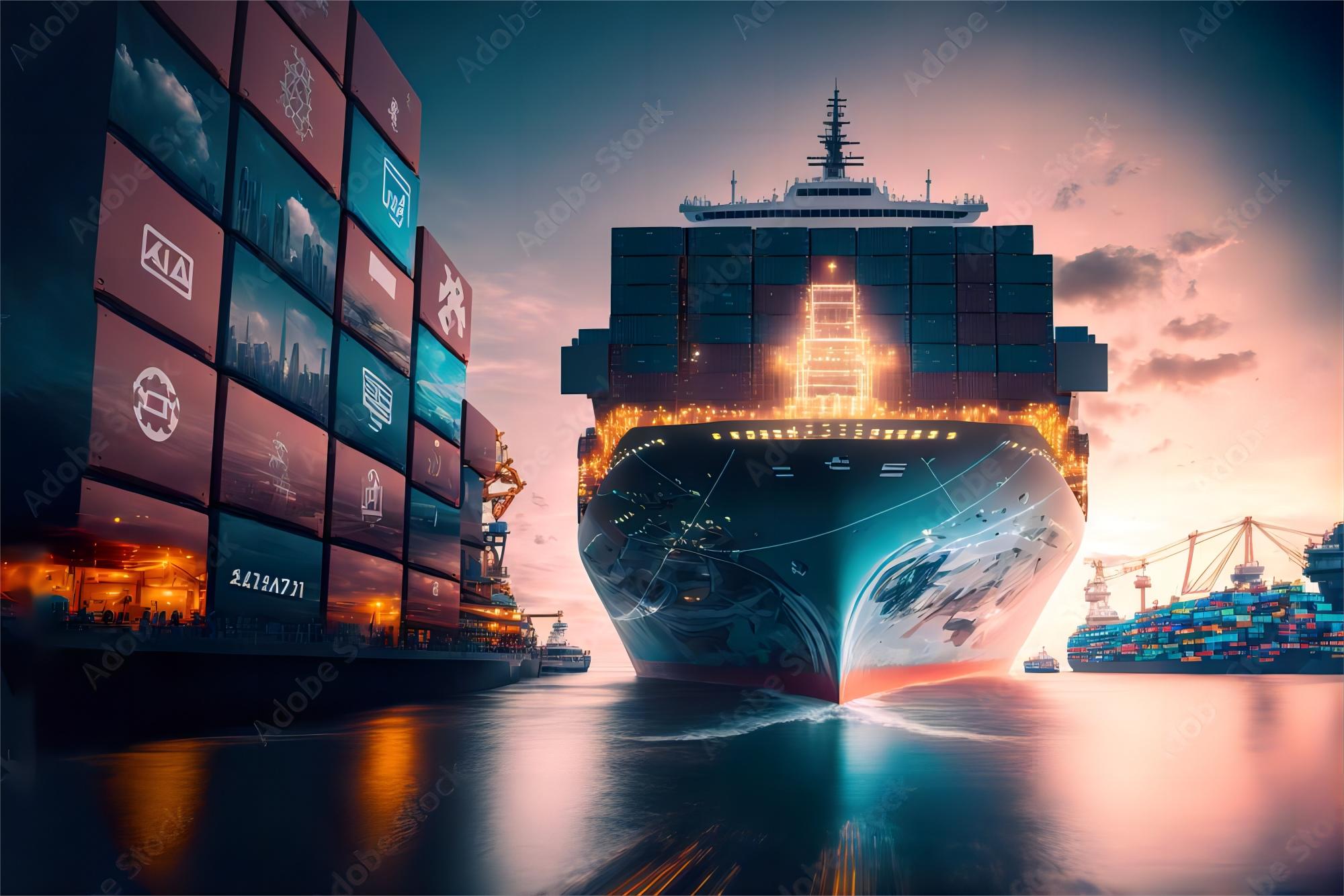
Moreover, the United States has rigorous standards for food safety that importers must satisfy before cargo reaches the warehouse. Failure to comply with these regulations often results in immediate seizure or destruction of the shipment. Indeed, professional cargo handling is the cornerstone of a successful import business.
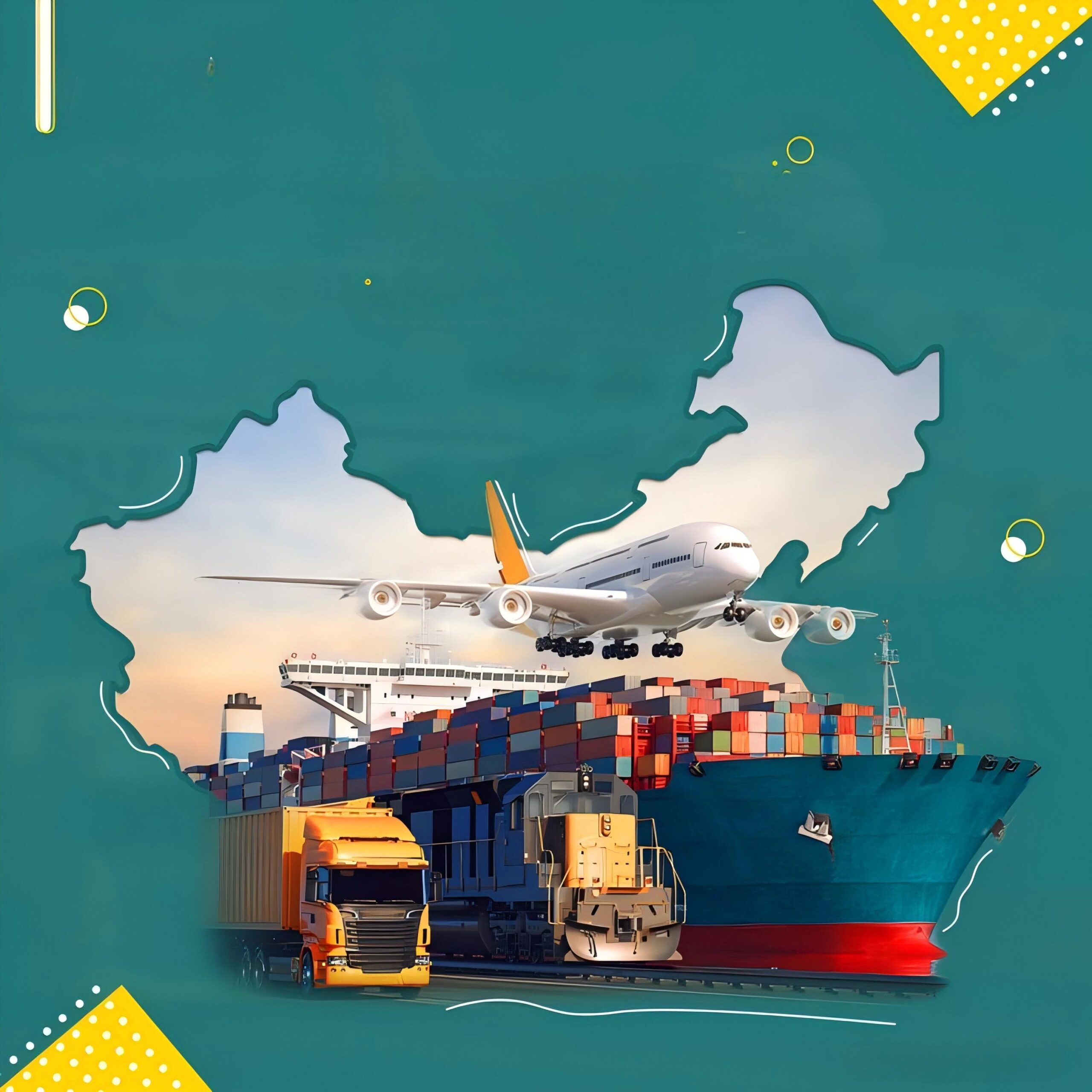
Additionally, specialized packaging plays a vital role in protecting your investment during the long journey. Suppliers must use moisture-resistant materials and robust cushioning to prevent physical damage. Consequently, choosing the right logistics partner ensures that these technical details are never overlooked.
Shipping Methods for Food Products: Sea vs. Air
Selecting the appropriate transport mode depends heavily on the shelf life and value of your cargo. For instance, high-value perishables often require air freight to minimize time in transit. This method provides the fastest delivery schedule, typically reaching the destination within three to seven days.
On the other hand, non-perishable items or bulk ingredients are better suited for ocean transport. Although sea transit takes longer, it offers significantly lower freight rates for large volumes. Furthermore, modern vessels provide advanced refrigerated container options for sensitive shipments.
Nevertheless, air transport remains the preferred choice for urgent restocking or seasonal items with short market windows. While the cost is higher, the reduced risk of spoilage often justifies the investment. Accordingly, businesses must weigh the trade-offs between speed and budget carefully.
Understanding FDA and Customs Regulations
Every shipment of food products freight China to USA must pass through a gauntlet of federal oversight. The Food and Drug Administration requires Prior Notice for all incoming food cargo to assess potential risks. Without a doubt, missing this filing deadline will lead to significant port congestion and storage fees.
Furthermore, utilizing a professional customs brokerage service is highly recommended for first-time importers. These experts ensure that your HTS codes are accurate and that all duty payments are processed correctly. In contrast, DIY filing often leads to administrative errors and legal complications.
Indeed, the USDA may also inspect shipments containing plant or animal-based products to prevent the introduction of pests. Consequently, you must verify that your Chinese supplier provides all necessary phytosanitary certificates. Preparation is the key to avoiding the dreaded customs hold.
| Document Name | Required By | Purpose | Timing |
|---|---|---|---|
| Prior Notice | FDA | Security Screening | Before Arrival |
| Commercial Invoice | CBP | Valuation | At Entry |
| Packing List | CBP/Carrier | Inventory Check | At Loading |
| Phytosanitary Cert | USDA | Pest Control | At Export |
How Does Sea Freight Compare to Other Shipping Options?
When analyzing food products freight China to USA, sea freight remains the most popular choice for global trade. It allows for massive economies of scale that other methods simply cannot match. However, it requires a longer lead time, which can impact your inventory turnover rates.
Meanwhile, hybrid solutions like sea-air combinations are gaining traction for shipments that need a balance of speed and cost. For example, cargo might move by sea to a hub like Dubai or Korea before flying to the USA. This alternative strategy can save up to 40% compared to pure air freight while cutting transit time in half versus sea.
Additionally, rail freight is not a viable option for this specific route due to the geographic barrier of the Pacific Ocean. Consequently, importers must focus on optimizing their ocean or air schedules. Choosing between FCL and LCL is another critical decision for managing costs effectively.
| Method | Cost Range | Transit Time | Best For |
|---|---|---|---|
| Sea Freight (FCL) | $2,500 – $5,500 | 18 – 35 Days | Bulk non-perishables |
| Air Freight | $5.00 – $12.00/kg | 3 – 7 Days | Fresh/High-value food |
| Express Service | $8.00 – $15.00/kg | 2 – 5 Days | Samples and small orders |
| Sea-Air Hybrid | $3.50 – $6.50/kg | 12 – 18 Days | Mid-shelf life goods |
Which Option Should You Choose?
Determining the best logistics strategy depends on your specific business priorities and cargo characteristics. If your primary goal is budget optimization, ocean transport is the clear winner for large volumes. Conversely, if you are shipping highly perishable items, speed must take precedence over cost.
For shipments under 15 CBM, LCL sea freight is often the most economical approach. However, if your cargo fills a 20ft container, FCL provides better security and faster handling at the port. In addition, consider the final destination within the USA, as West Coast ports offer shorter transit times from China.
Furthermore, if you are selling via e-commerce, using Amazon FBA logistics can simplify your distribution. This service handles the last-mile delivery and storage, allowing you to focus on marketing. Always calculate the total landed cost before making a final decision.
Real-World Case Studies for Food Shipping
Case Study 1: Frozen Seafood Logistics. Route: Ningbo, China to Los Angeles, USA. Cargo: Frozen Tilapia, 25 CBM. Container: 40HQ Reefer. Carrier: COSCO. Ocean Freight: $4,200. Transit Time: 16 days. Key Insight: Maintaining a constant -18C temperature was critical for passing FDA inspection upon arrival.
Case Study 2: Dried Organic Snacks. Route: Shenzhen, China to New York, USA. Cargo: Dried Mangoes, 12 CBM. Method: LCL Sea Freight. Port of Discharge: Newark. Total Landed Cost: $3,150. Transit Time: 32 days. Key Insight: Proper moisture-proof packaging prevented spoilage during the humid transit through the Panama Canal.
Case Study 3: Urgent Specialty Ingredients. Route: Shanghai, China to Chicago, USA. Cargo: Natural Food Colorings, 200 kg. Method: Air Freight. Total Cost: $1,850. Transit Time: 5 days. Key Insight: Using air freight allowed the manufacturer to meet a sudden production deadline without sacrificing quality.
Optimizing Your Supply Chain for 2025
As we look toward the logistics trends of 2025, digital tracking and sustainability are becoming paramount. Importers are increasingly demanding real-time visibility into their food products freight China to USA. Consequently, adopting smart containers with GPS and temperature sensors is a wise investment.
In addition, diversifying your port of entry can help mitigate the risk of labor strikes or congestion. While LA and Long Beach are traditional hubs, East Coast ports like Savannah are seeing increased volume. Therefore, a flexible door to door strategy is essential for modern resilience.
Finally, stay informed about fluctuating freight rates and fuel surcharges. Market data suggests that rates typically peak between August and October. By booking your shipments well in advance, you can secure better capacity and more stable pricing for your food business.
Mastering Your Food Import Strategy
Successfully managing food products freight China to USA requires a combination of regulatory knowledge and logistical expertise. To summarize, you must prioritize temperature control, documentation accuracy, and the right shipping method for your specific cargo type.
Indeed, the complexities of the US market demand a proactive approach to supply chain management. By following the strategies outlined in this guide, you can minimize risks and ensure a steady flow of high-quality products. Trusting a professional freight forwarder remains the best way to navigate the evolving global trade landscape.
Ready to streamline your logistics?
Ready to optimize your food products freight China to USA? Contact our expert team today for a customized quote and professional guidance on your next shipment. Visit Top China Freight to get started.
Request Quote