


Best Way to Ship Medical Equipment from China to USA: Expert Guide
Navigating the complexities of international logistics for sensitive healthcare technology requires precision and a deep understanding of global trade. Identifying the best way to ship medical equipment from China to USA is essential for maintaining supply chain efficiency and product safety. Consequently, importers must evaluate various shipping modes to ensure their high-value cargo arrives in perfect condition.

What is the Best Way to Ship Medical Equipment from China to USA?
Determining the most effective logistics strategy depends heavily on the specific nature of your healthcare products. For instance, large diagnostic machines like MRI scanners often require specialized handling and significant space. Therefore, many importers find that sea freight offers the most balanced solution for bulkier items.

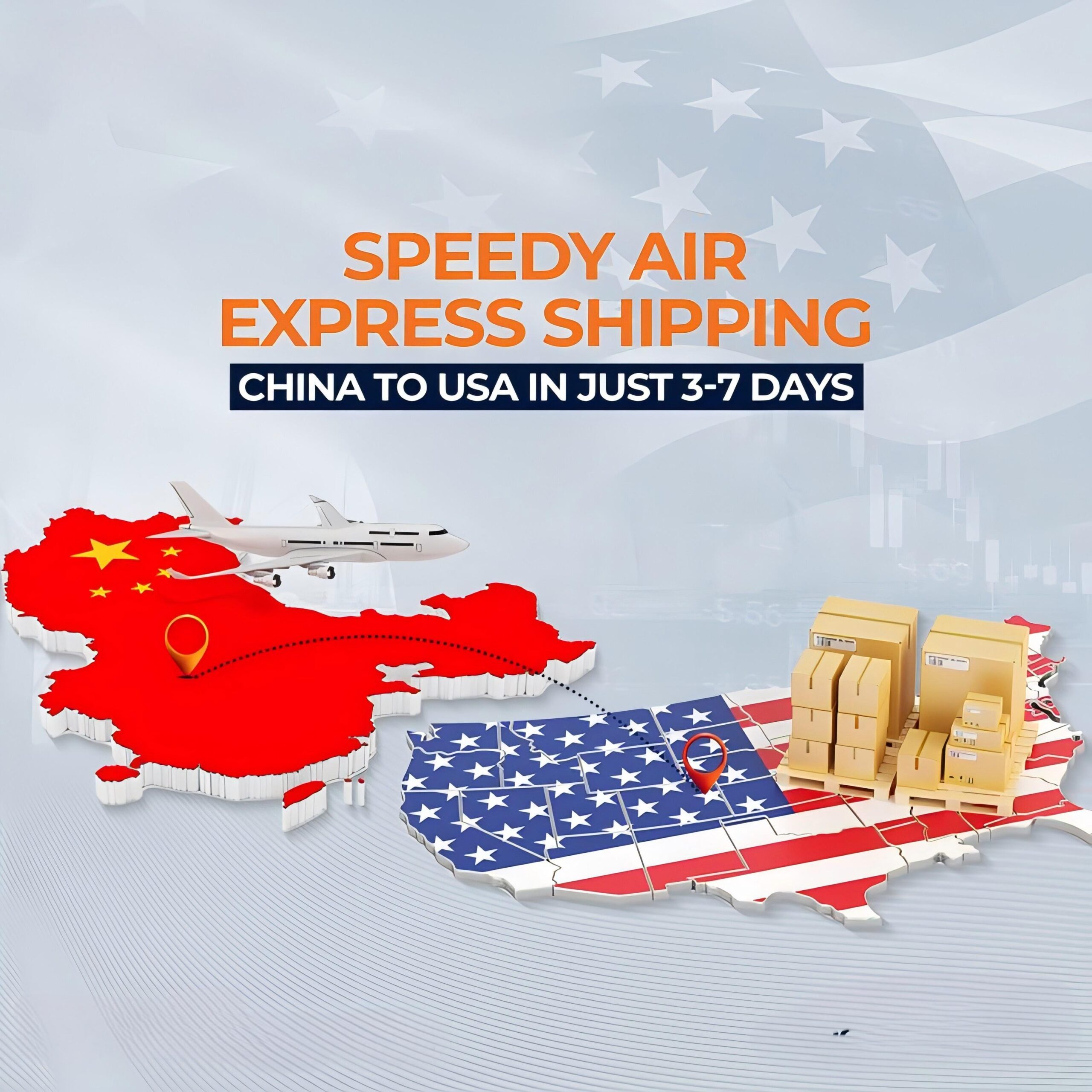
Moreover, time-sensitive shipments such as vaccines or emergency surgical tools demand the highest possible speed. In these cases, air freight becomes the preferred choice despite the higher associated costs. Consequently, your decision should align with both your budget constraints and the urgency of your medical facility’s needs.
Furthermore, the regulatory environment in the United States is exceptionally strict regarding medical imports. Indeed, you must ensure that every piece of equipment meets FDA standards before it even leaves the Chinese port. Without a doubt, working with an experienced logistics partner can simplify this daunting process significantly.

How Does Sea Freight Compare to Other Shipping Options?
Comparing different transportation modes is vital for optimizing your medical supply chain costs. While sea freight is significantly cheaper for large volumes, it lacks the rapid delivery times offered by aviation. Nevertheless, for non-urgent hospital furniture or durable medical equipment, ocean transport remains the industry standard.
Additionally, you might consider hybrid solutions like sea-air combinations to balance cost and speed. For example, shipping goods by sea to a hub like Dubai and then flying them to the USA can save money compared to pure air transport. However, this method increases handling risks for delicate medical electronics.
On the other hand, express service provides the fastest possible transit for small, high-priority medical components. Although it is the most expensive option, the door-to-door convenience is often worth the investment for critical repairs. In contrast, standard sea freight requires more complex coordination at both origin and destination ports.
| Shipping Method | Cost Range | Transit Time | Best For |
|---|---|---|---|
| Air Freight | $5.00 – $9.00 per kg | 3 – 7 Days | High-value, urgent devices |
| Sea Freight (FCL) | $2,500 – $4,500 per 40HQ | 18 – 35 Days | Large machinery, bulk orders |
| Sea Freight (LCL) | $80 – $150 per CBM | 30 – 45 Days | Small batches of furniture |
| Express Service | $9.00 – $15.00 per kg | 2 – 5 Days | Prototypes, spare parts |
Navigating FDA Regulations and Customs Brokerage
Securing proper authorization is perhaps the most critical step in the best way to ship medical equipment from China to USA. Every medical device must have a valid FDA registration and listing number to pass through American borders. Consequently, failing to provide this documentation will result in costly seizures and delays at the port of entry.
Furthermore, utilizing a professional customs brokerage service ensures that your Harmonized System (HS) codes are accurate. Indeed, incorrect classification can lead to heavy fines or the application of unnecessary tariffs. Therefore, investing in expert guidance early in the process protects your financial interests.
Moreover, you must prepare a comprehensive commercial invoice and a detailed packing list. These documents should clearly state the intended use of the equipment and its technical specifications. As a result, customs officers can quickly verify the safety and compliance of your shipment without extensive physical inspections.
Cost Factors for Medical Equipment Shipping
Understanding the variables that influence your total landed cost is essential for accurate budgeting. Freight rates fluctuate based on fuel prices, seasonal demand, and carrier capacity in the trans-Pacific lanes. For instance, rates typically spike during the peak season from August to October as retailers prepare for the holidays.
Additionally, specialized packaging for sensitive medical instruments adds to the overall expense. Because these items are often fragile, they require custom wooden crates and shock-absorbent materials. Consequently, the weight and volume of the protective packaging will impact your final freight bill.
Insurance is another non-negotiable cost when shipping high-value medical machinery. Given the risks of maritime transport or air turbulence, comprehensive cargo insurance provides peace of mind. Therefore, you should always factor in a premium of roughly 0.5 percent to 1 percent of the cargo’s declared value.
| Cost Element | Estimated Range | Impact Level | Notes |
|---|---|---|---|
| Ocean Freight | $1,500 – $6,000 | High | Varies by container size |
| Customs Duties | 0% – 25% | Very High | Depends on HS code |
| Cargo Insurance | 0.6% of value | Medium | Essential for machinery |
| Local Delivery | $300 – $1,200 | Medium | Varies by USA location |
Real-World Medical Shipment Case Studies
Examining actual logistics scenarios provides valuable insights into the practical challenges of medical importing. Our data suggests that successful shipments rely on proactive communication between the manufacturer and the freight forwarder. Below are two examples of how we managed complex medical cargo in early 2025.
Case Study 1: Route: Shenzhen, China to Los Angeles, USA. Cargo: MRI Components, 40HQ Container. Shipping Method: Sea Freight via major carrier. Cost Breakdown: Ocean Freight $3,100, Customs $450, Total Landed $3,550. Timeline: 17 days port-to-port. Key Insight: Early FDA filing prevented a potential 5-day delay.
Case Study 2: Route: Shanghai, China to New York, USA. Cargo: 500 Portable Ventilators, 8 CBM. Shipping Method: Air Freight. Cost Breakdown: Freight $4,200, Documentation $200, Total Landed $4,400. Timeline: 6 days door-to-door. Key Insight: Using door to door service minimized handling risks for these delicate units.
Which Option Should You Choose?
Choosing the right path depends on your priorities regarding speed and capital preservation. If your budget is the primary concern, sea freight is undoubtedly the most economical choice for large-scale hospital equipment. On the other hand, if a medical facility is waiting for a life-saving device, air freight is the only logical solution.
Furthermore, consider the volume of your shipment when selecting between FCL and LCL options. For shipments exceeding 15 cubic meters, a full container is usually more cost-effective and secure. Conversely, smaller batches of medical supplies are better suited for less-than-container load services to save money.
Finally, always evaluate the reliability of your chosen carrier and their experience with medical logistics. Because medical equipment is often sensitive to temperature and vibration, specialized containers may be required. Consequently, you should ask your freight forwarder about their specific protocols for handling high-tech healthcare devices.
Steps to Ensure Safe Delivery of Sensitive Equipment
Protecting your investment starts with rigorous quality control at the factory in China. Before the goods are loaded, ensure that the manufacturer has used moisture-resistant barriers for electronic components. Moreover, placing tilt and shock sensors on the crates can help identify if any mishandling occurred during transit.
Additionally, verify that all labels are clearly visible and written in English to comply with USA import laws. This includes serial numbers, model types, and the country of origin markings. Indeed, clear labeling speeds up the verification process during customs brokerage procedures at the American port.
To summarize, meticulous preparation is the hallmark of the best way to ship medical equipment from China to USA. By combining the right transport mode with expert regulatory compliance, you can ensure a smooth and predictable supply chain. Without a doubt, the health of your business depends on the safe arrival of your medical assets.
Final Thoughts on Medical Shipping
Successfully managing the best way to ship medical equipment from China to USA requires a strategic approach that balances cost, speed, and strict regulatory adherence. Whether you choose the rapid transit of air freight or the cost-efficiency of sea freight, the key lies in meticulous documentation and specialized cargo handling.
As market conditions stabilize in 2025, importers have more opportunities to optimize their logistics costs while maintaining high safety standards. By following the guidelines outlined in this guide, you can navigate the complexities of international trade with confidence and ensure your medical equipment reaches its destination in perfect condition.
Ready to streamline your logistics?
Ready to streamline your medical logistics? Contact our expert team today to find the best way to ship medical equipment from China to USA. We provide tailored quotes and comprehensive support for all your healthcare shipping needs. Send Inquiry: https://Top China Freight.com/
Request Quote