

China Europe Rail China to Dubai: The Complete Logistics Guide
Shipping from East Asia to the Middle East requires a strategic approach to balance speed and budget. Top China Freight provides comprehensive solutions for businesses navigating these complex global trade routes. Understanding the nuances of the china europe rail china to dubai network helps importers choose the most efficient path for their cargo. This guide examines how rail infrastructure and multimodal connections are reshaping the way goods move between China and Dubai.
How Does China Europe Rail China to Dubai Compare to Other Shipping Options?
Evaluating different transportation methods is essential for optimizing your supply chain. While the China-Europe Railway Express is famous for connecting inland Chinese cities to European hubs, its influence extends to Middle Eastern routes through multimodal transshipment. Specifically, the china europe rail china to dubai connection often involves rail transit through Central Asia followed by sea or road transport to reach the Persian Gulf.
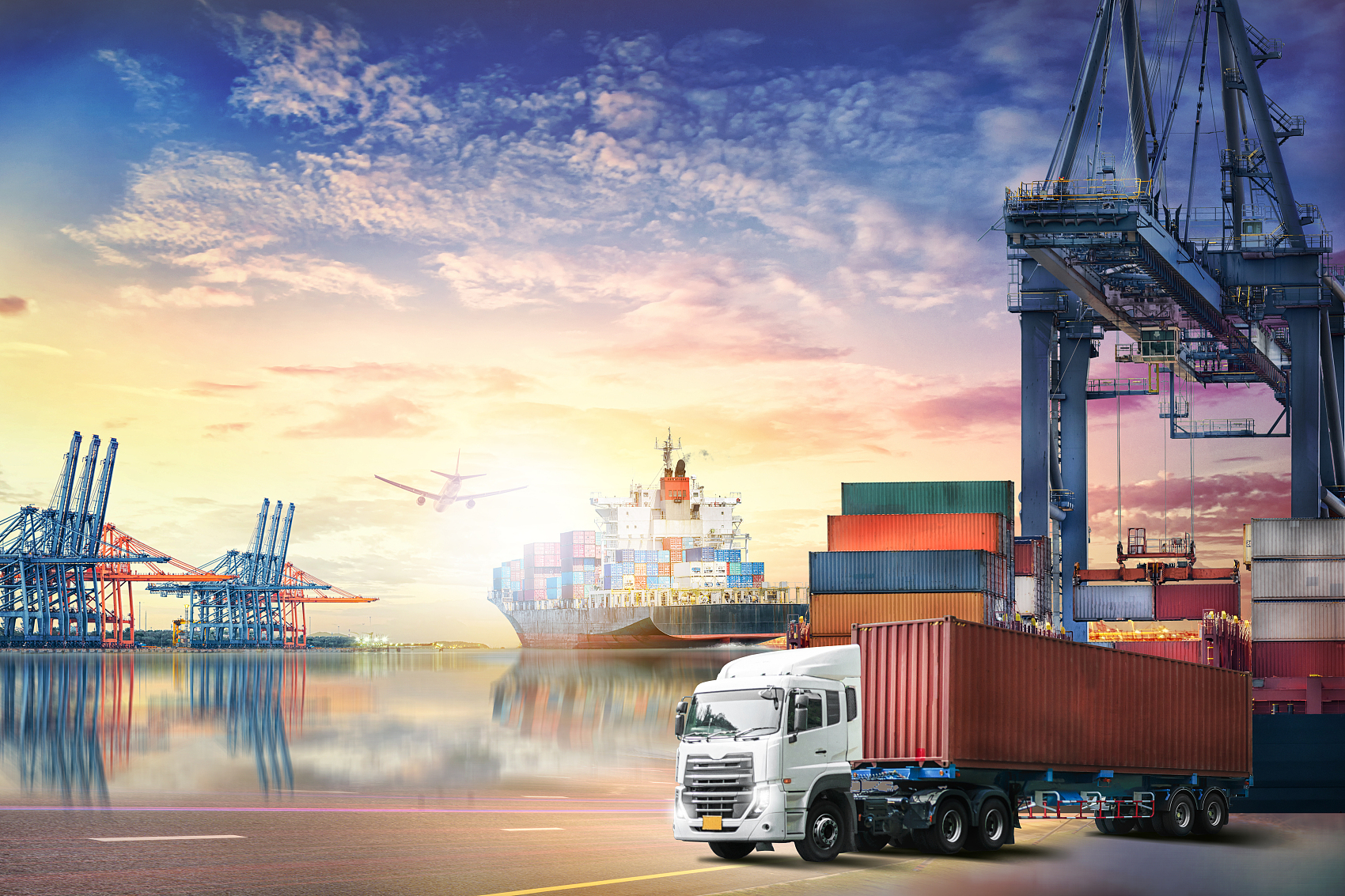
Choosing between rail, sea, and air depends heavily on your specific cargo requirements and delivery deadlines. Sea transport remains the most economical choice for massive volumes, yet it suffers from longer transit times. Conversely, air freight offers the fastest delivery but comes with significantly higher costs that can impact profit margins.

Rail freight serves as a middle-ground solution, offering faster speeds than sea and lower prices than air. Indeed, many businesses now utilize rail-sea combinations to bypass congested maritime chokepoints. This hybrid approach ensures a more predictable delivery schedule while maintaining cost-effectiveness for medium-value goods.
| Shipping Method | Cost Range | Transit Time | Best For | Limitations |
|---|---|---|---|---|
| Sea Freight | $1,800 – $3,500 | 25 – 35 Days | Bulk / Low Value | Slowest speed |
| Rail (Multimodal) | $3,000 – $5,500 | 18 – 22 Days | Electronics / Auto | Infrastructure gaps |
| Air Freight | $15,000 – $25,000 | 3 – 7 Days | Urgent / High Value | Very high cost |
| Express Service | Premium Rates | 2 – 4 Days | Small Samples | Weight limits |
What Are the Primary Routes for China to Dubai Logistics?
Traditional maritime routes usually dominate the flow of goods from Chinese ports like Ningbo or Shanghai to Jebel Ali in Dubai. However, the development of the Belt and Road Initiative has introduced new possibilities using the china europe rail china to dubai infrastructure. These routes often transit through Kazakhstan or Uzbekistan before heading south toward the Gulf region.
Logistics providers often recommend sea freight for standard consumer goods due to the established port infrastructure in Dubai. Nevertheless, for inland Chinese provinces like Sichuan or Henan, rail connections provide a direct link to western gateways. Consequently, cargo can reach transshipment points faster than traveling to a Chinese coastal port.
Transitioning from rail to sea at ports in Iran or Pakistan is another emerging strategy for reaching Dubai. This multimodal transport solution reduces the total sea journey and avoids certain maritime delays. Accordingly, companies must weigh the complexity of transshipment against the potential time savings offered by these land-based corridors.
Understanding Cost Factors in China Europe Rail China to Dubai Shipping
Freight rates are influenced by several variables including fuel surcharges, seasonal demand, and container availability. For instance, peak season during the fourth quarter often sees a 20 percent increase in shipping costs. Moreover, the type of container used, such as a 40HQ versus a 20GP, significantly dictates the final quote provided by forwarders.
Utilizing rail freight for part of the journey requires careful budgeting for handling fees at border crossings. These costs include crane transfers due to different track gauges in Central Asia. Furthermore, cargo insurance premiums may vary based on the number of transshipment points involved in the route.
Importers should also consider the impact of customs brokerage fees on their total landed cost. Each country the cargo transits through may require specific documentation and security filings. Therefore, working with an experienced logistics partner ensures that all hidden costs are accounted for before the shipment departs.
| Container Type | Estimated Rail-Sea Cost | Estimated Sea Cost | Capacity (CBM) |
|---|---|---|---|
| 20GP Container | $2,800 – $3,400 | $1,600 – $2,200 | 33 CBM |
| 40GP Container | $4,200 – $5,100 | $2,800 – $3,500 | 67 CBM |
| 40HQ Container | $4,500 – $5,800 | $3,000 – $4,200 | 76 CBM |
| LCL (per CBM) | $120 – $180 | $50 – $90 | Variable |
Which Option Should You Choose for Your Dubai Shipments?
Determining the best shipping method requires a clear understanding of your business priorities and cargo characteristics. If your primary goal is minimizing expenditure, sea freight is the logical choice for large volumes. On the other hand, if you are moving high-value electronics that lose value quickly, the speed of rail or air is more appropriate.
Volume thresholds also play a critical role in this decision-making process. For shipments under 15 CBM, LCL services are often more economical than booking a full container. However, once you exceed 15 CBM, the cost of a 20GP container often becomes more competitive while providing better security for your goods.
Cargo type considerations are equally important when evaluating the china europe rail china to dubai route. Perishable items or hazardous materials may face restrictions on certain rail lines or require specialized refrigerated containers. Consequently, you must consult with a specialist to ensure your specific product category is eligible for multimodal transport.
Alternative Shipping Strategies and Hybrid Solutions
Innovative logistics managers often look beyond standard methods to find competitive advantages in the global market. One such strategy is the Sea-Air solution, where goods are shipped by sea to a hub like Singapore and then flown to Dubai. This approach offers a significant reduction in transit time compared to pure sea freight at a fraction of the air freight cost.
Another alternative involves using door to door services that integrate rail and trucking. This strategy is particularly effective for shipments originating in inland China that need to reach specific industrial zones in Dubai. By consolidating the entire journey under one bill of lading, companies reduce administrative overhead and improve tracking visibility.
Direct routes are generally preferred for their simplicity, yet transshipment can sometimes offer lower rates during periods of high demand. For example, routing cargo through intermediate ports in Southeast Asia might save 10 percent on freight costs. Nevertheless, this usually adds 5 to 7 days to the total transit time, which must be factored into your inventory planning.
Customs and Documentation Checklist for China to Dubai
Navigating the regulatory environment is a critical step in ensuring a smooth delivery process. Dubai has specific requirements for imports, including legalized commercial invoices and certificates of origin. Additionally, the packing list must clearly detail every item to avoid delays during the inspection process at the port of entry.
For those utilizing the china europe rail china to dubai corridor, transit documents for Central Asian countries are also required. These documents prove that the cargo is only passing through and is not intended for local consumption. Failure to provide accurate paperwork can result in significant fines and prolonged storage charges at border terminals.
Professional air freight and rail providers often handle these complexities as part of their service package. They stay updated on changing regulations and help clients prepare for the Dubai Customs ‘Mirsal II’ system. Ultimately, proactive documentation management is the best way to prevent unexpected supply chain disruptions.
Real Case Studies: China to Dubai Shipping Scenarios
Case Study 1: Solar Panel Distribution. Route: Xi’an, China to Dubai, UAE. Cargo: Photovoltaic modules, 68 CBM, 18,000 kg. Container: 1 x 40HQ. Shipping Method: Rail-Sea Multimodal via Lianyungang. Ocean Freight: $4,200. Origin Charges: $450. Destination Charges: $600. Customs: $1,200. Total Landed Cost: $6,450. Timeline: 22 days door-to-door. Key Insight: Using rail from inland Xi’an saved 8 days compared to trucking to Shanghai for sea freight.
Case Study 2: Fast Fashion Apparel. Route: Guangzhou, China to Dubai, UAE. Cargo: Summer collection, 12 CBM, 3,500 kg. Container: LCL. Shipping Method: Direct Sea Freight. Ocean Freight: $960. Origin Charges: $300. Destination Charges: $400. Customs: $850. Total Landed Cost: $2,510. Timeline: 32 days. Key Insight: Sea freight was the most cost-effective for this non-urgent seasonal inventory.
Case Study 3: Automotive Spare Parts. Route: Chongqing, China to Dubai, UAE. Cargo: Engine components, 2,000 kg. Shipping Method: Air Freight. Air Freight: $8,500. Handling: $250. Customs: $500. Total Landed Cost: $9,250. Timeline: 5 days. Key Insight: Air freight was chosen to fulfill an urgent repair contract despite the higher cost. Based on early 2025 market rates.
Logistics Trends and Market Intelligence for 2025
As of early 2025, freight rates from China to the Middle East have stabilized after previous global disruptions. However, the industry is seeing a shift toward more sustainable shipping practices and digital tracking technologies. Many carriers are now offering carbon-neutral shipping options to meet the growing demand for green logistics solutions.
Market data suggests that the expansion of rail networks in Central Asia will continue to improve the efficiency of the china europe rail china to dubai route. These infrastructure projects aim to reduce bottlenecks and increase the frequency of departures. Consequently, rail is becoming an increasingly viable alternative for a wider range of commodity types.
Note: Freight rates are subject to change based on fuel costs, carrier capacity, and seasonal demand. Contact us for a current quote tailored to your specific shipment. Industry benchmarks indicate that early booking, typically 2 to 3 weeks in advance, provides the best balance of price and equipment availability.
Final Thoughts on China to Dubai Logistics
Successfully managing shipments via the china europe rail china to dubai network requires a deep understanding of both geography and market trends. By comparing rail, sea, and air options, businesses can find the perfect balance between speed and cost. Furthermore, integrating multimodal strategies and proactive customs management will ensure your goods arrive safely and on time.
As global trade continues to evolve, staying informed about new routes and logistics technologies is essential. Whether you choose the traditional sea route or the innovative rail-sea hybrid, the right logistics partner will help you navigate the complexities of international shipping. Focus on long-term supply chain resilience by diversifying your transport methods and planning for seasonal fluctuations.
Ready to streamline your logistics?
Ready to optimize your supply chain from China to Dubai? Contact our expert team today for a customized quote and professional advice on the best china europe rail china to dubai shipping strategies for your business. Visit our website to learn more about our comprehensive freight solutions. Send Inquiry: info@Top China Freight.com
Request Quote