

Fastest Way to Ship Electronics from China to Europe: 2025 Guide
Identifying the fastest way to ship electronics from China to Europe is a critical challenge for modern businesses that rely on rapid inventory turnover. At Top China Freight, we specialize in accelerating your logistics pipeline to ensure your high-value gadgets arrive safely and quickly. Consequently, understanding the nuances of international shipping methods allows you to maintain a competitive advantage in the European market. Without a doubt, the speed of your delivery directly impacts your customer satisfaction and overall revenue growth.

What is the fastest way to ship electronics from China to Europe?
Determining the most efficient shipping method requires a careful analysis of transit times and cargo requirements. For most urgent shipments, international express delivery stands out as the premier choice for speed. Indeed, this method typically delivers packages within three to five business days. However, the volume of your shipment and your specific budget will ultimately dictate the best path forward.

Moreover, air freight serves as a robust alternative for larger consignments that still need to arrive within a week. While it is slightly slower than express, it offers better scalability for bulk electronic goods. Therefore, businesses must weigh the cost of speed against the potential profit margins of their electronic products. Additionally, the complexity of lithium battery regulations often influences which carrier provides the fastest service.
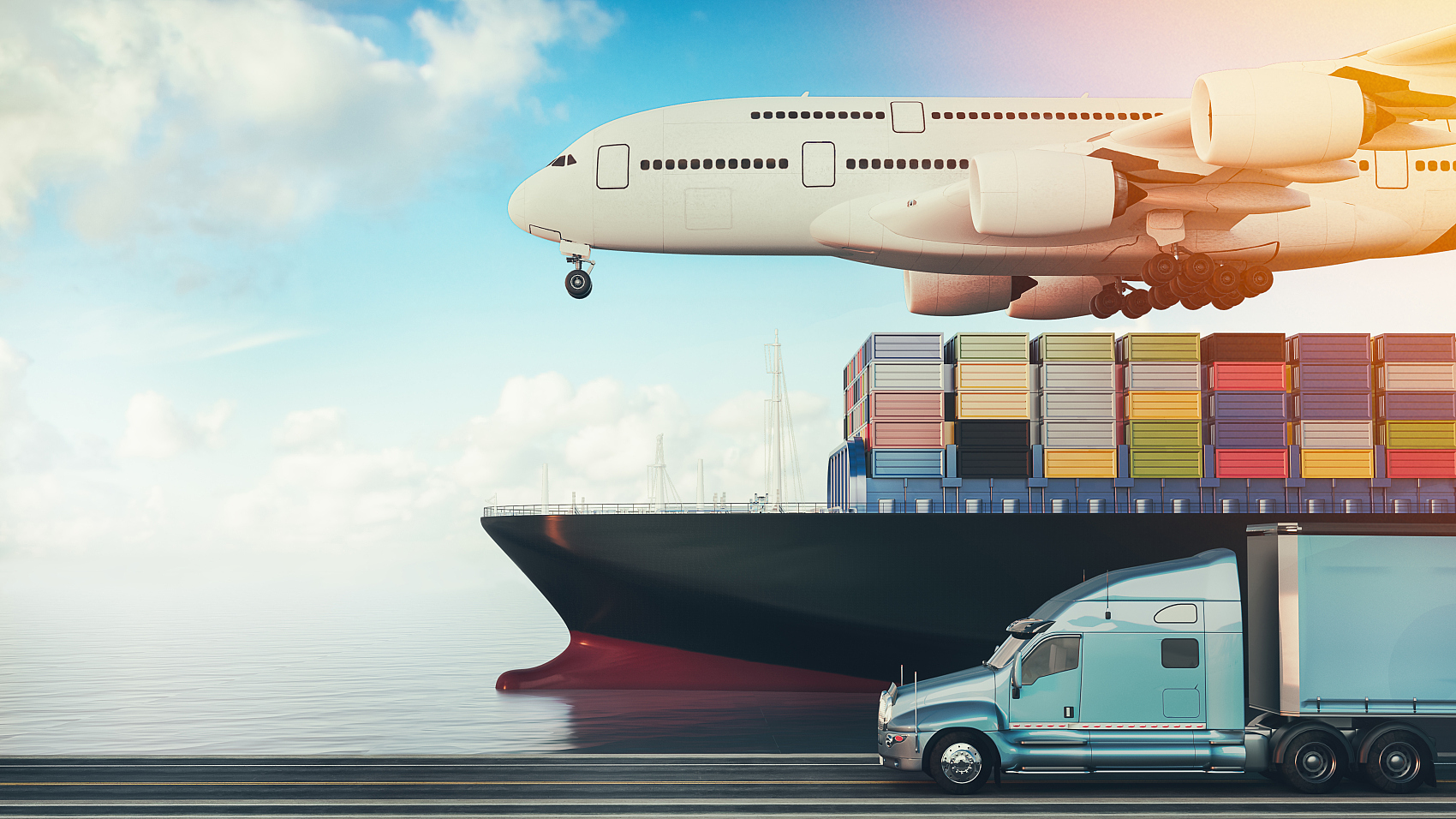
Furthermore, modern logistics trends suggest that hybrid solutions are becoming increasingly popular for balancing speed and cost. For example, some companies utilize a combination of air and road transport to bypass congested hubs. Consequently, your choice of a freight forwarder plays a pivotal role in navigating these options effectively. In addition, always consider the impact of peak seasons on available carrier capacity.
The Speed of Express Service for Urgent Tech Shipments
Choosing an express service is undeniably the quickest route for small to medium electronic shipments. Companies like DHL, FedEx, and UPS operate dedicated networks that prioritize these high-priority items. As a result, you can expect door-to-door delivery in as little as 72 hours from major Chinese hubs like Shenzhen or Shanghai. Nevertheless, this speed comes at a premium price point compared to other logistics methods.
Specifically, express carriers handle the entire logistics chain, including the final mile delivery in Europe. This seamless integration minimizes the risk of delays at transfer points throughout the journey. Meanwhile, the advanced tracking capabilities provided by express services offer peace of mind for high-value electronic cargo. Accordingly, this method is ideal for product launches or emergency replacement parts.
Indeed, many electronics manufacturers prefer express shipping because it reduces the need for large local inventories. By shipping small batches frequently, you can adapt more quickly to changing market demands. On the other hand, you must ensure all documentation is perfectly prepared to avoid customs holds. For instance, having a clear commercial invoice and accurate HS codes is essential for rapid clearance.
Utilizing Air Freight for Bulk Electronic Shipments
When your volume exceeds the limits of express couriers, air freight becomes the most logical solution. Standard air cargo typically takes between five and ten days to reach major European airports. Furthermore, this method provides a high level of security, which is vital for sensitive electronic components. Consequently, air transport remains the backbone of the global electronics supply chain.
Additionally, air freight allows for the transport of larger pallets that would be too expensive for express services. Most carriers offer tiered service levels, such as ‘priority’ or ‘economy,’ to suit different urgency requirements. Therefore, you can choose a speed that matches your specific delivery schedule. In contrast, sea freight would take weeks longer, potentially making your technology obsolete before it arrives.
Moreover, the proximity of China’s manufacturing centers to international airports facilitates rapid loading and departure. Cities like Guangzhou and Zhengzhou have massive infrastructure dedicated to moving electronics by air. As a result, the transit time from the factory floor to the airport is often less than 24 hours. Indeed, this efficiency is why air freight is considered the fastest way to ship electronics from China to Europe for bulk orders.
| Shipping Method | Average Transit Time | Cost Level | Best For |
|---|---|---|---|
| Express Service | 3-5 Days | Very High | Small parcels, samples |
| Air Freight | 5-10 Days | High | Bulk tech, high-value goods |
| Rail Freight | 15-22 Days | Moderate | Mid-sized batches, batteries |
| Sea Freight | 30-45 Days | Low | Large inventory, low urgency |
Rail Freight as a Fast and Cost-Effective Alternative
While not as fast as air, rail freight offers a unique middle ground for European importers. The Iron Silk Road connects major Chinese cities directly to European rail hubs in approximately 18 to 22 days. Consequently, rail is often twice as fast as sea freight while costing significantly less than air transport. Additionally, rail is often considered a more environmentally friendly option for green-conscious brands.
Furthermore, rail transport is particularly effective for shipping electronics that contain large batteries. Some airlines have strict limitations on lithium battery weight, whereas rail carriers often have more flexible safety protocols. Therefore, rail can sometimes be the fastest practical way to move large volumes of battery-powered devices. Meanwhile, the stability of rail transit times makes it easier to plan your marketing campaigns.
Without a doubt, the development of the China-Europe Railway Express has revolutionized transcontinental logistics. Goods can travel from Chengdu or Xi’an directly to Duisburg or Warsaw without the need for ocean transshipment. As a result, you avoid the potential delays associated with major seaports. In addition, rail freight provides a consistent schedule that is less affected by weather conditions than air or sea.
Navigating Customs Brokerage for Faster Delivery
Efficiency in logistics is not just about the physical movement of goods; it is also about clearing legal hurdles. Engaging a professional customs brokerage service can shave days off your total transit time. Indeed, customs delays are one of the most common reasons for shipments missing their delivery deadlines. Consequently, proactive document management is a cornerstone of fast electronics shipping.
Moreover, electronics are often subject to specific European certifications such as CE marking or RoHS compliance. A knowledgeable broker ensures that all necessary paperwork is in order before the cargo even leaves China. Therefore, your shipment can move through the ‘green channel’ for immediate release upon arrival. In contrast, missing a single document can result in your goods being held in a bonded warehouse for weeks.
Additionally, some freight forwarders offer Pre-Clearance services where data is transmitted to customs authorities while the goods are still in transit. This strategy allows for nearly instantaneous release once the plane or train arrives. Accordingly, integrating customs expertise into your supply chain is essential for maintaining speed. For instance, using a broker who understands the specific VAT rules of different European nations can prevent financial delays.
Strategic Logistics for Shipping to Europe
Expanding your reach into Europe requires a localized understanding of logistics infrastructure. For example, shipping to Germany might be faster via rail, while shipping to the UK often necessitates air freight due to the English Channel. Consequently, your destination city within Europe significantly influences the fastest way to ship electronics from China to Europe. In addition, consider the efficiency of local courier networks for the final leg of the journey.
Furthermore, utilizing a door to door service simplifies the process by consolidating all logistics stages under one provider. This approach eliminates the friction of handovers between different carriers and agents. As a result, you save time on communication and coordination, allowing you to focus on your core business. Indeed, a single point of contact reduces the likelihood of errors that cause shipping delays.
Moreover, the choice of the port of entry can impact the speed of inland distribution. Ports like Rotterdam or airports like Frankfurt serve as massive gateways with high-speed connections to the rest of the continent. Therefore, routing your cargo through these hubs can often result in faster overall delivery than choosing a smaller, closer port. Without a doubt, strategic planning is the key to mastering European electronics logistics.
| Destination City | Method | Transit Time | Logistics Hub |
|---|---|---|---|
| Berlin, Germany | Express | 3-4 Days | Leipzig (LEJ) |
| Paris, France | Air Freight | 5-7 Days | Charles de Gaulle (CDG) |
| Warsaw, Poland | Rail Freight | 16-18 Days | Malaszewicze |
| London, UK | Air Freight | 6-8 Days | Heathrow (LHR) |
How Does Express Shipping Compare to Other Shipping Options?
Analyzing the fastest way to ship electronics from China to Europe requires an objective look at all available alternatives. While express is the fastest, it is not always the most practical for every business model. For example, if you are shipping 1000 desktop computers, the cost of express would likely exceed the value of the goods. Consequently, you must find a balance between the urgency of the shipment and the total landed cost.
Moreover, sea-air hybrid solutions offer a unique alternative for those who can afford a slight delay but need to save on costs. These shipments travel by sea to a hub like Dubai and then finish the journey by air to Europe. As a result, you get a transit time of about 15-20 days at a much lower price than pure air freight. Therefore, hybrid strategies are excellent for managing inventory during non-peak periods.
Additionally, the reliability of each method varies based on global events and seasonal demand. Air freight is generally the most consistent, whereas sea freight is currently prone to port congestion and longer routes. In addition, rail freight schedules have become more robust, offering a dependable alternative for the mid-market. Indeed, diversifying your shipping methods is often the best strategy for long-term supply chain resilience.
| Method | Cost Range (per kg) | Transit Time | Best For | Limitations |
|---|---|---|---|---|
| Express | $8 – $15 | 3-5 Days | High-value, urgent | Weight limits |
| Air Freight | $4 – $9 | 5-10 Days | Bulk electronics | Airport congestion |
| Rail Freight | $1.5 – $3 | 15-22 Days | Batteries, mid-size | Fixed routes |
| Sea Freight | $0.5 – $1.2 | 30-45 Days | Large inventory | Very slow |
Case Study 1: High-Value Consumer Electronics
Route: Shenzhen, China to Berlin, Germany. Cargo: 500kg of high-end tablets and smartphones. Method: Express Service via major carrier. Total Door-to-Door: 4 days. Key Insight: By using express, the client was able to fulfill pre-orders immediately after the product launch, maximizing initial sales momentum.
Cost Breakdown: Ocean freight was not applicable here. The express charges totaled approximately $4,500, with origin and destination handling included. Customs clearance was completed in under 6 hours due to pre-filed documentation. Consequently, the total landed cost was justified by the high retail value of the electronics.
Case Study 2: Industrial Electronic Components
Route: Guangzhou, China to Warsaw, Poland. Cargo: 2000kg of LED display modules. Method: Air Freight (Priority). Total Door-to-Door: 7 days. Key Insight: The client chose air freight to meet a strict installation deadline for a major stadium project, avoiding heavy late-delivery penalties.
Cost Breakdown: Air freight charges were $8,500. Origin and destination fees added another $1,200. Customs duties were estimated at $2,000. Therefore, the total cost of approximately $11,700 ensured the project stayed on schedule. Based on late 2024 market rates, this was a highly competitive solution for such a heavy load.
Which Shipping Option Should You Choose?
Deciding on the fastest way to ship electronics from China to Europe depends on your specific priorities and constraints. If your primary goal is speed regardless of cost, express service is the undisputed winner. However, if you are moving large volumes and need to maintain a specific profit margin, air freight is likely the better option. Consequently, you should assess your shipment size and urgency before making a final commitment.
Furthermore, consider the nature of your electronics, especially if they contain lithium batteries. Rail freight offers a safer and often faster alternative for battery-heavy shipments compared to restrictive air cargo rules. In addition, the time of year can influence your decision, as air rates spike during the Q4 holiday season. Therefore, planning ahead and securing space early can save both time and money.
Without a doubt, partnering with an experienced freight forwarder provides the flexibility to switch methods as market conditions change. We recommend getting a current quote to see how current fuel surcharges and carrier capacities affect your specific route. As a result, you can make an informed decision that balances speed, cost, and reliability. Indeed, the right choice today can lead to a more efficient supply chain tomorrow.
Mastering the Fastest Way to Ship Electronics from China to Europe
Summarizing the logistics landscape, the fastest way to ship electronics from China to Europe remains the international express service for small loads and air freight for bulk orders. While these methods require a higher investment, the reduction in transit time and inventory holding costs often provides a superior return on investment. Moreover, the emergence of rail freight as a reliable middle ground offers even more flexibility for modern importers.
Ultimately, the success of your shipping strategy depends on meticulous planning and choosing the right partners. By prioritizing speed and efficiency, you ensure that your technology reaches European consumers while it is still relevant and in high demand. Consequently, staying informed about the latest logistics trends and customs regulations is essential for any business importing electronics from China. Contact us today to optimize your next shipment.
Ready to streamline your logistics?
Ready to accelerate your supply chain? Contact Top China Freight today to find the fastest way to ship electronics from China to Europe. Visit our website to request a custom quote and experience premium logistics support. Send Inquiry: https://Top China Freight.com/
Request Quote