

Machinery Sea Freight China to Europe: The Ultimate Shipping Guide
Transporting heavy industrial equipment across continents requires a strategic approach to ensure safety and cost-efficiency. Utilizing professional Top China Freight solutions simplifies the complex process of machinery sea freight China to Europe for global businesses. This guide explores the essential steps to optimize your supply chain and reduce logistical overhead.
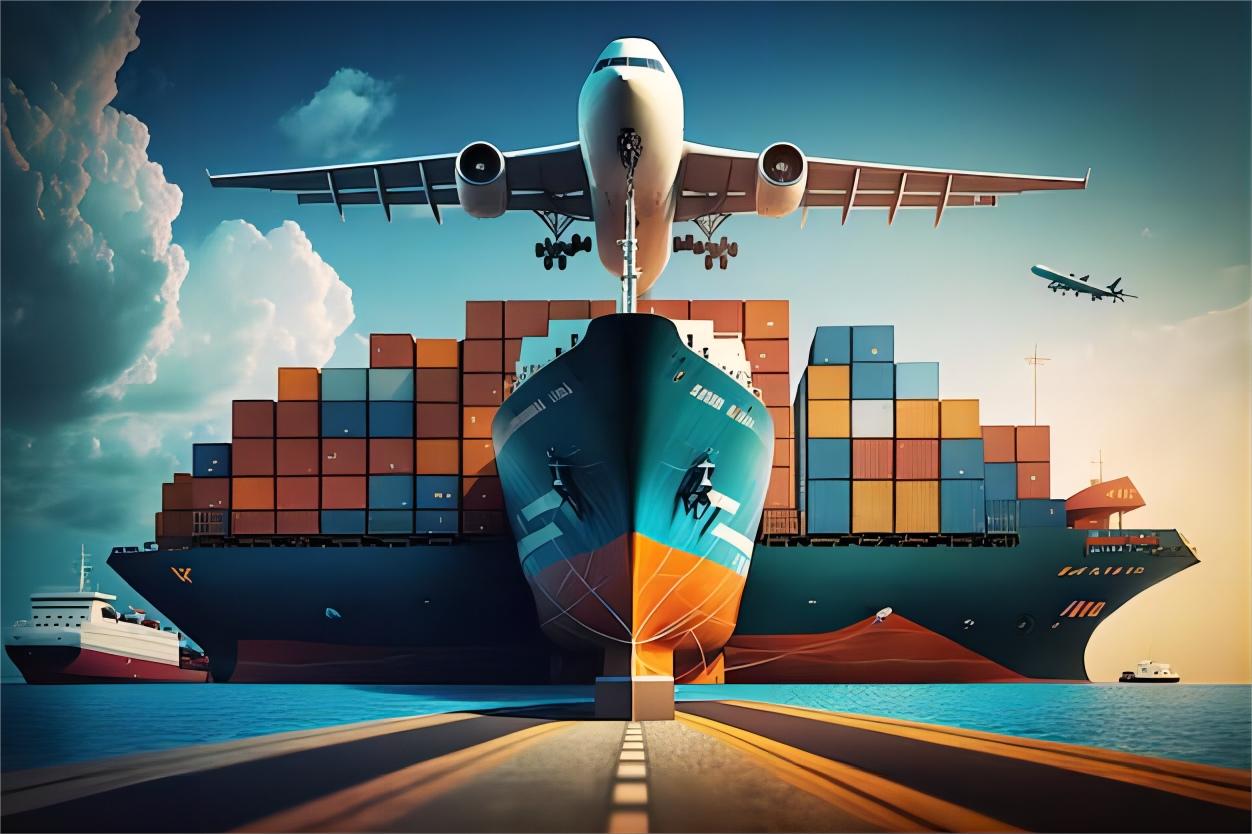
How Does Machinery Sea Freight China to Europe Compare to Other Shipping Options?
Choosing the right transport mode is critical for balancing your budget and delivery schedule. While sea freight is the most common choice for heavy equipment, other methods offer unique advantages depending on your specific needs.
Ocean transport provides the highest capacity for oversized items that cannot fit in standard aircraft or rail cars. Furthermore, the cost per unit is significantly lower when moving large volumes of industrial goods.
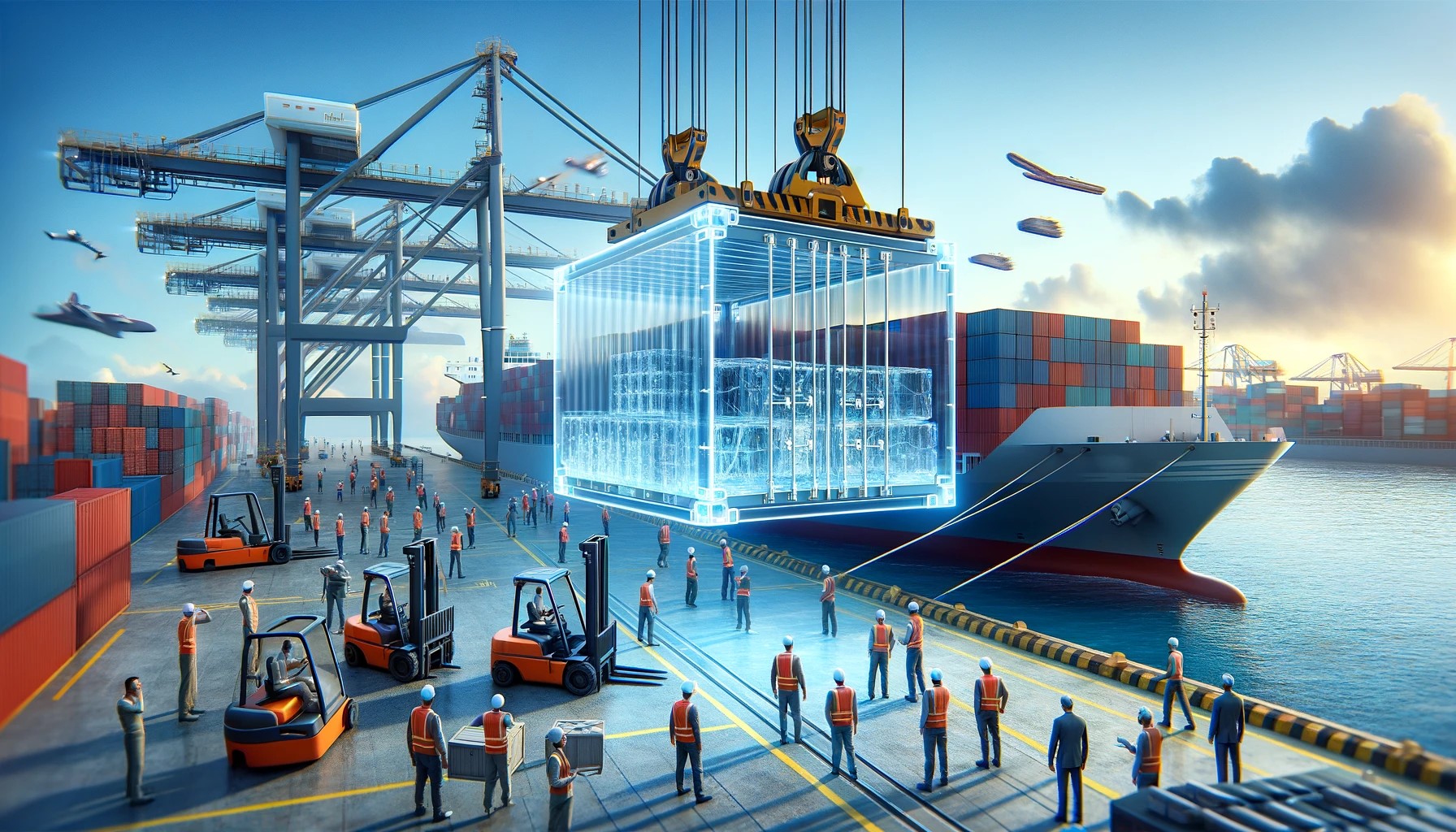
Rail transport serves as a middle ground for those needing faster delivery than sea but lower costs than air. Consequently, many importers use rail for high-value components that require a shorter transit time.
Air freight remains the fastest option but is often cost-prohibitive for heavy machinery. Therefore, it is typically reserved for urgent replacement parts or small, high-precision instruments.
| Shipping Method | Cost Range (USD) | Transit Time | Best For | Limitations |
|---|---|---|---|---|
| Sea Freight (FCL) | $1,800 – $4,200 | 30 – 45 Days | Heavy/Bulky Cargo | Longest Transit |
| Rail Freight | $4,000 – $7,000 | 15 – 22 Days | Time-Sensitive | Route Restrictions |
| Air Freight | $15,000 – $30,000 | 5 – 8 Days | Urgent Shipments | Weight Limits |
| Sea-Air Hybrid | $8,000 – $12,000 | 18 – 25 Days | Balanced Needs | Complex Handling |
What are the Primary Benefits of Sea Freight for Machinery?
Reliability and volume capacity make sea freight the backbone of the global machinery trade. Large-scale manufacturing equipment often requires specialized handling that only maritime vessels can accommodate.
Cost efficiency is the most significant advantage for businesses importing from China. Because ships can carry thousands of containers, the economy of scale reduces the financial burden on the individual importer.
Safety protocols at major ports ensure that heavy cargo is secured using advanced lashing and bracing techniques. Additionally, modern vessels are equipped with climate control and stabilization systems to protect sensitive electronics.
Environmental impact is also a factor to consider in modern supply chains. Shipping by sea produces fewer carbon emissions per ton of cargo compared to air transport, supporting corporate sustainability goals.
Key Factors Influencing Machinery Shipping Costs
Market fluctuations and fuel surcharges play a major role in determining the final price of your shipment. As of early 2025, rates have stabilized but remain sensitive to global geopolitical events and port congestion.
Cargo dimensions and weight are the most direct factors affecting your quote. For instance, out-of-gauge machinery that requires a flat rack or open-top container will incur higher fees than standard goods.
Seasonal demand often leads to price spikes during the peak months of August through October. During this period, freight rates typically increase by 15 to 25 percent as retailers prepare for the holiday season.
Distance between the specific port of loading and the port of discharge also dictates the base rate. Shipping from Shenzhen to Rotterdam might have different pricing than a route from Tianjin to Felixstowe.
| Route | 20GP Container | 40HQ Container | Est. Transit |
|---|---|---|---|
| Shanghai to Rotterdam | $1,900 – $2,400 | $3,100 – $4,100 | 32 Days |
| Ningbo to Hamburg | $1,850 – $2,350 | $3,000 – $4,000 | 34 Days |
| Shenzhen to Felixstowe | $2,000 – $2,600 | $3,200 – $4,300 | 30 Days |
| Qingdao to Antwerp | $1,950 – $2,500 | $3,150 – $4,200 | 36 Days |
Essential Documentation for Importing Machinery to Europe
Navigating the legal requirements is essential for a smooth customs clearance process. Missing or incorrect paperwork can lead to expensive delays and potential fines at the European border.
The Commercial Invoice and Packing List are the fundamental documents required for every shipment. These must clearly state the value, weight, and detailed description of the machinery being imported.
A Bill of Lading serves as both a receipt for the goods and a contract of carriage. Meanwhile, a Certificate of Origin may be necessary to determine the applicable duty rates under specific trade agreements.
Technical compliance documents, such as the CE Marking, are mandatory for machinery entering the European Union. Engaging a professional customs brokerage service ensures all regulatory standards are met before arrival.
Selecting the Right Container for Heavy Equipment
Standard containers are suitable for many types of industrial tools, but oversized machinery requires specialized equipment. Choosing the wrong container type can result in cargo damage or rejection by the carrier.
Flat Rack containers are ideal for heavy loads and over-width items that must be loaded from the top or sides. These containers lack side walls, allowing for maximum flexibility during the loading process.
Open Top containers feature a removable tarpaulin instead of a solid roof. Consequently, they are the preferred choice for tall machinery that exceeds the height of a standard 40HQ container.
High Cube (HQ) containers provide an extra foot of vertical space compared to standard units. This additional height is often necessary for medium-sized machines that are just slightly too tall for a 20GP or 40GP.
Which Shipping Option Should You Choose?
Evaluating your priorities is the first step in selecting the best logistics strategy. If your primary goal is to minimize expenditure, sea freight is undoubtedly the most suitable choice for large equipment.
Speed requirements may dictate a shift toward rail freight if your production line is waiting for a critical machine. Although more expensive, the time saved can often justify the additional investment.
Cargo volume thresholds also influence the decision between Full Container Load (FCL) and Less than Container Load (LCL). For shipments under 15 CBM, LCL might be more economical, whereas larger shipments benefit from the security of a full container.
Hybrid solutions offer a strategic alternative for complex supply chains. For example, shipping the main body of a machine by sea while sending urgent control units by air can optimize both cost and time.
Real-World Case Studies for Machinery Shipping
Reviewing actual shipping scenarios provides valuable insight into the practical challenges and costs involved. These examples reflect typical market conditions and logistical requirements for the China-Europe route.
Each case demonstrates how different variables, such as port choice and cargo type, impact the final landed cost. These insights are based on industry benchmarks and typical rates as of early 2025.
Case Study 1: Industrial CNC Machines to Germany
Route: Ningbo, China to Hamburg, Germany. Cargo: 3 CNC Milling Machines, 22 CBM, 8,500 kg. Container: 1 x 40GP. Shipping Details: Major carrier, Direct route. Cost Breakdown: Ocean Freight $3,200; Origin Charges $450; Destination Charges $600; Total Landed Cost $4,250 (excluding duties). Timeline: Booking to Loading 5 days; Sea Transit 34 days; Customs 3 days; Total Door-to-Door 42 days. Key Insight: Early booking during the off-peak season saved the client 15 percent on freight costs.
Case Study 2: Oversized Excavator to the Netherlands
Route: Shanghai, China to Rotterdam, Netherlands. Cargo: 1 Hydraulic Excavator, 45 CBM, 18,000 kg. Container: 1 x 40ft Flat Rack. Shipping Details: Specialized OOG service, Transshipment via Singapore. Cost Breakdown: Ocean Freight $5,800; Lashing and Securing $900; Destination Handling $1,200; Total Landed Cost $7,900. Timeline: Booking to Loading 10 days; Sea Transit 38 days; Customs 4 days; Total Door-to-Door 52 days. Key Insight: Professional lashing was critical to prevent movement during heavy seas in the Indian Ocean.
Alternative Strategies for Machinery Logistics
Diversifying your shipping methods can protect your business from sudden disruptions in the maritime sector. For instance, the Red Sea disruptions of 2024 forced many companies to reconsider their reliance on traditional sea routes.
Implementing a door to door service model reduces the administrative burden on your team. This approach consolidates trucking, shipping, and customs clearance into a single managed process.
Consolidation strategies allow smaller manufacturers to share container space, effectively reducing costs for low-volume shipments. However, this may slightly increase transit time due to the additional handling required at consolidation warehouses.
Warehousing in China can also be an effective strategy for managing inventory flow. By storing machinery near major ports like Shanghai or Shenzhen, you can trigger shipments exactly when the European market demand peaks.
Final Thoughts on Machinery Sea Freight China to Europe
Successfully managing machinery sea freight China to Europe requires a combination of careful planning, accurate documentation, and the right logistical partners. By understanding the various container options and cost factors, you can make informed decisions that benefit your bottom line.
Indeed, the maritime route remains the most viable and cost-effective method for moving industrial equipment across the globe. Whether you are shipping standard tools or oversized excavators, the key is to stay adaptable to market trends and regulatory changes.
To summarize, businesses that prioritize professional handling and strategic route planning will enjoy more reliable supply chains and lower operational risks. Start optimizing your machinery shipments today to ensure long-term success in the competitive European market.
Ready to streamline your logistics?
Ready to streamline your machinery sea freight China to Europe? Contact the experts at Top China Freight today for a customized quote and professional logistics support. Visit our website to learn more and request your free freight analysis. Send Inquiry: https://Top China Freight.com/
Request Quote