

Freight Forwarding China to Middle East: Your Complete 2025 Logistics Guide
Navigating the complexities of international trade requires a reliable partner like Top China Freight to ensure seamless delivery. Freight forwarding China to Middle East has become a cornerstone of global trade as economic ties between these regions strengthen significantly. This comprehensive guide provides actionable insights into optimizing your logistics strategy for maximum efficiency and cost-effectiveness.
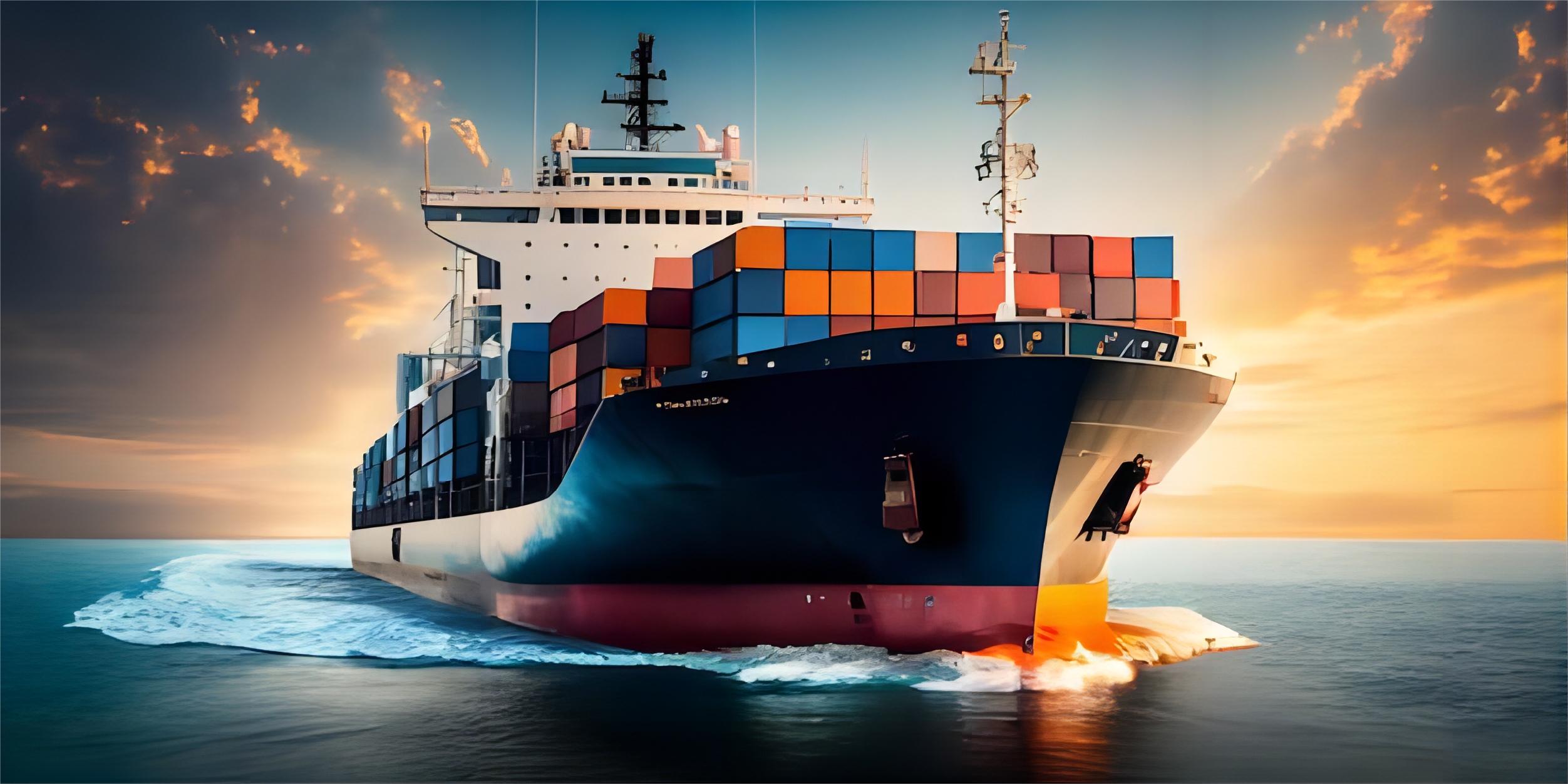
What is the Best Way for Freight Forwarding China to Middle East?
Choosing the most efficient method for your cargo depends heavily on your specific budget and delivery timeline. Most businesses prefer sea freight for large volumes due to its unmatched cost-effectiveness over long distances. However, urgent shipments often require the speed of air freight to meet tight market deadlines. Consequently, understanding the trade-offs between these modes is essential for maintaining a healthy supply chain.
Moreover, the geographical diversity of the Middle East means that logistics strategies must be tailored to specific destinations like Dubai, Riyadh, or Doha. Specifically, the proximity of major ports like Jebel Ali provides a strategic advantage for sea-based operations. Therefore, shippers must evaluate their cargo volume and urgency before committing to a specific transportation mode.

How Much Does Shipping from China to Middle East Cost in 2025?
Calculating the total landed cost involves several variables including ocean freight rates, fuel surcharges, and local handling fees. According to industry benchmarks, sea freight rates for a 40HQ container from Shenzhen to Jebel Ali currently range between 3,000 and 4,500 USD. Meanwhile, air freight costs typically fluctuate between 4.50 and 8.00 USD per kilogram depending on the season and carrier capacity. Indeed, maintaining an updated understanding of these rates is crucial for accurate budgeting.
Additionally, seasonal patterns play a significant role in pricing fluctuations throughout the year. For example, rates typically increase by 15 to 25 percent during the peak season from August to October as demand surges for holiday inventory. Consequently, planning your shipments well in advance can lead to substantial cost savings. Note: Freight rates are subject to change based on fuel costs, carrier capacity, and seasonal demand. Contact us for a current quote tailored to your specific shipment.
| Sea Freight (20GP) | $1,800 – $2,800 | 20 – 30 Days | Bulk Cargo |
| Sea Freight (40HQ) | $3,000 – $4,500 | 20 – 30 Days | Large Volume |
| Air Freight (per kg) | $4.50 – $8.00 | 3 – 7 Days | High Value |
| Express Service | $8.00 – $12.00 | 2 – 4 Days | Small Samples |
What are the Key Transit Times for Middle Eastern Ports?
Transit times vary significantly based on the chosen port of loading in China and the final destination in the Middle East. For instance, a direct sea route from Shanghai to Dubai usually takes about 18 to 22 days under normal conditions. In contrast, shipping to more distant ports like Jeddah in Saudi Arabia may require 25 to 35 days depending on the carrier schedule. Therefore, selecting the right port of entry is a vital component of your freight forwarding China to Middle East strategy.
Furthermore, port congestion and customs processing can add several days to the total door-to-door timeline. Efficient documentation and choosing reliable carriers can mitigate these potential delays effectively. Accordingly, businesses should always factor in a buffer period to account for unexpected logistics challenges.
How Does Sea Freight Compare to Other Shipping Options?
Analyzing the differences between sea, air, and express services reveals distinct advantages for different business models. While sea freight offers the lowest cost per unit, it requires much longer lead times which might not suit time-sensitive products. On the other hand, express service provides the fastest delivery but comes at a premium price point. Consequently, a hybrid approach often yields the best balance between cost and speed for many importers.
Moreover, the choice between Full Container Load (FCL) and Less than Container Load (LCL) further complicates the decision-making process. For shipments under 15 CBM, LCL is often more economical, though it may involve longer handling times at the port. In contrast, FCL provides better security and faster transit for larger volumes. Without a doubt, the specific nature of your cargo should dictate the final shipping method.
| Sea Freight | Lowest | 20 – 35 Days | Longer Lead Time |
| Air Freight | Moderate/High | 3 – 7 Days | Weight Limits |
| Express | Highest | 2 – 4 Days | Volume Restricted |
| Sea-Air Hybrid | Moderate | 12 – 18 Days | Complex Handling |
Which Option Should You Choose for Your Business?
Determining the right logistics path requires a clear assessment of your business priorities and cargo characteristics. If budget priority is your main concern, we recommend utilizing FCL sea freight for all shipments exceeding 15 cubic meters. Conversely, if speed priority is paramount for product launches or urgent replacements, air freight is the only viable solution. Specifically, cargo type considerations such as perishability or high value also play a critical role in this selection.
Furthermore, volume thresholds often dictate when it is time to switch from LCL to FCL to maximize container utilization. For example, once your shipment reaches 15-20 CBM, the cost of a 20GP container often becomes lower than the equivalent LCL rate. Therefore, regularly reviewing your shipping volumes can lead to significant long-term savings in your freight forwarding China to Middle East operations.
What Documents Are Required for Customs Brokerage?
Navigating the regulatory landscape of the Middle East requires meticulous attention to detail and proper documentation. Essential documents typically include the commercial invoice, packing list, certificate of origin, and the bill of lading. Additionally, certain countries like Saudi Arabia may require a SASO certificate for specific product categories to ensure compliance with local standards. Consequently, partnering with an experienced customs brokerage is highly recommended to avoid costly delays.
Moreover, ensuring that all descriptions and HS codes are accurate is vital for a smooth clearance process at the port of discharge. Errors in documentation can lead to heavy fines and prolonged storage fees at the terminal. Therefore, double-checking every piece of paperwork before the cargo leaves China is a best practice for all professional importers.
Can Door to Door Shipping Simplify Your Supply Chain?
Implementing a door to door service model can significantly reduce the administrative burden on your internal logistics team. This all-inclusive solution covers everything from factory pickup in China to final delivery at your warehouse in the Middle East. Furthermore, it provides a single point of contact and accountability throughout the entire shipping process. As a result, businesses can focus more on their core operations while experts handle the logistical details.
Indeed, this method is particularly beneficial for small to medium-sized enterprises that may not have dedicated logistics departments. By consolidating all services under one provider, you can often achieve better visibility and more predictable delivery schedules. Consequently, door-to-door shipping has become an increasingly popular choice for freight forwarding China to Middle East routes.
Real Case Studies: Logistics Success Stories
Examining real-world examples provides valuable context for understanding the practical challenges and solutions in Middle East logistics. These cases illustrate how different methods are applied to achieve specific business goals under varying market conditions. Specifically, they highlight the importance of choosing the right carrier and route to optimize the landed cost of goods.
Case Study 1: Electronics from Shenzhen to Dubai. Cargo: 500 units of consumer electronics, 28 CBM. Container: 1x20GP. Shipping Details: Major carrier via direct route from Shenzhen to Jebel Ali. Cost Breakdown: Ocean Freight $2,200, Origin Charges $350, Destination Charges $400, Customs $150. Total Landed Cost: $3,100. Timeline: Booking to Loading 3 days, Sea Transit 18 days, Customs Clearance 2 days. Total Door-to-Door: 23 days. Key Insight: Direct routing saved 5 days compared to transshipment options.
Case Study 2: Industrial Spare Parts from Shanghai to Riyadh. Cargo: Critical machinery components, 450 kg. Shipping Method: Air Freight. Shipping Details: Major air carrier from PVG to RUH. Cost Breakdown: Air Freight $2,475, Handling $200, Customs $150. Total Landed Cost: $2,825. Timeline: Pickup to Flight 1 day, Air Transit 1 day, Customs Clearance 2 days. Total Door-to-Door: 4 days. Key Insight: Air freight was essential to prevent a factory shutdown despite the higher cost. Based on Q4 2024 market rates.
Final Thoughts on Middle East Logistics
Successfully managing freight forwarding China to Middle East requires a strategic blend of planning, carrier selection, and regulatory compliance. By understanding the nuances of sea and air freight, businesses can make informed decisions that balance speed and cost effectively. Furthermore, leveraging professional services for customs and door-to-door delivery can significantly reduce operational risks.
Ultimately, the goal is to create a resilient supply chain that can adapt to changing market conditions and seasonal demands. Whether you are shipping bulk commodities or high-value electronics, the right logistics partner is the key to your success in the Middle Eastern market.
Ready to streamline your logistics?
Streamline your supply chain today with expert freight forwarding China to Middle East solutions. Contact Top China Freight for a personalized quote and professional logistics support. Send Inquiry
Request Quote