

Amazon Warehouse China to Europe: Ultimate 2025 Logistics Guide
Navigating the logistics of moving goods from an amazon warehouse china to europe requires a comprehensive understanding of international trade routes and shipping regulations. Many sellers face significant challenges when balancing speed and cost in the competitive e-commerce landscape. By partnering with Top China Freight, businesses can streamline their supply chain and ensure products arrive at European fulfillment centers without unnecessary delays.

How to Optimize Shipping from an Amazon Warehouse China to Europe?
Efficient logistics management is the cornerstone of any successful Amazon business operating between these two major economic regions. Consequently, selecting the right freight forwarding partner becomes the most critical decision a seller makes. You must consider the specific requirements of Amazon FBA to avoid costly rejection at the warehouse gates.
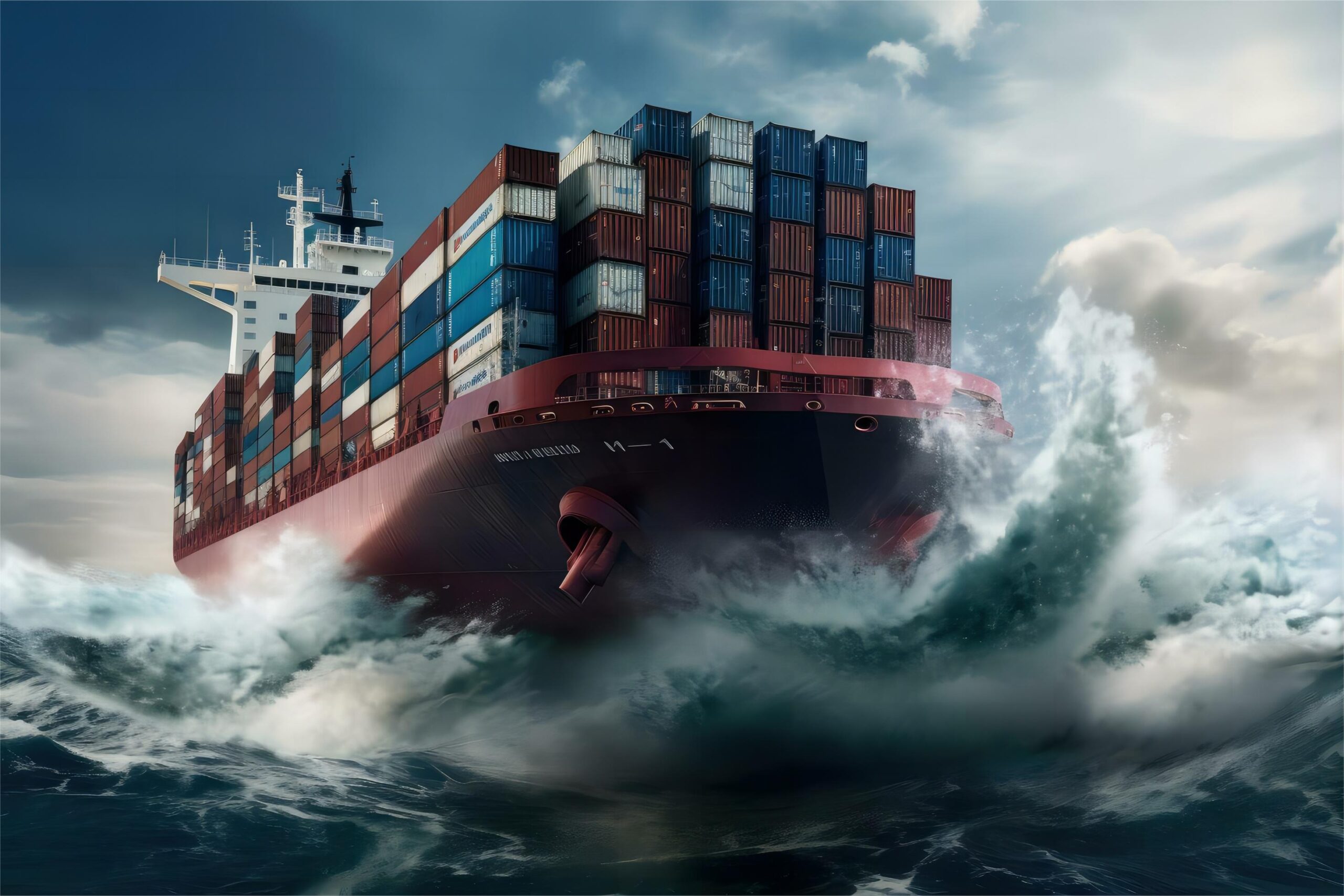
Furthermore, the choice of shipping method directly impacts your profit margins and inventory turnover rates. Many experienced sellers utilize a mix of transport modes to maintain a steady flow of goods while managing costs. Understanding the nuances of each route allows you to react quickly to market fluctuations and consumer demand.
Additionally, market data suggests that shipping volumes from China to European hubs like Germany and France continue to grow despite global economic shifts. Therefore, staying informed about the latest logistics trends and freight rates is essential for maintaining a competitive edge. This guide provides the insights needed to master your international shipping strategy.
Sea Freight Options for Amazon Warehouse China to Europe
Ocean transport remains the most popular choice for high-volume shipments due to its unmatched cost-effectiveness. When moving large quantities of stock, sea freight offers the lowest per-unit shipping cost available. This method is particularly suitable for bulky items or products with lower profit margins.
However, the primary trade-off for these savings is the significantly longer transit time compared to other methods. Typically, a vessel traveling from Shenzhen or Ningbo to a European port like Rotterdam takes between 30 and 45 days. You must plan your inventory cycles well in advance to account for this extended duration.
Moreover, sellers must choose between Full Container Load (FCL) and Less than Container Load (LCL) based on their cargo volume. FCL is generally faster and more secure as the container is dedicated to a single shipper. In contrast, LCL involves consolidating goods from multiple shippers, which can add time for loading and unloading at various hubs.
| Container Type | Capacity (CBM) | Estimated Cost (USD) | Best For |
|---|---|---|---|
| 20GP | 28-30 | $1,800 – $2,500 | Heavy or dense cargo |
| 40GP | 56-58 | $2,800 – $3,800 | General consumer goods |
| 40HQ | 68-70 | $3,000 – $4,200 | Bulky or light cargo |
| LCL | Per CBM | $50 – $120 | Small test batches |
Why Rail Freight is Growing for Amazon Warehouse China to Europe
The expansion of the Silk Road Economic Belt has made rail freight a highly attractive middle-ground solution. It offers a faster transit time than sea freight while remaining significantly cheaper than air transport. This balance makes it ideal for electronics and fashion items that require a moderate delivery speed.
Indeed, rail shipments typically reach major European hubs like Warsaw or Duisburg in 15 to 22 days. This speed allows for quicker replenishment of Amazon inventory, reducing the risk of stock-outs during peak seasons. Many sellers find that the predictability of rail schedules helps in better supply chain planning.
Nevertheless, rail freight is subject to seasonal capacity constraints and occasional geopolitical disruptions. During high-demand periods, rates can increase, and space on trains may become limited. It is advisable to book at least two weeks in advance to secure a spot on the desired departure date.
Air Freight Solutions for Time-Sensitive Shipments
When speed is the absolute priority, air freight is the only viable option for international logistics. This method ensures that high-value or seasonal products arrive at the Amazon warehouse within 5 to 10 days. As a result, sellers can capitalize on sudden market trends or urgent restock needs.
On the other hand, the cost of air transport is calculated based on either actual weight or volumetric weight, whichever is higher. This makes it a expensive choice for large or heavy items that do not have high profit margins. Most sellers reserve air freight for product launches or emergency inventory situations.
Additionally, air cargo undergoes more rigorous security checks and handling procedures at airports. This often results in lower damage rates compared to sea or rail transport. For fragile or sensitive electronics, the reduced handling and shorter transit time provide an added layer of security for your investment.
How Does Sea Freight Compare to Other Shipping Options?
Choosing the right shipping method requires a careful analysis of your budget, timeline, and product specifications. While sea freight is the budget-friendly leader, it may not suit every business model. In contrast, air and rail provide the agility needed for fast-moving consumer goods.
To summarize, sea freight is best for stability, rail for balance, and air for speed. Each method has distinct advantages that can be leveraged depending on the time of year and current market conditions. For instance, many sellers switch to rail or air during the Q4 peak season to ensure holiday stock arrives on time.
Note: Freight rates are subject to change based on fuel costs, carrier capacity, and seasonal demand. Contact us for a current quote tailored to your specific shipment.
| Shipping Method | Cost Range | Transit Time | Best For |
|---|---|---|---|
| Sea Freight | Low ($) | 30-45 Days | Bulk items, low margins |
| Rail Freight | Medium ($$) | 15-22 Days | Electronics, fashion |
| Air Freight | High ($$$) | 5-10 Days | High value, urgent stock |
| Express | Highest ($$$$) | 3-5 Days | Samples, very small items |
Which Option Should You Choose for Your FBA Business?
Deciding on the best logistics path depends on several key factors that define your business strategy. If your priority is maximizing profit margins on low-cost items, sea freight is the logical choice. Conversely, if you are launching a new product and need to test the market quickly, air freight or express services are better.
Volume thresholds also play a major role in this decision-making process. For shipments under 1 CBM, express services might actually be more cost-effective than LCL sea freight due to lower documentation fees. Once you exceed 15 CBM, moving to a Full Container Load (FCL) becomes significantly more efficient.
Furthermore, consider hybrid solutions such as sea-air or rail-sea combinations. These strategies can sometimes offer the perfect balance of cost and speed by utilizing different modes for different legs of the journey. For example, shipping by sea to a regional hub and then by truck to the final destination can save both time and money.
Customs and Documentation for European FBA Shipments
Navigating the complexities of European customs is often the most daunting part of shipping from an amazon warehouse china to europe. Each country in the European Union may have slight variations in how they handle imports, though the core regulations are standardized. You must ensure all paperwork is perfectly accurate to avoid delays.
Specifically, you will need a commercial invoice, a detailed packing list, and a Bill of Lading or Air Waybill. Additionally, having a valid EORI number is mandatory for importing goods into the EU. Failure to provide these documents can result in your shipment being held at the port, incurring high storage fees.
Consequently, many sellers choose to work with a professional customs broker to manage these requirements. A broker ensures that your goods are classified correctly under the Harmonized System (HS) codes, which determines the duty rates you will pay. Proper classification can sometimes save you thousands of dollars in unnecessary taxes.
| Document Name | Purpose | Required By | Criticality |
|---|---|---|---|
| Commercial Invoice | Value declaration | Customs | High |
| Packing List | Inventory detail | Warehouse/Customs | High |
| EORI Number | EU Import ID | Tax Authorities | Mandatory |
| Certificate of Origin | Verify source | Customs | Medium |
Real-World Case Studies: China to Europe Logistics
Examining real-world scenarios provides valuable insight into the actual costs and timelines associated with this route. These examples reflect the market conditions of late 2024 and early 2025. They highlight how different strategies can lead to successful delivery outcomes.
+———————————————————+ | Case Study 1: Large Scale Furniture Restock | +———————————————————+ | Route: Ningbo, China to Hamburg, Germany | | Cargo: Flat-pack furniture, 65 CBM, 12,000 kg | | Container: 40HQ (Full Container Load) | | | | Shipping Details: | | – Carrier: Major Ocean Carrier | | – Route Type: Direct via Suez Canal | | | | Cost Breakdown: | | – Ocean Freight: $3,450 | | – Origin Charges: $450 | | – Destination Charges: $600 | | – Customs & Duties: $1,200 | | – Total Landed Cost: $5,700 | | | | Timeline: | | – Total Door-to-Door: 38 days | | | | Key Insight: FCL provided the lowest per-unit cost for | | bulky items despite the longer sea transit. | +———————————————————+
+———————————————————+ | Case Study 2: High-Demand Electronics Batch | +———————————————————+ | Route: Shenzhen, China to Warsaw, Poland | | Cargo: Smart home devices, 5 CBM, 800 kg | | Container: LCL (Less than Container Load) | | | | Shipping Details: | | – Service: Rail Freight (China-Europe Railway Express) | | – Route Type: Trans-Siberian route | | | | Cost Breakdown: | | – Rail Freight: $1,100 | | – Origin/Dest Charges: $400 | | – Customs & Duties: $850 | | – Total Landed Cost: $2,350 | | | | Timeline: | | – Total Door-to-Door: 22 days | | | | Key Insight: Rail saved 15 days compared to sea, | | allowing the seller to meet a sudden spike in demand. | +———————————————————+
Mastering Your Amazon Warehouse China to Europe Strategy
Successfully managing shipments from an amazon warehouse china to europe is a vital skill for any international e-commerce seller. By understanding the differences between sea, rail, and air freight, you can make informed decisions that protect your margins and satisfy your customers. Remember to account for seasonal variations and keep your documentation in perfect order to ensure smooth customs clearance.
In conclusion, while the logistics landscape is constantly evolving, the core principles of planning and partnership remain the same. Utilizing the right transport mode for each specific cargo type allows for a more resilient and profitable supply chain. Start planning your next shipment today to stay ahead of the competition in the European market.
Ready to streamline your logistics?
Ready to optimize your supply chain from an amazon warehouse china to europe? Contact the experts at Top China Freight today for a customized quote and professional logistics advice tailored to your business needs. Visit our website to learn how we can help you save on shipping costs and reduce transit times for your next FBA shipment.
Request Quote