


Auto Parts Sea Freight from China: The Ultimate 2025 Shipping Guide
Importing components from Asian manufacturing hubs requires a strategic approach to logistics and supply chain management. Choosing Top China Freight ensures your auto parts sea freight from China arrives safely while maintaining your profit margins. This comprehensive guide explores the complexities of international shipping to help you navigate the global marketplace effectively.
Why Choose Auto Parts Sea Freight from China?
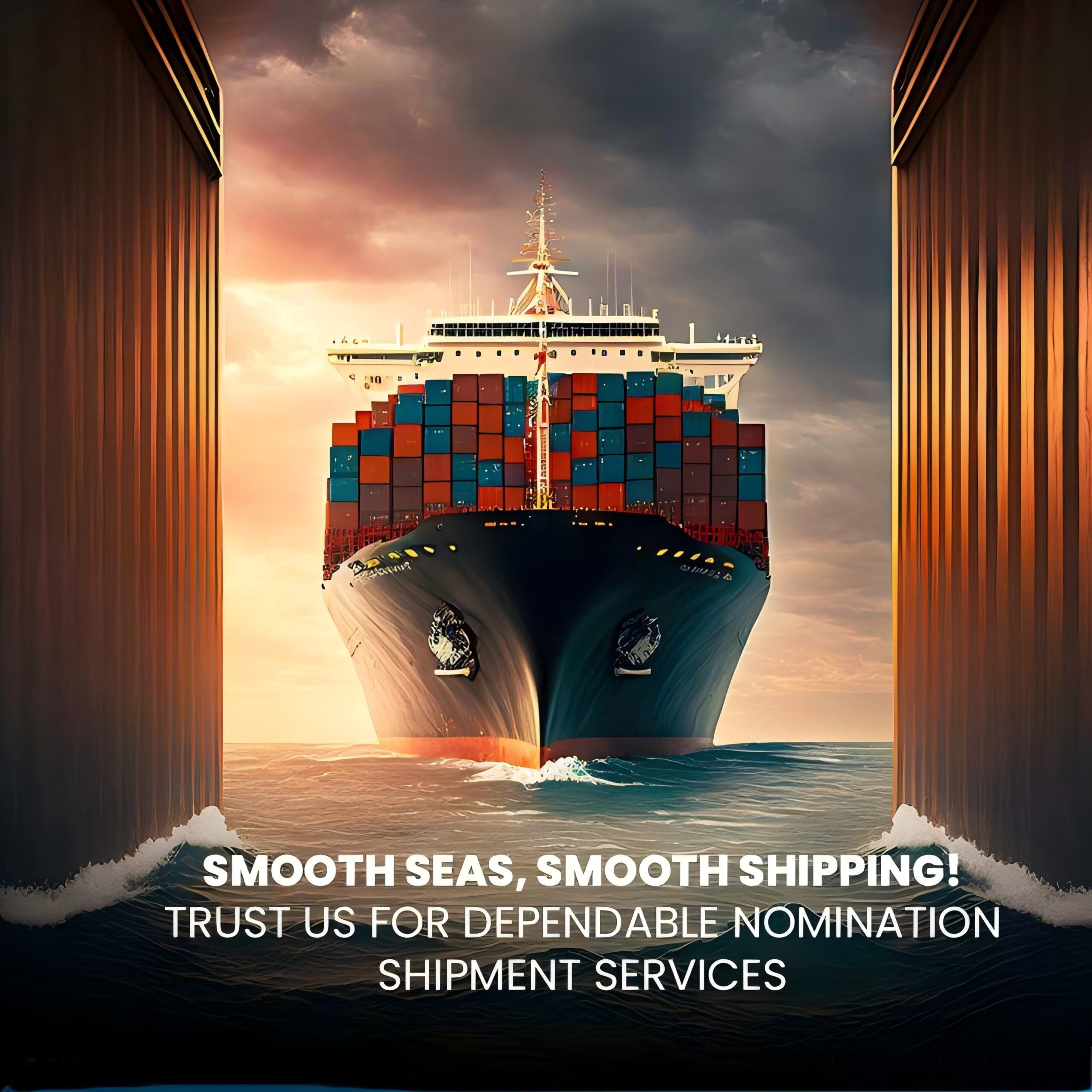
Shipping by sea remains the most cost-effective method for moving high volumes of heavy automotive components across the globe. Consequently, many businesses rely on this mode of transport to keep their inventory levels stable without incurring the massive costs associated with air travel. Moreover, the capacity of modern container ships allows for the transport of everything from small sensors to entire engine blocks in a single shipment.
Furthermore, ocean transport offers a significantly lower carbon footprint per ton of cargo compared to other methods. This makes it a preferred choice for companies aiming to meet sustainability goals within their supply chain. Nevertheless, the primary advantage remains the scalability of sea freight, which accommodates both small-scale retailers and large manufacturing plants.
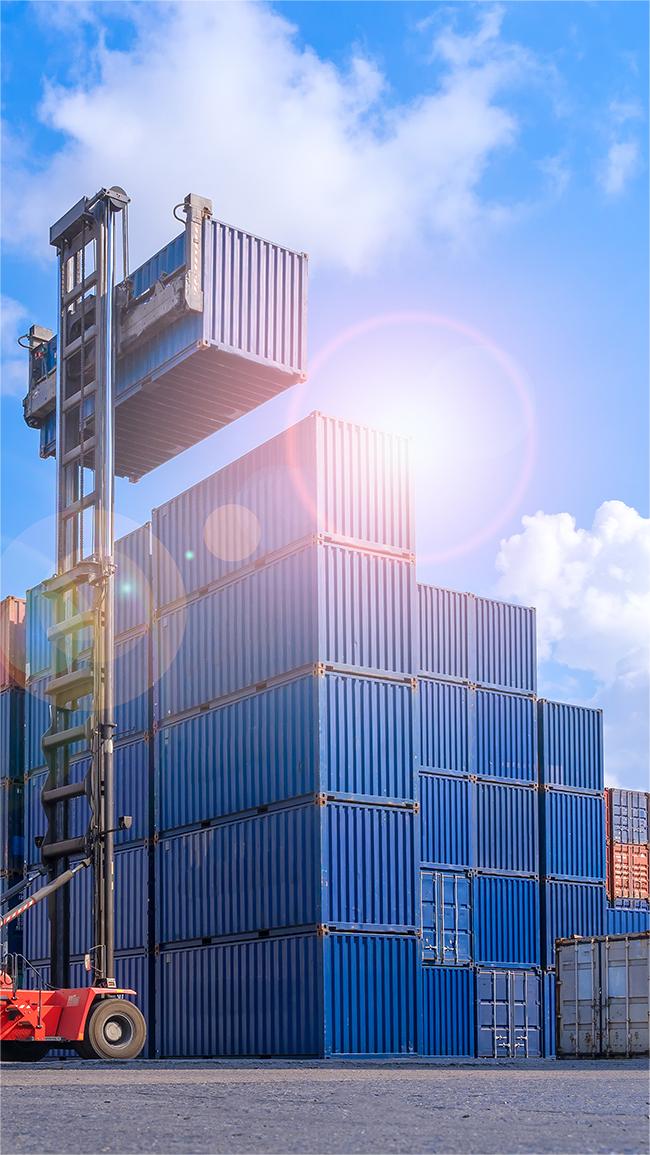
Choosing this method also allows for more flexible scheduling in many cases. Since major ports like Shanghai and Ningbo have daily departures, you can plan your production cycles with greater precision. Indeed, the reliability of scheduled ocean carriers has improved significantly as global logistics trends stabilize in early 2025.
How Does Sea Freight Compare to Other Shipping Options?
Evaluating different transport methods is essential for optimizing your logistics budget and delivery schedule. While sea freight is the leader for bulk shipments, other options might suit specific urgent needs or smaller volumes. For example, rail freight offers a middle ground for shipments to Europe, whereas air freight is unmatched for speed.
Specifically, the cost difference between sea and air can be staggering for heavy metal parts. While a sea shipment might cost a few thousand dollars, the same weight via air freight could easily exceed ten thousand dollars. Therefore, businesses must weigh the cost of capital tied up in transit against the immediate need for stock.
Below is a detailed comparison of the primary shipping methods used for automotive parts.
| Shipping Method | Cost Range | Transit Time | Best For |
|---|---|---|---|
| Sea Freight (FCL) | $1,500 – $4,500 | 15 – 40 Days | Bulk orders and heavy parts |
| Sea Freight (LCL) | $50 – $150 per CBM | 20 – 45 Days | Small inventory restocks |
| Air Freight | $4 – $9 per kg | 3 – 7 Days | Urgent repairs or high-value parts |
| Rail Freight | $1,000 – $2,500 | 18 – 25 Days | Inland Europe destinations |
Which Shipping Option Should You Choose?
Decision making in logistics depends heavily on your specific business priorities and the nature of the cargo. If your primary goal is budget priority, then sea freight is undoubtedly the most suitable option for your auto parts sea freight from China. On the other hand, if you are facing a production line shutdown, the speed priority of air freight justifies the higher expense.
Volume thresholds also play a critical role in your selection. For shipments under 15 CBM, Less than Container Load (LCL) is often the most economical choice. However, once you exceed 15 CBM, booking a Full Container Load (FCL) becomes more efficient as it reduces handling and potential damage risks.
Cargo type considerations must not be overlooked. Heavy items like transmissions or chassis components are almost always better suited for sea transport due to weight restrictions on aircraft. To summarize, most businesses utilize sea freight for 80 percent of their stock and keep air freight as a contingency for emergencies.
Understanding the Costs of Shipping Auto Parts
Freight rates are influenced by a variety of factors including fuel surcharges, seasonal demand, and port congestion. In the current market of early 2025, rates have stabilized significantly following the disruptions of previous years. Nevertheless, you should always account for origin charges such as Terminal Handling Charges (THC) and documentation fees.
In addition, destination charges and customs duties can significantly impact the total landed cost of your goods. For instance, importing into North America may involve different tariff structures than importing into Europe. Therefore, calculating these costs in advance is vital for accurate pricing of your products.
Note: Freight rates are subject to change based on fuel costs, carrier capacity, and seasonal demand. Contact us for a current quote tailored to your specific shipment.
| Route | 20GP Container | 40HQ Container | Avg. Transit |
|---|---|---|---|
| China to USA West | $1,600 – $2,300 | $2,900 – $3,900 | 16 – 20 Days |
| China to Europe | $1,900 – $2,600 | $3,100 – $4,300 | 30 – 35 Days |
| China to Australia | $900 – $1,300 | $1,500 – $2,100 | 14 – 19 Days |
| China to UK | $2,100 – $2,900 | $3,600 – $4,600 | 32 – 38 Days |
Essential Documents for Auto Parts Customs Clearance
Navigating the legal requirements of international trade is often the most challenging part of the process. Professional customs brokerage services are essential to ensure that all paperwork is filed correctly and on time. Without the proper documentation, your shipment could face lengthy delays or expensive fines at the port of entry.
Specifically, you will need a Commercial Invoice, a detailed Packing List, and a Bill of Lading. Additionally, certain automotive parts require specialized certificates, such as a Certificate of Origin or safety compliance documents. Consequently, verifying these requirements with your supplier before the ship departs is a critical step.
Below is a checklist of the most common documents required for a smooth customs process.
| Document Name | Purpose | Responsible Party | Importance |
|---|---|---|---|
| Bill of Lading | Title of goods | Carrier | Critical |
| Commercial Invoice | Value declaration | Exporter | Critical |
| Packing List | Contents detail | Exporter | High |
| Certificate of Origin | Tariff determination | Manufacturer | Moderate |
How to Pack Auto Parts for Long-Distance Sea Transit
Protecting your cargo from the harsh environment of the ocean is paramount. Since sea transit involves significant movement and potential moisture exposure, standard packaging is often insufficient. For example, metal parts should be treated with rust inhibitors or wrapped in VCI (Vapor Corrosion Inhibitor) plastic to prevent oxidation during the voyage.
Moreover, heavy components must be securely blocked and braced within the container. If parts shift during transit, they can cause structural damage to the container or destroy other items in the shipment. Therefore, using high-quality pallets and industrial-strength strapping is a necessary investment.
Proper labeling is also essential for efficient cargo handling at both the origin and destination ports. Each crate should clearly indicate its weight, handling instructions, and destination. As a result, you will minimize the risk of your auto parts sea freight from China being mishandled during the unloading process.
Typical Transit Times for Global Destinations
Understanding the delivery schedule is vital for maintaining a lean inventory system. Transit times vary greatly depending on the distance, the number of port calls, and whether the route is direct or involves transshipment. For instance, a direct shipment from Shanghai to Los Angeles is much faster than a route that stops in several Southeast Asian ports.
Additionally, you must account for the time required for loading at the origin and unloading at the destination. While the sea voyage itself might take 20 days, the total door to door time could be closer to 30 or 35 days. Consequently, planning your orders at least two months in advance is a wise strategy for most businesses.
Market data suggests that while congestion has eased, seasonal peaks in August and October can still add 5 to 7 days to the standard timeline. Nevertheless, reliable freight forwarders can often find alternative routes to bypass temporary bottlenecks.
Real-World Case Studies for Auto Parts Logistics
Analyzing real-world scenarios provides valuable insights into the practicalities of shipping. These cases reflect typical shipments handled in late 2024 and early 2025. They demonstrate how different strategies can impact the final landed cost and arrival time of your automotive inventory.
Case Study 1: Bulk Engine Components to Europe. This shipment focused on maximizing container space to reduce the per-unit cost for a major distributor. By utilizing a 40HQ container, the client achieved significant economies of scale for their shipping to Europe.
Case Study 2: Small Batch Brake Pads to North America. This example highlights the efficiency of LCL shipping for smaller retailers who need to maintain stock levels without the capital required for a full container. It shows how consolidated shipping can provide a competitive edge.
Case Study 1: Heavy Engine Blocks to Rotterdam
Route: Shanghai, China to Rotterdam, Netherlands. Cargo: 22 Pallets of Engine Blocks, 18,000 kg. Container: 40HQ FCL. Shipping Details: Major carrier, Direct route. Cost Breakdown: Ocean Freight $3,200, Origin Charges $450, Destination Charges $600, Customs and Duties $1,200. Total Landed Cost: $5,450. Timeline: Booking to Loading 4 days, Sea Transit 32 days, Customs Clearance 3 days. Total Door-to-Door: 39 days. Key Insight: FCL provided the best protection and lowest cost per unit for these heavy items.
Case Study 2: Replacement Brake Pads to Los Angeles
Route: Shenzhen, China to Los Angeles, USA. Cargo: 6 CBM of Brake Pads, 2,500 kg. Container: LCL. Shipping Details: Consolidation service via Long Beach. Cost Breakdown: Ocean Freight $750, Origin Charges $200, Destination Charges $350, Customs and Duties $400. Total Landed Cost: $1,700. Timeline: Booking to Loading 6 days, Sea Transit 16 days, Customs Clearance 4 days. Total Door-to-Door: 26 days. Key Insight: LCL allowed the buyer to avoid the cost of a full container while still benefiting from sea freight rates.
Common Challenges in Auto Parts Importation
Despite the benefits, importing auto parts sea freight from China comes with certain risks. Port congestion remains a sporadic issue that can disrupt even the best-laid plans. However, working with an experienced logistics partner can help you navigate these delays through proactive communication and alternative routing.
Documentation errors are another frequent hurdle that can lead to cargo being held at customs for weeks. Indeed, even a small discrepancy in the HS code or the declared value can trigger an audit. Therefore, double-checking all paperwork before submission is a non-negotiable step in the process.
Finally, physical damage due to poor container packing can erode your profits. Since automotive parts are often heavy and made of metal, they are susceptible to both impact damage and corrosion. Consequently, investing in superior packaging materials and choosing a reputable carrier is essential for long-term success.
Final Thoughts on Auto Parts Sea Freight from China
To summarize, auto parts sea freight from China remains the most viable and efficient method for global distribution of automotive components. By understanding the cost structures, documentation requirements, and packaging needs, you can significantly reduce your operational risks. Furthermore, comparing different shipping methods ensures that you always choose the most appropriate balance between speed and cost.
As market trends continue to evolve in 2025, staying informed about freight rates and customs regulations will be your greatest competitive advantage. Whether you are shipping full containers or smaller LCL batches, a strategic approach to ocean freight will support your business growth. We encourage you to apply these insights to your next shipment to ensure a smooth and cost-effective import experience.
Ready to streamline your logistics?
Streamline your supply chain today by choosing a partner that understands the nuances of the automotive industry. Contact us for a personalized quote on your auto parts sea freight from China and let our experts handle the complexities of global logistics for you. Visit our website to start your inquiry now.
Request Quote