

Fastest Way to Ship Machinery from China to UK: 2025 Expert Guide
Finding the fastest way to ship machinery from China to UK is essential for maintaining your production schedule and avoiding costly downtime. Top China Freight provides specialized logistics solutions to ensure your heavy equipment arrives safely and on time. Whether you are dealing with urgent repairs or new installations, choosing the right transport method can save you weeks of production time.
Is Air Freight the Fastest Way to Ship Machinery from China to UK?
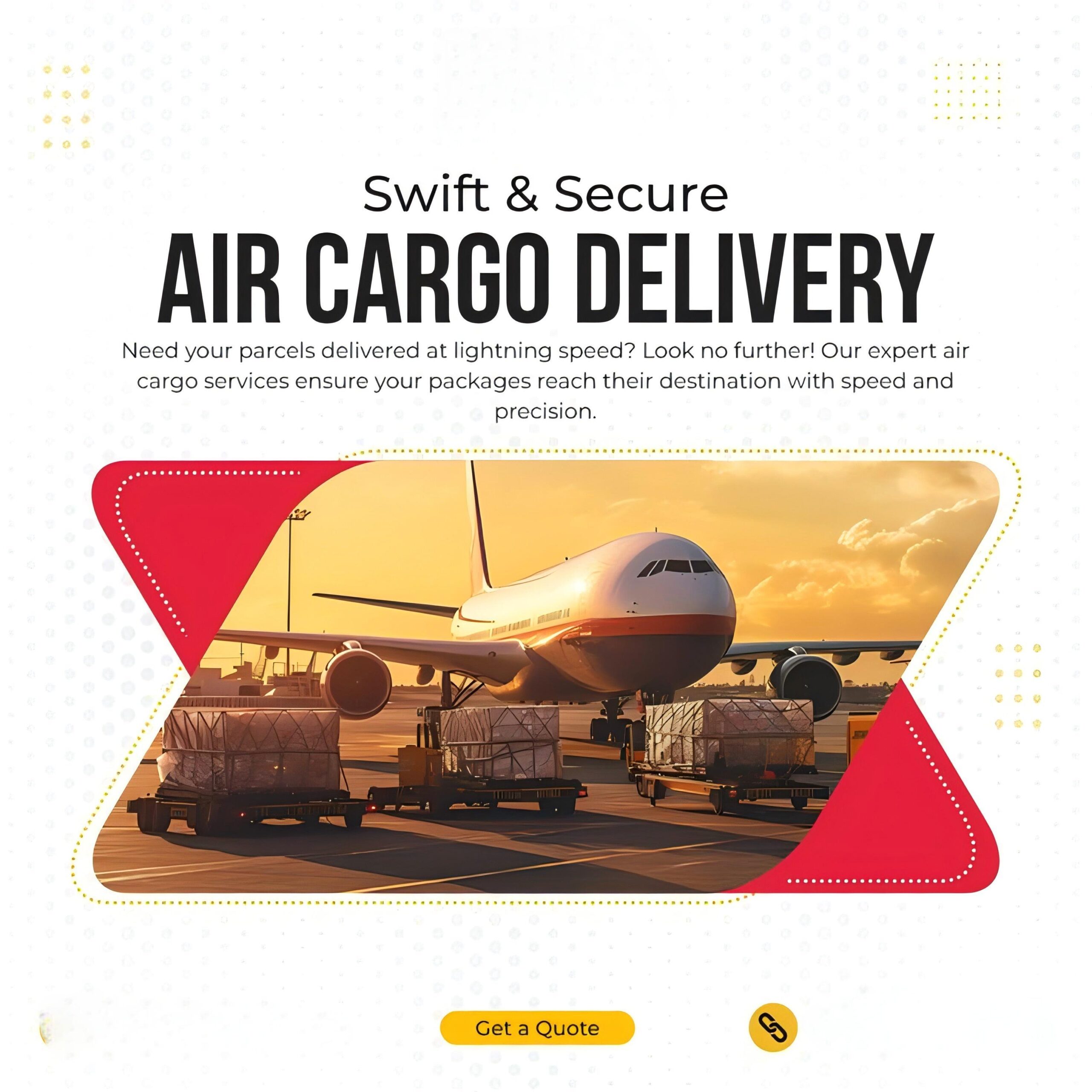
Air freight stands out as the absolute fastest way to ship machinery from China to UK when time is the most critical factor. Consequently, most businesses choose this method for high-value components or urgent replacement parts that are needed to keep a factory running. By utilizing major hubs like Shanghai Pudong or Shenzhen, you can significantly reduce the transit time compared to traditional ocean routes.

Furthermore, our air freight services offer a door-to-door timeline of approximately 5 to 9 days. This speed is achieved by bypassing the lengthy maritime journey around the Cape of Good Hope or through the Suez Canal. Specifically, the flight time itself is only about 12 to 16 hours, with the remaining days allocated to ground handling and customs.

Importers should note that while air transport is rapid, it also comes with higher machinery shipping costs. Therefore, it is most suitable for machinery that is relatively compact or carries a high enough profit margin to justify the premium logistics spend. Additionally, air carriers have strict weight and dimension limits that may exclude very large industrial presses or oversized boilers.
When Should You Use Express Courier Services for Machinery?
Express courier services represent the fastest way to ship machinery from China to UK for smaller, high-priority items. Companies like DHL, FedEx, and UPS provide integrated networks that handle every step of the logistics chain. Using an express service ensures that your cargo is treated with the highest priority at every transit point.
Moreover, these services are ideal for precision tools, electronic control units, and small mechanical assemblies weighing under 200 kilograms. As a result, you benefit from a streamlined process where the courier manages the entire export and import documentation. This efficiency often results in a total delivery window of just 3 to 5 business days from the factory floor to your UK facility.
However, the cost per kilogram for express shipping is typically the highest in the industry. For this reason, businesses usually reserve this method for emergency situations or prototype deliveries. Nevertheless, the reliability and tracking capabilities provided by express carriers offer unmatched peace of mind for critical industrial machinery shipping.
How Does Air Freight Compare to Other Shipping Options?
Evaluating the fastest way to ship machinery from China to UK requires a side-by-side comparison of all available logistics modes. While air is the speed leader, sea freight and rail freight offer alternative balances of cost and capacity. Indeed, many importers find that a hybrid approach or a specific sea route can meet their deadlines at a fraction of the air freight price.
Specifically, sea freight remains the standard for heavy equipment logistics due to its ability to handle massive weights and dimensions. Although it is slower, specialized fast-vessel services can sometimes bridge the gap for non-emergency shipments. In contrast, rail freight through the Eurasian Land Bridge has faced disruptions recently, making it a less predictable option for UK-bound cargo in 2025.
The following table provides a clear breakdown of how these methods compare in terms of speed, cost, and suitability for various machinery types. Use this data to determine which strategy aligns with your current budget and delivery schedule requirements.
| Shipping Method | Transit Time | Cost Range | Best For |
|---|---|---|---|
| Air Freight | 5-9 Days | $5.50 – $9.00 /kg | Urgent parts and high-value machines |
| Express Courier | 3-5 Days | $9.00 – $15.00 /kg | Small components and prototypes |
| Sea Freight (FCL) | 30-40 Days | $3,500 – $4,500 /40HQ | Large production lines and heavy units |
| Sea-Air Hybrid | 18-22 Days | Moderate | Balanced speed and cost requirements |
What Alternative Strategies Can Speed Up Machinery Shipping?
Businesses often look for a middle ground between the high cost of air and the slow speed of sea transport. One effective alternative is the Sea-Air hybrid solution, which involves shipping by sea to a hub like Dubai and then flying the cargo to the UK. Consequently, this method can save you up to 50 percent on costs compared to pure air freight while still arriving much faster than a standard ship.
Another strategy involves choosing direct shipping routes with premium carriers that offer guaranteed space and priority unloading. For example, selecting a carrier that sails directly from Shanghai to Southampton can shave 5 to 7 days off the transit time by avoiding transshipment hubs. Furthermore, booking your shipment at least two weeks in advance ensures you avoid delays caused by overbooked vessels during peak seasons.
Importers should also consider Less than Container Load (LCL) express services for machinery that does not fill an entire container. In addition to being more cost-effective than FCL for smaller volumes, some LCL providers offer expedited consolidation and deconsolidation. This approach allows your machinery to move through the supply chain with more flexibility and speed than traditional bulk shipping.
Why is Customs Brokerage Critical for Fast Machinery Delivery?
Professional customs brokerage is often the deciding factor in whether a shipment meets its deadline. Even the fastest way to ship machinery from China to UK can be ruined by paperwork errors that lead to weeks of port delays. Therefore, ensuring all your HS codes and commercial invoices are accurate before the cargo leaves China is a vital step.
Specifically, UK customs authorities require detailed technical specifications for industrial machinery to determine the correct duty rates. Without a doubt, having a broker who understands the UK Global Tariff and any applicable trade remedies will prevent unexpected inspections. Moreover, they can help you navigate VAT deferment schemes to improve your company’s cash flow during the import process.
Managing the documentation for heavy equipment logistics involves coordinating between the manufacturer, the carrier, and the government. As a result, working with an experienced freight forwarder who handles the entire clearance process is highly recommended. This proactive management ensures that your machinery moves through the port of entry without unnecessary administrative friction.
The Benefits of Door to Door Machinery Shipping
Using a door to door service simplifies the complex logistics involved in moving heavy equipment across continents. This comprehensive approach means the forwarder handles the pickup at the Chinese factory, the international transit, and the final delivery to your UK site. Consequently, you spend less time managing multiple vendors and more time focusing on your core business operations.
Efficiency is greatly improved when a single entity manages the entire chain, as it eliminates communication gaps between different service providers. For instance, the same team that handles the export from Ningbo will coordinate with the local UK trucking company for the final mile delivery. This seamless integration is often the most reliable and fastest way to ship machinery from China to UK while maintaining total visibility.
Shipping large equipment also requires specialized vehicles at both the origin and destination to handle the weight and dimensions safely. Specifically, your door-to-door provider will arrange for crane services or low-loader trailers as part of the quoted price. Indeed, this end-to-end responsibility reduces the risk of damage during the multiple handling stages of an international journey.
Case Studies: Rapid Machinery Delivery to the UK
Case Study 1: Urgent CNC Lathe Delivery. Route: Shanghai to London. Cargo: Precision CNC Lathe, 4.2 CBM, 1,350 kg. Method: Air Freight. Cost Breakdown: Freight $6,800, Origin Charges $450, Destination Charges $520, Customs $300. Total Landed Cost: $8,070. Timeline: Booking to Loading 2 days, Air Transit 1 day, Customs Clearance 2 days, Total Door-to-Door 7 days. Key Insight: Direct air freight eliminated three weeks of production downtime for the client.
Case Study 2: High-Volume Production Line. Route: Shenzhen to Felixstowe. Cargo: Injection Molding Equipment, 62 CBM. Container: 2 x 40HQ. Shipping Details: Carrier Maersk, Port of Loading Yantian. Cost Breakdown: Ocean Freight $8,400, Origin Charges $900, Destination Charges $1,100, Customs $600. Total Landed Cost: $11,000. Timeline: Booking to Loading 5 days, Sea Transit 32 days, Customs Clearance 3 days, Total Door-to-Door 42 days. Key Insight: Advanced booking secured 2024 rates before the Q4 peak season price hike.
Case Study 3: Small Component Replacement. Route: Guangzhou to Birmingham. Cargo: Hydraulic Pump Assembly, 0.5 CBM, 85 kg. Method: Express Courier. Total Landed Cost: $1,250. Timeline: Total Door-to-Door 4 days. Key Insight: Choosing express was the fastest way to ship machinery from China to UK to resolve a critical system failure at a UK manufacturing plant.
Market Context and Pricing for Shipping to Europe
Understanding the current market context is essential for planning your shipping from China to Europe. As of early 2025, freight rates have stabilized following the volatility caused by global supply chain shifts in previous years. However, seasonal demand during the lead-up to the holidays can still cause prices to increase by 15 to 25 percent between August and October.
Typical rates for a 40HQ container from China to the UK currently range between $3,500 and $4,500 depending on the specific port of loading. Meanwhile, air freight rates fluctuate more frequently based on fuel surcharges and available belly capacity on passenger flights. Therefore, we always recommend obtaining a real-time quote to ensure your budget reflects the most current market conditions.
Note: Freight rates are subject to change based on fuel costs, carrier capacity, and seasonal demand. Contact us for a current quote tailored to your specific shipment requirements and machinery type.
Decision Framework: Which Option Should You Choose?
Choosing the right method depends entirely on your specific priorities regarding speed, budget, and cargo volume. If your primary goal is the fastest way to ship machinery from China to UK regardless of cost, air freight or express courier is the clear winner. Conversely, if you are moving an entire factory line where volume is high and the budget is tight, sea freight remains the only viable option.
For shipments that fall in the middle, such as a single large machine that is needed within a month, consider expedited sea freight or LCL express. These options provide a balanced delivery schedule without the extreme costs associated with air transport. To summarize, always weigh the cost of the shipping method against the potential loss of revenue caused by a late delivery.
Final Thoughts on Machinery Shipping
Securing the fastest way to ship machinery from China to UK involves a strategic choice between air, express, and sea freight options. While air freight offers the quickest transit times, sea freight provides the capacity needed for heavy industrial equipment at a lower price point. By working with an experienced logistics partner, you can navigate the complexities of customs and documentation to ensure your cargo arrives without delay.
Ultimately, the success of your machinery import depends on proactive planning and choosing a method that fits your production timeline. Whether you need an urgent spare part or a full production line, Top China Freight is here to optimize your supply chain from China to the UK.
Ready to streamline your logistics?
Ready to move your equipment quickly? Contact Top China Freight today for a customized quote on the fastest way to ship machinery from China to UK. Send Inquiry: https://Top China Freight.com/contact-us/
Request Quote