

How to Ship Food Products from China to Europe: The Ultimate 2025 Guide
Shipping food across continents involves navigating a complex web of regulations and logistics requirements. Top China Freight provides specialized solutions to ensure your edible cargo reaches European markets in peak condition. This guide explores everything you need to know about how to ship food products from China to Europe effectively.
Understanding EU Food Safety Standards and Regulations
Navigating the European Union’s food safety landscape is the first critical step for any exporter. The European Food Safety Authority (EFSA) maintains some of the strictest standards in the world to protect public health. Consequently, every food product entering the region must comply with specific hygiene and labeling rules. For instance, additives that are legal in other regions might be banned within the EU territory.
Moreover, the General Food Law Regulation serves as the foundation for all food-related activities in Europe. This framework requires full traceability of the supply chain from the Chinese manufacturer to the European consumer. Therefore, you must maintain detailed records of every stage of production and transport. Indeed, failure to provide this data can lead to immediate shipment rejection at the border.
Additionally, specific categories like organic foods or animal-origin products require supplementary certifications. These include the TRACES system registration, which monitors the movement of sanitary and phytosanitary goods. Meanwhile, exporters must ensure that their Chinese suppliers hold the necessary export licenses recognized by European authorities.
Essential Documentation for Food Exports to Europe
Compliance begins with a comprehensive set of documents that prove the safety and origin of your goods. Without a doubt, the most important document for food is the Health Certificate, often issued by the General Administration of Customs of China (GACC). This certificate confirms that the food meets both Chinese export standards and European import requirements.
Furthermore, the Bill of Lading acts as the title of the goods and is essential for clearing customs. You will also need a detailed commercial invoice and a packing list that specifies every item in the shipment. In addition, a Certificate of Origin is frequently required to determine the applicable tariff rates under international trade agreements.
For products like fresh produce or grains, a Phytosanitary Certificate is mandatory to prevent the spread of pests. On the other hand, processed foods may require a simple Analysis Report detailing ingredients and nutritional values. Accordingly, working with a professional logistics partner helps ensure that no document is missing before the ship leaves the port.
| Health Certificate | Confirms safety and hygiene | All food products |
| Phytosanitary Cert | Prevents pest transmission | Plants and produce |
| Commercial Invoice | Details value and parties | All shipments |
| Packing List | Lists specific items | All shipments |
Choosing the Best Transport Method for Your Food Cargo
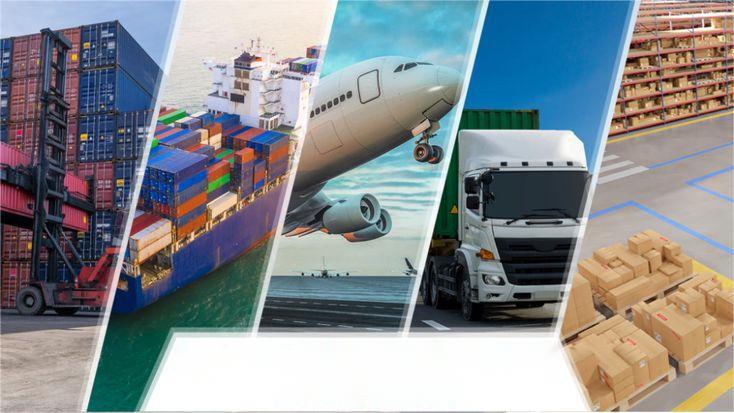
Selecting the right mode of transport is a balance between speed, cost, and the shelf life of your products. For large volumes of non-perishable goods, sea freight remains the most economical choice. Most dry goods like canned products or dried snacks travel well in standard containers over 30 to 40 days.
However, if you are moving high-value or highly perishable items, air freight is the superior alternative. While the costs are significantly higher, the transit time is reduced to just a few days, which is vital for maintaining freshness. For example, fresh truffles or high-end seafood almost always travel by air to preserve their market value.
Additionally, rail freight has emerged as a middle-ground solution for inland European destinations. It offers faster transit times than sea freight at a fraction of the cost of air transport. Consequently, many companies use the China-Europe Railway Express for items like wine, chocolate, or packaged health foods that need a faster turnaround than a ship provides.
Maintaining the Cold Chain: Refrigerated Logistics
Temperature control is the backbone of food logistics for frozen or chilled products. Refrigerated containers, or reefers, are specialized units that maintain a constant internal temperature throughout the journey. For instance, frozen meat must be kept at -18 degrees Celsius, while fresh fruit may require specific humidity levels and ventilation.
Furthermore, monitoring technology allows shippers to track the temperature in real-time. If a deviation occurs, the system alerts the crew to take immediate corrective action. Nevertheless, the risk of a cold chain break is always present, making high-quality packaging and insulation essential. As a result, many exporters use thermal blankets and dry ice as secondary protection layers.
Moreover, the transition between the warehouse and the container is often the most vulnerable moment. Logistics providers must use temperature-controlled loading docks to prevent heat exposure. Therefore, choosing a forwarder with experience in reefer management is non-negotiable for anyone learning how to ship food products from China to Europe.
How Does Sea Freight Compare to Other Shipping Options?
Comparing sea freight to air and rail reveals significant trade-offs in terms of budget and delivery schedules. While sea freight is the slowest method, it offers the lowest cost per kilogram, making it ideal for bulk commodities. In contrast, air freight offers unmatched speed but comes with a price tag that can be ten times higher than ocean transport.
Rail freight serves as an excellent hybrid option, especially for landlocked countries in Central and Eastern Europe. It provides a more stable delivery schedule compared to sea freight, which can be affected by port congestion or weather. To summarize, the best choice depends on your product’s margin and its sensitivity to transit time.
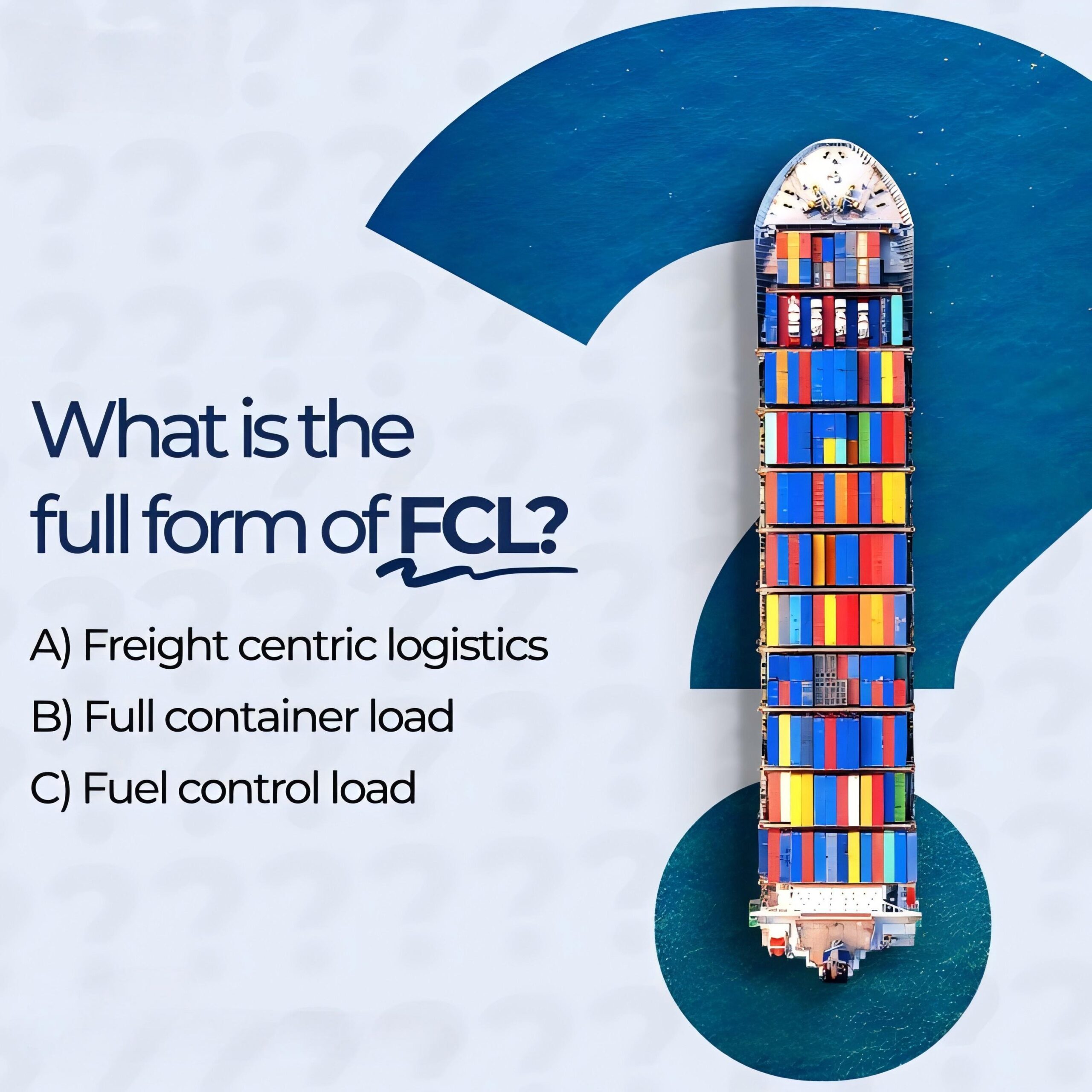
| Sea Freight (FCL) | $3,000 – $4,500 | 30 – 40 Days | Bulk dry goods |
| Air Freight | $5.00 – $9.00/kg | 3 – 7 Days | Perishables |
| Rail Freight | $4,000 – $6,000 | 18 – 25 Days | Packaged foods |
| Express Service | $8.00 – $12.00/kg | 2 – 4 Days | Food samples |
Packaging and Labeling Requirements for European Markets
Proper packaging does more than protect the product; it also ensures legal compliance. European regulations require that food contact materials (FCM) do not transfer harmful substances to the food. Consequently, you must use certified food-grade plastics, papers, or metals for all primary packaging. For example, specific migration tests are often required for plastic containers.
Additionally, labeling is a major hurdle for many Chinese exporters. All labels must be in the official language of the destination country and include mandatory information. This includes the product name, ingredient list, allergen warnings, and the ‘Best Before’ date. Furthermore, the net weight and the name of the EU-based importer must be clearly visible.
Indeed, even minor labeling errors can lead to a shipment being detained or returned. Many successful exporters use a dual-labeling strategy where they apply the European label at the factory in China. Alternatively, some choose to re-label in a bonded warehouse in Europe to maintain flexibility across different national markets.
Navigating Customs Clearance and Duties in Europe
Customs clearance is the final gatekeeper in the shipping process. When the goods arrive, a customs brokerage professional will submit the entry summary declaration. This document triggers the assessment of Value Added Tax (VAT) and any applicable import duties. For instance, certain agricultural products are subject to seasonal tariffs designed to protect local European farmers.
Moreover, food shipments are frequently selected for physical inspection or laboratory testing by border authorities. During these checks, samples are taken to verify that the product matches the documentation and meets safety levels. Consequently, you should factor in a few extra days for potential customs delays in your delivery schedule. Meanwhile, having all certificates ready and pre-filed can significantly speed up the release of your cargo.
Accordingly, the use of EORI numbers (Economic Operators Registration and Identification) is mandatory for all businesses importing into the EU. If you are a first-time importer, you must register for this number well in advance. Without a doubt, the complexity of European customs makes professional assistance a wise investment for long-term success.
Calculating Shipping Costs and Budgeting for 2025
Budgeting for food shipping requires an understanding of several variable costs. As of Q1 2025, freight rates from China to Europe have stabilized after recent global disruptions, but seasonal peaks still occur. For example, rates typically increase by 15% to 25% during the August to October period as retailers prepare for the winter holidays.
In addition to the base freight rate, you must account for terminal handling charges (THC), fuel surcharges, and insurance. Insurance is particularly vital for food products due to the risk of spoilage or damage during transit. Furthermore, specialized equipment like reefer containers usually carries a premium of $1,000 to $2,000 over standard dry containers.
Therefore, calculating the landed cost is essential for pricing your products competitively in Europe. This calculation should include the purchase price, shipping, duties, taxes, and local delivery fees. Note: Freight rates are subject to change based on fuel costs, carrier capacity, and seasonal demand. Contact us for a current quote tailored to your specific shipment.
Case Studies: Successful Food Shipments from China
Case Study 1: Frozen Seafood Export. Route: Shanghai, China to Hamburg, Germany. Cargo: Frozen Shrimp, 22 CBM. Container: 40HQ Reefer. Shipping Details: Major carrier, Direct route. Cost Breakdown: Ocean Freight $5,200, Origin Charges $450, Destination Charges $600, Customs $300. Total Landed Cost: $6,550. Timeline: 32 days door-to-door. Key Insight: Precise temperature logging prevented a total loss during a 2-day port delay.
Case Study 2: Dried Organic Mushrooms. Route: Ningbo, China to Rotterdam, Netherlands. Cargo: Dried Shiitake, 12 CBM. Container: LCL (Less than Container Load). Shipping Details: Sea freight with transshipment via Singapore. Cost Breakdown: Ocean Freight $1,100, Customs & Duties $400, Local Delivery $350. Total Landed Cost: $1,850. Timeline: 42 days. Key Insight: Vacuum sealing and moisture absorbers were critical for maintaining quality during the long sea transit.
Case Study 3: Packaged Tea via Rail. Route: Shenzhen, China to Warsaw, Poland. Cargo: Premium Green Tea, 5 CBM. Method: Rail Freight LCL. Cost Breakdown: Rail Freight $1,400, Documentation $200, Customs Clearance $250. Total Landed Cost: $1,850. Timeline: 22 days. Key Insight: Rail provided a faster alternative to sea, allowing the client to fulfill a rush order for a European distributor.
Which Shipping Option Should You Choose?
Deciding on the best logistics strategy depends on your specific business priorities. If your primary goal is cost reduction and you are shipping shelf-stable goods, sea freight is the clear winner. However, if you are launching a new product and need to test the market quickly, air freight or express services are more appropriate for smaller batches.
For companies targeting Central Europe, rail freight offers a strategic advantage by bypassing the busy southern ports. Additionally, hybrid solutions like sea-air combinations can offer a balance of speed and economy. In contrast, direct shipping is always preferred for highly sensitive food items to minimize handling risks.
Ultimately, you should choose a method that aligns with your product’s shelf life and your customer’s urgency. Without a doubt, a diversified shipping strategy can help you mitigate risks like port strikes or equipment shortages. By planning ahead and understanding the nuances of how to ship food products from China to Europe, you can build a resilient and profitable supply chain.
Final Thoughts on Shipping Food to Europe
Mastering how to ship food products from China to Europe is a significant achievement for any international trader. While the regulatory and logistical hurdles are high, the rewards of accessing the European consumer market are substantial. By prioritizing compliance, choosing the right transport mode, and maintaining the cold chain, you ensure your products arrive in perfect condition.
Success in this sector requires constant vigilance and a reliable logistics partner. As market conditions and regulations evolve, staying informed will be your greatest competitive advantage. Start your journey today by building a robust shipping plan that prioritizes safety, speed, and cost-effectiveness.
Ready to streamline your logistics?
Ready to expand your food business into the European market? Our team at Top China Freight specializes in temperature-controlled logistics and complex customs clearance. Contact us today for a personalized quote on how to ship food products from China to Europe safely and efficiently. Visit: https://Top China Freight.com/contact-us/
Request Quote