

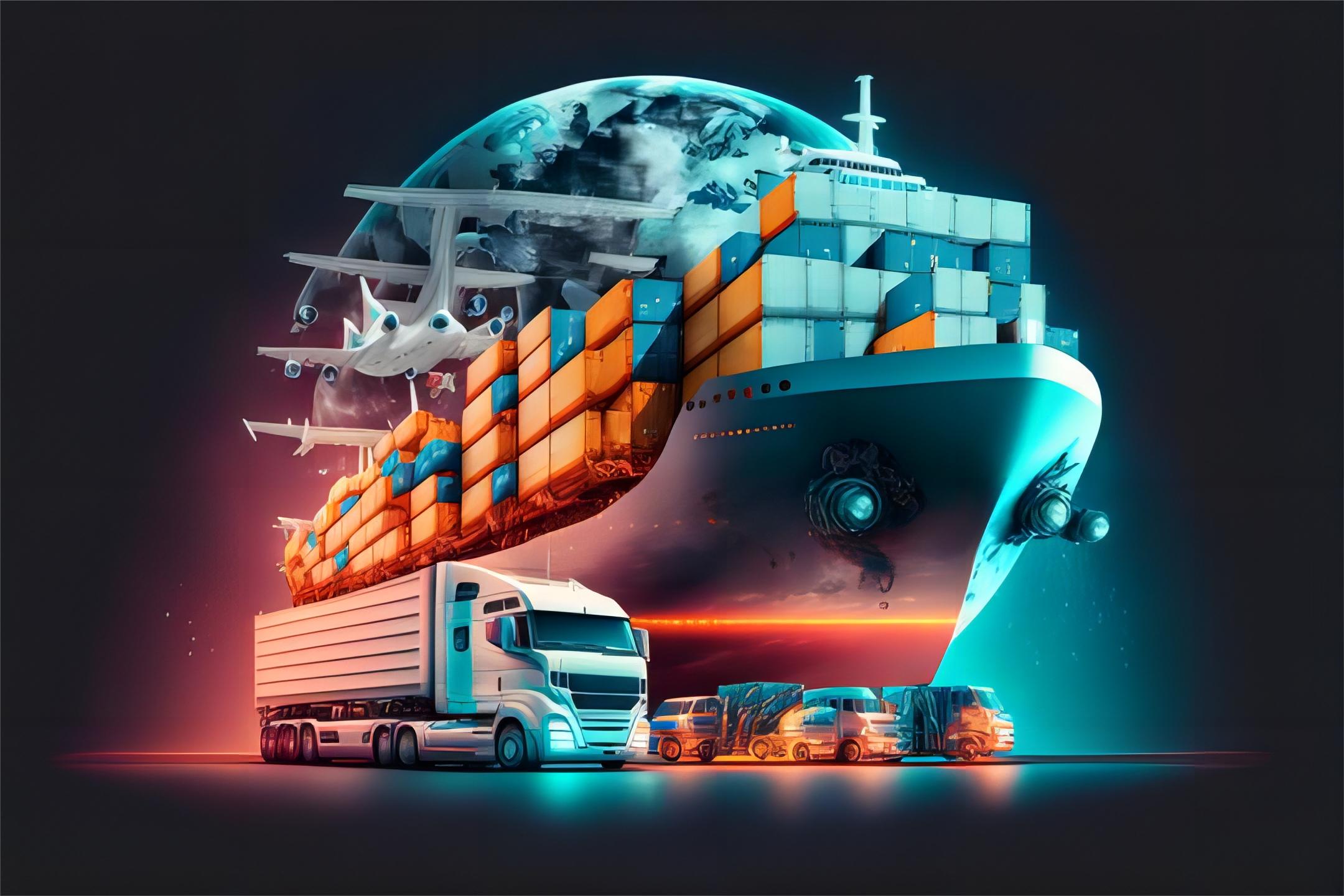
Professional Sea Freight from China to UK: A Complete Logistics Guide
Reliable shipping is the backbone of successful international trade between global manufacturing hubs and British markets. For businesses seeking the most cost-effective way to transport large volumes, Top China Freight provides expert logistics solutions. Utilizing professional sea freight from China to UK allows companies to manage high-capacity shipments while maintaining a healthy bottom line through strategic planning.

Why Choose Professional Sea Freight from China to UK?
Ocean transport remains the most popular choice for importers due to its unmatched capacity and affordability. When you choose professional sea freight from China to UK, you benefit from the ability to move massive quantities of goods that would be prohibitively expensive by air. Furthermore, the maritime industry has developed highly efficient routes that connect major Chinese ports directly to British shores.
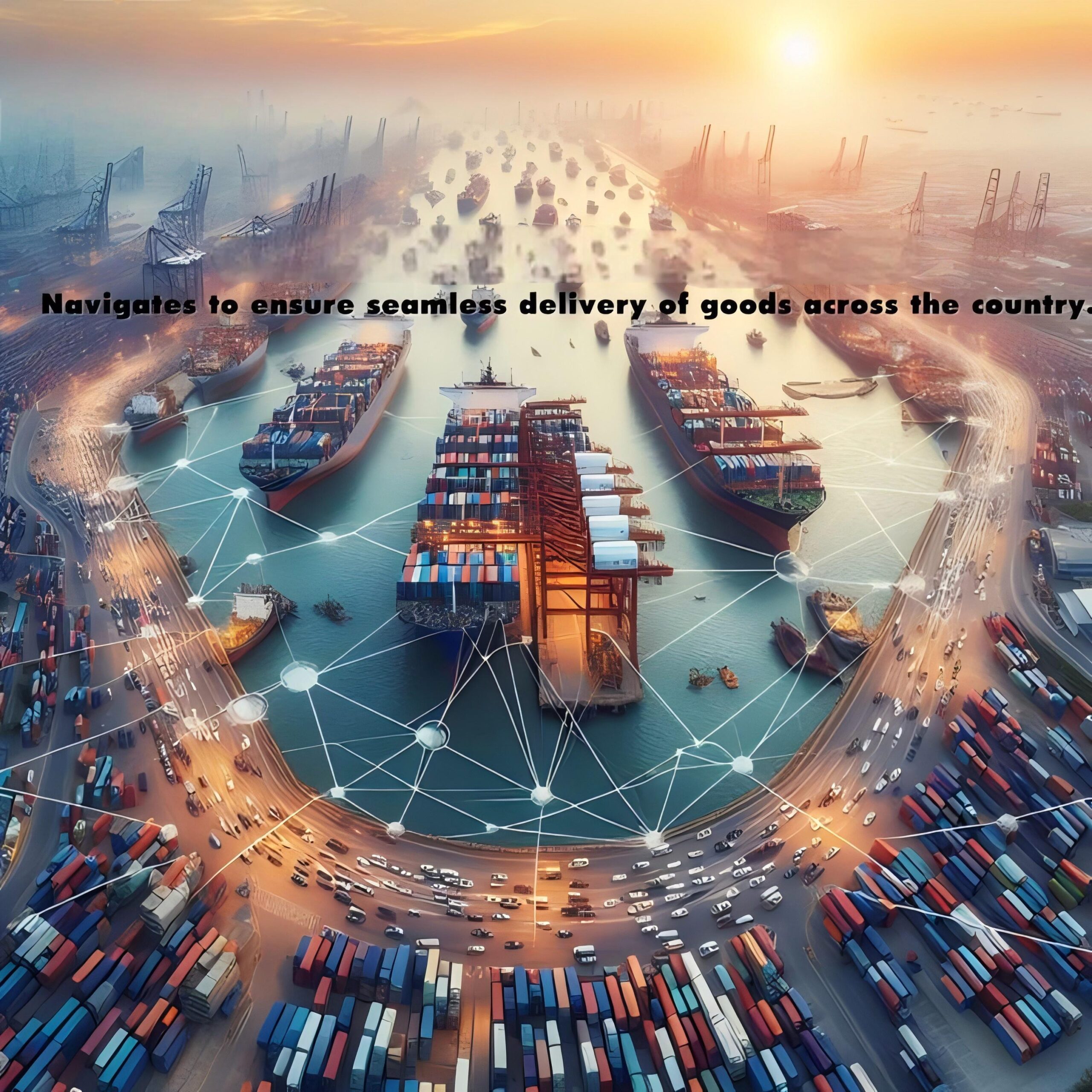
Cost efficiency is undoubtedly the primary driver for choosing this method over others. Consequently, businesses can allocate more resources to product development and marketing by saving on logistics overhead. Additionally, modern vessels are increasingly designed to be more fuel-efficient, which helps in reducing the overall carbon footprint of your supply chain operations.
Stability in shipping schedules is another significant advantage for long-term planning. While sea transit takes longer, the predictability of weekly departures from ports like Shanghai or Shenzhen allows for precise inventory management. Therefore, professional sea freight from China to UK remains the gold standard for sustainable business growth in the import sector.
Understanding FCL vs LCL Shipping Options
Selecting the right container load type is crucial for optimizing your shipping budget. For larger shipments, Full Container Load (FCL) offers a dedicated space for your goods, ensuring they are not mixed with other cargo. In contrast, Less than Container Load (LCL) is ideal for smaller volumes where you only pay for the space you use within a shared container.
Choosing sea freight in an FCL format typically results in faster handling at the port. Since the container does not need to be deconsolidated, it can be loaded directly onto a truck for final delivery. However, LCL is a fantastic alternative for startups or businesses testing new product lines without committing to a full 20ft or 40ft container.
Moreover, the safety of your cargo is a top priority regardless of the method chosen. FCL provides an extra layer of security as the container is sealed at the point of origin and only opened at the destination. Nevertheless, professional packing and consolidation services make LCL a reliable and secure option for many UK-based importers.
| Feature | FCL (Full Container) | LCL (Shared Container) | Best For |
|---|---|---|---|
| Volume | 15+ CBM | 1 to 15 CBM | Cost Efficiency |
| Security | High (Exclusive) | Moderate (Shared) | Cargo Safety |
| Transit Speed | Faster Handling | Extra 3-5 Days | Time Sensitivity |
| Cost Structure | Flat rate per box | Per cubic meter | Budget Control |
How Does Sea Freight Compare to Other Shipping Options?
Evaluating different transport modes is essential for meeting specific delivery deadlines. While professional sea freight from China to UK is the most economical, air freight is the go-to solution for urgent or high-value items. For instance, electronics or seasonal fashion items often require the speed that only air transport can provide.
Another emerging alternative is rail freight, which offers a middle ground between sea and air. Rail transport via the Silk Road route can deliver goods to the UK faster than ships but at a lower cost than planes. Nevertheless, the capacity for rail is much more limited compared to the massive cargo ships operating on the ocean.
Without a doubt, each method has its unique place in a diversified logistics strategy. For most bulk commodities and consumer goods, the ocean route remains the most viable long-term solution. In addition, sea freight is less susceptible to the weight-based pricing models that make air transport so expensive for heavy machinery.
| Shipping Method | Cost Range | Transit Time | Best For |
|---|---|---|---|
| Sea Freight | $2,000 – $4,500 | 30 – 40 Days | Bulk & Heavy Goods |
| Air Freight | $5,000 – $15,000 | 5 – 9 Days | Urgent Shipments |
| Rail Freight | $3,500 – $6,000 | 18 – 25 Days | Mid-sized Cargo |
Key Factors Influencing Shipping Costs and Transit Times
Several variables impact the final price you pay for professional sea freight from China to UK. Fuel surcharges, known as the Bunker Adjustment Factor (BAF), fluctuate based on global oil prices. Additionally, seasonal demand spikes during the Golden Week in China or the pre-Christmas rush in the UK can lead to higher freight rates.
Port congestion is another factor that can unexpectedly extend transit times. For example, delays at major hubs like Singapore or the Suez Canal can ripple through the entire schedule. Consequently, it is wise to factor in a buffer of at least one week when planning your inventory arrivals to avoid stockouts.
Market data as of early 2025 suggests that rates have stabilized compared to previous years. However, geopolitical events and changes in carrier alliances can still cause sudden shifts in capacity. Therefore, staying informed about logistics trends is vital for any professional importer looking to maintain competitive pricing.
Essential Documentation for UK Customs Clearance
Navigating the legal requirements of international trade requires meticulous attention to detail. Utilizing a professional customs brokerage service can significantly simplify this process. They ensure that all paperwork, such as the Bill of Lading and Commercial Invoice, complies with both Chinese export and UK import laws.
The Packing List is another critical document that must accurately describe the contents of your container. Without a doubt, discrepancies in this document can lead to physical inspections by UK Border Force, causing delays and extra costs. Furthermore, you must ensure you have a valid EORI number to import goods into the United Kingdom commercially.
Indeed, understanding the specific commodity codes for your products is essential for calculating VAT and customs duties. Incorrect classification can result in overpaying taxes or facing heavy fines from HMRC. Accordingly, working with experts in professional sea freight from China to UK ensures that your documentation is flawless from the start.
Which Option Should You Choose? Decision Framework
Determining the best shipping strategy depends on your specific business priorities. If your primary goal is budget optimization, FCL sea freight is usually the winner for volumes exceeding 15 cubic meters. On the other hand, if you are shipping small batches of high-margin items, the speed of air freight might justify the higher expense.
Hybrid solutions are also becoming popular for complex supply chains. For example, some businesses use a combination of sea-air logistics to balance cost and speed. This involves shipping goods by sea to a hub like Dubai and then flying them the rest of the way to the UK.
In contrast, for heavy industrial equipment, there is often no alternative to the high-weight capacity of ocean vessels. Always consider the total landed cost, which includes duties, insurance, and local delivery, rather than just the port-to-port rate. Consequently, a holistic view of your logistics will lead to better decision-making.
Real Case Studies: Professional Sea Freight from China to UK
Case Study 1: Electronics from Shenzhen to Felixstowe. A UK retailer imported 4000 units of home audio equipment using a 40HQ container. The shipment originated in Shenzhen and arrived at the Port of Felixstowe in 33 days. The total ocean freight cost was approximately $3,850, providing a low per-unit shipping cost that allowed for a competitive retail price.
Case Study 2: Furniture from Ningbo to Southampton. A boutique furniture store utilized LCL services for 8 CBM of handcrafted wooden tables. By sharing container space, the client paid $640 for the ocean leg, making the import viable for a small business. Despite a slightly longer transit time of 38 days due to deconsolidation, the cost savings were substantial.
Case Study 3: Industrial Parts from Shanghai to London Gateway. A manufacturing firm required 20GP container for heavy steel components. The professional sea freight from China to UK was managed with direct routing to minimize handling. The total door-to-door transit took 35 days, with the sea freight portion costing $2,400 during a mid-season period in late 2024.
Navigating Major Ports in China and the UK
The efficiency of your shipment often depends on the specific ports used for loading and discharge. Shanghai and Ningbo-Zhoushan are among the busiest ports in the world, offering frequent departures and competitive rates. Meanwhile, Shenzhen serves as a primary gateway for the electronics and manufacturing hubs in Southern China.
Once the vessel reaches British waters, it will likely dock at Felixstowe, Southampton, or London Gateway. Felixstowe handles nearly half of the UK’s container trade, making it a central hub for professional sea freight from China to UK. However, choosing a port closer to your final warehouse can reduce inland haulage costs significantly.
Additionally, door to door services can manage the entire journey from the factory floor in China to your UK doorstep. This integrated approach removes the complexity of coordinating multiple carriers and local truckers. Indeed, a seamless transition between sea transit and road transport is the hallmark of a professional logistics partner.
Final Thoughts on Ocean Logistics
Mastering the complexities of professional sea freight from China to UK is a vital skill for any modern importer. By choosing the right container type, understanding customs requirements, and selecting the best ports, you can significantly enhance your operational efficiency. Furthermore, staying adaptable to market trends and seasonal shifts will ensure your business remains resilient.
In addition, partnering with an experienced freight forwarder provides the peace of mind needed to focus on your core business activities. Whether you are shipping FCL or LCL, the ocean route offers the most sustainable and cost-effective path for your goods. Start optimizing your professional sea freight from China to UK today to secure a competitive advantage in the British marketplace.
Ready to streamline your logistics?
Streamline your supply chain today with professional sea freight from China to UK. Contact Top China Freight for a customized quote and expert guidance on your next shipment. Send Inquiry to get started.
Request Quote