

Trusted Sea Freight from China to Australia: The 2025 Guide
Navigating the complexities of international trade requires a partner who provides trusted sea freight from China to Australia to ensure your supply chain remains resilient. Finding a reliable logistics provider like Top China Freight allows businesses to focus on growth while experts handle the heavy lifting of ocean transport. Choosing the right shipping method can significantly impact your bottom line and delivery timelines in the competitive Australian market.
Why Opt for Trusted Sea Freight from China to Australia?
Selecting ocean transport remains the most cost-effective solution for moving large volumes of goods across the Pacific. Reliability in maritime logistics has improved significantly as carriers optimize their routes between major Chinese hubs and Australian ports. Furthermore, sea freight offers the capacity needed for oversized machinery, bulk raw materials, and high-volume consumer goods that other methods cannot accommodate.
Consequently, businesses that prioritize budget management often find that ocean transport provides the best return on investment. Modern tracking technologies now allow importers to monitor their containers in real-time, providing transparency throughout the journey. Additionally, the environmental footprint of sea transport is considerably lower per ton-kilometer compared to air transport, aligning with corporate sustainability goals.
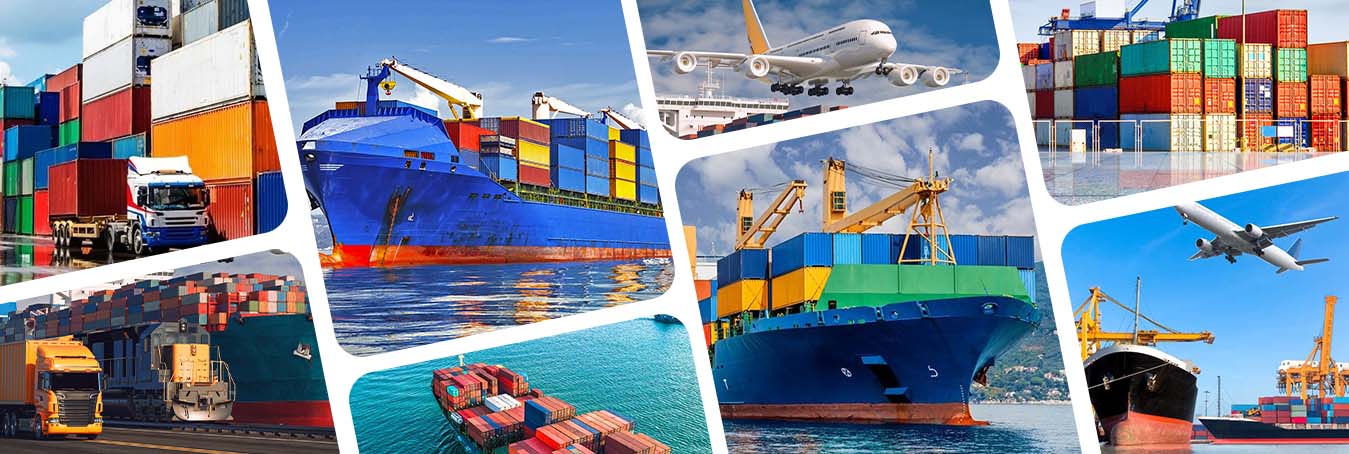
How Does Sea Freight Compare to Other Shipping Options?
Comparing different logistics methods is essential for determining the most efficient strategy for your specific cargo. While sea freight offers the lowest cost per unit, it requires longer lead times that may not suit urgent inventory needs. Therefore, importers must balance the trade-off between speed and expense when planning their seasonal stock levels.
In contrast, Air Freight provides rapid delivery but at a significantly higher price point, often five to ten times more expensive than ocean options. Express services are ideal for small parcels or samples, yet they become cost-prohibitive for shipments exceeding a few hundred kilograms. Additionally, hybrid solutions like sea-air combinations can sometimes bridge the gap between cost and speed for specific routes.
Specifically, for the China to Australia route, rail freight is not a viable option due to geographical constraints. This makes the choice between sea and air even more critical for Australian businesses. Most successful importers utilize a mix of both methods, using sea for bulk inventory and air for urgent restocks or high-value items.
| Shipping Method | Cost Range | Transit Time | Best For |
|---|---|---|---|
| Sea Freight | Low ($) | 12-25 Days | Bulk & Large Goods |
| Air Freight | High ($$$) | 3-7 Days | Urgent & High Value |
| Express | Highest ($$$$) | 2-5 Days | Samples & Documents |
| Sea-Air Hybrid | Medium ($$) | 10-14 Days | Balanced Priority |
Understanding FCL vs. LCL: Which is Right for You?
Understanding the difference between Full Container Load (FCL) and Less than Container Load (LCL) is vital for cost optimization. FCL involves renting an entire 20-foot or 40-foot container for your exclusive use, which often results in faster transit times. Specifically, FCL shipments avoid the consolidation and deconsolidation steps required for mixed cargo, reducing the risk of handling damage.
Moreover, LCL allows smaller businesses to share container space with other shippers, paying only for the volume they occupy. This flexibility is perfect for startups or companies testing new products without committing to large inventory volumes. Accordingly, the choice depends on your cargo volume, with 15 cubic meters typically being the tipping point where FCL becomes more economical than LCL.
Indeed, managing these choices requires a deep understanding of container dimensions and weight limits. Shippers must also consider that LCL rates are often calculated per cubic meter, whereas FCL rates are flat fees per container. Consequently, careful volume calculation can save thousands of dollars over a single shipping season.
Factors Influencing Trusted Sea Freight from China to Australia Costs
Calculating the total landed cost of your goods involves more than just the base ocean freight rate. Typically, fuel surcharges, known as Bunker Adjustment Factors (BAF), fluctuate monthly based on global oil prices. As a result, quotes provided early in the quarter may change by the time the vessel actually departs the port.
Additionally, seasonal demand plays a massive role in pricing, with the pre-Christmas period and Chinese New Year seeing significant rate spikes. Notably, port congestion in major hubs like Shanghai or Shenzhen can lead to surcharges and unexpected delays. Furthermore, currency exchange rate fluctuations between the USD, CNY, and AUD can impact the final invoice amount for international logistics services.
Importers should also account for local charges at both the origin and destination ports. These include terminal handling charges, documentation fees, and wharfage costs that are often overlooked in initial budget estimates. Professional Customs Brokerage services can help navigate these fees while ensuring compliance with Australian Border Force regulations.
| Container Type | Shanghai to Sydney | Shenzhen to Melbourne | Ningbo to Brisbane |
|---|---|---|---|
| 20GP (Standard) | $850 – $1,100 | $800 – $1,050 | $900 – $1,150 |
| 40GP (Standard) | $1,300 – $1,700 | $1,250 – $1,650 | $1,400 – $1,800 |
| 40HQ (High Cube) | $1,500 – $1,900 | $1,450 – $1,850 | $1,600 – $2,000 |
| LCL (per CBM) | $40 – $70 | $35 – $65 | $45 – $75 |
Transit Times and Major Port Routes
Mapping out the transit time is crucial for maintaining an efficient inventory cycle and meeting customer expectations. Generally, direct sailings from South China ports like Shenzhen or Guangzhou to Sydney take between 12 and 15 days. Similarly, shipments from North China ports such as Qingdao or Tianjin may take 18 to 22 days due to the longer distance and potential stopovers.
For instance, vessels departing from Shanghai often call at several ports along the Chinese coast before heading south toward Australia. Consequently, the total time from booking to delivery includes not just sea transit, but also land transport and port processing. Furthermore, weather events like typhoons in the South China Sea can occasionally cause temporary disruptions to even the most reliable schedules.
Australian importers must also consider the time required for Door to Door delivery after the ship arrives. Once the vessel berths, it typically takes 2 to 4 days for container discharge and customs clearance before the goods are ready for final trucking. Planning for a 25-to-30-day window from the factory floor to your Australian warehouse is a safe and realistic strategy.
Essential Documentation for Australian Customs
Managing the paperwork correctly is the most effective way to avoid costly delays and penalties at the Australian border. Accordingly, every shipment must be accompanied by a commercial invoice, a detailed packing list, and a Bill of Lading. Indeed, these documents provide the basis for duty and tax assessments performed by customs officials.
Specifically, the China-Australia Free Trade Agreement (ChAFTA) allows for reduced or zero tariffs on many goods, provided you have a valid Certificate of Origin. Moreover, certain items like timber or organic materials require specific treatment certificates to satisfy biosecurity requirements. Failing to provide these can lead to the cargo being held, treated at the importer’s expense, or even destroyed.
Importers should also ensure that all wood packaging materials meet the ISPM 15 international standards for heat treatment or fumigation. For instance, pallets used in shipping must be clearly stamped with the appropriate certification mark. By working with experts familiar with Australia regulations, you can ensure that your documentation is flawless before the vessel even arrives.
| Document Name | Purpose | Required For | Issuer |
|---|---|---|---|
| Bill of Lading | Title of Goods | All Shipments | Carrier |
| Commercial Invoice | Value Declaration | All Shipments | Supplier |
| Packing List | Cargo Details | All Shipments | Supplier |
| ChAFTA Certificate | Duty Reduction | Eligible Goods | Authorized Body |
Real-World Case Studies: Successful Shipments to Australia
Reviewing actual shipping scenarios provides valuable insights into the practicalities of international logistics and cost management. Case studies highlight how different businesses navigate challenges such as peak season surcharges and strict biosecurity inspections. Similarly, these examples demonstrate the importance of selecting the right container type for specific product categories.
Moreover, analyzing these outcomes helps new importers set realistic expectations for their own logistics operations. Consequently, these documented experiences serve as a roadmap for achieving efficient and cost-effective results. Ultimately, every successful shipment reinforces the value of working with a professional logistics partner.
Case Study 1: FCL Electronics Shipment
Box Case Study 1: Electronics Distribution Success Route: Shenzhen, China to Sydney, Australia Cargo: Consumer Electronics, 65 CBM, 12,000 kg Container: 40HQ Full Container Load Shipping Details: – Carrier/Service: Major Direct Carrier – Port of Loading: Shenzhen (Yantian) – Port of Discharge: Sydney (Port Botany) – Route Type: Direct Cost Breakdown: – Ocean Freight: $1,650 – Origin Charges: $320 – Destination Charges: $450 – Customs and Duties: $2,100 (Estimated) – Total Landed Cost: $4,520 Timeline: – Booking to Loading: 4 days – Sea Transit: 14 days – Customs Clearance: 2 days – Total Door-to-Door: 22 days Key Insight: Using a direct route from Shenzhen minimized handling risks for fragile electronics and ensured a predictable delivery window for the Q3 retail launch.
Case Study 2: LCL Furniture Import
Box Case Study 2: Boutique Furniture LCL Route: Ningbo, China to Melbourne, Australia Cargo: Handcrafted Wooden Furniture, 6 CBM, 1,500 kg Container: LCL Shared Container Shipping Details: – Carrier/Service: Consolidation Service – Port of Loading: Ningbo-Zhoushan – Port of Discharge: Melbourne (Port of Melbourne) – Route Type: Transshipment via Singapore Cost Breakdown: – Ocean Freight: $420 – Origin Charges: $150 – Destination Charges: $280 – Customs and Duties: $850 (Estimated) – Total Landed Cost: $1,700 Timeline: – Booking to Loading: 6 days – Sea Transit: 24 days – Customs Clearance: 3 days – Total Door-to-Door: 38 days Key Insight: While transshipment through Singapore added 7 days to the transit time, it allowed the small business to maintain profitability on low-volume stock.
Which Shipping Option Should You Choose?
Selecting the ideal method requires a clear understanding of your business priorities and cargo characteristics. If your primary goal is budget conservation and you have a flexible timeline, sea freight is the undisputed winner for almost any cargo size. Regardless of the current market volatility, ocean transport remains the backbone of the China-Australia trade corridor.
When speed is the absolute priority, such as during a stock-out or for high-demand seasonal items, air freight becomes a necessary expense. Therefore, many experienced importers maintain a 90/10 split, where 90 percent of goods move by sea and 10 percent move by air for emergencies. This balanced approach ensures cost efficiency while protecting against supply chain disruptions.
Volume thresholds also dictate the most sensible choice between FCL and LCL services for your business. For shipments under 10 cubic meters, LCL is typically the most cost-effective way to move goods without paying for empty container space. Conversely, once your volume exceeds 14-15 cubic meters, the security and speed of an FCL 20GP container usually outweigh the marginal cost difference.
Final Thoughts on Reliable Ocean Logistics
Securing trusted sea freight from China to Australia is a cornerstone of successful international trade for businesses of all sizes. By understanding the nuances of FCL and LCL, managing documentation carefully, and choosing the right port routes, you can significantly optimize your supply chain. Furthermore, staying informed about market trends and seasonal shifts allows for better budget planning and inventory management.
Ultimately, the key to a smooth shipping experience lies in partnering with a logistics provider that understands the unique requirements of the Australian market. Whether you are importing consumer goods, industrial machinery, or raw materials, the right strategy will save you time and money. Start planning your next shipment today to take advantage of the most competitive rates in the industry.
Ready to streamline your logistics?
Ready to secure trusted sea freight from China to Australia for your next shipment? Contact Top China Freight today for a customized quote and expert logistics advice. Visit our website to learn more about our comprehensive shipping solutions. Send Inquiry: https://Top China Freight.com/contact-us/
Request Quote