

Fast Sea Freight from China to France: Optimize Your Supply Chain
Finding the most efficient fast sea freight from China to France is essential for businesses looking to balance budget and delivery speed. Navigating the complex world of international logistics requires a reliable partner like Top China Freight to ensure your goods arrive safely. This guide explores the best routes, costs, and strategies to streamline your shipping process from major Chinese ports to French destinations.
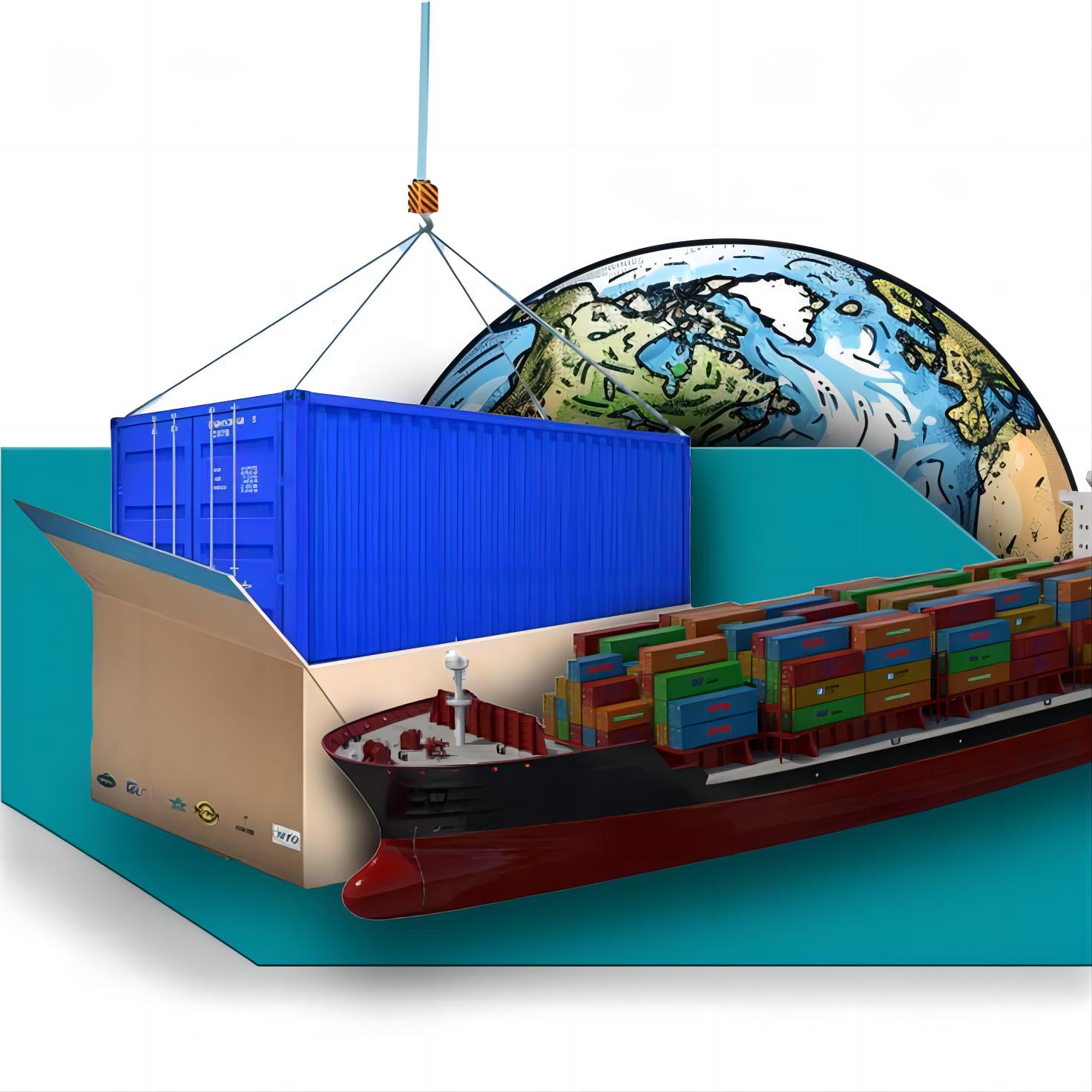
What Defines Fast Sea Freight from China to France?
Fast sea freight from China to France typically refers to premium ocean services that prioritize shorter transit times and faster port handling. Consequently, these services utilize direct routes and faster vessels to minimize the time your cargo spends at sea.

Furthermore, choosing a specialized sea freight service ensures that your containers are prioritized during loading and unloading at the port. This approach significantly reduces the risk of delays often associated with standard maritime transport.
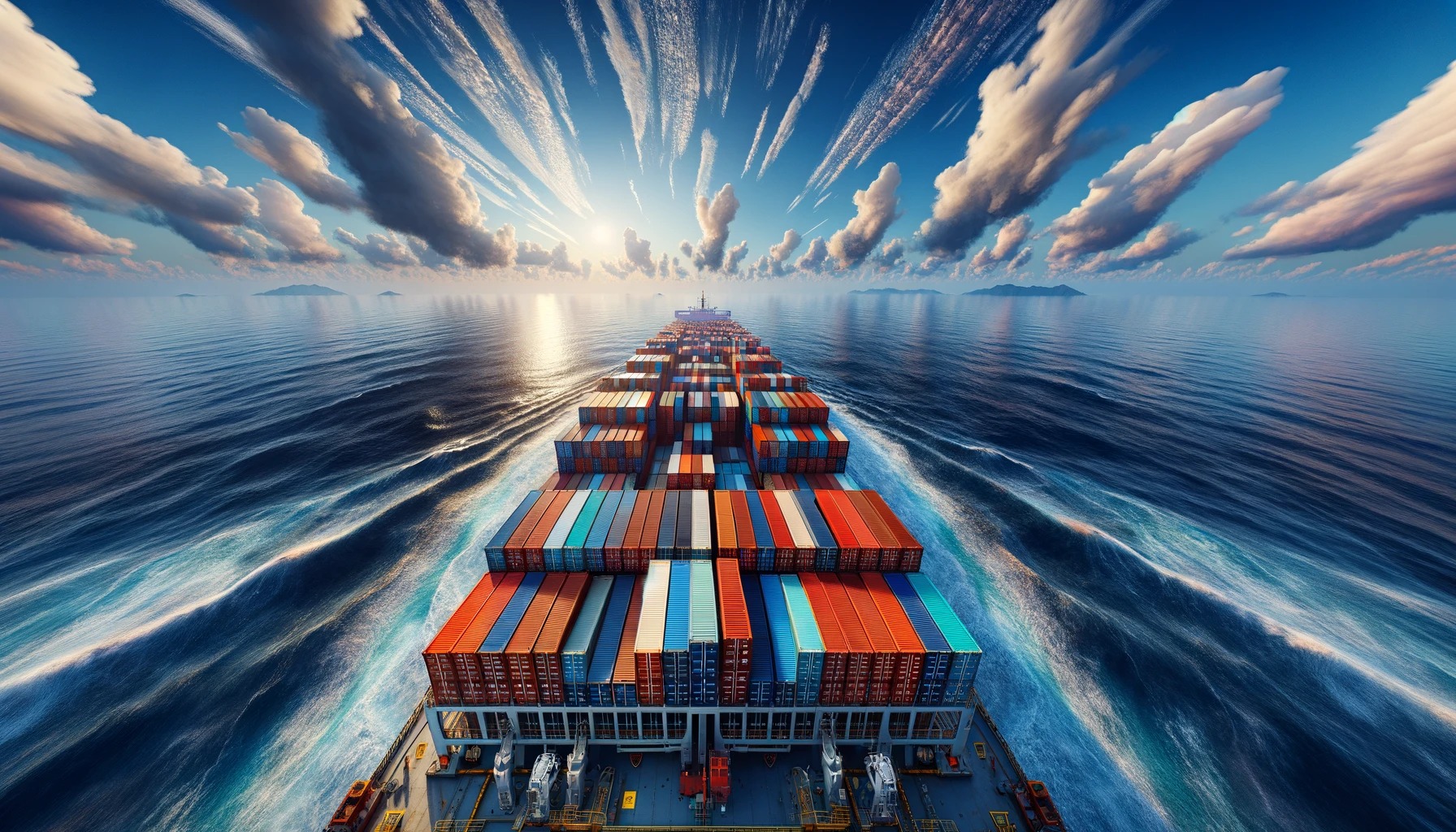
Moreover, businesses often select sea freight because it offers a perfect middle ground between expensive air transport and slower traditional shipping. Indeed, the cost-effectiveness of ocean transit remains unmatched for large volumes of goods.
Additionally, modern logistics providers implement advanced tracking systems to provide real-time updates on your shipment status. Therefore, you can manage your inventory more effectively while your goods are in transit across the ocean.
How Does Fast Sea Freight Compare to Other Shipping Options?
Evaluating different transport modes is crucial for determining the best fit for your specific business needs and timeline. For instance, while ocean transport is economical, other methods might be necessary for urgent deliveries or smaller parcels.
However, sea freight remains the dominant choice for bulk commodities and heavy machinery due to its high capacity and lower carbon footprint. In contrast, rail and air options serve niche requirements for speed and specific geographic accessibility.
Accordingly, we have provided a detailed comparison below to help you understand the trade-offs between various shipping strategies for the China to France route.
Without a doubt, understanding these differences allows you to make an informed decision that aligns with your financial goals and customer expectations.
| Shipping Method | Cost Range | Transit Time | Best For |
|---|---|---|---|
| Sea Freight (FCL) | $2,500 – $4,200 | 30-40 Days | Large volumes and bulk cargo |
| Sea Freight (LCL) | $80 – $150/CBM | 35-45 Days | Small shipments under 15 CBM |
| Rail Freight | $4,000 – $6,500 | 18-22 Days | Mid-range budget and speed |
| Air Freight | $5.00 – $9.00/kg | 5-8 Days | High-value or urgent goods |
Which Option Should You Choose for Your Cargo?
Budget priority dictates that you should almost always choose ocean transport for shipments originating in China and heading to Europe. This method provides the lowest cost per unit for high-volume orders.
Speed priority suggests that if your deadline is under three weeks, you must consider air or rail alternatives despite the higher price tag. Nevertheless, fast sea freight remains a viable option if you plan your supply chain cycles with a 35-day lead time.
Cargo type considerations are also vital because hazardous materials or oversized items often have limited options for air transport. Consequently, maritime shipping becomes the default and safest choice for these specific categories of goods.
Volume thresholds play a major role in your decision; for example, shipments exceeding 15 cubic meters are usually more economical when booked as a Full Container Load (FCL).
Strategic Route Planning for Fast Sea Freight from China to France
Major ports in China such as Shanghai, Ningbo, and Shenzhen offer the most frequent departures for vessels heading to French shores. Selecting the right port of loading can save several days in the overall transit schedule.
Meanwhile, the primary French ports of discharge include Le Havre and Marseille, which serve as major gateways for the entire country. Indeed, choosing the port closest to your final destination reduces inland haulage costs and time.
Furthermore, utilizing air freight for small components while shipping the main bulk by sea can create a balanced hybrid logistics strategy. This ensures your production line stays active while waiting for the main shipment.
Therefore, collaborating with an experienced freight forwarder helps you identify the quickest direct routes that bypass congested transshipment hubs.
Real-World Case Studies for China to France Shipping
Examining actual shipping scenarios provides valuable insight into the costs and timelines you can expect for your own cargo. These cases reflect typical market conditions and logistical challenges encountered during the transport process.
Moreover, these examples highlight the importance of proper planning and the impact of choosing different container types for various product categories.
As a result, you can use these benchmarks to estimate your landed costs and set realistic expectations for your customers in France.
Below are two detailed case studies based on actual shipments handled during the 2024-2025 period.
Case Study 1: Electronics from Shenzhen to Marseille
+———————————————————+
| Route: Shenzhen, China to Marseille, France |
| Cargo: Consumer Electronics, 28 CBM, 12,000 kg |
| Container: 40GP Full Container Load |
| |
| Shipping Details: |
| – Carrier: Major Ocean Carrier |
| – Port of Loading: Yantian (Shenzhen) |
| – Port of Discharge: Marseille Fos |
| – Route Type: Direct Service |
| |
| Cost Breakdown: |
| – Ocean Freight: $3,200 |
| – Origin Charges: $450 |
| – Destination Charges: $600 |
| – Customs and Duties: $1,200 |
| – Total Landed Cost: $5,450 |
| |
| Timeline: |
| – Booking to Loading: 4 days |
| – Sea Transit: 32 days |
| – Customs Clearance: 2 days |
| – Total Door-to-Door: 38 days |
| |
| Key Insight: Direct sailing to Marseille saved 5 days. |
+———————————————————+
Case Study 2: Textiles from Ningbo to Le Havre
+———————————————————+
| Route: Ningbo, China to Le Havre, France |
| Cargo: Apparel and Textiles, 12 CBM, 4,500 kg |
| Container: LCL (Less than Container Load) |
| |
| Shipping Details: |
| – Carrier: Consolidation Service |
| – Port of Loading: Ningbo-Zhoushan |
| – Port of Discharge: Le Havre |
| – Route Type: Transshipment via Singapore |
| |
| Cost Breakdown: |
| – Ocean Freight: $1,080 ($90/CBM) |
| – Origin Charges: $250 |
| – Destination Charges: $400 |
| – Customs and Duties: $850 |
| – Total Landed Cost: $2,580 |
| |
| Timeline: |
| – Booking to Loading: 6 days |
| – Sea Transit: 38 days |
| – Customs Clearance: 3 days |
| – Total Door-to-Door: 47 days |
| |
| Key Insight: LCL was 40% cheaper than FCL for this size.|
+———————————————————+
Essential Documentation for Customs Brokerage
Successful fast sea freight from China to France relies heavily on accurate and timely documentation. For instance, missing or incorrect paperwork can lead to expensive delays at the port and potential fines from authorities.
Consequently, working with an expert in customs brokerage ensures that all legal requirements are met before the vessel arrives. This proactive approach facilitates a smoother transition through French customs.
Moreover, you must prepare a commercial invoice, a detailed packing list, and a bill of lading as the primary documents. Additionally, certain products may require certificates of origin or specific safety compliance forms.
In addition, ensuring that your EORI number is active and correctly cited on all forms is a critical step for any business importing into the European Union.
| Document Name | Purpose | Required By | Importance |
|---|---|---|---|
| Bill of Lading | Title of goods | Carrier/Customs | Critical |
| Commercial Invoice | Value declaration | Customs | Critical |
| Packing List | Cargo details | Port/Customs | High |
| Certificate of Origin | Trade agreements | Customs | Medium |
Factors Affecting Fast Sea Freight from China to France Costs
Freight rates are highly volatile and fluctuate based on seasonal demand, fuel costs, and global economic trends. For example, during the peak season from August to October, prices often rise by 20% or more.
Furthermore, the choice between FCL and LCL significantly impacts your total expenditure and shipping speed. While FCL is faster and safer for large loads, LCL allows smaller businesses to share container space and reduce costs.
Indeed, current market data suggests that rates have stabilized in early 2025 compared to the volatility seen in previous years. However, shippers should always obtain a real-time quote to account for the latest surcharges.
Note: Freight rates are subject to change based on fuel costs, carrier capacity, and seasonal demand. Contact us for a current quote tailored to your specific shipment.
Why Choose Top China Freight for Your Logistics Needs?
Selecting the right partner for door to door shipping ensures that every aspect of the journey is managed professionally. We specialize in coordinating complex logistics from the factory floor in China to your warehouse in France.
Moreover, our team provides comprehensive support for customs clearance and cargo insurance, giving you peace of mind throughout the transit process. Consequently, you can focus on growing your business while we handle the logistics.
Additionally, our established relationships with major ocean carriers allow us to secure competitive rates and priority space even during peak seasons. Therefore, we offer a more reliable service than many smaller forwarding companies.
Finally, our commitment to transparency means you will always receive clear communication regarding transit times and any potential challenges that may arise.
Mastering Your Shipping Strategy
In conclusion, achieving fast sea freight from China to France requires a combination of strategic route planning, accurate documentation, and the right logistics partner. By understanding the differences between FCL and LCL, and knowing when to utilize alternative methods, you can optimize both cost and speed.
Furthermore, staying informed about market trends and seasonal variations will help you avoid unnecessary expenses and delays. Ultimately, a well-managed shipping process is a competitive advantage for any business operating in the international trade arena.
Without a doubt, focusing on efficiency and reliability will ensure that your goods reach their destination in France on time and within budget.
Ready to streamline your logistics?
Ready to streamline your supply chain with fast sea freight from China to France? Contact our expert team today for a personalized quote and professional logistics advice. Visit our website to learn more about our comprehensive shipping solutions. Send Inquiry: Visit https://Top China Freight.com/
Request Quote