


Reliable Sea Freight from China to Spain: The Ultimate 2025 Guide
Finding reliable sea freight from China to Spain is the cornerstone of a successful international trade business. Partnering with Top China Freight ensures that your goods arrive safely and on schedule. Consequently, you can focus on growing your market presence while we handle the complex logistics of your supply chain.

Why Choose Reliable Sea Freight from China to Spain?
Sea freight remains the most cost-effective solution for large-scale imports moving across continents. Moreover, it offers the highest capacity for bulky items or heavy machinery that other methods cannot handle. Businesses choose this method because it balances cost and reliability perfectly for long-term planning.
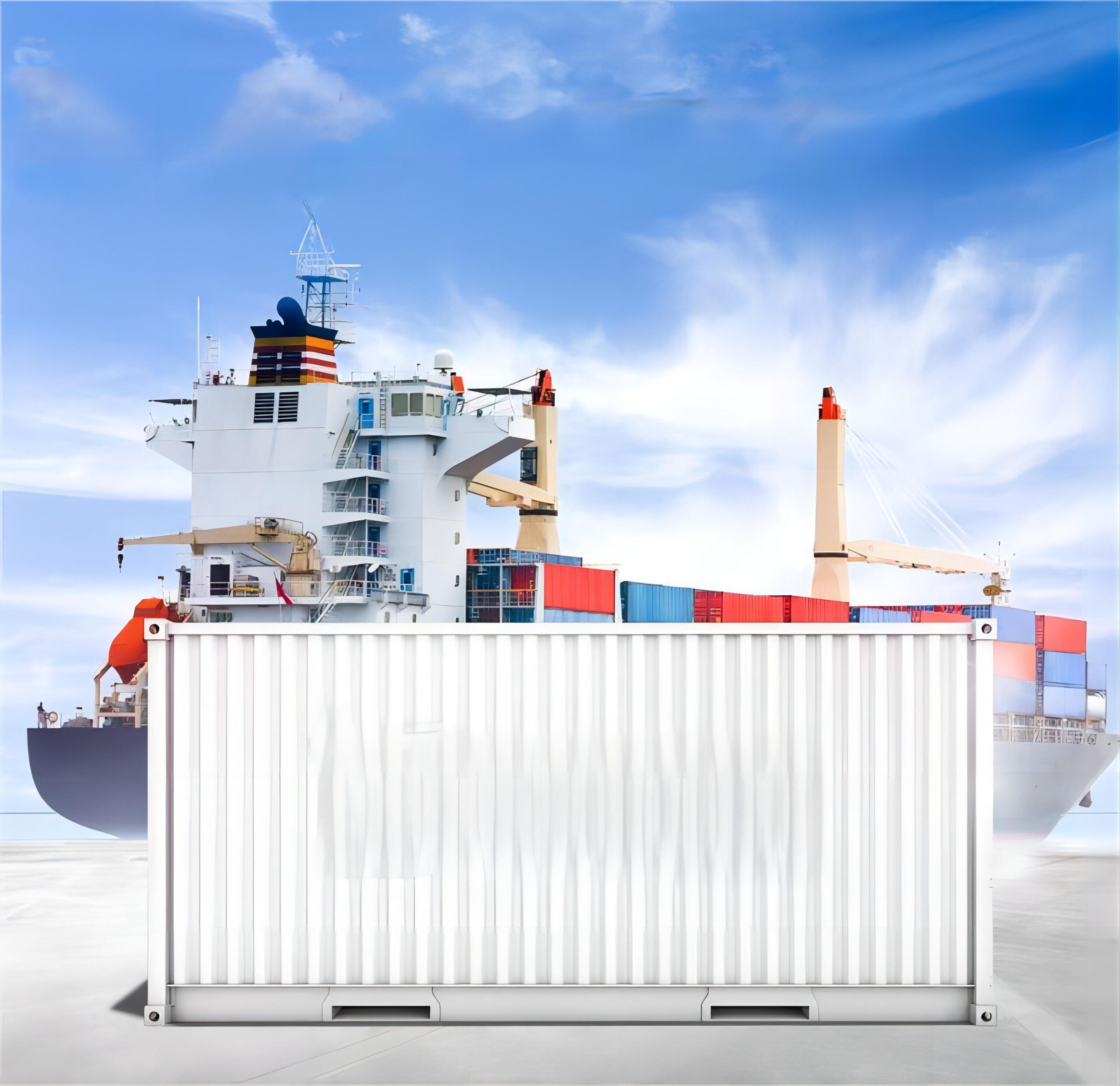
Additionally, ocean transport provides a lower carbon footprint per ton of cargo compared to air transport. This factor is increasingly important for companies aiming to meet sustainability goals in the European market. Therefore, choosing sea freight is both an economic and an environmental decision.

Reliability in shipping stems from established schedules and frequent departures from major Chinese hubs. Most carriers offer multiple sailings per week to ensure your inventory keeps moving. Indeed, the stability of maritime routes makes it the preferred choice for consistent supply chain management.
How Does Sea Freight Compare to Other Shipping Options?
Choosing the right transport mode depends heavily on your specific budget and delivery deadlines. While air freight offers unmatched speed, the costs can be prohibitive for low-margin goods. Consequently, many importers reserve air transport only for urgent samples or high-value electronics.
On the other hand, rail freight provides a middle ground for those shipping to inland Spanish destinations. It is faster than the sea but more affordable than the air. However, sea freight remains the dominant force for high-volume shipments due to its massive scale and lower per-unit cost.
| Shipping Method | Cost Range | Transit Time | Best For |
|---|---|---|---|
| Sea Freight | $2,800 – $4,500 per 40HQ | 30-45 Days | Bulk goods and large volumes |
| Air Freight | $5.50 – $9.00 per kg | 5-8 Days | Urgent or high-value items |
| Rail Freight | $150 – $250 per CBM | 18-24 Days | Mid-range speed and cost |
| Express Service | $8.00 – $12.00 per kg | 3-5 Days | Small parcels and documents |
Understanding Shipping Costs for Spain Routes
Ocean freight rates are subject to change based on fuel costs, carrier capacity, and seasonal demand. For instance, rates typically increase by 15 percent to 25 percent during the peak season from August to October. Importers should factor in these fluctuations when calculating their landed costs.
Beyond the base ocean freight, you must consider origin and destination charges. These include terminal handling charges, documentation fees, and local trucking costs. Furthermore, customs brokerage fees and import duties will impact your final budget.
Note: Freight rates are subject to change based on fuel costs, carrier capacity, and seasonal demand. Contact us for a current quote tailored to your specific shipment.
| Route | 20GP Container | 40GP Container | 40HQ Container |
|---|---|---|---|
| Shanghai to Barcelona | $1,900 – $2,600 | $2,900 – $3,900 | $3,100 – $4,300 |
| Shenzhen to Valencia | $1,850 – $2,500 | $2,850 – $3,850 | $3,050 – $4,200 |
| Ningbo to Algeciras | $2,000 – $2,700 | $3,000 – $4,100 | $3,200 – $4,400 |
Transit Times: How Long Does Ocean Freight Take?
Shipping from China to Spain usually involves a transit time of 30 to 45 days. This duration depends on the specific port of loading and the final destination port in Spain. For example, direct sailings to Algeciras are often faster than those requiring transshipment in Mediterranean hubs.
Weather conditions and port congestion can also influence the delivery schedule. During periods of high traffic, vessels might wait several days outside busy ports like Barcelona. Therefore, we recommend adding a buffer of one week to your planning to avoid stockouts.
Market data suggests that choosing a premium carrier can reduce transit times by 3 to 5 days. Although these services cost slightly more, the increased reliability often justifies the expense. In contrast, budget carriers may take longer routes with more intermediate stops.
FCL vs LCL: Which Method Fits Your Cargo?
Full Container Load (FCL) is ideal for shipments that can fill an entire 20-foot or 40-foot container. This method offers better security and faster handling since the container remains sealed from origin to destination. Additionally, FCL usually has a lower risk of damage compared to shared shipments.
Less than Container Load (LCL) is the preferred choice for smaller volumes that do not require a full container. In this scenario, your goods share space with other shippers’ cargo. While LCL is more flexible for small businesses, it requires more time for consolidation and deconsolidation at the ports.
For shipments exceeding 15 cubic meters, FCL is generally more economical than LCL. Conversely, for very small shipments, LCL provides a way to access sea freight rates without paying for empty space. Selecting the right method is vital for optimizing your logistics budget.
Essential Customs Documentation for Spain Imports
Navigating Spanish customs requires precise documentation to avoid delays and penalties. The commercial invoice must clearly state the value, description, and HS codes of all items. Furthermore, a detailed packing list is necessary for physical inspections by customs officials.
The Bill of Lading serves as the contract of carriage and the title to the goods. You must also provide a Certificate of Origin if you wish to claim preferential tariff rates. Without a doubt, missing or incorrect paperwork is the most common cause of shipping delays.
Spanish authorities are particularly strict regarding safety standards and CE marking for electronics. Ensure your suppliers in China provide all necessary compliance certificates before the vessel departs. In addition, consider hiring a professional broker to streamline the clearance process.
Major Ports in China and Spain
China boasts some of the world’s busiest ports, including Shanghai, Ningbo-Zhoushan, and Shenzhen. These hubs offer the most frequent sailings and competitive rates for European routes. Choosing a port close to your manufacturer can significantly reduce inland haulage costs.
Spain features several key gateways such as Barcelona, Valencia, and Algeciras. Valencia is often the primary choice for goods destined for Madrid and central Spain. Meanwhile, Barcelona serves as the main hub for the northeastern industrial regions and the Mediterranean corridor.
Bilbao is the critical port for northern Spain and trade with the Atlantic regions. Understanding the proximity of these ports to your warehouse will help you choose the most efficient route. Consequently, a well-planned port strategy can save both time and money.
Cost-Saving Strategies for Importers
Consolidating multiple small orders into a single FCL shipment can drastically reduce your per-unit costs. Moreover, booking your space at least two to three weeks in advance helps you secure better rates. Last-minute bookings often come with premium price tags and limited availability.
Optimizing your packaging to fit more items into a container is another effective strategy. Reducing wasted space means you are paying less for air and more for actual product. Furthermore, consider using FOB (Free On Board) terms to maintain better control over the ocean freight portion of the journey.
Regularly reviewing your shipping data allows you to identify patterns and negotiate better contracts with freight forwarders. Many businesses also find success by shifting some volume to off-peak periods. In summary, proactive management is the key to maintaining a lean and efficient supply chain.
Real Case Studies: Successful Shipments to Spain
Case Study 1: Solar Panels from Ningbo to Barcelona. A renewable energy firm needed to transport 10 containers of solar panels. By using FCL 40HQ containers and a direct route, they achieved a total door-to-door time of 38 days. The total landed cost was approximately $45,000, including duties.
Case Study 2: Textiles from Guangzhou to Madrid. A fashion retailer imported 8 CBM of clothing via LCL. The goods were shipped from Shenzhen to Valencia and then trucked to Madrid. Despite a minor customs delay, the shipment arrived in 42 days at a cost of $2,100.
Case Study 3: Machinery from Shanghai to Algeciras. A manufacturing plant imported heavy industrial equipment using a 20GP container. Because the machinery was oversized, specialized lashing was required. The shipment was successful, arriving in 35 days with a total logistics cost of $3,800.
Mastering Your Spain Shipping Strategy
Securing reliable sea freight from China to Spain requires a combination of careful planning and expert partnership. By understanding the nuances of FCL and LCL, you can make informed decisions that benefit your bottom line. Additionally, staying updated on market trends and customs requirements will prevent unnecessary setbacks.
Whether you are shipping electronics to Barcelona or textiles to Valencia, the right logistics strategy makes all the difference. Remember to focus on documentation accuracy and port selection to optimize your transit times. With these tools, your business is well-positioned to thrive in the competitive Spanish market.
Ready to streamline your logistics?
Ready to streamline your imports? Contact Top China Freight today for a customized quote on reliable sea freight from China to Spain. Visit our website to get started: https://Top China Freight.com/
Request Quote