

Fast Air Freight from China to Germany: Speed and Cost Guide
Importers often face the challenge of balancing speed and budget when moving goods across continents. Top China Freight provides reliable solutions for businesses needing fast air freight from China to Germany to maintain their inventory levels. This guide explores the intricacies of air logistics, transit times, and the most efficient ways to navigate international shipping to European markets.
How Does Fast Air Freight from China to Germany Work?
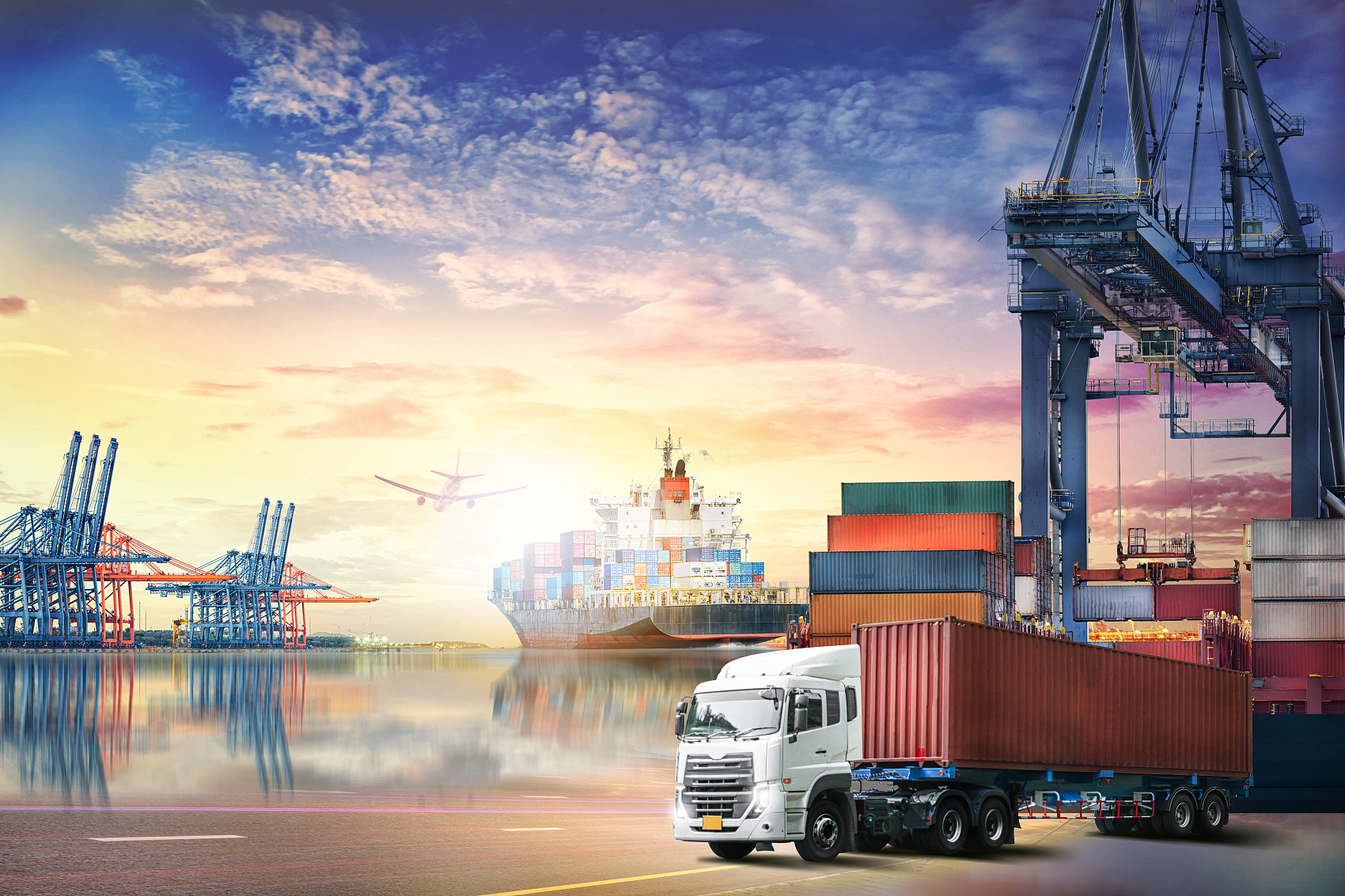
Modern global trade relies heavily on the efficiency of air logistics to bridge the gap between Asian manufacturing hubs and European consumers. Consequently, fast air freight from China to Germany has become the preferred choice for businesses dealing with high-value or time-sensitive products.
The process begins with local pickup at your supplier’s factory in cities like Shenzhen, Shanghai, or Ningbo. Afterward, the goods are transported to a major international airport where they undergo export customs clearance and security screening.
Furthermore, choosing the right air freight service level determines how quickly your cargo reaches its destination. Standard air freight usually moves on passenger or cargo flights with pre-defined schedules, while express options prioritize your shipment for the next available departure.
Indeed, once the aircraft arrives at major German hubs like Frankfurt or Munich, the local handling agents take over. They manage the unloading process and coordinate with customs officials to ensure the cargo is released for final delivery without unnecessary delays.
What Is the Typical Transit Time for Air Cargo to Germany?
Understanding transit times is crucial for effective inventory management and meeting customer expectations in the German market. Generally, fast air freight from China to Germany offers a significantly shorter window compared to rail or sea transport.
For urgent shipments, express service can deliver goods within 3 to 5 business days. This timeframe includes the entire process from origin pickup to final destination delivery in major cities.
On the other hand, standard air freight typically takes between 5 and 8 days to complete the journey. This duration accounts for consolidation time at the origin airport and the processing time required by German customs authorities upon arrival.
Nevertheless, seasonal peaks and airport congestion can occasionally extend these timelines by a few days. Therefore, planning ahead during busy periods like the weeks leading up to the Lunar New Year or the Q4 holiday season is highly recommended for all importers.
| Origin Airport | Destination Airport | Service Type | Transit Time |
|---|---|---|---|
| Shanghai (PVG) | Frankfurt (FRA) | Express | 3-4 Days |
| Shenzhen (SZX) | Munich (MUC) | Standard | 5-7 Days |
| Beijing (PEK) | Berlin (BER) | Standard | 6-8 Days |
| Guangzhou (CAN) | Hamburg (HAM) | Express | 4-5 Days |
How Much Does Fast Air Freight from China to Germany Cost?
Calculating the total cost of air shipping involves several variables that fluctuate based on market demand and fuel prices. Primarily, the weight and volume of your cargo are the most significant factors in determining the final quote.
Air carriers use a metric called chargeable weight, which is the greater of the actual weight or the volumetric weight. Consequently, lightweight but bulky items might cost more than small, heavy packages due to the space they occupy on the aircraft.
As of early 2025, air cargo rates China to Germany generally range from 4.50 USD to 8.00 USD per kilogram for shipments over 100kg. However, smaller shipments under 45kg often face higher per-kilogram rates due to minimum handling fees applied by airlines.
Additionally, you must account for fuel surcharges, security fees, and terminal handling charges at both the origin and destination. These ancillary costs can add 15 to 25 percent to the base freight rate depending on the carrier and current global oil prices.
Note: Freight rates are subject to change based on fuel costs, carrier capacity, and seasonal demand. Contact us for a current quote tailored to your specific shipment.
| Weight Bracket | Rate per KG (USD) | Service Level | Estimated Total |
|---|---|---|---|
| 45kg – 100kg | 7.00 – 9.00 | Standard | 315 – 900 |
| 101kg – 300kg | 5.50 – 7.50 | Standard | 555 – 2,250 |
| 301kg – 500kg | 4.80 – 6.50 | Standard | 1,444 – 3,250 |
| 500kg+ | 4.20 – 5.80 | Standard | 2,100+ |
How Does Fast Air Freight Compare to Other Shipping Options?
When planning your logistics strategy, it is essential to evaluate all available transport modes to find the best balance of speed and cost. While fast air freight from China to Germany is the quickest, other methods might be more suitable for different cargo types.
Sea freight remains the most economical choice for large volumes, costing significantly less per cubic meter than air transport. However, the transit time for ocean shipments can exceed 35 to 45 days, making it unsuitable for urgent orders or perishable goods.
Rail freight offers a middle ground, providing faster delivery than sea freight at a lower cost than air. Nevertheless, rail transit times are usually around 18 to 22 days, which may still be too slow for high-demand electronics or fashion launches.
Moreover, hybrid solutions like sea-air combinations can offer unique advantages for certain supply chains. By shipping goods via sea to a hub like Dubai and then flying them to Germany, you can save on costs while still beating pure ocean transit times.
| Shipping Method | Cost Range | Transit Time | Best For |
|---|---|---|---|
| Air Freight | High | 3-7 Days | Urgent/High-value |
| Rail Freight | Medium | 18-22 Days | Bulk/Stable demand |
| Sea Freight | Low | 35-45 Days | Large/Heavy cargo |
| Express | Very High | 2-4 Days | Samples/Small parcels |
Which Option Should You Choose for Your Specific Needs?
Deciding on the best shipping method requires a clear understanding of your business priorities and the nature of your cargo. If your primary goal is speed to market, fast air freight from China to Germany is the clear winner for your logistics needs.
For shipments where the budget is the main constraint and the timeline is flexible, sea freight is usually the recommended path. Conversely, if you have a moderate budget and can wait three weeks, rail freight provides an excellent alternative for large shipments to Europe.
Cargo type also plays a vital role in this decision. Electronics, medical supplies, and high-end fashion items often require the security and speed of air transport to minimize the risk of damage or theft and to capitalize on market trends.
Furthermore, consider the volume thresholds. For shipments under 100kg, air freight or express services are often more practical because the fixed costs of sea freight documentation can make ocean shipping surprisingly expensive for small loads.
What Are the Essential Documents for German Customs?
Navigating the regulatory environment in Germany requires precise documentation to avoid costly delays at the border. Because German customs authorities are known for their strict adherence to rules, ensuring your paperwork is perfect is a top priority.
The most critical document is the Commercial Invoice, which must clearly state the value, description, and HS codes of the goods. Additionally, a Packing List detailing the dimensions and weight of each carton is required for physical inspections.
An Air Waybill (AWB) serves as the contract of carriage between the shipper and the airline. Meanwhile, a Certificate of Origin might be necessary to benefit from specific trade agreements or to comply with European import regulations.
Working with a professional customs brokerage service can simplify this entire process. They ensure that all duties and taxes, such as the Value Added Tax (VAT) and applicable tariffs, are calculated correctly and paid promptly to the authorities.
How Can You Reduce Your Air Freight Shipping Costs?
While air transport is inherently expensive, several strategies can help you manage and reduce your total expenditure. For instance, optimizing your packaging to reduce empty space can significantly lower your chargeable weight.
Consolidating multiple small shipments into one larger shipment can also lead to better rates from freight forwarders. Many logistics providers offer better pricing for higher weight brackets, so grouping orders can provide immediate savings.
In addition, booking your shipments in advance rather than waiting for the last minute can help you secure more competitive rates. Last-minute bookings often face premium pricing, especially during peak seasons when space on cargo planes is limited.
Finally, utilizing door to door services can often be more cost-effective than managing each leg of the journey separately. These comprehensive packages usually include all handling and local transport fees, providing a more predictable total landed cost.
Real Case Studies: Successful Air Freight Deliveries
Case Study 1: Urgent Electronics Launch
Route: Shenzhen, China to Frankfurt, Germany. Cargo: High-end tablet computers, 12 CBM, 2,500 kg. Shipping Method: Fast Air Freight. Carrier: Lufthansa Cargo. Port of Loading: Shenzhen (SZX). Port of Discharge: Frankfurt (FRA). Route Type: Direct.
Cost Breakdown: Air Freight: 13,250 USD. Origin Charges: 450 USD. Destination Charges: 600 USD. Customs and Duties: 3,200 USD. Total Landed Cost: 17,500 USD. Timeline: Booking to Loading: 1 day. Air Transit: 1 day. Customs Clearance: 1 day. Total Door-to-Door: 4 days.
Key Insight: By choosing a direct flight from Shenzhen, the client avoided transshipment delays and met their retail launch deadline. Based on Q4 2024 market rates.
Case Study 2: Seasonal Fashion Restock
Route: Shanghai, China to Hamburg, Germany. Cargo: Designer apparel, 5 CBM, 850 kg. Shipping Method: Standard Air Freight. Carrier: Air China. Port of Loading: Shanghai (PVG). Port of Discharge: Hamburg (HAM). Route Type: Transshipment via Beijing.
Cost Breakdown: Air Freight: 4,850 USD. Origin Charges: 300 USD. Destination Charges: 400 USD. Customs and Duties: 1,100 USD. Total Landed Cost: 6,650 USD. Timeline: Booking to Loading: 2 days. Air Transit: 3 days. Customs Clearance: 2 days. Total Door-to-Door: 8 days.
Key Insight: Using a transshipment route saved the client 15 percent on freight costs compared to a direct flight. Typical rates as of early 2025.
Summary of Fast Air Freight Benefits
In conclusion, utilizing fast air freight from China to Germany is the most effective way to ensure your goods arrive quickly and safely. While the costs are higher than other modes, the benefits of reduced inventory lead times and improved market responsiveness often outweigh the expense.
By understanding the factors that influence transit times and costs, you can make informed decisions that support your business growth. Remember to prepare your documentation carefully and partner with a reliable freight forwarder to navigate the complexities of international trade with ease.
Ready to streamline your logistics?
Ready to accelerate your supply chain with fast air freight from China to Germany? Contact the experts at Top China Freight today for a customized quote and professional logistics support. Visit our website to learn more and get started on your next shipment.
Request Quote