

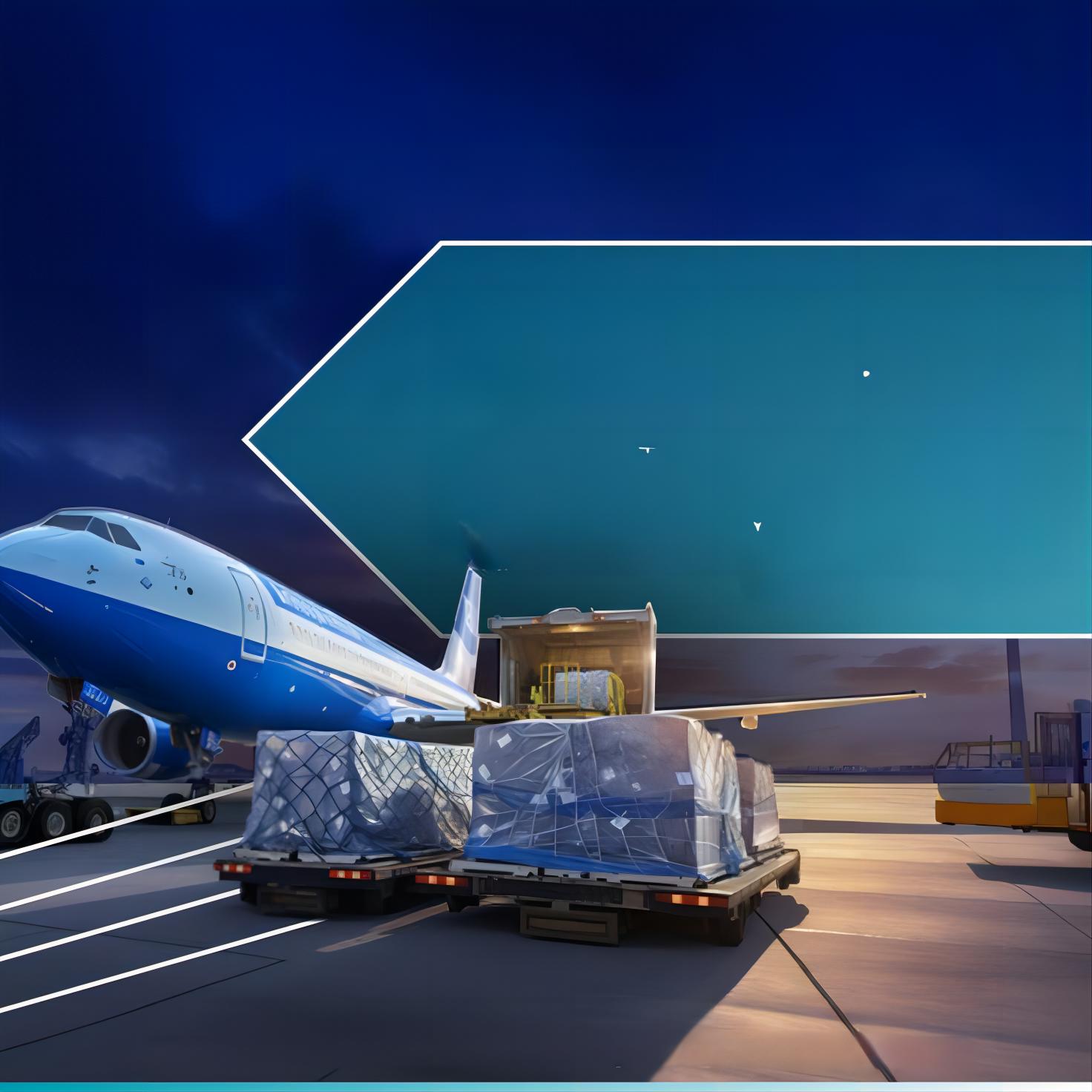
Fast Air Freight from China to Belgium: Speed Up Your Supply Chain
Businesses seeking to maintain a competitive edge in the European market often rely on fast air freight from China to Belgium to ensure timely inventory replenishment. Navigating the complexities of international logistics requires a partner who understands the nuances of global trade and regional regulations. By choosing Top China Freight, you gain access to a streamlined supply chain designed to minimize delays and maximize efficiency. This article explores the essential aspects of air cargo, including transit times, cost factors, and strategic alternatives for your shipping needs.
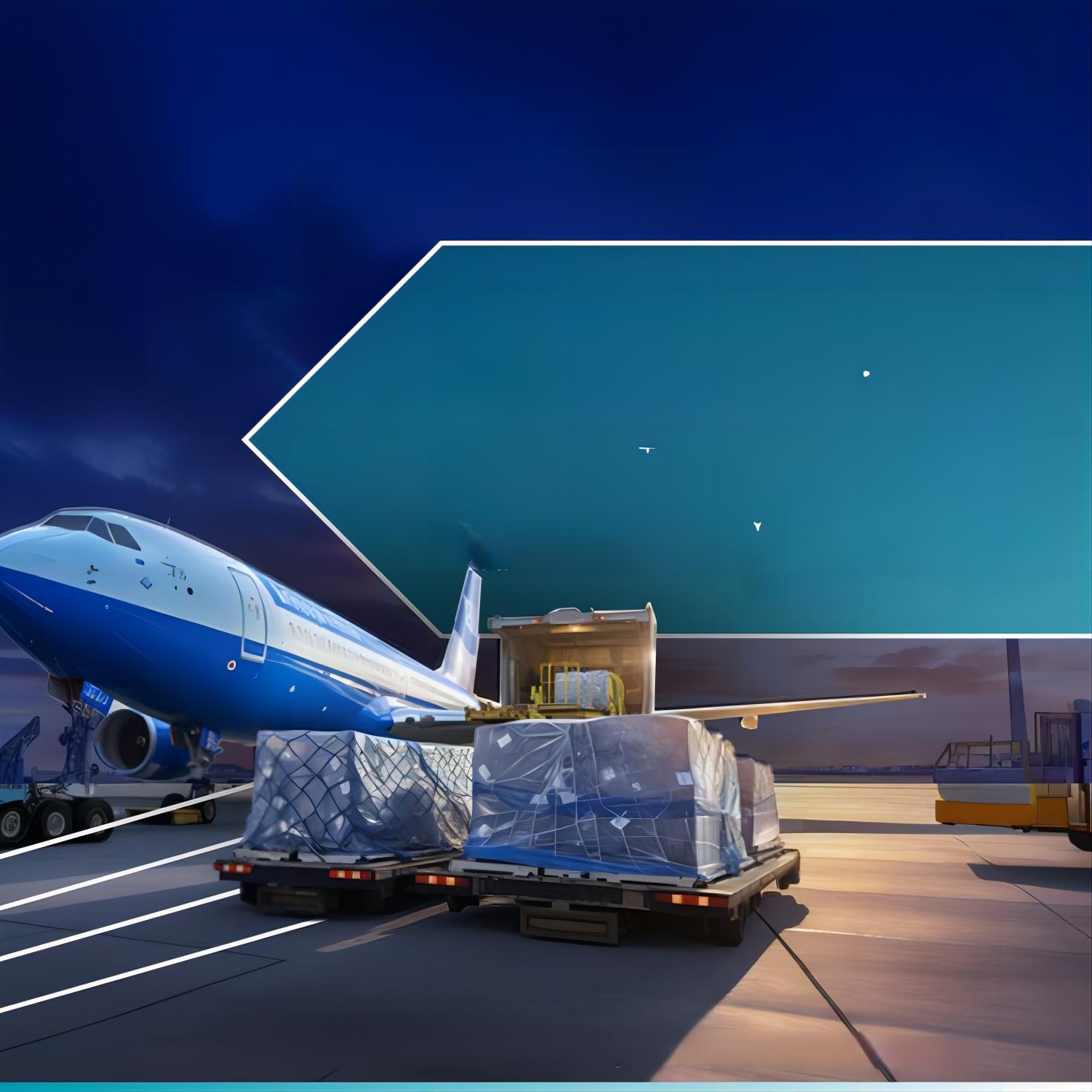
Why Choose Fast Air Freight from China to Belgium?
Speed remains the primary reason companies opt for air transport when moving goods across continents. While maritime shipping can take over a month, fast air freight from China to Belgium delivers products in a fraction of that time. Consequently, this method is ideal for high-value items, perishable goods, or urgent components that keep production lines running.

Reliability serves as another significant advantage for air cargo users. Airlines operate on strict schedules, which means departures and arrivals are far more predictable than ocean vessel movements. Therefore, you can plan your distribution strategy with greater confidence, knowing exactly when your cargo will arrive at Brussels Airport or Liege Airport.
Security is naturally enhanced when using air freight services. Airports maintain rigorous security protocols and shorter transit times mean less handling and exposure to potential damage or theft. In addition, the reduced time spent in transit lowers the overall insurance premiums for your shipments, providing a hidden cost benefit.
Global connectivity allows your business to reach Belgian customers from any major industrial hub in China. Whether your cargo originates in Shenzhen, Shanghai, or Chengdu, the air network provides a direct link to the heart of Europe. This accessibility is crucial for maintaining a responsive supply chain in today’s fast-paced market environment.
How Long Does Fast Air Freight from China to Belgium Take?
Transit times for air cargo typically range from 3 to 7 days depending on the specific service level you choose. Direct flights from major Chinese hubs like Shanghai Pudong or Beijing Capital to Brussels can arrive in as little as 24 to 48 hours. However, total door-to-door transit time must account for ground transport, export processing, and customs clearance.
Standard air freight usually takes between 5 and 8 days when factoring in consolidation and terminal handling. If your shipment requires transshipment through a secondary hub like Dubai or Frankfurt, the timeline might extend by a day or two. Nevertheless, this remains significantly faster than any surface transport alternative currently available.
Express services offer the quickest possible turnaround for urgent shipments. By utilizing express service, you can often achieve delivery within 3 to 4 business days. This premium option prioritizes your cargo at every stage, from the moment it leaves the factory in China to its final destination in Antwerp or Ghent.
Seasonal fluctuations can occasionally impact these timelines. During peak seasons such as the weeks leading up to the Lunar New Year or the Q4 holiday rush, increased demand may lead to airport congestion. Planning ahead and booking space early helps mitigate these delays and ensures your fast air freight from China to Belgium stays on schedule.
How Does Air Freight Compare to Other Shipping Options?
Evaluating different transport modes is essential for optimizing your logistics budget and timeline. While air freight offers unmatched speed, it comes at a higher price point compared to sea or rail. Understanding the trade-offs between these methods allows you to make an informed decision based on your specific cargo requirements.
Maritime transport is the traditional choice for bulk commodities and large volumes. For instance, sea freight is significantly more cost-effective for shipments exceeding 2 cubic meters. However, the 35 to 45-day transit time is often too slow for time-sensitive electronics or fashion inventory.
Rail freight has emerged as a popular middle-ground solution for China-Europe trade. It offers a faster transit time than sea freight, usually around 18 to 22 days, at a lower cost than air. Despite this, rail remains susceptible to geopolitical shifts and infrastructure bottlenecks that do not affect air routes.
Hybrid solutions like sea-air or rail-air can sometimes provide a balance of speed and cost. These strategies involve moving goods by sea or rail to a hub like Dubai or Almaty and then flying them to Belgium. While these options save money, they lack the sheer velocity of a dedicated air freight service.
| Shipping Method | Cost Range | Transit Time | Best For |
|---|---|---|---|
| Air Freight | 4.50 – 8.50 USD/kg | 3-7 Days | Urgent, high-value, small batches |
| Sea Freight (LCL) | 80 – 150 USD/CBM | 35-45 Days | Bulk goods, low urgency |
| Rail Freight | 1.50 – 2.50 USD/kg | 18-22 Days | Medium volume, balanced budget |
| Express Courier | 7.00 – 12.00 USD/kg | 2-4 Days | Samples, extremely urgent docs |
What Factors Influence Air Freight Costs to Belgium?
Pricing for air cargo is determined by a combination of weight, volume, and market demand. Carriers use the ‘chargeable weight’ system, which compares the actual weight of the goods to their volumetric weight. Consequently, lightweight but bulky items may cost more to ship than small, heavy packages.
Fuel surcharges represent a significant portion of the total freight bill. Because aviation fuel prices fluctuate based on global oil markets, these surcharges are updated frequently. Furthermore, security fees and terminal handling charges at both the origin and destination airports add to the baseline rate.
Seasonal demand plays a critical role in price volatility. During the peak shipping season from September to December, rates for fast air freight from China to Belgium can double due to limited capacity. In contrast, shipping during the off-peak months of March and April often yields much more competitive pricing.
Specific cargo types also attract different rate structures. Shipping hazardous materials, temperature-controlled pharmaceuticals, or oversized machinery requires specialized handling and equipment. These additional requirements naturally increase the total landed cost of your shipment compared to general cargo.
Realistic Case Studies of Air Shipments
Reviewing real-world examples helps clarify what to expect when booking fast air freight from China to Belgium. These cases reflect typical market conditions and highlight how different variables impact the final outcome. Please note that freight rates are subject to change based on fuel costs, carrier capacity, and seasonal demand. Contact us for a current quote tailored to your specific shipment.
Case Study 1: High-Value Electronics. Route: Shenzhen to Brussels. Cargo: 250kg of premium tablets. Method: Standard Air Freight. Cost: 1,625 USD. Timeline: 5 days. Key Insight: The client saved 20 percent on insurance costs by choosing air over sea, as the reduced transit time lowered the risk profile significantly.
Case Study 2: Urgent Medical Supplies. Route: Shanghai to Liege. Cargo: 120kg of diagnostic equipment. Method: Express Service. Cost: 1,140 USD. Timeline: 3 days. Key Insight: Utilizing a direct flight allowed the hospital to receive the equipment before a scheduled surgery, demonstrating the value of speed in critical situations.
Case Study 3: E-commerce Apparel. Route: Guangzhou to Antwerp. Cargo: 500kg of seasonal clothing. Method: Air Freight with Door to Door delivery. Cost: 3,250 USD. Timeline: 7 days. Key Insight: By using door to door logistics, the retailer avoided the hassle of coordinating multiple local transporters.
What Documents Are Needed for Customs Clearance?
Navigating the administrative requirements is vital for avoiding delays at the Belgian border. Every shipment must be accompanied by a commercial invoice that clearly states the value, description, and HS codes of the goods. Additionally, a detailed packing list is required to help customs officials verify the contents of each package.
The Air Waybill (AWB) serves as the contract of carriage between the shipper and the airline. This document is non-negotiable and must be accurately completed to ensure the smooth transfer of cargo. Furthermore, if you are shipping specialized goods, you may need a Certificate of Origin or specific import licenses required by the European Union.
Professional customs brokerage services can significantly simplify this process. Experts in Belgian customs regulations can help you classify your goods correctly, ensuring you pay the appropriate duties and taxes. This proactive approach prevents costly fines and ensures your fast air freight from China to Belgium clears the port without incident.
Digital documentation is becoming the standard in modern logistics. Many carriers now support electronic Air Waybills (e-AWB), which reduce the risk of lost paperwork and speed up data processing. Adopting these digital tools can further enhance the efficiency of your international shipping operations.
Which Option Should You Choose? Decision Framework
Choosing the right shipping method depends on your priorities regarding budget, speed, and cargo volume. If your primary goal is to minimize transit time regardless of cost, air freight is the undisputed winner. However, for large shipments where the cost per unit is low, maritime options might be more sustainable for your bottom line.
Budget-conscious shippers should consider air freight only for shipments under 300kg. Once you exceed this threshold, the price gap between air and sea becomes substantial. In such cases, rail freight often provides a compelling alternative that balances cost and speed effectively.
Cargo characteristics also dictate the best approach. Fragile or high-value items benefit from the reduced handling and increased security of air transport. Conversely, heavy industrial machinery or raw materials are almost always better suited for shipping from China to Europe via sea freight containers.
Urgency is the final deciding factor. If a stockout is imminent and will result in lost sales or production downtime, the premium paid for air freight is easily justified. Always weigh the potential loss of revenue against the higher shipping costs to determine the most logical path for your business.
How to Reduce Costs for Air Cargo?
Reducing your air freight expenses requires a strategic approach to packaging and consolidation. Because carriers charge based on volume, minimizing the dimensions of your boxes can lead to significant savings. Use appropriately sized packaging and avoid excess padding that adds unnecessary bulk to your shipment.
Consolidating multiple small orders into a single larger shipment is another effective cost-saving strategy. By grouping your goods, you can often qualify for better weight-break rates offered by airlines. This approach also reduces the fixed costs associated with documentation and customs clearance for each individual package.
Booking your shipments in advance allows you to secure more competitive rates. Last-minute bookings often come with a premium, especially during peak periods when space is limited. Furthermore, choosing deferred air freight options, which may take a few days longer, can lower your costs by up to 30 percent compared to express services.
Negotiating with a freight forwarder who has strong relationships with major airlines can provide access to better pricing. These logistics partners buy space in bulk and can pass those savings on to their clients. Consequently, working with an experienced professional is often the most effective way to manage your shipping budget.
Final Thoughts on Air Freight to Belgium
Selecting fast air freight from China to Belgium is a strategic move for businesses that value speed, security, and reliability. While the costs are higher than traditional sea routes, the benefits of a responsive supply chain often outweigh the initial investment. By understanding the factors that influence transit times and costs, you can make informed decisions that support your long-term growth.
Successful shipping requires careful planning, accurate documentation, and the right logistics partner. Whether you are moving high-tech electronics or urgent medical supplies, the air network provides the fastest link between Chinese manufacturers and Belgian consumers. Stay ahead of the competition by optimizing your cargo handling and leveraging the efficiency of modern air freight solutions.
Ready to streamline your logistics?
Streamline your international logistics today by requesting a custom quote for fast air freight from China to Belgium. Our team of experts is ready to help you navigate the complexities of global trade and ensure your cargo arrives on time and within budget. Visit Top China Freight to get started now.
Request Quote