

Fast Rail Freight from China to Germany: The Ultimate 2025 Logistics Guide
Navigating the complexities of international trade requires a reliable partner like Top China Freight to manage your logistics efficiently. Businesses increasingly rely on fast rail freight from China to Germany as a strategic alternative to traditional shipping methods. This modern solution balances speed and cost-effectiveness for global supply chains while maintaining high reliability for time-sensitive cargo.
How Does Fast Rail Freight from China to Germany Compare to Other Shipping Options?
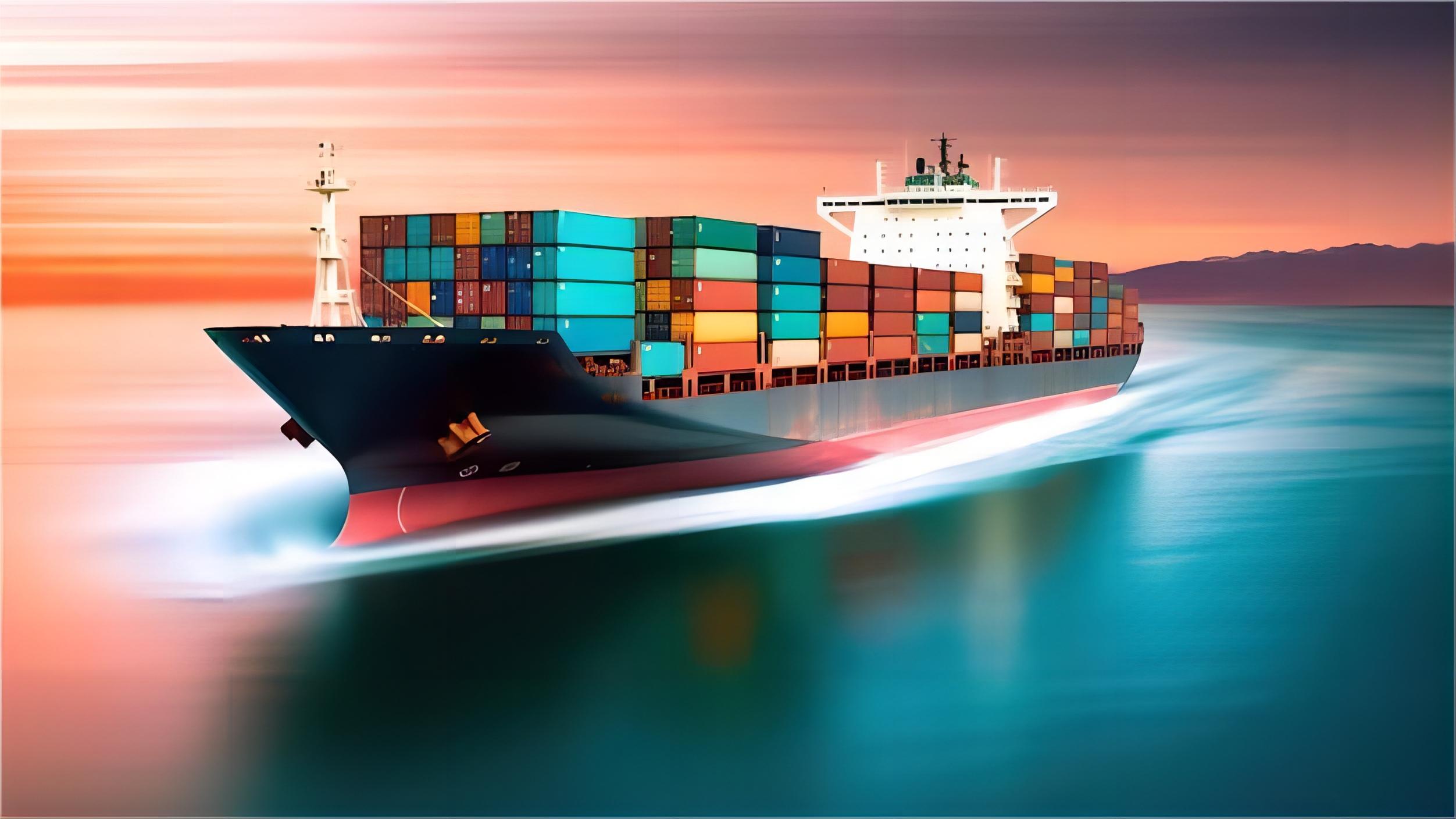
Understanding the differences between transport modes is essential for optimizing your logistics budget and delivery schedule. While sea freight remains the most economical choice for massive volumes, it often suffers from longer transit times and potential port congestion. Consequently, many importers are turning to rail as a middle-ground solution that offers significantly faster delivery than ships without the high cost of planes.

Choosing air freight provides the fastest possible transit, yet the expenses can be prohibitive for bulky or heavy items. In contrast, fast rail freight from China to Germany offers a transit time of 15 to 22 days, which is nearly twice as fast as sea transport. Furthermore, rail freight provides a more stable pricing environment compared to the volatile rates often seen in the aviation sector.
Moreover, the environmental impact of your shipping choice is becoming a critical factor for modern businesses. Rail transport produces significantly lower carbon emissions than air transport, making it a sustainable choice for eco-conscious companies. Therefore, evaluating your specific needs for speed, cost, and sustainability will lead you to the most effective shipping method for your German destination.
| Shipping Method | Cost Range | Transit Time | Best For | Limitations |
|---|---|---|---|---|
| Sea Freight | $1,800 – $4,200 | 30 – 45 Days | Bulk goods, low budget | Slow speed, port delays |
| Rail Freight | $2,500 – $5,500 | 15 – 22 Days | Mid-value goods, speed | Infrastructure limits |
| Air Freight | $5.00 – $12.00/kg | 3 – 7 Days | High-value, urgent | Very expensive, weight caps |
| Express | $8.00 – $15.00/kg | 2 – 5 Days | Small samples, documents | Highest cost per unit |
Why Should You Choose Rail Freight for Your Supply Chain?
Efficiency is the primary driver for selecting rail freight when importing goods into Europe. This method utilizes the Trans-Eurasian railway network, often referred to as the New Silk Road, to connect major Chinese industrial hubs with German logistics centers. Additionally, the reliability of rail schedules is generally higher than sea freight because trains are less affected by weather conditions or maritime bottlenecks.
Security is another significant advantage that businesses enjoy when using rail transport for their valuable cargo. Containers are sealed at the point of origin and typically remain unopened until they reach the final destination terminal. As a result, the risk of theft or damage during transit is minimized, providing peace of mind for shippers of electronics, automotive parts, and consumer goods.
Moreover, the flexibility of rail services allows for both Full Container Load (FCL) and Less than Container Load (LCL) shipments. This means that even smaller businesses can benefit from the speed of rail without needing to fill an entire 40-foot container. Consequently, fast rail freight from China to Germany has become a cornerstone for companies looking to maintain lean inventory levels while ensuring rapid replenishment.
Key Transit Times and Routes for German Imports
Strategic departure points in China play a vital role in determining the total china to germany rail transit time for your shipment. Major rail hubs like Xi’an, Chengdu, and Zhengzhou offer daily or weekly block train services that head directly toward Europe. Meanwhile, the arrival points in Germany, such as Duisburg and Hamburg, serve as massive distribution centers for the rest of the country and neighboring regions.
Typically, a shipment from Xi’an can reach Duisburg in approximately 16 to 18 days under optimal conditions. However, you must also account for the time required for pre-carriage from the factory to the rail terminal and the final delivery from the German terminal to your warehouse. Indeed, the total door to door rail freight china process usually takes between 20 and 25 days depending on the specific inland locations.
Furthermore, seasonal demand can influence these timelines, particularly during the peak period leading up to the end-of-year holidays. Shippers should plan for potential delays during the Chinese New Year or Golden Week when terminal operations may slow down. Nevertheless, rail remains the most predictable land-based route for trans-eurasian rail logistics throughout most of the year.
| Origin City (China) | Destination City (Germany) | Estimated Rail Transit | Frequency |
|---|---|---|---|
| Xi’an | Duisburg | 16 – 18 Days | Daily |
| Chengdu | Lodz / Nuremberg | 18 – 20 Days | 4-5 times weekly |
| Zhengzhou | Hamburg | 17 – 19 Days | 3-4 times weekly |
| Chongqing | Duisburg | 19 – 21 Days | Daily |
Understanding the Costs of Rail Freight in 2025
Pricing for fast rail freight from China to Germany is influenced by several factors, including fuel surcharges, container availability, and seasonal demand. For businesses shipping for Amazon FBA, rail offers a competitive price point that allows for healthy profit margins while ensuring stock reaches German warehouses quickly. Generally, rail freight cost per kg is significantly lower than air but higher than the ocean equivalent.
Currently, in early 2025, freight rates have stabilized following the disruptions of previous years, but they remain sensitive to geopolitical shifts. Shippers should expect to pay between $3,000 and $5,500 for a 40HQ container depending on the departure hub and the specific service level chosen. Additionally, LCL rail shipping rates germany usually range from $120 to $200 per cubic meter, making it accessible for smaller shipments.
Market data suggests that booking your space at least two to three weeks in advance can help secure more favorable rates. Moreover, working with a freight forwarder that has direct contracts with rail operators can provide access to block train services china that might not be available to the general public. Note: Freight rates are subject to change based on fuel costs, carrier capacity, and seasonal demand. Contact us for a current quote tailored to your specific shipment.
Customs Clearance and Documentation Requirements
Navigating the regulatory landscape is a critical step in ensuring your fast rail freight from China to Germany does not face unnecessary delays. Utilizing a professional customs brokerage service can streamline this process by ensuring all paperwork is accurate and compliant with EU regulations. Specifically, you will need a comprehensive set of documents including a commercial invoice, packing list, and a railway bill of lading.
Accuracy in your documentation is paramount because any discrepancy can lead to inspections at the border crossings in Kazakhstan, Belarus, or Poland. Furthermore, you must ensure that your products meet all German safety and environmental standards before they arrive. Consequently, preparing your customs declaration in advance of the train’s arrival at the EU border can save several days in the total delivery timeline.
Additionally, certain goods may require specific certificates, such as CE marking for electronics or phytosanitary certificates for agricultural products. Without a doubt, having a clear understanding of the Harmonized System (HS) codes for your products will prevent overpayment of duties and taxes. Therefore, we recommend a thorough review of your shipping documents at least one week before the cargo departs from China.
| Document Name | Purpose | Required By | Timing |
|---|---|---|---|
| Railway Bill (CIM/SMGS) | Contract of carriage | Rail Operator/Customs | At departure |
| Commercial Invoice | Value declaration | Customs Clearance | Before shipping |
| Packing List | Content verification | Warehouse/Customs | Before shipping |
| Certificate of Origin | Duty determination | German Customs | At clearance |
Which Option Should You Choose? Decision Framework
Selecting the right shipping method involves balancing various business priorities such as budget, speed, and the nature of the goods. If your primary goal is cost reduction and you have a flexible timeline, sea freight remains the logical choice for large volumes. However, if you are facing a stock-out or launching a new product, the speed of fast rail freight from China to Germany justifies the additional expense.
For high-value items like high-end electronics or precision machinery, the shorter transit time of rail reduces the amount of capital tied up in transit. On the other hand, very small shipments or urgent samples are still best handled via air or express services. To summarize, use rail freight when your cargo volume is over 1 CBM and you need a reliable 3-week delivery window to Germany.
Consider the following criteria for your next shipment: Budget priority leads to sea; Speed priority leads to air; Value-for-money and reliability lead to rail. Furthermore, hybrid solutions like sea-air or rail-truck combinations can offer tailored benefits for specific inland destinations in Germany. Consequently, evaluating these factors holistically will ensure your supply chain remains both resilient and competitive.
Realistic Case Studies: Fast Rail Freight Success Stories
Case Study 1: Electronics Distribution Success. Route: Shenzhen to Hamburg. Cargo: High-end consumer electronics, 68 CBM, 12,000 kg. Container: 2 40HQ containers. Shipping Details: Major block train service via Xi’an. Port of Loading: Xi’an Rail Terminal. Port of Discharge: Hamburg Billwerder. Route Type: Direct. Cost Breakdown: Rail Freight: $8,400. Origin Charges: $650. Destination Charges: $900. Customs and Duties: $4,200. Total Landed Cost: $14,150. Timeline: Booking to Loading: 4 days. Rail Transit: 18 days. Customs Clearance: 2 days. Total Door-to-Door: 24 days. Key Insight: Using rail instead of sea saved the client 20 days, allowing them to hit a critical product launch date in Berlin.
Case Study 2: Industrial Machinery Parts. Route: Chengdu to Duisburg. Cargo: Precision CNC components, 4.5 CBM, 1,800 kg. Container: LCL shipment. Shipping Details: Weekly LCL consolidation service. Port of Loading: Chengdu International Railway Port. Port of Discharge: Duisburg DUSS Terminal. Route Type: Direct. Cost Breakdown: Rail Freight: $810 ($180/CBM). Origin Charges: $150. Destination Charges: $220. Customs and Duties: $1,100. Total Landed Cost: $2,280. Timeline: Booking to Loading: 3 days. Rail Transit: 20 days. Customs Clearance: 1 day. Total Door-to-Door: 24 days. Key Insight: LCL rail provided a cost-effective alternative to air freight for heavy machinery parts that were too urgent for sea transport.
Case Study 3: Seasonal Apparel Replenishment. Route: Zhengzhou to Munich. Cargo: Winter clothing, 28 CBM, 5,500 kg. Container: 20GP container. Shipping Details: Dedicated apparel block train. Port of Loading: Zhengzhou North. Port of Discharge: Munich-Riem. Route Type: Transshipment via Warsaw. Cost Breakdown: Rail Freight: $2,900. Origin Charges: $400. Destination Charges: $550. Customs and Duties: $3,100. Total Landed Cost: $6,950. Timeline: Booking to Loading: 5 days. Rail Transit: 19 days. Customs Clearance: 2 days. Total Door-to-Door: 26 days. Key Insight: The client managed to restock their retail stores in Southern Germany mid-season, capturing sales that would have been lost with a 40-day sea transit.
Final Thoughts on Rail Logistics
In conclusion, fast rail freight from China to Germany represents a vital link in the modern global economy, offering a perfect balance of speed and cost. By choosing this mode of transport, businesses can significantly reduce their lead times compared to sea freight while avoiding the extreme costs associated with air travel. Furthermore, the continued investment in the New Silk Road infrastructure ensures that rail will remain a reliable and sustainable option for years to come.
As market conditions evolve in 2025, staying informed about logistics trends and freight rates will be essential for maintaining a competitive edge. Whether you are shipping full containers or smaller LCL loads, the efficiency of the rail network provides a robust solution for your German import needs. Therefore, we encourage you to integrate rail freight into your logistics planning to enhance your supply chain resilience and operational success.
Ready to streamline your logistics?
Ready to accelerate your supply chain with fast rail freight from China to Germany? Contact the experts at Top China Freight today to receive a customized quote and optimize your international shipping strategy. Send Inquiry: https://Top China Freight.com/contact-us/
Request Quote