

Cheap Rail Freight from China to France: Complete 2025 Guide
Finding the most cost-effective way to move goods across continents is a priority for modern businesses. Top China Freight offers specialized logistics solutions to streamline your international trade operations. Cheap rail freight from China to France has emerged as the perfect middle ground for shippers seeking a balance between speed and cost.

Why Choose Rail Freight for Your China to France Shipments?
Rail transport provides a unique value proposition for businesses importing goods from Asia to Europe. Furthermore, it offers a significantly faster transit time than traditional ocean shipping while remaining much cheaper than air transport.
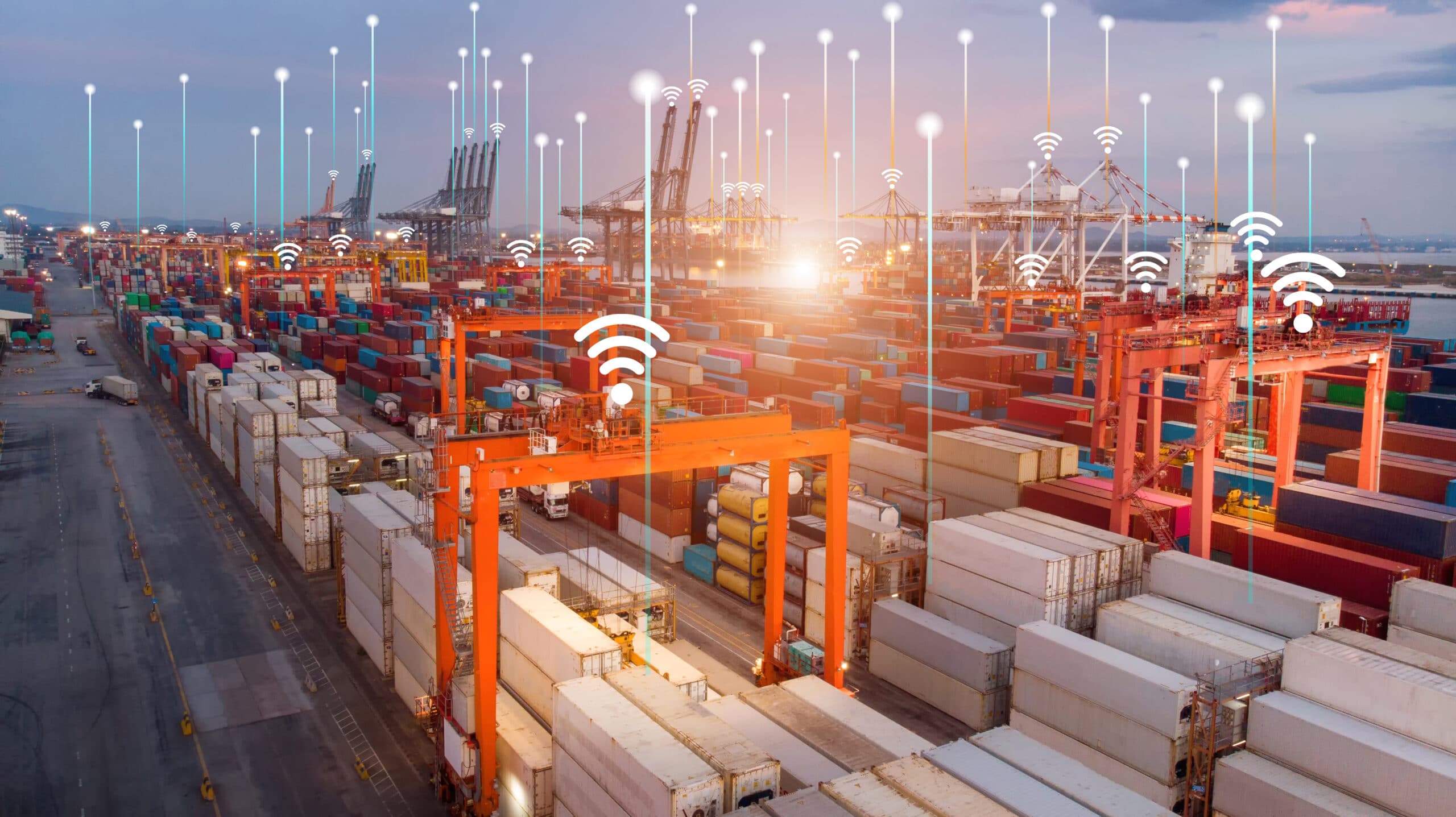
Choosing rail freight allows companies to maintain a steady inventory flow without the high costs of express services. Consequently, this method has become a staple for the modern supply chain.
Additionally, rail transport is an eco-friendly alternative that reduces the carbon footprint of your logistics operations. Indeed, many European companies now prioritize rail to meet their sustainability goals.
Meanwhile, the stability of rail schedules ensures that planning for seasonal demand becomes much more predictable. Therefore, businesses can avoid the volatility often associated with other modes of transport.
How Does Rail Freight Compare to Other Shipping Options?
Understanding the differences between transport modes is essential for optimizing your shipping budget. For example, while sea freight is the most economical for massive volumes, it often takes twice as long as rail.
On the other hand, air freight delivers goods within days but at a premium price that can erode profit margins. Rail freight bridges this gap by offering a reliable 15 to 22-day transit time.
Moreover, rail containers are less susceptible to the weather-related delays that frequently impact maritime routes. Accordingly, rail has become the preferred choice for high-value electronics and fashion items.
| Shipping Method | Cost Range | Transit Time | Best For |
|---|---|---|---|
| Air Freight | $5.00 – $8.00 / kg | 3 – 7 Days | Urgent, high-value cargo |
| Rail Freight | $1.50 – $2.50 / kg | 15 – 22 Days | Balanced cost and speed |
| Sea Freight | $0.50 – $1.00 / kg | 35 – 45 Days | Large, non-urgent bulk |
Understanding the Cost Factors of Rail Transport
Several variables influence the final price of cheap rail freight from China to France. For instance, the choice between Full Container Load (FCL) and Less than Container Load (LCL) significantly impacts your total expenditure.
Furthermore, seasonal fluctuations during peak periods like the Lunar New Year can lead to temporary rate hikes. Nevertheless, rail remains a stable option compared to the frequent surcharges found in the shipping industry.
Additionally, the distance from the factory to the rail terminal in China adds to the initial trucking costs. Therefore, selecting a departure hub near your supplier is a smart way to save money.
Visit our door to door service page to see how we manage all these variables to provide a single, transparent price.
Key Rail Routes from China to France
The Trans-Eurasian rail network connects several major Chinese hubs directly to European terminals. Specifically, cities like Xi’an, Chengdu, and Wuhan serve as primary departure points for France-bound cargo.
Most trains enter Europe through the Małaszewicze terminal in Poland before continuing to French hubs like Paris or Lyon. Consequently, this route bypasses the congested maritime ports of the southern coast.
In addition, the development of the New Silk Road has led to improved infrastructure and faster customs processing. As a result, the efficiency of these routes continues to improve year over year.
| Origin City | Destination City | Average Transit | Route Type |
|---|---|---|---|
| Xi’an | Paris | 16 – 18 Days | Direct Rail |
| Chengdu | Lyon | 18 – 20 Days | Direct Rail |
| Wuhan | Dourges | 19 – 22 Days | Direct Rail |
Which Option Should You Choose?
Selecting the right method depends on your specific business priorities and cargo characteristics. If your primary goal is budget priority, we recommend sea freight for very large shipments or rail for medium-sized loads.
However, for speed priority, rail is the clear winner over sea freight without the astronomical costs of air transport. For cargo type considerations, rail is excellent for palletized goods, machinery, and consumer electronics.
Regarding volume thresholds, LCL rail is often more economical than FCL for shipments between 1 and 15 cubic meters. Without a doubt, consulting with a logistics expert can help you determine the most efficient threshold for your specific goods.
Customs Clearance and Documentation for France
Navigating the regulatory landscape is a critical step in ensuring your cheap rail freight from China to France arrives on time. For example, you must provide a commercial invoice, packing list, and a certificate of origin.
Additionally, the Bill of Lading for rail transport is essential for tracking and legal ownership of the goods. Meanwhile, French customs may require specific certifications for certain product categories like electronics or textiles.
To simplify this process, our customs brokerage team handles all the necessary filings on your behalf. Consequently, you can avoid costly delays and potential fines at the border.
Case Study 1: Electronics from Shenzhen to Paris
Route: Shenzhen, China to Paris, France. Cargo: Consumer electronics, 12 CBM, 2,500 kg. Container: LCL. Shipping Details: Rail freight via Xi’an hub.
Cost Breakdown: Rail Freight: $2,800. Origin Charges: $350. Destination Charges: $420. Customs & Duties: $1,100. Total Landed Cost: $4,670.
Timeline: Booking to Loading: 3 days. Rail Transit: 17 days. Customs Clearance: 2 days. Total Door-to-Door: 22 days. Key Insight: Choosing rail saved the client $5,000 compared to air freight while arriving 20 days faster than sea freight.
Case Study 2: Industrial Machinery from Xi’an to Lyon
Route: Xi’an, China to Lyon, France. Cargo: Industrial spare parts, 28,000 kg. Container: 40HQ FCL. Shipping Details: Direct Trans-Eurasia Express.
Cost Breakdown: Rail Freight: $5,200. Origin Charges: $500. Destination Charges: $650. Customs & Duties: $2,400. Total Landed Cost: $8,750.
Timeline: Booking to Loading: 4 days. Rail Transit: 19 days. Customs Clearance: 3 days. Total Door-to-Door: 26 days. Key Insight: Using a 40HQ container via rail provided the necessary capacity for heavy machinery at a fraction of the cost of emergency air transport.
How to Secure the Best Rates for Rail Freight
Securing cheap rail freight from China to France requires a proactive approach to logistics planning. For instance, booking your space at least two weeks in advance can help you lock in lower rates before capacity tightens.
Moreover, consolidating multiple small shipments into a single LCL load can significantly reduce your per-unit shipping cost. In addition, working with an experienced freight forwarder provides access to bulk contract rates that are not available to individual shippers.
Furthermore, optimizing your packaging to reduce wasted space within the container ensures you are not paying for air. Accordingly, a well-packed container is one of the easiest ways to improve your bottom line.
The Future of China to France Logistics
In summary, rail transport offers a compelling combination of speed, cost-effectiveness, and environmental sustainability. For businesses looking for cheap rail freight from China to France, the Trans-Eurasian rail network provides a reliable and scalable solution.
As global trade continue to evolve, staying ahead of logistics trends will be vital for maintaining a competitive edge. By integrating rail into your shipping strategy, you can achieve faster delivery times without the heavy financial burden of air transport.
Indeed, the continued investment in rail infrastructure ensures that this mode of transport will remain a cornerstone of international trade for years to come.
Ready to streamline your logistics?
Ready to optimize your supply chain with cheap rail freight from China to France? Contact Top China Freight today for a personalized quote and expert logistics advice. Send Inquiry
Request Quote