

Best rail freight from China to Germany: A Comprehensive Guide for 2025
Finding the best rail freight from China to Germany is essential for businesses seeking a balance between speed and cost. This logistics route offers a reliable alternative to slow sea transport and expensive air shipments. You can streamline your global operations by partnering with Top China Freight to manage your overland cargo needs.

Why Choose Rail Freight for China to Germany?
Rail transport has emerged as a middle-ground solution that satisfies both budget and urgency requirements. Consequently, many importers are shifting their focus toward the China-Europe Railway Express for its consistency.
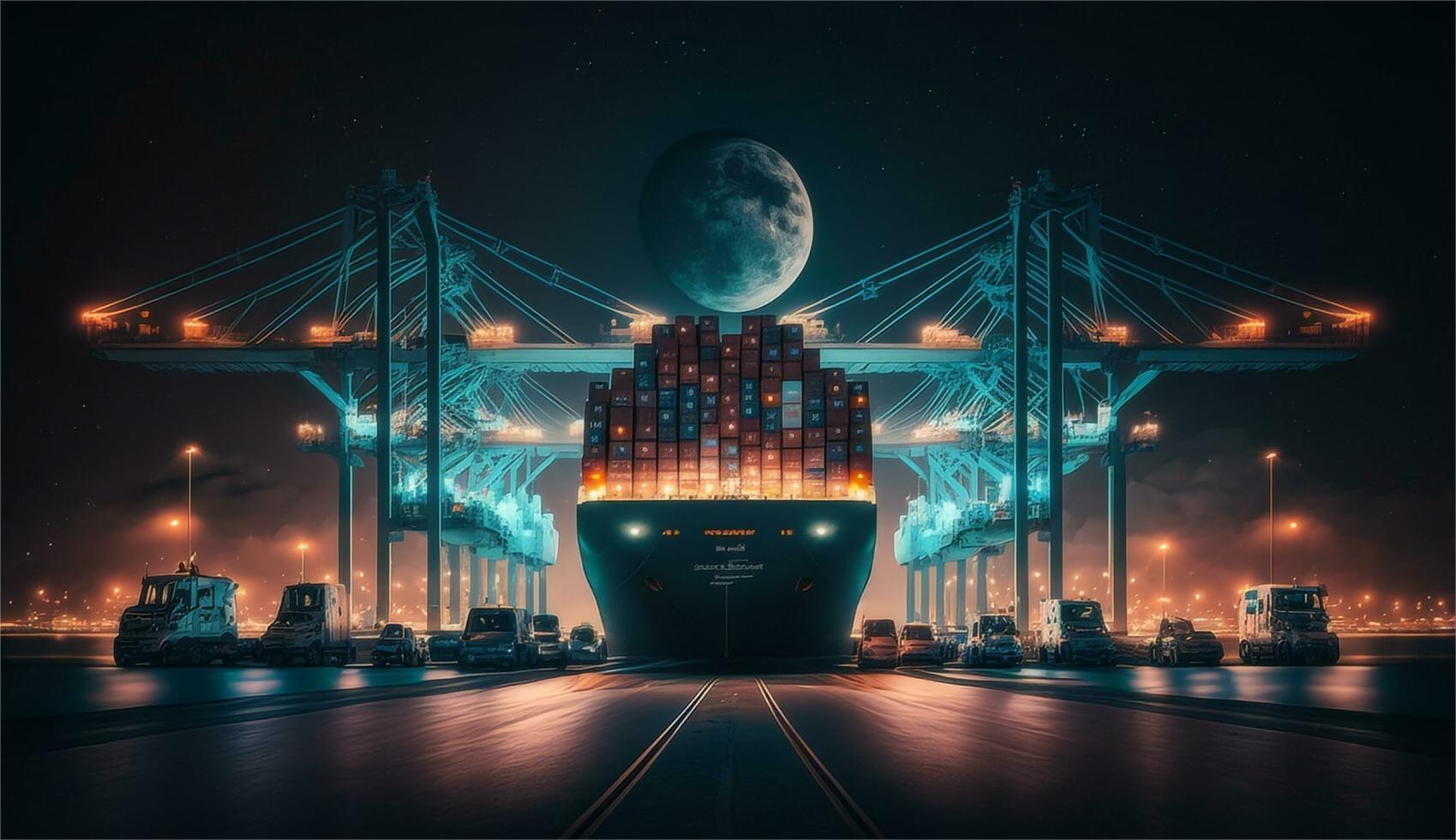
Furthermore, the best rail freight from China to Germany provides a significantly lower carbon footprint compared to air freight. This environmental benefit is becoming increasingly important for modern corporate social responsibility goals.
Additionally, rail services offer better stability in pricing than the volatile ocean freight market. You can utilize rail freight to secure predictable delivery schedules for your inventory management.
Moreover, the security of rail transport is often higher than sea freight due to less handling during transit. Most trains travel through secure corridors that minimize the risk of theft or damage to sensitive cargo.
How Does Rail Freight Compare to Other Shipping Options?
Comparing different transport modes is vital for determining the most efficient strategy for your business. While sea freight remains the cheapest option, it often takes twice as long as the train.
In contrast, air freight is exceptionally fast but can cost five to ten times more than rail. Therefore, rail serves as a strategic compromise for high-value goods that do not require overnight delivery.
Specifically, the best rail freight from China to Germany bridges the gap by offering transit times of 15 to 22 days. Meanwhile, sea freight can take up to 45 days depending on port congestion and route disruptions.
| Shipping Method | Cost Range (40HQ) | Transit Time | Best For |
|---|---|---|---|
| Sea Freight | $2,800 – $4,200 | 30-45 Days | Bulk, Low-value |
| Rail Freight | $5,500 – $8,500 | 15-22 Days | Electronics, Auto |
| Air Freight | $15,000 – $25,000 | 5-8 Days | Urgent, High-value |
Understanding the China-Europe Railway Express Network
The China-Europe Railway Express consists of several corridors that connect major Chinese industrial hubs to European gateways. Most trains originate from cities like Xi’an, Chengdu, Chongqing, and Zhengzhou.
Subsequently, these trains pass through Kazakhstan, Russia, and Belarus before entering Poland and eventually reaching Germany. This route is often referred to as the New Silk Road or the Belt and Road Initiative.
However, geopolitical factors can occasionally influence the choice of specific corridors. Professional freight forwarders constantly monitor these routes to ensure the best rail freight from China to Germany remains operational.
Indeed, the northern route via Trans-Siberian tracks is a common choice for shipments heading to Northern Germany. On the other hand, the middle corridor offers alternative paths during periods of regional congestion.
Transit Times: What to Expect from China to Germany
Transit times vary based on the city of origin and the specific rail terminal used in Germany. For example, a direct train from Xi’an to Duisburg is typically faster than a consolidated service from a smaller inland city.
Generally, you should account for a few extra days for container loading and local drayage at both ends. Consequently, the total door-to-door time is usually slightly longer than the station-to-station transit time.
Moreover, customs clearance at the border of the European Union can add 1 to 2 days to the schedule. You should consider using customs brokerage services to prevent unnecessary delays at these checkpoints.
| Origin City | German Destination | Station to Station | Service Type |
|---|---|---|---|
| Xi’an | Duisburg | 14-16 Days | Direct FCL |
| Chengdu | Hamburg | 16-18 Days | Direct FCL |
| Shenzhen | Munich | 20-22 Days | LCL Consolidation |
| Zhengzhou | Hamburg | 15-17 Days | Direct FCL |
Factors Influencing Rail Freight Rates and Costs
Several variables determine the final price of the best rail freight from China to Germany. Fuel surcharges and seasonal demand are among the most significant factors that cause price fluctuations.
Additionally, the type of container you choose, such as a 20GP or a 40HQ, will impact the overall ocean freight equivalent costs. Full Container Load (FCL) shipments generally offer a better price per unit than Less than Container Load (LCL) options.
Furthermore, terminal handling charges at both the Chinese and German rail yards must be included in your budget. It is also wise to consider cargo insurance to protect your investment against unforeseen transit issues.
Note: Freight rates are subject to change based on fuel costs, carrier capacity, and seasonal demand. Contact us for a current quote tailored to your specific shipment.
Which Option Should You Choose?
Selecting the right shipping method depends on your specific business priorities and cargo characteristics. If your primary concern is minimizing costs and you have a flexible timeline, sea freight remains the standard choice.
Alternatively, if your inventory is depleting rapidly and you need stock within three weeks, rail is the superior option. This is especially true for seasonal products or promotional items that have a strict launch date.
Meanwhile, for extremely high-value or perishable items, air freight is often the only viable solution despite the higher expense. Always evaluate the trade-off between the cost of capital tied up in transit and the shipping fee.
Customs Documentation and Compliance
Successful rail transport requires meticulous attention to documentation to avoid fines or seizures at the border. The most critical document is the Bill of Lading, which serves as the contract of carriage.
In addition, you must provide a detailed commercial invoice and a packing list that matches the physical cargo perfectly. Discrepancies in these documents can lead to lengthy inspections and additional storage fees.
Accordingly, many businesses prefer door to door services that include customs handling. This approach simplifies the process and ensures that all regulatory requirements are met by experienced professionals.
| Document Name | Purpose | Required By | Typical Format |
|---|---|---|---|
| Commercial Invoice | Value Declaration | Customs | Digital/Original |
| Packing List | Content Verification | Warehouse | Digital/Original |
| Bill of Lading | Title of Goods | Carrier | Original/Telex |
| Cert. of Origin | Duty Assessment | Customs | Official Form |
Case Studies: Real-World Rail Shipping Examples
Case Study 1: Electronics Distribution. Route: Shenzhen to Hamburg. Cargo: Consumer Electronics, 68 CBM, 12,000 kg. Container: 40HQ. Shipping Details: Major carrier via Xi’an hub. Port of Loading: Xi’an Rail Terminal. Port of Discharge: Hamburg Billwerder. Route Type: Direct. Cost Breakdown: Rail Freight: $6,200. Origin Charges: $450. Destination Charges: $550. Customs and Duties: $1,200. Total Landed Cost: $8,400. Timeline: Booking to Loading: 3 days. Rail Transit: 17 days. Customs Clearance: 1 day. Total Door-to-Door: 21 days. Key Insight: Choosing rail saved the client 20 days compared to sea freight, allowing them to hit a holiday sale deadline.
Case Study 2: Industrial Spare Parts. Route: Chengdu to Duisburg. Cargo: Auto Parts, 4 CBM, 800 kg. Container: LCL. Shipping Details: Consolidation service. Port of Loading: Chengdu International Railway Port. Port of Discharge: Duisburg Terminal. Route Type: Direct. Cost Breakdown: Rail Freight: $950. Origin Charges: $200. Destination Charges: $250. Customs and Duties: $400. Total Landed Cost: $1,800. Timeline: Booking to Loading: 4 days. Rail Transit: 19 days. Customs Clearance: 2 days. Total Door-to-Door: 25 days. Key Insight: LCL rail was 60 percent cheaper than air freight while remaining fast enough for the factory’s production schedule.
Based on Q3 2024 market rates, these examples illustrate the efficiency of the best rail freight from China to Germany. Typical rates as of early 2025 suggest that rail remains a competitive choice for diverse cargo types.
Alternative Shipping Strategies and Hybrid Solutions
Sometimes, a single mode of transport does not meet all your requirements. In such cases, hybrid solutions like sea-rail or rail-air can provide the necessary flexibility.
For instance, you might ship goods by sea from Southern China to a northern port and then transfer them to a train. This can occasionally bypass congestion at major hubs and reduce the overall transit time.
Furthermore, businesses shipping to Amazon warehouses often use Amazon FBA specialized rail services. These services are tailored to meet the strict delivery windows and labeling requirements of German fulfillment centers.
Consequently, exploring these alternative strategies can lead to significant cost savings. You should always consult with your logistics partner to determine if a multi-modal approach fits your current supply chain needs.
Final Thoughts on Rail Freight Logistics
To summarize, the best rail freight from China to Germany offers an unparalleled combination of speed, cost-effectiveness, and reliability. By utilizing the China-Europe Railway Express, businesses can maintain leaner inventories and respond faster to market demands.
Indeed, the logistical landscape continues to evolve, making rail a staple in modern international trade. Whether you are shipping full containers or smaller loads, the train provides a robust solution for your European distribution needs.
Therefore, we encourage you to evaluate your current shipping methods and consider the benefits of rail. With the right partner, you can navigate the complexities of customs and transit to ensure your goods arrive safely and on time.
Ready to streamline your logistics?
Ready to optimize your supply chain with the best rail freight from China to Germany? Contact Top China Freight today to receive a competitive quote and expert guidance on your next shipment. Visit our website to learn more about our comprehensive logistics solutions.
Request Quote