

Reliable Rail Freight from China to Spain: A Complete Logistics Guide
Developing a robust supply chain requires finding the perfect balance between speed and cost. Many global businesses now utilize reliable rail freight from China to Spain as a strategic alternative to air and sea transport. This guide explores how the modern Silk Road provides a stable, efficient, and predictable solution for your international shipping needs.

Why Choose Reliable Rail Freight from China to Spain?
Reliability serves as the foundation of any successful import business. Consequently, the China-Spain rail route has gained popularity due to its consistent departure schedules and fixed transit times. This method offers a significant advantage over sea freight, which often faces port congestion and unpredictable weather delays.

Furthermore, rail freight provides a middle ground for companies that need faster delivery than ships but cannot afford the high premiums of air transport. Indeed, the stability of the Eurasian rail network ensures that your inventory arrives when expected. This predictability allows for better stock management and reduced warehouse overheads.
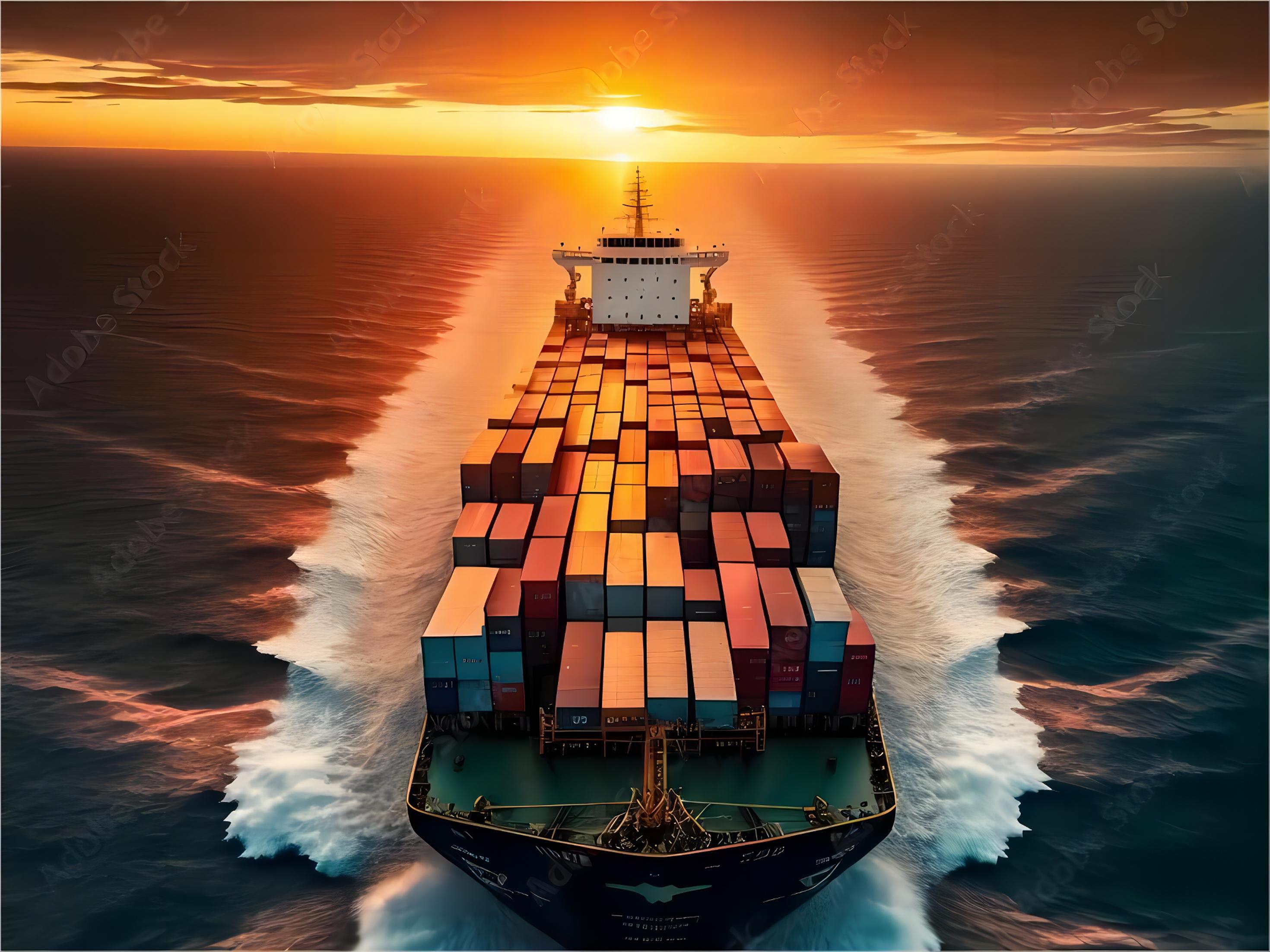
Additionally, the environmental benefits of rail transport are becoming increasingly important for modern enterprises. Rail emissions are significantly lower than those produced by air cargo. Therefore, choosing this method helps your company meet sustainability goals while maintaining an efficient delivery schedule. Most trains operate on a weekly basis, providing frequent opportunities for cargo movement.
How Does Rail Freight Compare to Other Shipping Options?
Understanding the differences between transport modes is essential for making an informed logistics decision. While sea freight remains the most economical choice for massive volumes, it can take up to 45 days to reach Spanish ports. In contrast, rail freight cuts this time in half, often arriving within 18 to 24 days.
Moreover, air freight is undeniably faster, but the costs can be prohibitive for many types of consumer goods. For instance, shipping a ton of electronics by air might cost five times more than using a rail container. Consequently, rail freight has emerged as the preferred choice for high-value machinery, fashion items, and automotive parts.
Additionally, the security of rail transport is often superior to other methods. Containers are rarely moved once loaded onto the train, which reduces the risk of damage during transit. Meanwhile, sea shipments may undergo multiple handlings at various transshipment hubs, increasing the potential for cargo loss or accidents.
| Shipping Method | Cost Range | Transit Time | Best For |
|---|---|---|---|
| Air Freight | High ($5-9/kg) | 5-8 Days | Urgent, high-value items |
| Rail Freight | Medium ($150-250/CBM) | 18-24 Days | Consistent supply chains |
| Sea Freight | Low ($80-120/CBM) | 35-45 Days | Bulk, non-urgent goods |
Transit Times and Major Railway Routes
The journey from China to Spain covers thousands of miles through several countries. Most shipments originate in major industrial hubs like Yiwu, Zhengzhou, or Chongqing. These cities serve as the primary departure points for the China-Europe Railway Express, which travels through Kazakhstan, Russia, Belarus, Poland, and Germany.
Specifically, the Yiwu-Madrid line is one of the longest and most famous rail routes in the world. It directly connects the world’s largest small commodities market with the heart of Spain. Usually, the total transit time for this route is approximately 21 days, depending on customs efficiency at the borders.
However, transit times can fluctuate based on seasonal demand and border crossing speeds. During peak seasons, such as the months leading up to Christmas, schedules might see slight adjustments. Nevertheless, the rail system remains far more stable than the volatile ocean shipping market, which often suffers from container shortages.
Cost Factors and Current Market Rates
Determining the exact cost of rail freight requires looking at several variables. These include the volume of the cargo, the weight of the shipment, and the current fuel surcharges. Typically, prices are quoted either per cubic meter (LCL) or per full container (FCL).
As of early 2025, market rates for a 40-foot container from China to Spain range between $3,500 and $5,500. For smaller shipments, air freight might be considered if the weight is very low, but rail LCL remains highly competitive at roughly $180 to $260 per cubic meter. These rates provide a cost-effective solution for small to medium-sized enterprises.
Furthermore, you must account for origin and destination charges. These include trucking from the factory to the rail terminal and final delivery in Spain. Using a door to door service can simplify this process by bundling all costs into a single quote. This approach prevents unexpected fees from surfacing during the final stages of delivery.
| Cargo Type | Typical Rate (Est.) | Unit | Notes |
|---|---|---|---|
| Full Container (FCL) | $3,800 – $5,200 | 40HQ Container | Includes rail freight only |
| Less than Container (LCL) | $190 – $270 | Per CBM | Minimum 1 CBM usually |
| Trucking (Spain) | $400 – $900 | Per Shipment | Varies by distance from hub |
Customs Documentation and Compliance
Navigating the legal requirements for importing goods into Spain is a critical step. Spain follows European Union customs regulations, which require specific documentation for every shipment. Failure to provide accurate paperwork can lead to significant delays and additional storage fees at the terminal.
Essential documents include the commercial invoice, packing list, and the bill of lading. Additionally, you will need a certificate of origin and, in some cases, specific safety certificates for electronics or toys. Working with an experienced customs brokerage professional is highly recommended to ensure all HS codes are correctly classified.
Moreover, the EORI number is a mandatory requirement for any business importing into the EU. This identification number allows customs authorities to track shipments and apply the correct VAT and duties. Consequently, preparing these documents well in advance of the train’s arrival is vital for a smooth clearance process. Most rail operators provide assistance with the standard transit documents required for the various border crossings.
Which Option Should You Choose? Decision Framework
Choosing the right shipping method depends on your specific business priorities. If your primary goal is to minimize costs and your lead times are flexible, sea freight is usually the winner. However, if you are launching a new product or need to replenish stock quickly, rail freight is the most balanced choice.
For urgent shipments where every day counts, air freight is the only viable option despite the high cost. On the other hand, rail freight provides a strategic advantage for items with a moderate shelf life or high seasonal demand. It allows you to respond to market trends faster than your competitors who rely solely on ocean transport.
Consider the following criteria when making your choice: Budget availability, required delivery date, and cargo sensitivity. If your cargo is heavier than 500kg but needs to arrive in under three weeks, rail is almost always the most efficient path. Market data suggests that rail users save an average of 15 days compared to sea freight users.
Alternative Shipping Strategies and Hybrid Solutions
In some cases, a single mode of transport may not be the most efficient solution. Hybrid strategies, such as sea-rail or sea-air combinations, can offer unique benefits. For example, some shippers move goods by sea to a major hub like Dubai or Singapore and then use air freight for the final leg to Europe.
Additionally, businesses can split their inventory between different methods. You might send 20 percent of your stock via air to meet immediate demand and the remaining 80 percent via rail to maintain steady supply. This diversified approach reduces the risk of a total supply chain failure if one transport mode faces disruptions.
Furthermore, utilizing transshipment hubs in Eastern Europe can sometimes reduce costs. By offloading containers in Poland and using trucks for the final leg to Spain, you might find better rates during peak railway seasons. Always consult with your logistics provider to explore these creative cost-saving strategies.
Case Study 1: Electronics Distribution to Madrid
A consumer electronics company based in Madrid needed to transport 500 units of high-end laptops from Shenzhen. Initially, they considered air freight, but the quote of $12,000 was too high for their margins. Instead, they opted for reliable rail freight from China to Spain.
Route: Shenzhen to Madrid via Zhengzhou. Cargo: 15 CBM of LCL electronics. Total cost: $3,200. Transit time: 22 days door-to-door. Key insight: By choosing rail over air, the company saved $8,800 while still receiving their stock in time for a major promotional event. The predictable schedule allowed them to coordinate their marketing campaign with precision.
Case Study 2: Fast Fashion Apparel for Barcelona
A boutique fashion retailer in Barcelona required urgent replenishment of their autumn collection from a factory in Yiwu. Sea freight was too slow, as the 40-day transit would mean missing the start of the season. They decided to use the Yiwu-Madrid block train.
Route: Yiwu to Madrid Terminal, then truck to Barcelona. Cargo: 20GP Full Container. Total cost: $4,500. Transit time: 19 days to Madrid, 2 days for trucking. Key insight: The retailer successfully launched their collection on time. Based on Q4 2024 market rates, the rail option was only 30 percent more expensive than sea freight but saved 20 days of transit time.
Final Thoughts on Rail Logistics
Securing reliable rail freight from China to Spain is a game-changer for businesses looking to optimize their logistics. By offering a perfect mix of speed, cost-effectiveness, and reliability, the rail network has become an indispensable tool for modern importers. Whether you are shipping full containers or smaller LCL loads, this method provides the consistency needed to thrive in a competitive market.
As market conditions evolve in 2025, staying informed about transit trends and pricing is essential. Always remember to work with experienced partners who understand the complexities of the Eurasian rail route. With the right strategy, you can reduce lead times, lower costs, and ensure your goods arrive safely at their Spanish destination.
Ready to streamline your logistics?
Ready to streamline your supply chain with reliable rail freight from China to Spain? Contact our expert team today for a customized quote and professional logistics advice. Visit our inquiry page to get started: Visit https://Top China Freight.com/
Request Quote