

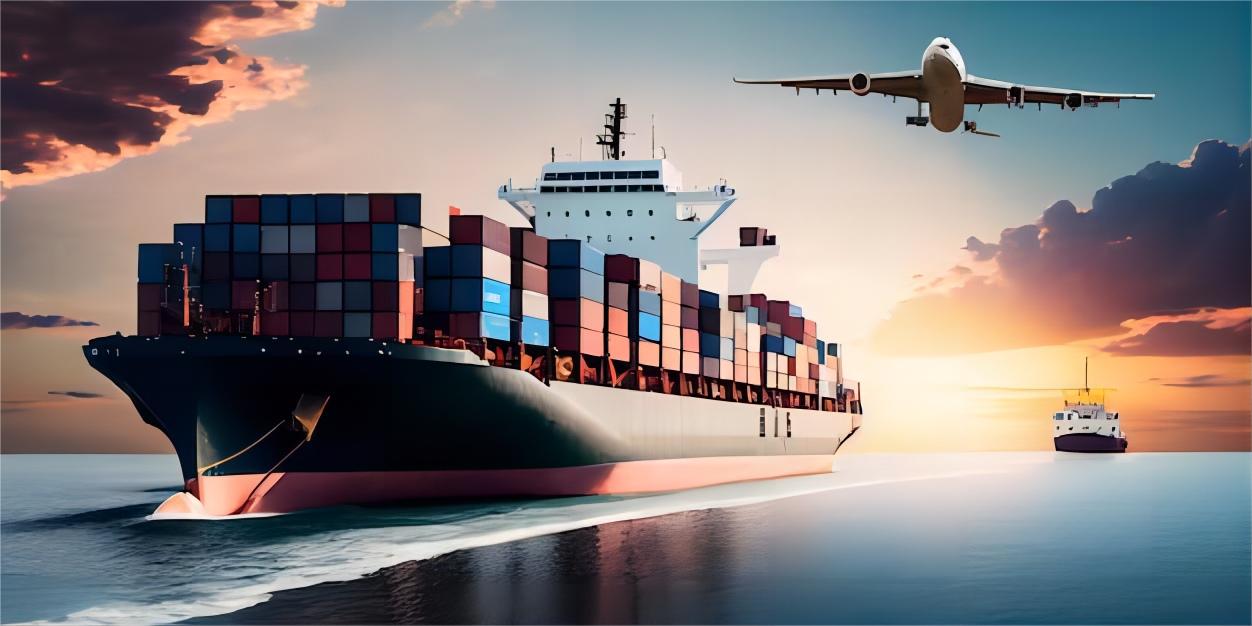
Best LCL Shipping from China to Belgium: A Complete Logistics Guide
Finding the best LCL shipping from China to Belgium is a critical step for businesses aiming to optimize their supply chain without the high cost of full containers. At Top China Freight, we provide comprehensive logistics solutions that bridge the gap between Asian manufacturing hubs and European markets. Consequently, this guide explores how you can leverage consolidated shipping to reduce expenses while ensuring your cargo arrives safely and on schedule.

What is LCL Shipping and Why is it Ideal for Belgium?
Less than Container Load, commonly known as LCL, allows multiple shippers to share space within a single ocean container. This method is particularly beneficial for small to medium-sized enterprises that do not have enough goods to fill a 20ft or 40ft container.
Moreover, Belgium serves as a primary gateway to Europe due to its strategic location and world-class port facilities. By choosing the best LCL shipping from China to Belgium, you gain access to efficient distribution networks that reach France, Germany, and the Netherlands within hours.
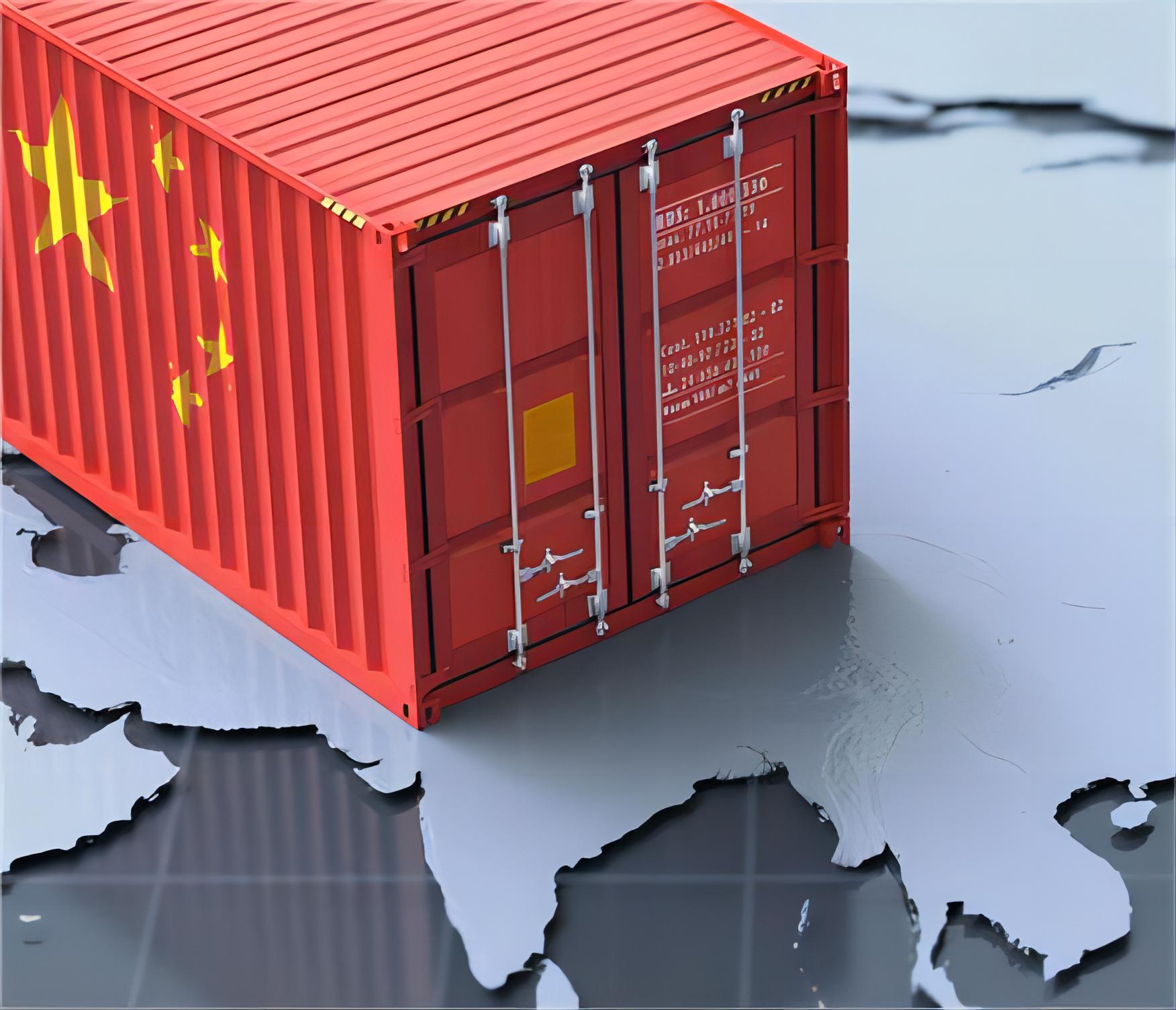
However, navigating the complexities of consolidation requires a deep understanding of freight schedules and port operations. Therefore, working with an experienced partner ensures your pallets are handled with care and integrated into the most efficient shipping lanes available.
Key Benefits of Choosing Best LCL Shipping from China to Belgium
Cost efficiency remains the most significant advantage of LCL shipping for smaller volumes. Instead of paying for an entire container, you only pay for the volume (CBM) your cargo occupies, which significantly lowers your overhead.
Additionally, LCL offers greater flexibility in inventory management. Businesses can ship smaller batches more frequently rather than waiting to accumulate enough stock for a full container, thus improving cash flow and reducing warehouse storage needs.
Furthermore, sea freight remains the most environmentally friendly mode of international transport. Consequently, choosing LCL contributes to a more sustainable supply chain by maximizing container utilization and reducing the carbon footprint per unit of cargo.
How Does LCL Shipping Compare to Other Shipping Options?
When planning your logistics strategy, it is vital to compare LCL with alternative methods like FCL, air, and rail. Each mode offers distinct trade-offs between speed, cost, and reliability depending on your specific business requirements.
For instance, while LCL is cheaper than air freight, it takes considerably longer to reach the destination. On the other hand, rail freight provides a middle ground, offering faster transit times than sea freight at a lower cost than air transport.
Indeed, understanding these differences allows you to make an informed decision based on your budget and urgency. Below is a detailed comparison of the most common shipping methods from China to Belgium.
| Sea LCL | $50 – $120 per CBM | 30 – 45 Days | Small volumes, low budget |
| Sea FCL (20GP) | $1,800 – $2,500 | 28 – 35 Days | Bulk goods, high volume |
| Rail Freight | $120 – $200 per CBM | 18 – 22 Days | Urgent cargo, mid-budget |
| Air Freight | $4.50 – $8.00 per kg | 5 – 8 Days | High value, time-sensitive |
Which Option Should You Choose? A Decision Framework
Selecting the right shipping method depends on four primary factors: volume, budget, urgency, and cargo type. If your shipment is under 15 CBM, LCL is usually the most cost-effective choice compared to FCL.
Budget priority suggests that Sea LCL is the winner, as it offers the lowest entry price for international trade. Nevertheless, if your goods are perishable or have a very high value-to-weight ratio, air freight might be the safer investment despite the higher cost.
Speed priority often leads shippers toward rail freight or express services. Rail is particularly effective for shipments originating in inland China, as it bypasses the need for long-distance trucking to coastal ports.
Transit Times for Best LCL Shipping from China to Belgium
The transit time for LCL shipping is generally longer than FCL because it involves additional steps like consolidation at the origin and deconsolidation at the destination. Typically, you should factor in an extra 5 to 7 days for these processes.
Moreover, the specific port of loading in China significantly impacts the total duration. Shipments from Southern China ports like Shenzhen often have different schedules compared to Northern ports like Qingdao or Tianjin.
According to industry benchmarks, the average sea transit from Shanghai to Antwerp is approximately 32 days. However, total door-to-door time usually ranges from 40 to 50 days when including local handling and customs.
| Shanghai | Antwerp | 30 – 33 Days | 42 – 48 Days |
| Shenzhen | Zeebrugge | 28 – 31 Days | 38 – 45 Days |
| Ningbo | Antwerp | 32 – 35 Days | 45 – 52 Days |
| Qingdao | Antwerp | 35 – 38 Days | 48 – 55 Days |
Understanding Customs Brokerage and Documentation
Belgium has strict customs regulations as part of the European Union. Consequently, ensuring your documentation is accurate is paramount to avoiding delays and unexpected storage fees at the port of Antwerp.
Essential documents include the Commercial Invoice, Packing List, and the Bill of Lading. Additionally, you may need a Certificate of Origin to qualify for specific trade agreements or tariff reductions.
Utilizing a professional customs brokerage service can simplify this process. They handle the filing of the Single Administrative Document (SAD) and ensure that the correct VAT and import duties are applied to your specific HS codes.
Door to Door LCL Shipping: The Ultimate Convenience
Many modern importers prefer door to door services to streamline their operations. This service covers everything from picking up the goods at the factory in China to final delivery at your warehouse in Belgium.
In addition to saving time, door-to-door shipping provides a single point of contact for your entire shipment. This reduces the risk of communication errors between different logistics providers and ensures a smoother transition through various transit stages.
Furthermore, this model often includes all-in pricing, which helps businesses budget more accurately by eliminating hidden fees at the port of discharge. It is an excellent choice for those new to importing from China.
Real Case Studies of LCL Shipping to Belgium
Reviewing real-world examples helps illustrate the practical costs and timelines involved in the best LCL shipping from China to Belgium. These cases reflect typical market conditions as of late 2024 and early 2025.
Case Study 1: Electronics from Ningbo to Antwerp. Route: Ningbo, China to Antwerp, Belgium. Cargo: Consumer electronics, 3 CBM, 850 kg. Shipping Method: Sea LCL. Carrier: Major carrier via transshipment. Cost Breakdown: Ocean Freight: $285; Origin Charges: $120; Destination Charges: $210; Customs & Duties: $450; Total Landed Cost: $1,065. Timeline: Booking to Loading: 4 days; Sea Transit: 33 days; Customs Clearance: 3 days; Total Door-to-Door: 45 days. Key Insight: Early booking allowed the shipper to secure a lower rate during the pre-peak season.
Case Study 2: Textiles from Shenzhen to Zeebrugge. Route: Shenzhen, China to Zeebrugge, Belgium. Cargo: Synthetic fabrics, 5.5 CBM, 1,200 kg. Shipping Method: Sea LCL. Carrier: Direct service. Cost Breakdown: Ocean Freight: $495; Origin Charges: $150; Destination Charges: $280; Customs & Duties: $620; Total Landed Cost: $1,545. Timeline: Booking to Loading: 3 days; Sea Transit: 30 days; Customs Clearance: 2 days; Total Door-to-Door: 40 days. Key Insight: Choosing a direct route to Zeebrugge saved 5 days compared to transshipment through Singapore.
Cost-Saving Strategies for LCL Shipments
To achieve the best LCL shipping from China to Belgium rates, you should focus on optimizing your packaging. Since LCL is charged by volume, reducing excess air in your boxes can lead to significant savings over time.
Moreover, try to avoid shipping during peak seasons, such as the weeks leading up to the Chinese New Year or the Golden Week in October. Rates typically increase by 15-25% during these periods due to high demand and limited carrier capacity.
Additionally, consolidating multiple small orders from different suppliers into one LCL shipment can further reduce your costs. This strategy minimizes the fixed administrative fees associated with each separate bill of lading.
Market Intelligence and Q1 2025 Outlook
As of Q1 2025, freight rates from China to Europe have stabilized after the disruptions seen in previous years. However, fuel surcharges and regional logistics trends continue to influence the final pricing for LCL cargo.
Market data suggests that while container availability is currently high, port congestion in major hubs can still impact transit times. Therefore, it is advisable to maintain a buffer of at least one week in your delivery schedule.
Note: Freight rates are subject to change based on fuel costs, carrier capacity, and seasonal demand. Contact us for a current quote tailored to your specific shipment.
Final Thoughts on LCL Shipping to Belgium
In summary, securing the best LCL shipping from China to Belgium requires a balance of strategic planning, accurate documentation, and choosing the right logistics partner. By understanding the nuances of consolidation and comparing all available transport modes, you can significantly reduce your shipping costs.
Whether you prioritize speed or budget, the Belgian gateway offers unparalleled access to the European market. Consequently, leveraging LCL shipping allows your business to remain competitive and agile in a global economy. Trust Top China Freight to handle your cargo with the professionalism and efficiency it deserves.
Ready to streamline your logistics?
Are you ready to optimize your supply chain with the best LCL shipping from China to Belgium? Contact our expert team today to receive a customized quote and expert guidance for your next shipment. Send Inquiry
Request Quote