

Professional LCL Shipping from China to Belgium: A Complete Logistics Guide
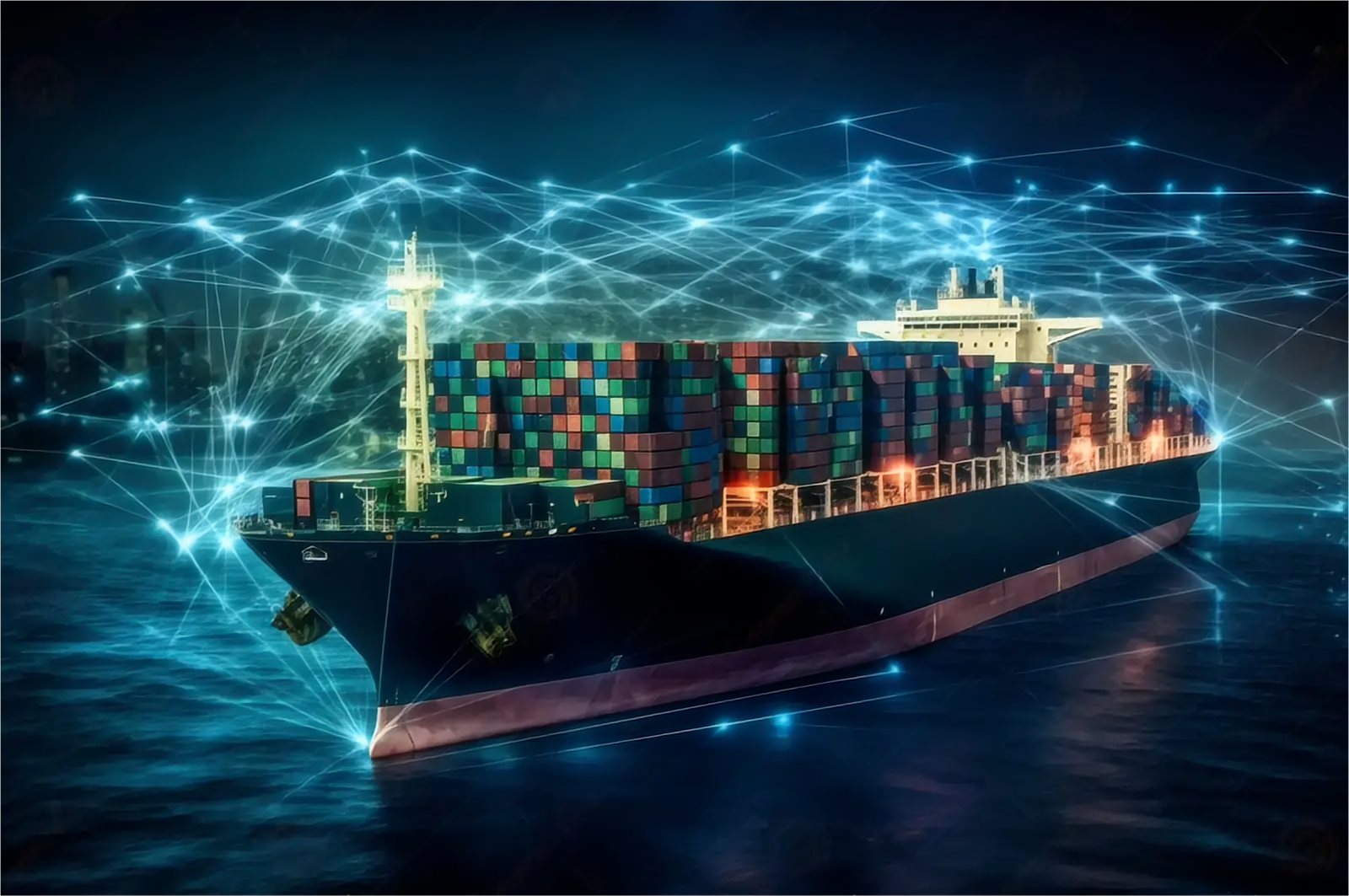
Managing international trade requires a strategic approach to logistics, especially when handling smaller cargo volumes. Navigating the complexities of professional LCL shipping from China to Belgium ensures your business remains competitive and efficient. Top China Freight offers specialized solutions designed to streamline your import process while maintaining cost-effectiveness.
The Strategic Importance of Professional LCL Shipping from China to Belgium
LCL shipping, or Less than Container Load, allows businesses to share container space with other importers. This method is ideal for companies that do not have enough goods to fill an entire 20-foot or 40-foot container. Consequently, you only pay for the volume you actually use, which significantly reduces overhead costs.

Belgium serves as a vital gateway to the European market due to its advanced infrastructure and strategic location. Choosing sea freight options like LCL provides a balance between affordability and reliability. Furthermore, professional handling ensures that your cargo is consolidated and deconsolidated with precision to prevent damage.
Moreover, this shipping method supports better inventory management by allowing for more frequent, smaller shipments. Instead of waiting to accumulate enough stock for a full container, you can maintain a steady flow of goods. This flexibility is essential for meeting the dynamic demands of the Belgian retail and industrial sectors.
Understanding the Cost Factors of LCL Shipments
Shipping costs for LCL are primarily calculated based on volume, measured in cubic meters (CBM). However, weight can also influence the price if the cargo is exceptionally heavy. Therefore, it is crucial to understand how freight rates are structured to avoid unexpected expenses.
In addition to the base ocean freight, several surcharges may apply during the journey. These include Terminal Handling Charges (THC), documentation fees, and fuel adjustment factors. Indeed, working with a professional forwarder helps in identifying these costs upfront for better budgeting.
Market data suggests that rates fluctuate based on seasonal demand and carrier capacity. For instance, prices often rise during the peak season from August to October. Additionally, fuel costs and global economic trends play a significant role in determining the final landed cost of your goods.
| Fee Type | Estimated Cost (USD) | Basis | Notes |
|---|---|---|---|
| Ocean Freight | $45 – $85 | Per CBM | Varies by port of origin |
| THC (Origin) | $25 – $40 | Per CBM | Port handling in China |
| Documentation | $50 – $75 | Per Set | Standard paperwork fee |
| Customs Entry | $100 – $150 | Per Entry | Standard Belgian clearance |
How Does LCL Shipping Compare to Other Shipping Options?
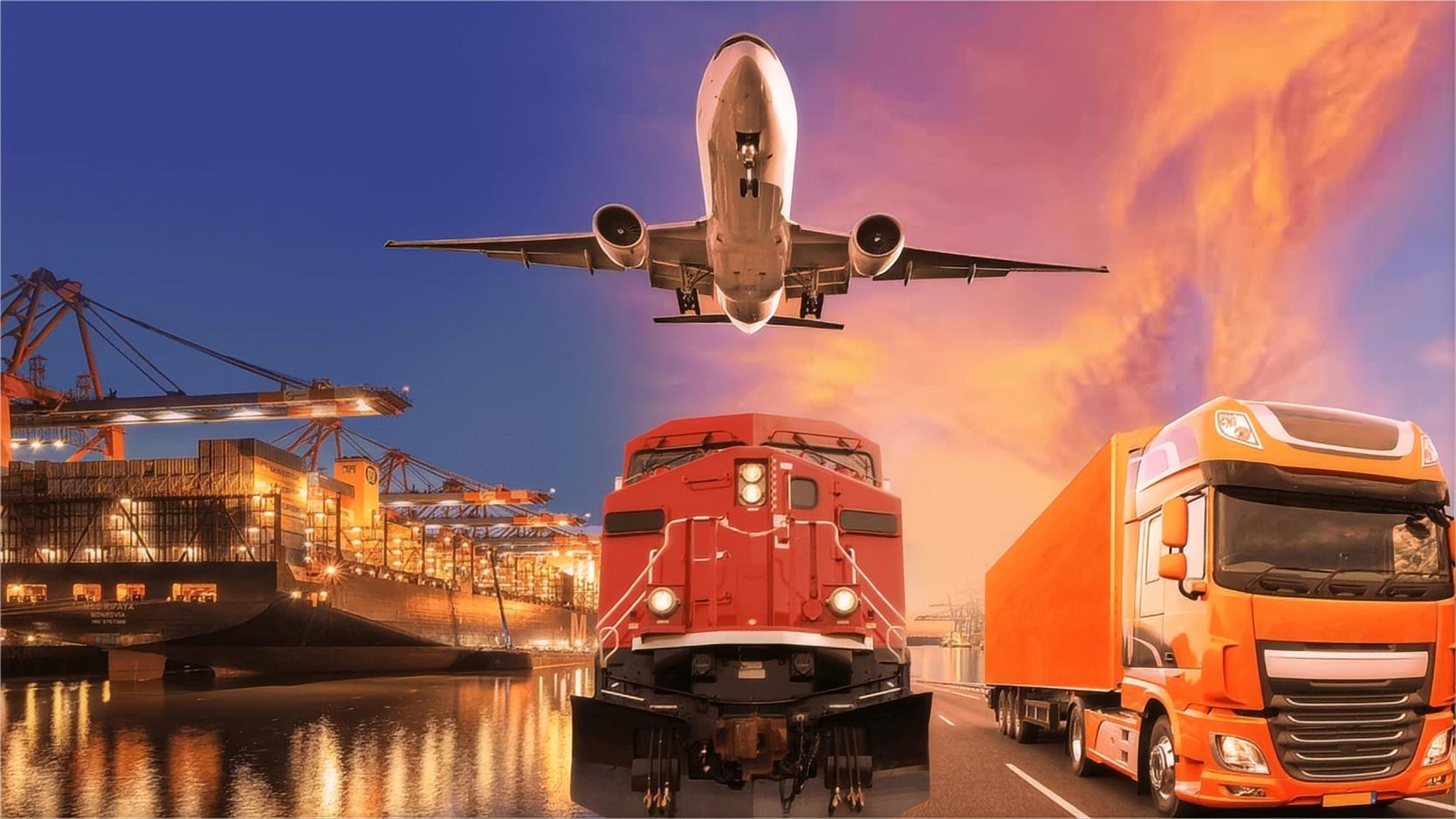
When planning your logistics, it is vital to compare LCL with alternative methods like FCL, air, or rail. While LCL is cost-effective for small volumes, FCL becomes more economical once you exceed 15 CBM. On the other hand, air freight offers unmatched speed but at a much higher price point.
Furthermore, rail freight has emerged as a strong middle-ground option for China-Europe routes. It is faster than sea freight and cheaper than air transport. Nevertheless, LCL sea freight remains the most popular choice for budget-conscious importers focusing on non-urgent goods.
Each method has its own set of trade-offs regarding transit time and safety. For example, air freight minimizes the risk of damage due to less handling. In contrast, LCL involves more touchpoints during consolidation, which requires superior packaging standards.
| Method | Cost Range | Transit Time | Best For |
|---|---|---|---|
| LCL Sea Freight | $150 – $400 | 30-40 Days | Small volumes/Budget |
| FCL Sea Freight | $2800 – $4200 | 28-35 Days | Bulk goods/Large volume |
| Rail Freight | $120 – $250 | 18-22 Days | Mid-range speed/Cost |
| Air Freight | $4.50 – $8.50/kg | 5-7 Days | Urgent/High-value goods |
Which Option Should You Choose? Decision Framework
Budget priority: If your primary goal is to minimize costs and your timeline is flexible, recommend LCL sea freight. This allows you to allocate capital to other areas of your business while goods are in transit. Without a doubt, it is the most economical way to move 1-10 CBM of cargo.
Speed priority: If you need to replenish stock quickly or meet a tight deadline, recommend air freight. While the cost is higher, the rapid delivery schedule ensures you do not miss market opportunities. Consequently, the higher freight rate is often offset by increased sales volume.
Cargo type considerations: For hazardous materials or extremely fragile items, FCL may be safer than LCL. This is because your goods are not mixed with other shipments, reducing the risk of contamination or mishandling. Meanwhile, standard dry goods are perfectly suited for professional LCL consolidation.
Essential Documentation and Customs Compliance
Importing goods into Belgium requires strict adherence to European Union customs regulations. You must provide a Commercial Invoice, a Packing List, and a Bill of Lading for every shipment. Additionally, an EORI number is mandatory for all businesses importing into the EU.
Navigating these requirements can be challenging for many importers. Therefore, utilizing a customs brokerage service is highly recommended. These experts ensure that your HS codes are correct and that you pay the appropriate duties and VAT.
Failure to provide accurate documentation can lead to significant delays at the Port of Antwerp or Zeebrugge. As a result, your storage costs may increase, and your delivery schedule could be disrupted. Always double-check that all paperwork matches the physical cargo to ensure a smooth clearance process.
Alternative Strategies for Cost-Effective Logistics
To optimize your supply chain, consider hybrid solutions like sea-air or rail-sea combinations. These strategies can provide a faster transit time than pure sea freight while remaining more affordable than direct air freight. For instance, shipping by sea to a hub and then by air to Belgium can save both time and money.
Another effective strategy is to consolidate shipments from multiple suppliers in China into a single LCL booking. This reduces documentation fees and simplifies the tracking process. Moreover, it allows you to negotiate better rates with your freight forwarder based on higher aggregate volumes.
Additionally, choosing door to door services can eliminate the hassle of managing multiple logistics providers. This comprehensive approach covers everything from the factory floor in China to your warehouse in Belgium. Indeed, this end-to-end visibility is crucial for modern supply chain management.
Real-World Case Studies: LCL Success Stories
Case Study 1: Electronics from Shenzhen to Antwerp. A Belgian tech startup needed to import 4 CBM of specialized sensors. By choosing professional LCL shipping, they saved over $2,000 compared to air freight. The shipment arrived in 34 days, perfectly aligned with their product launch schedule.
Case Study 2: Textiles from Ningbo to Zeebrugge. A boutique clothing brand imported 8 CBM of organic cotton fabrics. Using a consolidated LCL service, they achieved a landed cost that allowed for a 40% retail margin. Despite a minor port delay, the professional forwarder managed the customs entry efficiently.
These examples highlight how LCL shipping supports business growth by providing scalable logistics. Whether you are a small startup or an established enterprise, LCL offers the flexibility needed to navigate the international marketplace. Based on Q4 2024 market rates, these solutions remain highly competitive.
Case Study 1: Electronics Components
Route: Shenzhen, China to Antwerp, Belgium. Cargo: 4 CBM, 850 kg. Method: LCL Sea Freight. Ocean Freight: $280. Origin Charges: $160. Destination Charges: $220. Customs & Duties: $450. Total Landed Cost: $1,110. Sea Transit: 32 days. Total Door-to-Door: 42 days. Key Insight: Early booking secured a lower rate during the pre-holiday rush.
Case Study 2: Home Decor Products
Route: Ningbo, China to Zeebrugge, Belgium. Cargo: 7 CBM, 1200 kg. Method: LCL Sea Freight. Ocean Freight: $490. Origin Charges: $210. Destination Charges: $310. Customs & Duties: $680. Total Landed Cost: $1,690. Sea Transit: 35 days. Total Door-to-Door: 45 days. Key Insight: Professional palletizing reduced the risk of damage during deconsolidation.
Transit Times and Port Logistics in Belgium
Shipping from China to Europe, specifically Belgium, typically takes between 30 and 45 days. This timeline includes the time for consolidation at the origin port and deconsolidation at the destination. Consequently, planning ahead is essential to maintain inventory levels.
The Port of Antwerp is the primary destination for most LCL cargo entering Belgium. It is one of the busiest ports in the world, offering excellent connectivity to the rest of the continent. Meanwhile, the Port of Zeebrugge is an alternative that specializes in roll-on/roll-off and containerized goods.
Transit times can be affected by various factors, including weather conditions and port congestion. However, professional logistics providers use advanced tracking systems to provide real-time updates. This transparency allows you to adjust your local distribution plans accordingly.
Mastering Your LCL Logistics Strategy
In summary, professional LCL shipping from China to Belgium provides a vital link for businesses looking to optimize their international trade. By understanding the cost structures, documentation requirements, and alternative strategies, you can make informed decisions that benefit your bottom line. Furthermore, the flexibility of LCL allows for scalable growth without the burden of high shipping costs.
As market conditions continue to evolve, staying informed about freight trends and logistics best practices is essential. Whether you prioritize cost, speed, or cargo safety, there is an LCL solution that fits your specific needs. Partnering with an experienced freight forwarder ensures that your journey from China to Belgium is smooth, compliant, and cost-effective.
Ready to streamline your logistics?
Streamline your supply chain today with our professional LCL shipping from China to Belgium. Contact Top China Freight for a customized quote and expert guidance on your next shipment. Visit our website to learn more about our comprehensive logistics solutions. Send Inquiry: https://Top China Freight.com/contact-us/
Request Quote