

Fast FCL Shipping from China to USA: The 2025 Logistics Guide
Fast FCL shipping from China to USA remains the most reliable method for businesses to move large volumes of cargo across the Pacific Ocean. By partnering with a professional logistics provider like Top China Freight, importers can significantly reduce transit times while maintaining cost efficiency. Consequently, selecting the right shipping lane and carrier service is paramount for maintaining a healthy and responsive supply chain in today’s competitive market.
What Defines Fast FCL Shipping from China to USA?
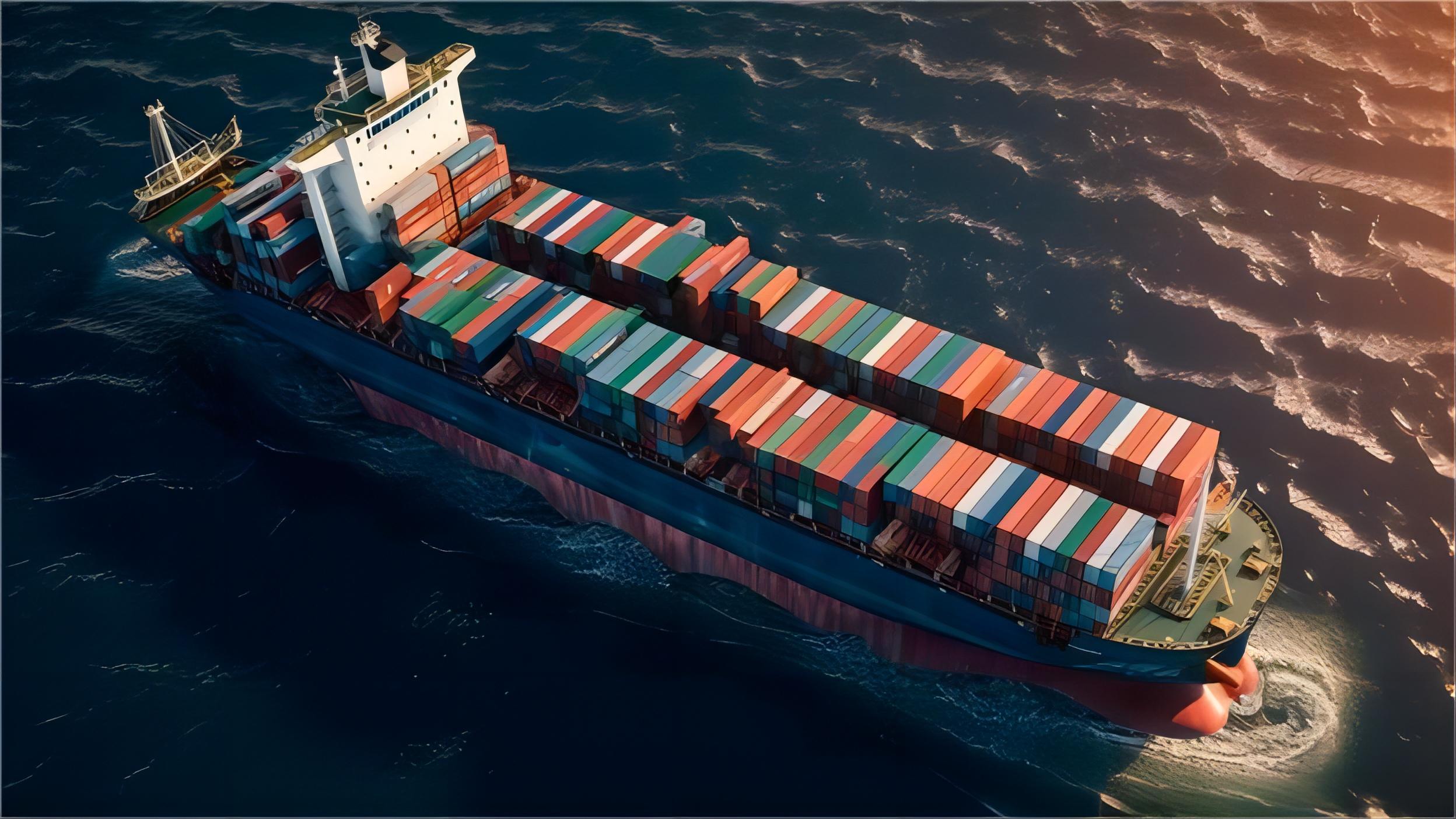
Full Container Load shipping involves dedicating an entire 20ft or 40ft container to a single consignee, which eliminates the need for consolidation. Moreover, fast FCL shipping specifically utilizes premium loops and expedited ocean services that prioritize speed and port priority. Indeed, services like Matson CLX or ZIM eCommerce Xpress are designed to rival air freight speeds at a fraction of the cost.
Selecting these expedited routes ensures that your cargo avoids the typical delays associated with multiple port calls. Furthermore, these premium services often include dedicated terminals at US West Coast ports, which significantly reduces the time spent on the docks. Therefore, businesses can expect a much more predictable delivery schedule when opting for high-priority container slots.
How Does Fast FCL Compare to Other Shipping Options?
While standard sea freight is economical, it often takes 30 to 45 days to reach the US East Coast. On the other hand, expedited FCL services can reach the West Coast in as little as 12 to 14 days. Consequently, the choice between speed and cost depends heavily on your inventory requirements and seasonal demand peaks.
Comparing these methods helps logistics managers allocate their budgets more effectively across different product lines. Additionally, understanding the limitations of each mode prevents unexpected delays in the distribution network. Without a doubt, a hybrid approach often yields the best results for diverse product portfolios.
| Shipping Method | Cost Range (USD) | Transit Time | Best For |
|---|---|---|---|
| Best | Cost | Time | Method |
| Best | Cost | Time | Method |
| Best | Cost | Time | Method |
| Best | Cost | Time | Method |
Understanding Transit Times by Destination Port
Transit times vary significantly depending on whether your destination is a West Coast port like Long Beach or an East Coast port like Savannah. For example, direct sailings from Shanghai to Los Angeles are the fastest routes available in the transpacific lane. Meanwhile, shipments bound for the East Coast must either transit the Panama Canal or utilize the US intermodal rail system.
Using air freight remains the only way to beat these ocean times, but the cost difference is substantial. Nevertheless, many companies find that the 14-day transit of expedited ocean freight provides the perfect balance for their supply chain. Accordingly, planning your port of entry is just as important as choosing your carrier.
The Role of Customs Brokerage in Expedited Shipping
Fast shipping is only effective if the cargo clears the port of entry without administrative delays. Therefore, engaging a professional customs brokerage service is essential for ensuring all documentation is accurate and compliant. Specifically, having a pre-clearance strategy allows the cargo to be processed while the vessel is still at sea.
Errors in HTS coding or missing commercial invoices can lead to expensive storage fees and missed delivery windows. In addition, the US Customs and Border Protection agency frequently updates regulations regarding imports from China. As a result, staying informed about current tariffs and trade policies is vital for any successful importing business.
Alternative Strategies for Rapid Delivery
When standard routes are congested, savvy importers look for alternative strategies to keep their goods moving. For instance, the sea-air hybrid solution involves shipping goods to a mid-point by sea and then flying them to the final destination. However, this is usually reserved for extreme situations where traditional fast FCL shipping from China to USA is unavailable.
Another effective strategy is utilizing door to door services that manage the entire logistics chain from the factory floor to the warehouse. This approach minimizes the number of hand-offs between different logistics providers. Consequently, it reduces the risk of communication errors and transit delays during the inland transportation phase.
Case Study 1: Electronics from Shenzhen to Los Angeles
Route: Shenzhen, China to Los Angeles, USA. Cargo: Consumer Electronics, 68 CBM, 14,000 kg. Container: 40HQ. Shipping Details: Matson CLX service from Ningbo/Shanghai. Port of Loading: Shanghai. Port of Discharge: Long Beach. Route Type: Direct expedited.
Cost Breakdown: Ocean Freight: $5,800. Origin Charges: $450. Destination Charges: $600. Customs and Duties: $12,500. Total Landed Cost: $19,350. Timeline: Booking to Loading: 3 days. Sea Transit: 11 days. Customs Clearance: 1 day. Total Door-to-Door: 18 days. Key Insight: Utilizing the Matson dedicated terminal avoided 5 days of congestion delays typically seen at public terminals during peak season.
Case Study 2: Seasonal Apparel to the East Coast
Route: Ningbo, China to Savannah, USA. Cargo: Summer Clothing, 55 CBM, 8,500 kg. Container: 40GP. Shipping Details: ZIM ZCP service. Port of Loading: Ningbo. Port of Discharge: Savannah. Route Type: All-water via Panama Canal.
Cost Breakdown: Ocean Freight: $6,200. Origin Charges: $400. Destination Charges: $750. Customs and Duties: $8,200. Total Landed Cost: $15,550. Timeline: Booking to Loading: 4 days. Sea Transit: 28 days. Customs Clearance: 2 days. Total Door-to-Door: 38 days. Key Insight: Direct all-water service was 15 percent cheaper than the West Coast rail-bridge option despite a longer transit time.
Case Study 3: Furniture for Amazon FBA Distribution
Route: Qingdao, China to Dallas, USA. Cargo: Home Office Furniture, 28 CBM, 6,000 kg. Container: 20GP. Shipping Details: Amazon FBA specialized ocean service. Port of Loading: Qingdao. Port of Discharge: Long Beach (then rail to Dallas). Route Type: Intermodal.
Cost Breakdown: Ocean Freight: $3,200. Origin Charges: $350. Destination Charges: $1,100 (including rail). Customs and Duties: $4,500. Total Landed Cost: $9,150. Timeline: Booking to Loading: 5 days. Sea Transit: 16 days. Rail Transit: 7 days. Total Door-to-Door: 32 days. Key Insight: Pre-booked rail slots ensured the container moved out of the port within 48 hours of vessel discharge.
Which Option Should You Choose for Your Business?
Deciding on the best shipping method requires an objective analysis of your budget and timeline. If your primary goal is budget priority, then standard FCL on a larger vessel with transshipment is the most logical choice. However, if speed priority is the main driver, you must invest in expedited ocean freight or premium carrier services.
Cargo type considerations also play a major role in this decision-making process. For example, perishable or high-fashion items often justify the higher rates of fast FCL shipping from China to USA. Meanwhile, industrial raw materials or low-margin goods are better suited for slower, more economical routes. Market data suggests that rates fluctuate based on fuel costs, so always request a current quote.
| Priority | Recommended Option | Average Cost | Key Benefit |
|---|---|---|---|
| Best | Cost | Option | Priority |
| Best | Cost | Option | Priority |
| Best | Cost | Option | Priority |
| Best | Cost | Option | Priority |
Market Intelligence and Shipping Trends for 2025
As of early 2025, freight rates from China to the USA have stabilized following the disruptions of previous years. Nevertheless, seasonal patterns still dictate pricing, with rates typically increasing 15 to 25 percent during the August to October peak season. Accordingly, many importers are choosing to ship their holiday inventory earlier to avoid these surcharges.
Technological advancements in tracking and supply chain visibility are also changing how businesses manage their logistics. For instance, real-time GPS tracking for containers is becoming a standard requirement for premium FCL services. Indeed, this transparency allows for better warehouse planning and more accurate customer delivery estimates.
Final Thoughts on Expedited Ocean Freight
Mastering fast FCL shipping from China to USA is a critical skill for any modern importer. By understanding the differences between standard and expedited services, you can make informed decisions that benefit your bottom line. Moreover, the integration of professional customs brokerage and door-to-door services creates a seamless logistics experience.
Always remember that the cheapest option is not always the most cost-effective in the long run. Delays and stockouts can cost your business far more than the premium for a faster shipping lane. Therefore, prioritize reliability and speed when your inventory levels are critical. To summarize, choosing the right partner and service level is the key to successful transpacific shipping.
Ready to streamline your logistics?
Ready to accelerate your supply chain with fast FCL shipping from China to USA? Contact Top China Freight today for a customized quote and expert logistics advice. Our team is standing by to help you navigate the complexities of international trade and ensure your cargo arrives on time. Visit our website to learn more and start your shipping journey now.
Request Quote