

Cheap FCL Shipping from China to Australia: 2025 Guide
Finding cheap FCL shipping from China to Australia is a primary goal for businesses looking to optimize their supply chain costs. Consequently, navigating the complexities of international logistics requires a strategic approach to container selection and carrier negotiation. This comprehensive guide provides actionable insights to help you secure the most competitive rates available in the current market.
What is FCL Shipping and Why Does It Matter?
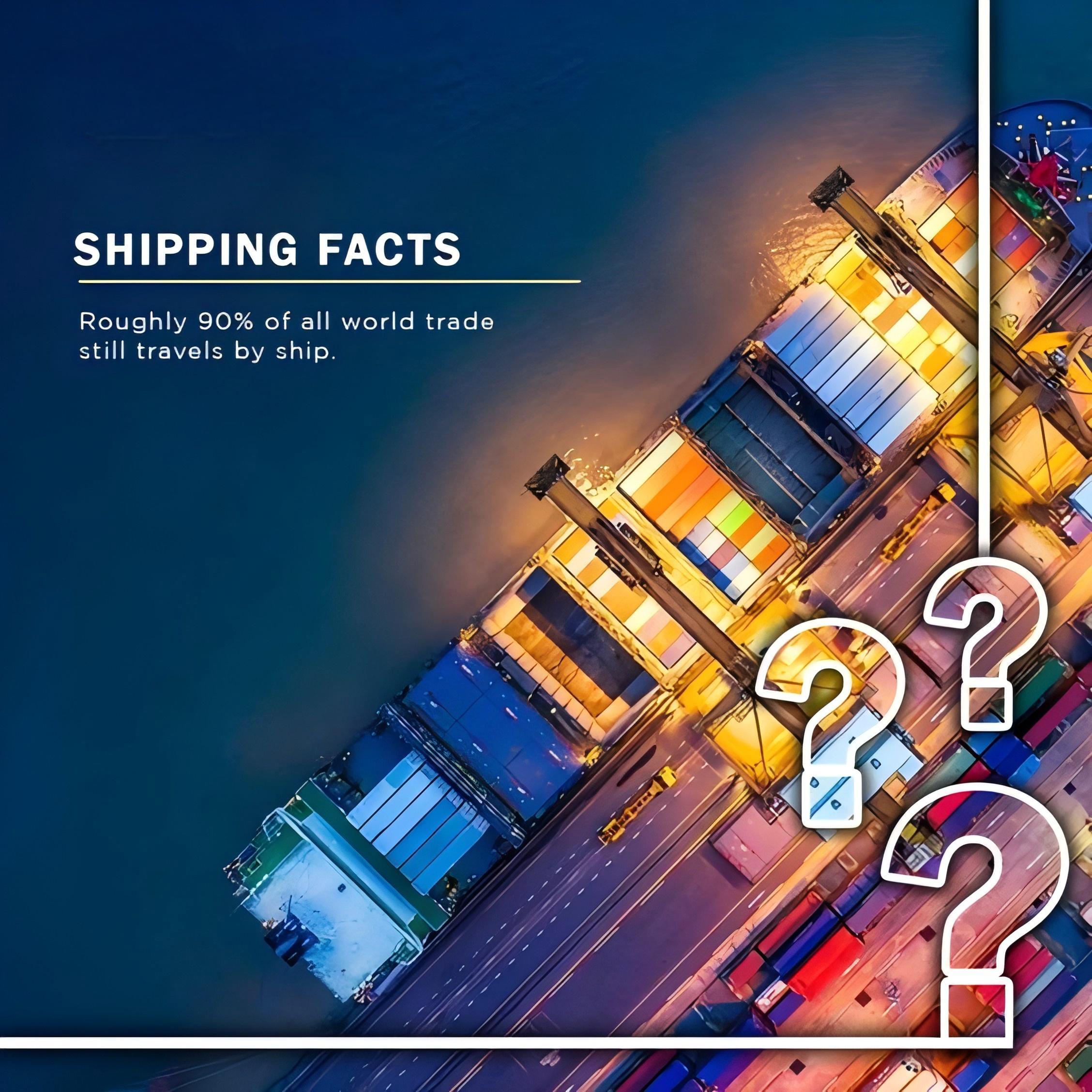
Full Container Load (FCL) refers to a shipping mode where one importer occupies an entire container exclusively. Moreover, sea freight remains the most cost-effective method for transporting large volumes of goods across the ocean. Shippers benefit from reduced handling because the container remains sealed until it reaches the final destination.
Therefore, choosing FCL is often safer for fragile or high-value items compared to shared container options. Additionally, FCL shipments usually experience faster transit times because they do not require the consolidation or deconsolidation processes associated with LCL cargo. This efficiency makes it a preferred choice for businesses with consistent high-volume inventory needs.
How Does FCL Compare to Other Shipping Options?
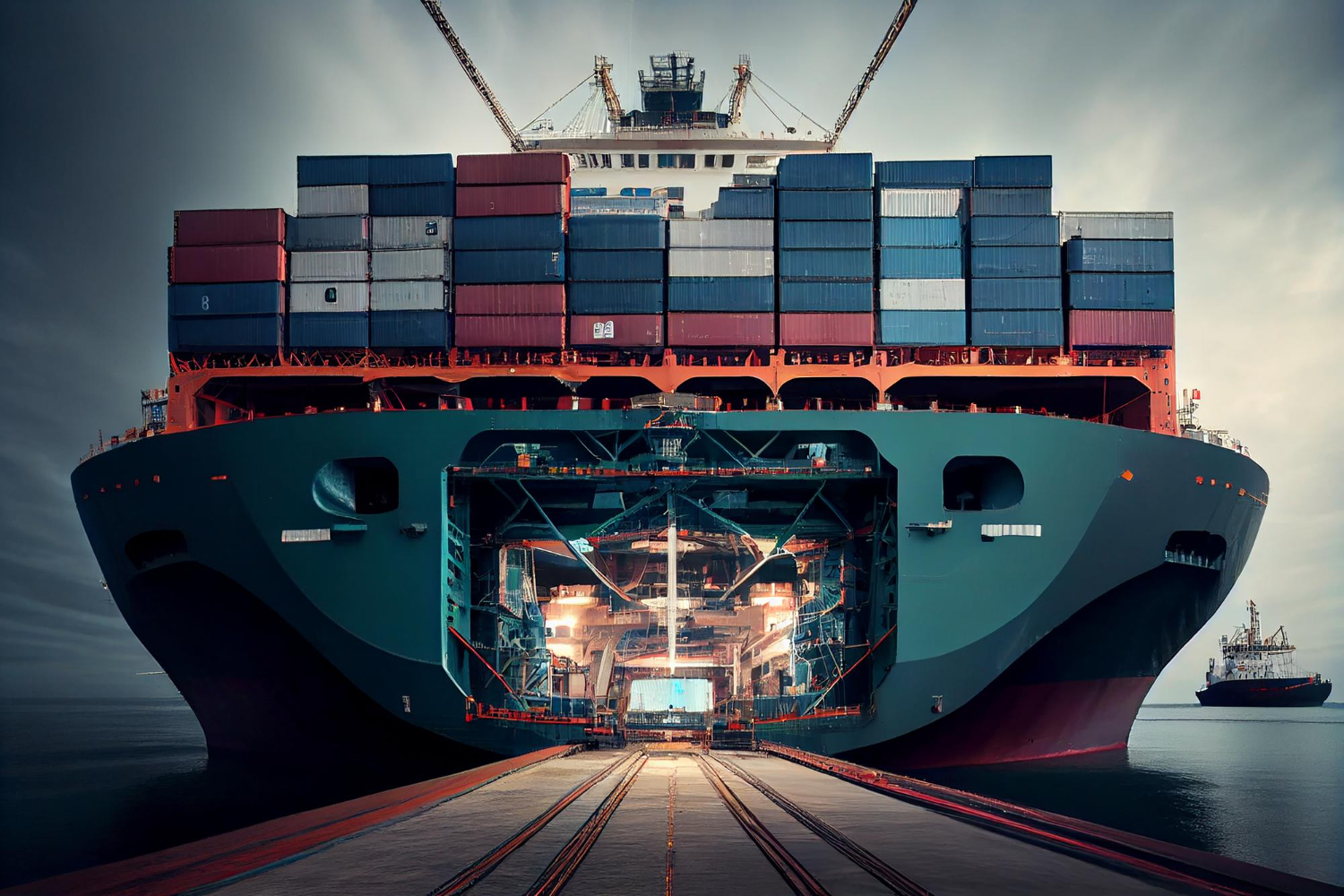
Analyzing the differences between shipping methods is essential for identifying the most economical logistics strategy. While air freight offers the fastest delivery, it comes at a significantly higher price point that often exceeds the value of bulk goods. In contrast, sea-based solutions provide the necessary capacity for heavy machinery or large retail orders.
Furthermore, FCL becomes more cost-effective than LCL once your cargo volume exceeds approximately 15 cubic meters. Shippers should evaluate their specific volume and urgency before committing to a specific transport mode. The following table illustrates the key differences between the most common shipping methods for the China-Australia route.
| Shipping Method | Cost Range | Transit Time | Best For |
|---|---|---|---|
| FCL (20GP) | $800 – $1,200 | 12 – 18 Days | Bulk goods over 15CBM |
| LCL (Per CBM) | $50 – $100 | 18 – 25 Days | Small shipments |
| Air Freight (KG) | $4.00 – $8.00 | 3 – 7 Days | Urgent/High-value |
| Express | $7.00 – $12.00 | 2 – 5 Days | Samples/Documents |
Why Choose Cheap FCL Shipping from China to Australia?
Securing cheap FCL shipping from China to Australia allows businesses to maintain higher profit margins in a competitive market. Because Australia relies heavily on imported manufactured goods, establishing a reliable shipping lane is vital for long-term success. Consequently, lower freight costs translate directly into more competitive retail pricing for Australian consumers.
Moreover, the Australia-China Free Trade Agreement (ChAFTA) provides additional opportunities to save on customs duties. Shippers who utilize FCL can maximize the benefits of this agreement by moving larger quantities under a single bill of lading. Indeed, the predictability of FCL schedules helps Australian businesses manage their inventory levels with much greater precision.
Which Option Should You Choose?
Deciding on the right container size depends heavily on your total cargo volume and weight. If your shipment is between 15 and 28 cubic meters, a 20GP container is typically the most efficient choice. However, if your volume exceeds 30 cubic meters, upgrading to a 40GP or 40HQ container will significantly lower your cost per unit.
Budget priorities often dictate the choice between direct routes and transshipment options via Southeast Asian hubs. While direct routes are faster, transshipment can sometimes offer lower base rates during the off-peak season. Shippers should also consider the nature of their cargo, as specialized items may require refrigerated or open-top containers.
Volume Thresholds for Better Rates
For shipments under 15 CBM, LCL at $50-80/CBM may be more economical than a full container. Nevertheless, once you hit the 15 CBM mark, the flat rate of an FCL container often becomes cheaper. Consequently, consolidating multiple smaller orders into one full container is a smart way to reduce overall expenditure.
Factors Influencing Cheap FCL Shipping from China to Australia Rates
Market rates fluctuate based on several variables, including fuel surcharges and seasonal demand spikes. For instance, prices usually increase by 15-25% during the peak season from August to October as retailers prepare for the holiday rush. Shippers should book their space at least 3-4 weeks in advance to secure the best possible pricing during these periods.
Furthermore, the choice of departure port in China impacts the final landed cost. Major ports like Shanghai, Ningbo, and Shenzhen offer the most frequent departures and competitive rates due to high carrier competition. In contrast, smaller inland ports might involve higher trucking costs to reach the main terminal.
| Container Type | Capacity (CBM) | Max Weight (KG) | Avg. Price Range |
|---|---|---|---|
| 20GP | 28 – 30 | 18,000 | $800 – $1,200 |
| 40GP | 58 – 60 | 26,000 | $1,200 – $1,800 |
| 40HQ | 68 – 70 | 26,000 | $1,400 – $2,000 |
Case Study 1: Electronics from Shenzhen to Sydney
Route: Shenzhen, China to Sydney, Australia. Cargo: Consumer Electronics, 25 CBM, 8,000 kg. Container: 20GP. Shipping Details: Carrier: Major carrier. Port of Loading: Shenzhen. Port of Discharge: Sydney. Route Type: Direct.
Cost Breakdown: Ocean Freight: $950. Origin Charges: $250. Destination Charges: $300. Customs and Duties: $1,200. Total Landed Cost: $2,700. Timeline: Booking to Loading: 4 days. Sea Transit: 14 days. Customs Clearance: 2 days. Total Door-to-Door: 20 days.
Key Insight: By choosing a direct route from Shenzhen, the client avoided transshipment delays and secured a competitive rate by booking during a mid-quarter lull. Based on Q3 2024 market rates.
Case Study 2: Furniture from Ningbo to Melbourne
Route: Ningbo, China to Melbourne, Australia. Cargo: Flat-pack Furniture, 65 CBM, 15,000 kg. Container: 40HQ. Shipping Details: Carrier: COSCO. Port of Loading: Ningbo. Port of Discharge: Melbourne. Route Type: Direct.
Cost Breakdown: Ocean Freight: $1,650. Origin Charges: $400. Destination Charges: $450. Customs and Duties: $2,100. Total Landed Cost: $4,600. Timeline: Booking to Loading: 6 days. Sea Transit: 18 days. Customs Clearance: 3 days. Total Door-to-Door: 27 days.
Key Insight: Utilizing a 40HQ container allowed the shipper to maximize volume efficiency, reducing the shipping cost per item by 20% compared to using two 20GP containers. Typical rates as of early 2025.
Navigating Customs and Documentation
Professional customs brokerage is essential for avoiding costly delays at Australian ports. Australia has strict biosecurity laws, particularly regarding wooden packaging and organic materials. Therefore, ensuring all pallets are heat-treated and accompanied by a valid fumigation certificate is mandatory.
Additionally, you must prepare a complete set of documents, including the Commercial Invoice, Packing List, and Bill of Lading. Accuracy in HTS code classification is critical because it determines the duty rate applied to your goods. Mistakes in documentation can result in heavy fines or extended storage fees at the terminal.
Optimizing the Supply Chain with Door to Door Services
Many businesses prefer a door to door solution to simplify their logistics operations. This service covers everything from the factory pickup in China to the final delivery at your warehouse in Australia. Consequently, it removes the burden of coordinating multiple vendors and allows you to focus on core business activities.
Moreover, an integrated service provider can offer better visibility through real-time tracking. This transparency helps you manage customer expectations and plan your marketing campaigns around confirmed arrival dates. While the initial quote might seem higher, the reduction in administrative overhead and risk often makes it the most cost-effective long-term strategy.
Alternative Strategies for Cost Savings
If sea freight is too slow but air freight is too expensive, consider a hybrid sea-air solution. This involves shipping by sea to a hub like Singapore and then flying the goods to Australia. Although complex, this method can save up to 40% compared to pure air freight while cutting transit time in half compared to sea freight.
Another strategy involves optimizing your packaging to fit more units into a single container. For instance, switching to thinner pallets or redesigning product boxes can sometimes allow for a 10-15% increase in container utilization. Industry average for this route suggests that even small improvements in packing density lead to significant annual savings.
Transit Times from Major China Ports to Australia
Transit times vary depending on the specific port of loading and the destination city in Australia. Generally, shipments from South China ports like Shenzhen or Guangzhou arrive faster than those from Northern ports like Tianjin. The following table provides an industry benchmark for typical sea transit durations.
Note: Freight rates and transit times are subject to change based on fuel costs, carrier capacity, and seasonal demand. Contact us for a current quote tailored to your specific shipment.
| Origin Port | Sydney | Melbourne | Brisbane |
|---|---|---|---|
| Shenzhen | 12 – 14 Days | 15 – 17 Days | 13 – 15 Days |
| Shanghai | 15 – 18 Days | 18 – 21 Days | 16 – 19 Days |
| Ningbo | 16 – 19 Days | 19 – 22 Days | 17 – 20 Days |
| Qingdao | 20 – 24 Days | 23 – 27 Days | 21 – 25 Days |
How to Negotiate Better Rates with Freight Forwarders
Building a long-term relationship with a single logistics partner often leads to better pricing and priority space allocation. Freight forwarders are more likely to offer discounts to clients who provide consistent volume throughout the year. Therefore, avoid ‘rate shopping’ for every individual shipment if you want to build the leverage needed for deep discounts.
Furthermore, try to be flexible with your departure dates. Shipping mid-week or during the second week of the month can sometimes reveal lower rates as carriers look to fill remaining capacity. Always ask for a breakdown of all surcharges to ensure there are no hidden fees in your initial quote.
The Impact of Logistics Trends on Australia Shipping
Current logistics trends indicate a move toward greener shipping and digital documentation. Carriers are increasingly adopting slow-steaming practices to reduce fuel consumption, which may slightly increase transit times. Meanwhile, the shift toward electronic Bills of Lading is speeding up the document release process at Australian ports.
As of Q1 2025, freight rates from China to Australia have stabilized after the fluctuations of previous years. However, global economic shifts and fuel price changes mean that shippers must remain vigilant. Staying informed about these trends allows you to adapt your shipping strategy before market changes impact your bottom line.
Mastering Your China to Australia Logistics
To summarize, achieving cheap FCL shipping from China to Australia requires a combination of careful planning, volume optimization, and the right logistics partner. By understanding the differences between container sizes and staying aware of seasonal market trends, you can significantly reduce your landed costs. Remember to prioritize accurate documentation and comply with Australian biosecurity standards to avoid unnecessary delays.
Ultimately, the goal is to create a predictable and cost-effective shipping lane that supports your business growth. Whether you are importing electronics, furniture, or industrial equipment, FCL remains the gold standard for high-volume trade. Start implementing these strategies today to secure the best possible rates for your upcoming shipments.
Ready to streamline your logistics?
Are you ready to optimize your supply chain with cheap FCL shipping from China to Australia? Our team of experts is standing by to provide you with a customized quote that meets your budget and timeline. Contact us today to learn how we can streamline your international logistics. Visit Top China Freight to Send Inquiry and start saving on your next shipment.
Request Quote