

Professional FCL Shipping from China to Canada: 2025 Logistics Guide
Professional FCL shipping from China to Canada represents the most cost-effective method for businesses to transport large volumes of inventory across the Pacific Ocean. Navigating the complexities of international logistics requires a strategic approach to ensure your cargo arrives safely and on schedule. By partnering with a reliable freight forwarder like Top China Freight, you can streamline your operations and focus on growing your business. This comprehensive guide explores everything from container types to the latest market trends affecting your bottom line.
Why Choose Professional FCL Shipping from China to Canada?
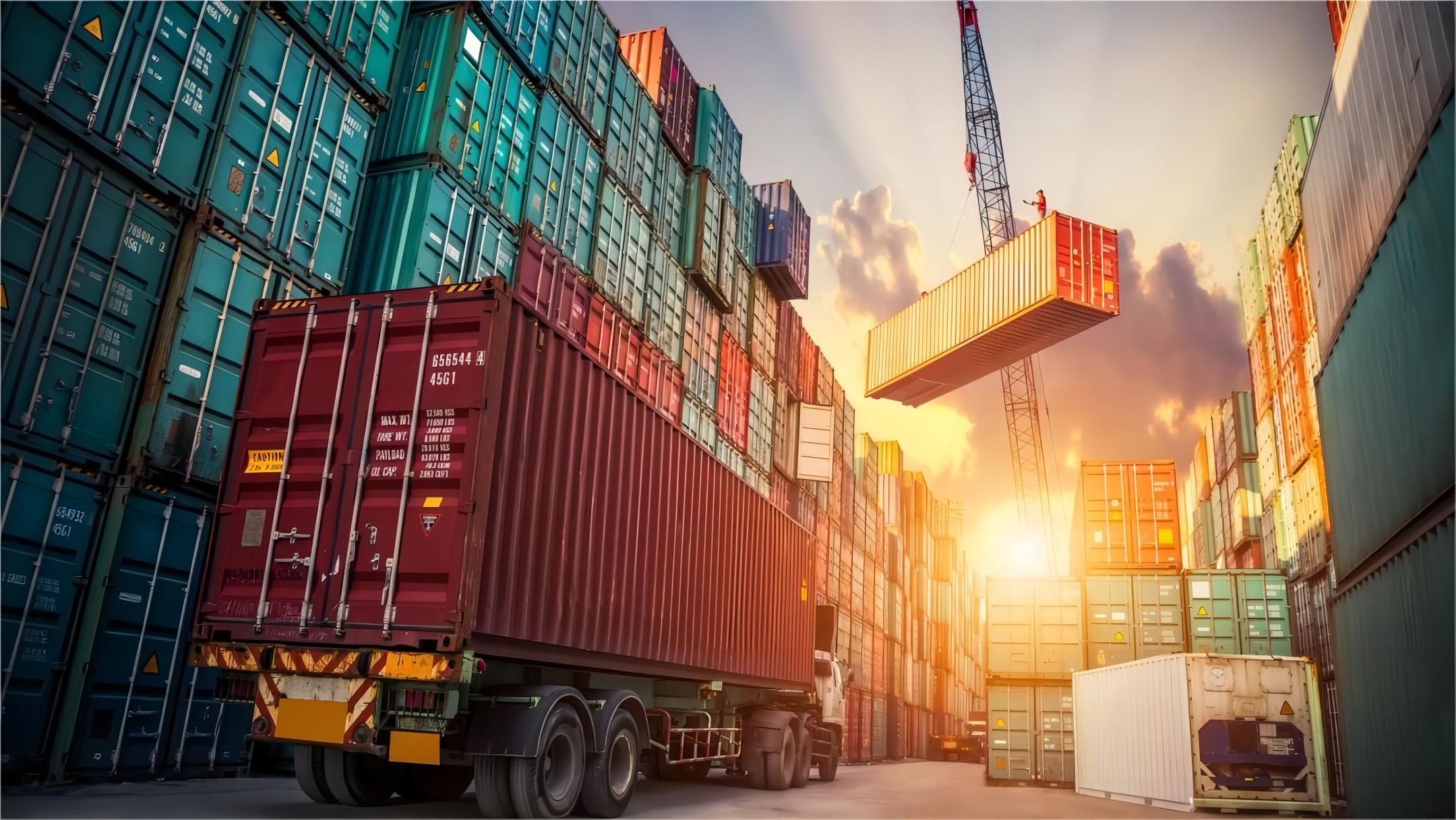
Full Container Load (FCL) shipping offers unparalleled security for high-value or fragile goods because the entire container is dedicated to a single consignee. Consequently, you face a lower risk of damage compared to LCL shipments where multiple shippers share the same space.
Choosing FCL provides significant cost advantages when your shipment volume exceeds 14 to 15 cubic meters. Furthermore, the per-unit shipping cost drops drastically as you maximize the internal capacity of the container.

Reliability stands as another major benefit of using sea freight for full containers. Since the container remains sealed from the point of origin to the final destination, the handling process is much simpler and faster.
Professional logistics providers ensure that your cargo meets all international standards. Therefore, you can avoid common pitfalls such as improper packing or documentation errors that often lead to expensive delays at the port.
How Does FCL Shipping Compare to Other Shipping Options?
Evaluating different transport methods is essential for maintaining a healthy supply chain and managing your budget effectively. While FCL is the gold standard for large volumes, other methods like LCL or air freight serve different business needs.
Air freight remains the fastest option for urgent deliveries but comes with a much higher price tag. In contrast, sea-based solutions offer the lowest cost for heavy and bulky items that do not require immediate delivery.
Hybrid solutions such as sea-air combinations can provide a middle ground for businesses seeking a balance between speed and cost. However, most Canadian importers prefer the stability and predictability of direct FCL routes.
| Shipping Method | Cost Range | Transit Time | Best For |
|---|---|---|---|
| FCL (20GP/40HQ) | $2,500 – $5,500 | 18 – 35 Days | Large volumes, bulk goods |
| LCL (Per CBM) | $80 – $150 | 25 – 45 Days | Small shipments < 15CBM |
| Air Freight | $5 – $12 / kg | 3 – 7 Days | High-value, urgent cargo |
| Express Service | $8 – $15 / kg | 2 – 5 Days | Samples and documents |
Understanding Container Types and Capacity
Selecting the right container size is the first step in optimizing your professional FCL shipping from China to Canada. The 20GP container is ideal for heavy goods like machinery or tiles that reach weight limits before volume limits.
Most consumer goods importers utilize the 40HQ container due to its extra height and significantly larger volume capacity. Specifically, a 40HQ provides about 76 cubic meters of space, making it perfect for lightweight but bulky items like furniture or electronics.
Standard containers are not your only option for specialized cargo. For instance, open-top containers or flat racks are available for oversized machinery that cannot fit through standard container doors.
Always consult with your logistics partner to determine the most efficient loading plan. Proper utilization of space ensures you are not paying for empty air during the long Pacific crossing.
Current Market Rates and Cost Factors for 2025
Freight rates from China to Canada are influenced by several dynamic factors including fuel surcharges and seasonal demand. During the peak season from August to October, prices often rise by 15% to 25% as retailers prepare for the holidays.
Port congestion and labor availability at major hubs like Vancouver or Prince Rupert also play a role in pricing. Additionally, the specific port of loading in China, such as Ningbo or Shenzhen, will affect the base ocean freight rate.
Inland haulage costs in Canada can sometimes exceed the ocean freight portion if your destination is far from the coast. Therefore, calculating the total landed cost requires a deep understanding of customs brokerage and local trucking fees.
Note: Freight rates are subject to change based on fuel costs, carrier capacity, and seasonal demand. Contact us for a current quote tailored to your specific shipment.
| Route | 20GP Rate | 40HQ Rate | Avg. Transit |
|---|---|---|---|
| Shanghai to Vancouver | $2,200 – $2,800 | $3,200 – $3,900 | 16 – 20 Days |
| Shenzhen to Toronto | $3,100 – $3,800 | $4,500 – $5,400 | 28 – 35 Days |
| Ningbo to Montreal | $3,300 – $4,100 | $4,800 – $5,800 | 30 – 38 Days |
Key Transit Times for Major Canadian Ports
Transit times vary significantly depending on whether you are shipping to the West Coast or the East Coast of Canada. Generally, ships arriving at the Port of Vancouver offer the fastest connection from major Chinese manufacturing hubs.
Shipments destined for Toronto or Montreal typically involve a rail transfer from the West Coast or a longer sea route via the Panama Canal. Consequently, you should plan for an additional 10 to 14 days for these inland destinations.
Direct shipping routes are more expensive but save considerable time by avoiding transshipment ports. On the other hand, choosing a route with transshipment in Busan or Kaohsiung might lower your costs if your schedule is flexible.
Weather conditions during the winter months can occasionally cause delays in the North Pacific. Nevertheless, professional carriers maintain strict schedules to keep your supply chain moving efficiently.
Essential Documentation for Canadian Customs
Successful customs clearance is the most critical hurdle in professional FCL shipping from China to Canada. You must provide an accurate Commercial Invoice and a detailed Packing List to the Canada Border Services Agency (CBSA).
The Bill of Lading serves as the title to the goods and is required for the release of the cargo at the destination. Additionally, a Certificate of Origin may be necessary to claim preferential tariff rates under specific trade agreements.
Incomplete paperwork often leads to secondary inspections and daily storage fees at the terminal. To avoid this, many importers utilize a door to door service that manages all documentation on their behalf.
Properly classifying your products using the Harmonized System (HS) codes ensures you pay the correct amount of duty. Mistakes in classification can result in heavy fines or the seizure of your entire container.
Real-World Case Studies of FCL Shipments
Analyzing real-world scenarios helps importers understand the practical challenges and costs associated with trans-Pacific shipping. These cases reflect typical market conditions and logistics strategies used by successful businesses.
Case Study 1: Electronics from Shenzhen to Vancouver. A Canadian retailer imported 22 CBM of consumer electronics using a 20GP container. By choosing a direct route to Vancouver, they minimized transit time and avoided the risks of multiple handling points.
Case Study 2: Furniture from Ningbo to Toronto. An interior design firm shipped a 40HQ container filled with high-end furniture. They utilized a multimodal approach, moving the container by sea to Prince Rupert and then by rail to the Toronto terminal.
Case Study 1: High-Value Electronics
Route: Shenzhen, China to Vancouver, Canada
Cargo: Consumer Electronics, 22 CBM, 8,500 kg
Container: 20GP
Carrier: COSCO
Ocean Freight: $2,450
Total Landed Cost: $3,120
Sea Transit: 16 Days
Total Door-to-Door: 24 Days
Key Insight: Using a 20GP for high-density, high-value electronics provided the best security and balance of cost for this volume.
Case Study 2: Bulk Furniture Distribution
Route: Ningbo, China to Toronto, Canada
Cargo: Flat-pack Furniture, 68 CBM, 12,000 kg
Container: 40HQ
Carrier: Maersk
Ocean Freight: $4,950
Total Landed Cost: $6,200
Sea Transit: 32 Days (via Rail from West Coast)
Total Door-to-Door: 42 Days
Key Insight: Planning 6 weeks in advance allowed the client to lock in lower rates before the Q4 peak season surge.
Which Option Should You Choose? Decision Framework
Deciding between different shipping methods requires a clear understanding of your business priorities. If your primary goal is cost reduction and you have a volume over 15 CBM, FCL is almost always the superior choice.
Speed-focused businesses should consider air freight for small, high-margin items that need to hit the market immediately. However, for recurring inventory replenishment, the steady flow of FCL shipments is more sustainable.
Volume thresholds are the most objective way to make a decision. Once your cargo fills more than 65% of a 20ft container, the cost of LCL usually exceeds the flat rate of a full container.
E-commerce sellers often benefit from specialized Amazon FBA logistics solutions. These services combine the cost-effectiveness of FCL with the precision required for Amazon’s strict receiving guidelines.
Strategies to Reduce Your Shipping Costs
Consolidating orders from multiple suppliers into a single FCL container is one of the most effective ways to save money. This strategy allows you to avoid the higher per-unit fees associated with LCL shipments.
Negotiating long-term contracts with freight forwarders can provide price stability in a volatile market. Furthermore, choosing off-peak shipping dates can save you hundreds of dollars per container.
Optimizing your packaging to fit more units into a container directly impacts your profitability. For example, reducing excess cardboard or using specialized pallets can increase your total load by 5 to 10 percent.
Ultimately, working with an experienced logistics partner ensures you are using the most efficient routes and avoiding unnecessary surcharges. Professional oversight is the best defense against hidden costs in international trade.
Mastering Your Canadian Import Strategy
Professional FCL shipping from China to Canada is a vital component of a successful international business model. By understanding the nuances of container sizes, transit times, and customs requirements, you can significantly improve your operational efficiency.
Reliable logistics partnerships allow you to navigate market fluctuations and ensure your goods reach Canadian consumers without delay. Whether you are shipping to Vancouver, Toronto, or Montreal, the right strategy makes all the difference.
Start planning your next FCL shipment today to take advantage of current market rates and secure your space on the next vessel. With the right preparation, your China-to-Canada trade route will become a consistent driver of growth for your company.
Ready to streamline your logistics?
Ready to optimize your supply chain with professional FCL shipping from China to Canada? Contact Top China Freight today for a customized quote and expert guidance on your next shipment. Send Inquiry
Request Quote