

Fast FCL Shipping from China to Germany: 2025 Logistics Guide
Choosing Top China Freight allows your business to leverage premium logistics networks for consistent delivery performance. Fast FCL shipping from China to Germany remains the most efficient method for transporting high-volume goods across the globe. This comprehensive guide explores how you can minimize transit times while maintaining cost-effective operations in the current market.

Understanding Fast FCL Shipping from China to Germany
Full Container Load shipping represents a logistics strategy where an entire container is dedicated to a single importer. Consequently, this method offers superior security and faster handling compared to shared container options. Businesses often prefer this approach for large inventories to avoid the delays associated with consolidating multiple shipments.
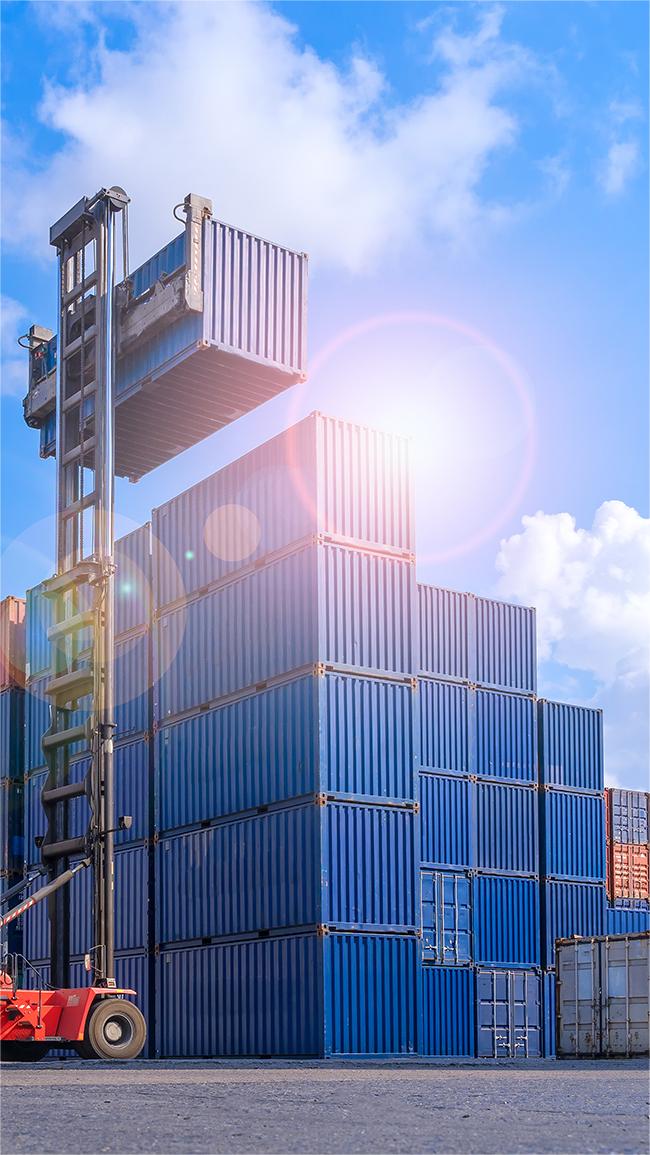
Moreover, fast FCL shipping from China to Germany utilizes direct vessel strings that bypass unnecessary intermediate stops. Therefore, you can expect a more predictable delivery schedule which is vital for maintaining lean inventory levels. Selecting the right carrier and port of departure significantly influences the total duration of the maritime journey.
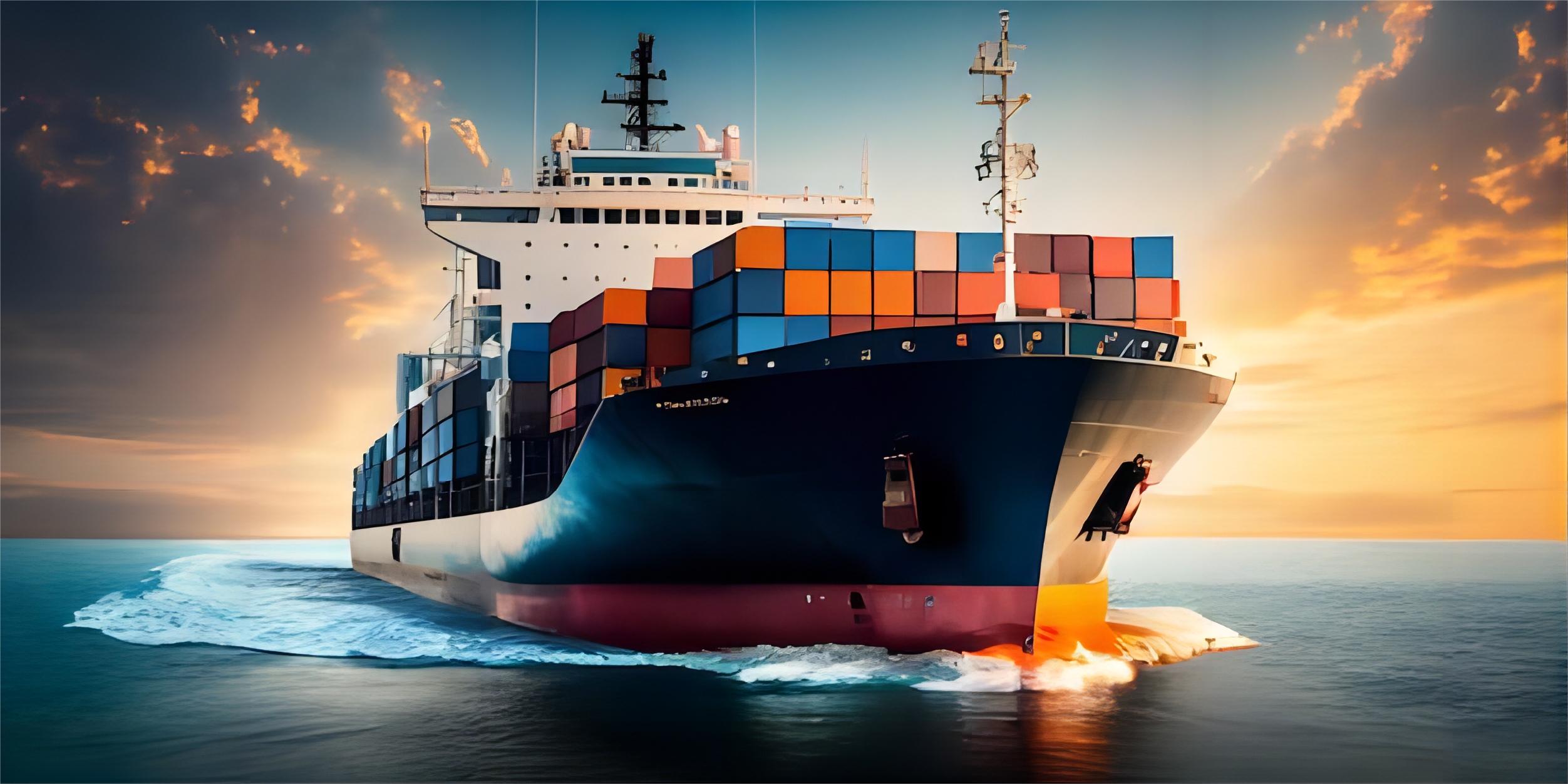
Additionally, the security of your cargo improves because the container remains sealed from the point of origin until it reaches your warehouse. Indeed, this reduces the risk of damage or loss during the various stages of cargo handling. Modern tracking technologies now provide real-time updates for every milestone of the shipping process.
Why Choose FCL Over LCL for German Imports?
Economies of scale play a significant role when you decide to utilize sea freight for your international trade needs. While Less than Container Load might seem cheaper for small volumes, FCL becomes more cost-effective once you exceed approximately 15 cubic meters. Furthermore, the price per unit drops dramatically as you fill the container to its maximum capacity.
Speed is another critical factor that favors the FCL model for urgent supply chain requirements. Because there is no need to wait for other shippers to fill the container, your goods move directly to the port after loading. Meanwhile, LCL shipments often sit in warehouses for days awaiting consolidation, which adds unnecessary lead time.
Simplified customs processes also make FCL a more attractive option for many German businesses. Since the container contains goods from only one shipper, the customs brokerage process is usually faster and less prone to inspections. In contrast, one problematic shipment in an LCL container can delay every other package inside that same unit.
How Does Fast FCL Shipping Compare to Other Shipping Options?
Evaluating different transport modes is essential for finding the right balance between speed and budget. While ocean freight is the standard, alternatives like rail or air provide different advantages depending on your specific cargo. For instance, high-value electronics might justify the higher costs of air transport to meet tight market deadlines.
On the other hand, rail freight serves as a middle ground for those who need faster delivery than sea but cannot afford air rates. The Iron Silk Road connects major Chinese hubs directly to German rail terminals in about 18 to 22 days. Nevertheless, sea freight remains the dominant choice for the vast majority of industrial and consumer goods due to its massive capacity.
| Shipping Method | Cost Range | Transit Time | Best For |
|---|---|---|---|
| Sea FCL (40HQ) | $3,000 – $4,500 | 30 – 40 Days | Large volumes / Low cost |
| Rail FCL | $5,500 – $7,500 | 18 – 24 Days | Medium urgency / Landlocked |
| Air Freight | $5 – $9 per kg | 5 – 8 Days | High value / Urgent |
| Sea-Air Hybrid | $3 – $5 per kg | 15 – 20 Days | Balanced speed and cost |
Key Ports for Fast FCL Shipping from China to Germany
Selecting the optimal Port of Loading in China can save several days of domestic transit time. Major hubs like Shanghai, Ningbo, and Shenzhen offer the highest frequency of direct sailings to Northern Europe. Consequently, using these ports reduces the likelihood of your container being rolled to a later vessel due to overbooking.
Similarly, the choice of the Port of Discharge in Germany impacts the final door to door delivery speed. Hamburg and Bremerhaven are the primary gateways, offering advanced infrastructure and efficient rail connections to the hinterland. Choosing a port closer to your final destination minimizes the expensive trucking costs associated with long-distance drayage.
Industry average data suggests that direct routes from Shenzhen to Hamburg are currently among the fastest maritime links available. As a result, many importers focus their procurement activities in Southern China to take advantage of these streamlined logistics corridors. Always verify the current terminal congestion levels before finalizing your routing instructions.
Which Option Should You Choose?
Determining the best shipping strategy requires a clear understanding of your business priorities and cargo characteristics. If your primary goal is cost minimization for seasonal inventory, traditional sea freight is undoubtedly the most logical choice. However, if you are launching a new product and need to hit a specific shelf date, rail might be worth the extra investment.
Volume thresholds also dictate the most economical path for your shipping to Europe. For shipments larger than 15-20 cubic meters, you should almost always choose a 20-foot container rather than LCL. This switch not only saves money but also provides you with total control over the packing and securing of your merchandise.
| Priority | Recommended Method | Key Benefit | Trade-off |
|---|---|---|---|
| Lowest Cost | Sea FCL | Maximum ROI | Longer lead times |
| Fastest Delivery | Air Freight | Market responsiveness | Very high expense |
| Reliability | Rail FCL | Consistent schedule | Limited cargo types |
| Flexibility | Sea LCL | Low inventory risk | Higher risk of damage |
Real Case Studies of Fast FCL Shipping
Examining real-world examples helps illustrate the practical application of these logistics strategies. Below are two scenarios based on typical market conditions in late 2024 and early 2025. These cases highlight the importance of port selection and service levels in achieving successful outcomes.
Case Study 1: Electronics from Shenzhen to Hamburg. Route: Shenzhen (Yantian) to Hamburg. Cargo: Consumer Electronics, 65 CBM, 12,000 kg. Container: 40HQ. Shipping Details: Direct service via major carrier. Port of Loading: Yantian. Port of Discharge: Hamburg. Cost Breakdown: Ocean Freight: $3,850. Origin Charges: $450. Destination Charges: $600. Customs: $200. Total Landed Cost: $5,100. Timeline: Booking to Loading: 4 days. Sea Transit: 32 days. Customs Clearance: 2 days. Total Door-to-Door: 42 days. Key Insight: Using a direct string from Yantian avoided transshipment delays in Singapore.
Case Study 2: Industrial Machinery from Shanghai to Bremerhaven. Route: Shanghai to Bremerhaven. Cargo: Spare Parts, 28 CBM, 18,000 kg. Container: 20GP. Shipping Details: Direct route. Port of Loading: Shanghai (Yangshan). Port of Discharge: Bremerhaven. Cost Breakdown: Ocean Freight: $2,200. Origin Charges: $400. Destination Charges: $550. Customs: $250. Total Landed Cost: $3,400. Timeline: Booking to Loading: 5 days. Sea Transit: 35 days. Customs Clearance: 1 day. Total Door-to-Door: 45 days. Key Insight: Heavy machinery benefited from the structural integrity of a dedicated 20GP container.
Note: Freight rates are subject to change based on fuel costs, carrier capacity, and seasonal demand. Contact us for a current quote tailored to your specific shipment.
Customs Clearance and Documentation for Germany
Navigating the regulatory landscape is a vital component of fast FCL shipping from China to Germany. You must ensure that all paperwork, including the Commercial Invoice and Packing List, is perfectly accurate to avoid customs holds. Additionally, the Bill of Lading must clearly state the terms of delivery to prevent confusion at the destination port.
Furthermore, German customs authorities require specific certifications for certain product categories like electronics or chemicals. Failure to provide a valid CE certificate or REACH documentation can lead to expensive storage fees or even cargo seizure. Consequently, working with an experienced logistics partner ensures that your compliance strategy is robust and up to date.
Indeed, preparing your EORI number well in advance is a prerequisite for any business importing into the European Union. This identification number is essential for all customs declarations and communications with the authorities. Therefore, proactive preparation remains the most effective way to guarantee a smooth transition through the port of entry.
Final Thoughts on Fast FCL Shipping
To summarize, achieving fast FCL shipping from China to Germany requires a blend of strategic planning and reliable partnerships. By selecting the right container size and port of departure, you can significantly reduce transit times and lower your overall landed costs. Furthermore, staying informed about market trends and customs requirements will help you navigate potential disruptions with ease.
Ultimately, the goal is to create a resilient supply chain that supports your business growth. Whether you prioritize speed, cost, or a balance of both, FCL shipping remains a versatile and powerful tool for international trade. Start optimizing your routes today to stay ahead of the competition in the evolving global marketplace.
Ready to streamline your logistics?
Maximize your supply chain efficiency with our expert logistics solutions. Contact us today to receive a customized quote for fast FCL shipping from China to Germany. Send Inquiry: https://Top China Freight.com/
Request Quote