

Reliable FCL Shipping from China to Germany: A Complete 2025 Logistics Guide
Navigating the complexities of international trade requires a logistical partner who understands the high stakes of the Eurasian corridor. Businesses looking for reliable FCL shipping from China to Germany often struggle with volatile freight rates and unpredictable port congestion. Consequently, this comprehensive guide provides the essential data and strategies needed to streamline your supply chain and ensure your goods arrive safely at German ports like Hamburg or Wilhelmshaven.
What is FCL Shipping and Why Is It Essential for Germany?
Full Container Load (FCL) refers to a shipping mode where one importer occupies an entire 20ft or 40ft container. This method stands as the backbone of trade between manufacturing hubs in China and the industrial heart of Europe. Indeed, choosing FCL offers significantly better security for your cargo compared to shared container options.
Furthermore, FCL shipments generally experience fewer delays during the loading and unloading process. Because the container remains sealed from the point of origin to the destination, the risk of damage or loss decreases substantially. Therefore, companies shipping high-volume goods or fragile equipment prioritize this method to maintain supply chain integrity.
Moreover, sea freight remains the most cost-effective solution for large-scale inventory replenishment. While other methods exist, the sheer capacity of modern container ships allows for economies of scale that smaller shipments cannot match. Consequently, most German enterprises rely on FCL to keep their landed costs competitive in the European market.
How Does FCL Shipping Compare to Other Shipping Options?
Selecting the right transport mode depends heavily on your budget, timeline, and the nature of your cargo. While FCL is the standard for bulk goods, alternatives like LCL, rail, and air freight offer different advantages. Understanding these trade-offs is vital for optimizing your logistics strategy.
Specifically, rail freight has emerged as a powerful middle-ground solution for the China-Germany route. It offers faster transit times than the sea while remaining significantly cheaper than air transport. However, rail capacity can be limited during peak seasons, making early booking essential for reliable service.
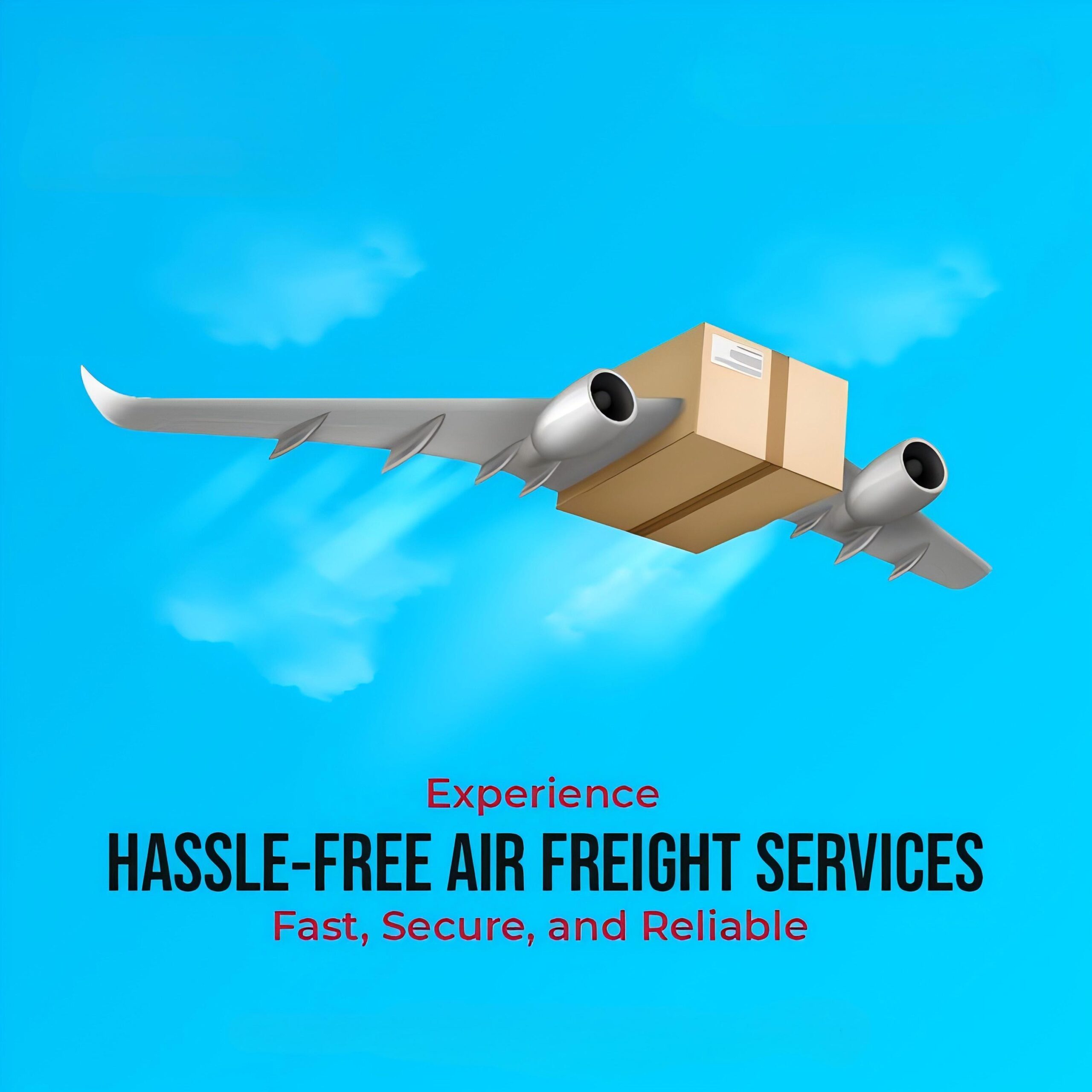
In contrast, air freight serves urgent shipments that cannot wait for the month-long sea voyage. Although the cost per kilogram is much higher, the reduction in lead time can justify the expense for high-value electronics or automotive parts. Below is a detailed comparison of the primary shipping methods available for this route.
| Shipping Method | Cost Range (USD) | Transit Time | Best For | Limitations |
|---|---|---|---|---|
| FCL (40HQ Container) | $3,000 – $4,500 | 30 – 40 Days | Bulk goods, high volume | Slower than rail/air |
| Rail Freight (FCL) | $5,500 – $7,500 | 18 – 24 Days | Time-sensitive bulk | Limited rail capacity |
| LCL (per CBM) | $80 – $150 | 35 – 45 Days | Small shipments | Higher risk of damage |
| Air Freight (per kg) | $4.50 – $8.00 | 5 – 8 Days | Urgent, high-value | Very high cost |
Key Ports and Transit Times for China to Germany
Major Chinese ports such as Shanghai, Ningbo, and Shenzhen serve as the primary departure points for German-bound cargo. Each port offers different schedules and carrier options, which can influence your total transit time. Consequently, choosing a port near your manufacturer can save on domestic trucking costs.
Hamburg is the most prominent gateway into Europe for Chinese goods, handling millions of TEUs annually. Additionally, the port of Wilhelmshaven provides a deep-water alternative that can accommodate the world’s largest container vessels. Therefore, your choice of discharge port should align with your final delivery location within Germany.
Transit times typically range from 28 to 38 days depending on the specific route and weather conditions. Direct services are faster but often come at a premium price. Meanwhile, transshipment routes via Singapore or Colombo might take longer but offer lower freight rates for budget-conscious shippers.
| Origin Port (China) | Destination Port | Average Transit (Sea) | Service Type |
|---|---|---|---|
| Shanghai | Hamburg | 32 Days | Direct |
| Shenzhen | Bremerhaven | 28 Days | Direct |
| Ningbo | Wilhelmshaven | 34 Days | Transshipment |
| Qingdao | Hamburg | 38 Days | Direct |
Understanding Costs and Pricing Factors for 2025
Shipping costs for reliable FCL shipping from China to Germany are influenced by several dynamic factors. Primarily, fuel surcharges (BAF) and peak season surcharges (PSS) can cause rates to fluctuate weekly. Additionally, the balance of trade between the two nations affects container availability and pricing.
Current market data for early 2025 suggests that rates have stabilized following previous global disruptions. However, geopolitical events in the Red Sea continue to impact routing, often requiring ships to circumnavigate Africa. Consequently, this adds roughly 10 to 14 days to the transit time and increases operational costs for carriers.
Importers should also account for local charges at both the origin and destination. These include terminal handling charges (THC), documentation fees, and port security fees. To avoid surprises, always request a ‘door-to-port’ or ‘port-to-port’ quote that clearly outlines all surcharges and fees.
Note: Freight rates are subject to change based on fuel costs, carrier capacity, and seasonal demand. Contact us for a current quote tailored to your specific shipment.
Essential Customs Documentation for German Imports
Clearing customs in Germany requires meticulous attention to detail and accurate documentation. German customs authorities are known for their strict adherence to European Union regulations. Therefore, hiring a professional customs brokerage service is highly recommended for first-time importers.
Specifically, you must provide a commercial invoice, a detailed packing list, and the Bill of Lading. Furthermore, certain products may require certificates of origin or CE marking to prove compliance with EU safety standards. Failure to provide these documents can result in costly storage fees at the port of Hamburg.
Moreover, you must ensure your business has a valid EORI number (Economic Operators Registration and Identification). This unique identifier is mandatory for all companies engaging in import or export activities within the European Union. Without it, your cargo will be held indefinitely at the border.
| Document Name | Purpose | Required By | Typical Format |
|---|---|---|---|
| Bill of Lading | Title to goods | Carrier / Customs | Original or Telex |
| Commercial Invoice | Valuation for Duty | German Customs | Digital / PDF |
| Packing List | Cargo Verification | Warehouse / Port | Digital / PDF |
| Certificate of Origin | Trade Agreements | German Customs | Government Stamped |
How to Ensure Reliable FCL Shipping from China to Germany?
Reliability in shipping is achieved through proactive planning and choosing the right partners. Firstly, you should book your container at least 3 to 4 weeks in advance, especially during the peak months of August through October. This ensures you secure space on the vessel and avoid last-minute rate hikes.
Secondly, utilize door to door services to simplify the logistics chain. By having a single provider manage the entire journey, you reduce the risk of communication breakdowns between different agents. Consequently, this leads to a more predictable delivery schedule and easier tracking of your goods.
Finally, always invest in comprehensive marine cargo insurance. Despite the high safety standards of FCL shipping, unforeseen events like heavy storms or mechanical failures can occur. Therefore, protecting your investment with insurance provides peace of mind and financial security against potential losses during the long sea voyage.
Real Case Studies for China-Germany FCL Shipments
Reviewing real-world examples helps importers understand the actual costs and timelines involved in modern logistics. These cases reflect typical scenarios handled during the 2024-2025 period. Notably, they highlight how different cargo types and routes impact the final landed cost.
Case Study 1: Electronics from Shenzhen to Hamburg Route: Shenzhen, China to Hamburg, Germany Cargo: Consumer Electronics, 65 CBM, 18,000 kg Container: 40HQ (Full Container Load) Shipping Details: – Carrier: Maersk – Port of Loading: Yantian (Shenzhen) – Port of Discharge: Hamburg – Route Type: Direct Cost Breakdown: – Ocean Freight: $3,850 – Origin Charges: $450 – Destination Charges: $600 – Customs and Duties: $4,200 (estimated) – Total Landed Cost: $9,100 Timeline: – Booking to Loading: 5 days – Sea Transit: 31 days – Customs Clearance: 2 days – Total Door-to-Door: 38 days Key Insight: Direct routing from Shenzhen saved 5 days compared to transshipment options, which was critical for a product launch.
Case Study 2: Industrial Machinery from Shanghai to Duisburg Route: Shanghai, China to Duisburg, Germany Cargo: Specialized Lathe Machines, 25 CBM, 12,000 kg Container: 20GP Shipping Details: – Carrier: Rail Service (China-Europe Railway Express) – Port of Loading: Shanghai (Trucked to Xi’an) – Port of Discharge: Duisburg Rail Terminal – Route Type: Rail Corridor Cost Breakdown: – Rail Freight: $5,200 – Origin Handling: $350 – Destination Handling: $450 – Customs and Duties: $1,800 (estimated) – Total Landed Cost: $7,800 Timeline: – Booking to Loading: 7 days – Rail Transit: 20 days – Customs Clearance: 3 days – Total Door-to-Door: 30 days Key Insight: Rail freight provided a 10-day advantage over sea freight for a cost increase of only 35%, making it ideal for the client’s urgent production needs.
Which Option Should You Choose? Decision Framework
Choosing between different shipping methods requires a clear understanding of your business priorities. If your primary goal is cost reduction and you have a flexible timeline, sea-based FCL is the undisputed winner. However, if your inventory turnover is high, the faster transit of rail might justify the higher freight rate.
Consider the volume of your shipment as a primary threshold. For cargo exceeding 15 cubic meters, FCL is almost always more economical than LCL. Additionally, FCL reduces the handling of your goods, which is vital for high-value or fragile items that could be damaged in a shared container environment.
Lastly, evaluate the geographical location of your supplier and your final warehouse. For suppliers in inland China (like Chengdu or Chongqing), rail freight often makes more sense than trucking goods to a coastal seaport. Conversely, for suppliers in Guangdong or Zhejiang, the proximity to major ports makes sea freight the most logical choice.
Final Thoughts on Reliable FCL Shipping from China to Germany
Successfully managing reliable FCL shipping from China to Germany requires a blend of strategic planning and expert execution. By understanding the various transport modes, port options, and customs requirements, you can significantly reduce your logistics risks. Furthermore, staying informed about market trends and pricing factors allows you to make data-driven decisions for your business.
Whether you choose the traditional sea route or the faster rail corridor, the key to success lies in choosing a dependable freight forwarder. Consequently, prioritizing reliability over the absolute lowest price often leads to better long-term outcomes and fewer supply chain disruptions. Start optimizing your China-to-Germany shipping strategy today to maintain your competitive edge in the global market.
Ready to streamline your logistics?
Streamline your supply chain today with reliable FCL shipping from China to Germany. Our team of logistics experts is ready to provide you with a customized quote and handle every detail of your international transport. Contact Top China Freight now to ensure your cargo arrives on time and within budget. Visit our website to request your free freight consultation and take the first step toward hassle-free global trade.
Request Quote