

Reliable FCL Shipping from China to Spain: 2025 Logistics Guide
Securing reliable FCL shipping from China to Spain is a fundamental requirement for businesses that demand consistency in their international supply chain. By choosing Top China Freight, importers can access streamlined logistics solutions that prioritize cargo safety and timely delivery. Consequently, navigating the complexities of Mediterranean trade routes becomes significantly more manageable for growing enterprises.

Why Choose Reliable FCL Shipping from China to Spain?
Full Container Load (FCL) services offer unparalleled security for high-volume shipments moving across the globe. When you opt for FCL, your goods occupy an entire container, which minimizes handling and reduces the risk of damage during transit. Furthermore, this method is often more cost-effective for shipments exceeding 15 cubic meters compared to Less than Container Load options.

Moreover, reliable FCL shipping from China to Spain provides exporters with greater control over their delivery schedule. Since the container is dedicated to a single consignee, there is no need to wait for other shipments to be consolidated or deconsolidated at the port. Therefore, businesses can plan their inventory cycles with much higher precision and confidence.
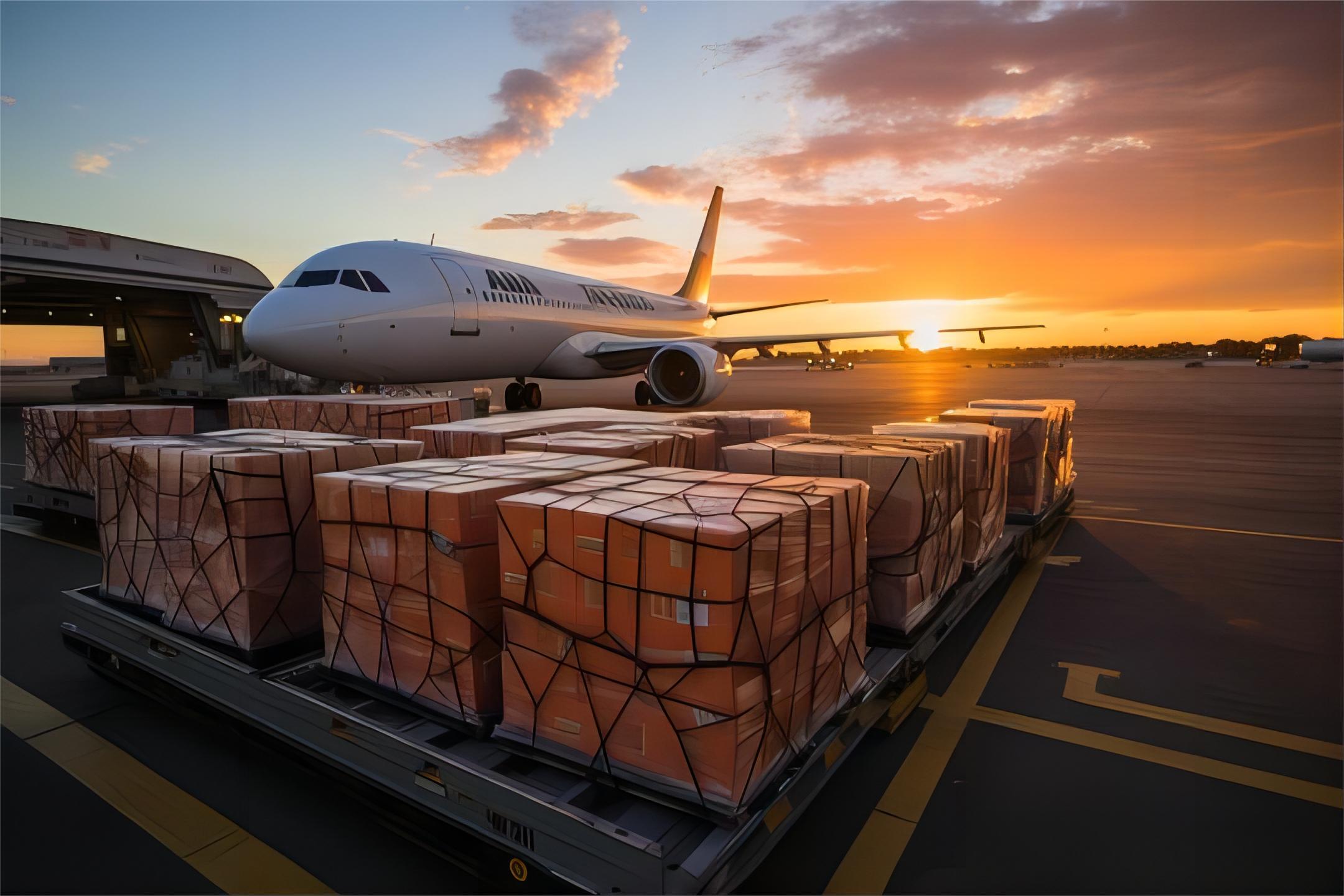
How Does FCL Compare to Other Shipping Options?
Choosing the right transport mode requires a careful analysis of speed, cost, and cargo volume. While sea freight remains the most popular choice for bulk goods, other alternatives like rail or air may suit specific urgent needs. For example, air freight is significantly faster but comes at a premium price point that can impact profit margins.
In contrast, rail transport serves as a middle ground for those looking to balance speed and budget. However, for the majority of large-scale imports, the capacity and lower carbon footprint of ocean vessels make them the superior choice. Additionally, the stability of sea freight rates for FCL shipments allows for better long-term financial planning.
| Shipping Method | Cost Range (USD) | Transit Time | Best For |
|---|---|---|---|
| FCL Sea Freight | $2,500 – $4,500 | 30-40 Days | Bulk goods and cost savings |
| LCL Sea Freight | $50 – $150 per CBM | 35-45 Days | Small shipments under 15CBM |
| Rail Freight | $4,000 – $6,000 | 18-24 Days | Urgent industrial parts |
| Air Freight | $5 – $9 per kg | 5-8 Days | High-value electronics |
Key Ports for Reliable FCL Shipping from China to Spain
China boasts several world-class ports that serve as the primary departure points for Spanish-bound cargo. Specifically, ports like Shanghai, Ningbo-Zhoushan, and Shenzhen handle the majority of FCL traffic due to their advanced infrastructure. Consequently, these hubs offer frequent departures and competitive rates from major global carriers.
On the Spanish side, the ports of Valencia, Barcelona, and Algeciras act as the main gateways for international trade. Valencia is particularly important for goods destined for central Spain, including Madrid. Meanwhile, Barcelona serves as a strategic hub for the northeastern industrial regions, ensuring efficient distribution across the country.
| Origin Port | Destination Port | Direct Service | Avg. Transit Time |
|---|---|---|---|
| Shanghai | Valencia | Yes | 32 Days |
| Shenzhen | Barcelona | Yes | 28 Days |
| Ningbo | Algeciras | Yes | 30 Days |
| Qingdao | Valencia | Via Singapore | 38 Days |
Understanding FCL Freight Rates and Pricing Factors
Several variables influence the final cost of reliable FCL shipping from China to Spain. For instance, fuel surcharges, peak season demand, and container availability all play a role in price fluctuations. Furthermore, port congestion or geopolitical events can lead to temporary rate hikes that importers must anticipate.
It is also important to consider the difference between 20GP, 40GP, and 40HQ containers. While a 40HQ container offers nearly double the volume of a 20GP, the price is usually only 20-30 percent higher. Therefore, maximizing container utilization is one of the most effective ways to reduce the landed cost of your products.
Note: Freight rates are subject to change based on fuel costs, carrier capacity, and seasonal demand. Contact us for a current quote tailored to your specific shipment.
The Importance of Professional Customs Brokerage
Navigating Spanish customs regulations is a critical step in the import process. Utilizing a professional customs brokerage service ensures that all documentation, such as the Commercial Invoice and Bill of Lading, is accurate. Indeed, errors in paperwork can lead to costly delays and unexpected storage fees at the port of discharge.
Additionally, understanding the European Union’s VAT and duty structures is essential for financial compliance. Our experts help categorize your goods under the correct HS codes to ensure you pay the appropriate tariffs. Consequently, your reliable FCL shipping from China to Spain remains efficient and free from legal complications.
Alternative Strategies for Spanish Imports
While standard ocean freight is the norm, some businesses benefit from hybrid solutions. For example, rail freight via the Silk Road offers a faster alternative for northern Spanish destinations. This route typically saves about 10 to 15 days compared to the sea route through the Suez Canal.
Moreover, if you are shipping to Amazon warehouses, specialized Amazon FBA logistics can streamline the final mile delivery. These services often include palletization and appointment scheduling that meet strict Amazon requirements. Without a doubt, choosing a tailored strategy based on your cargo type can provide a significant competitive advantage.
Case Studies: Success in FCL Logistics
Case Study 1: Electronics from Shenzhen to Barcelona. Cargo: Consumer electronics, 68 CBM, 12,000 kg. Container: 40HQ. Shipping Details: Direct service via Maersk. Port of Loading: Shenzhen. Port of Discharge: Barcelona. Cost Breakdown: Ocean Freight $3,850, Origin Charges $400, Destination Charges $550, Total Landed Cost $4,800. Timeline: 32 days door-to-door. Key Insight: Early booking during the Q4 peak season saved the client 15 percent on freight costs.
Case Study 2: Industrial Machinery from Ningbo to Valencia. Cargo: CNC Machines, 25 CBM, 18,000 kg. Container: 20GP. Shipping Details: Transshipment via Singapore. Port of Loading: Ningbo. Port of Discharge: Valencia. Cost Breakdown: Ocean Freight $2,200, Origin Charges $350, Destination Charges $500, Total Landed Cost $3,050. Timeline: 40 days door-to-door. Key Insight: Using a 20GP for heavy machinery ensured weight compliance while maintaining a low shipping cost per unit.
Which Option Should You Choose?
The decision between various shipping methods often comes down to your specific business priorities. If budget is your primary concern, standard sea freight in a 40HQ container offers the lowest cost per unit. On the other hand, if you have a stockout risk, the speed of rail or air freight may justify the higher expense.
For those requiring a hands-off approach, a door to door service is highly recommended. This comprehensive solution manages everything from the factory pickup in China to the final delivery at your warehouse in Spain. Consequently, you can focus on sales and marketing while the logistics experts handle the heavy lifting.
Final Thoughts on Spanish FCL Logistics
In summary, achieving reliable FCL shipping from China to Spain requires a combination of strategic planning, port selection, and expert partnership. By understanding the market trends of 2025 and utilizing the right container sizes, businesses can significantly reduce their overhead.
Furthermore, the integration of professional customs support and door-to-door services ensures a seamless transition from Asian factories to Spanish markets. As global trade continues to evolve, staying informed about your shipping options remains the best way to maintain a resilient and profitable supply chain.
Ready to streamline your logistics?
Ready to streamline your supply chain with reliable FCL shipping from China to Spain? Contact our expert team today to receive a personalized freight quote and discover how we can optimize your logistics costs. Visit our inquiry page to get started.
Request Quote