

Fast FCL Shipping from China to Spain: The Complete Logistics Guide
Securing fast FCL shipping from China to Spain is a critical component for businesses aiming to maintain a competitive edge in the Mediterranean market. Many importers struggle with unpredictable delays and rising freight costs that disrupt their inventory management. At Top China Freight, we specialize in streamlining these complex logistics routes to ensure your cargo arrives safely and on schedule. This comprehensive guide explores the most efficient strategies for managing full container load shipments across the globe.

What is Fast FCL Shipping from China to Spain?
Full Container Load (FCL) refers to a shipping mode where an entire ocean container is dedicated to a single consignee. Consequently, this method offers the highest level of security and efficiency for large volume shipments. When you opt for fast FCL shipping from China to Spain, you bypass the consolidation delays common in other shipping modes.
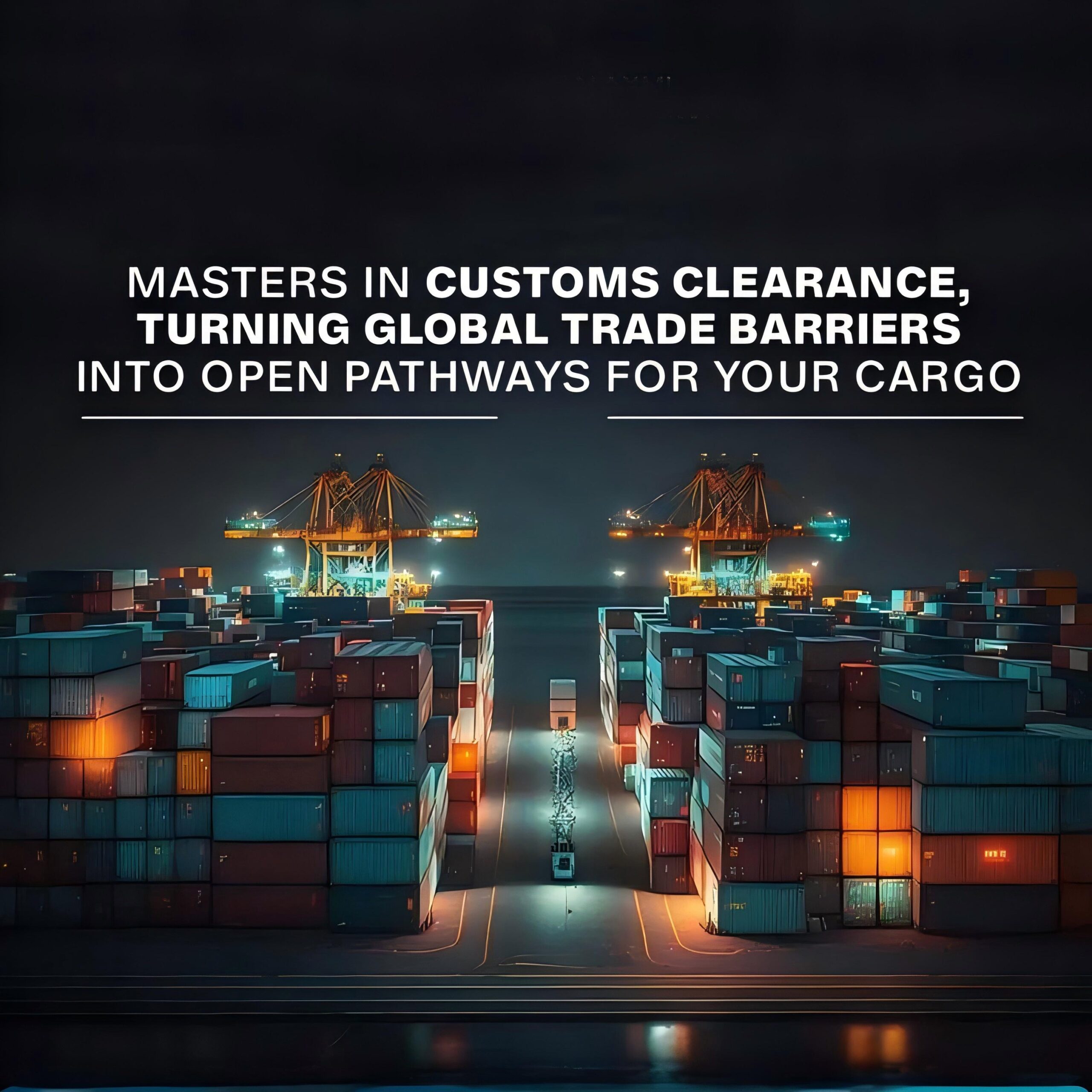
Moreover, FCL shipments are generally handled fewer times than smaller loads, which significantly reduces the risk of damage. This method is particularly beneficial for businesses importing electronics, furniture, or heavy machinery. Therefore, understanding the mechanics of FCL is essential for any serious importer.
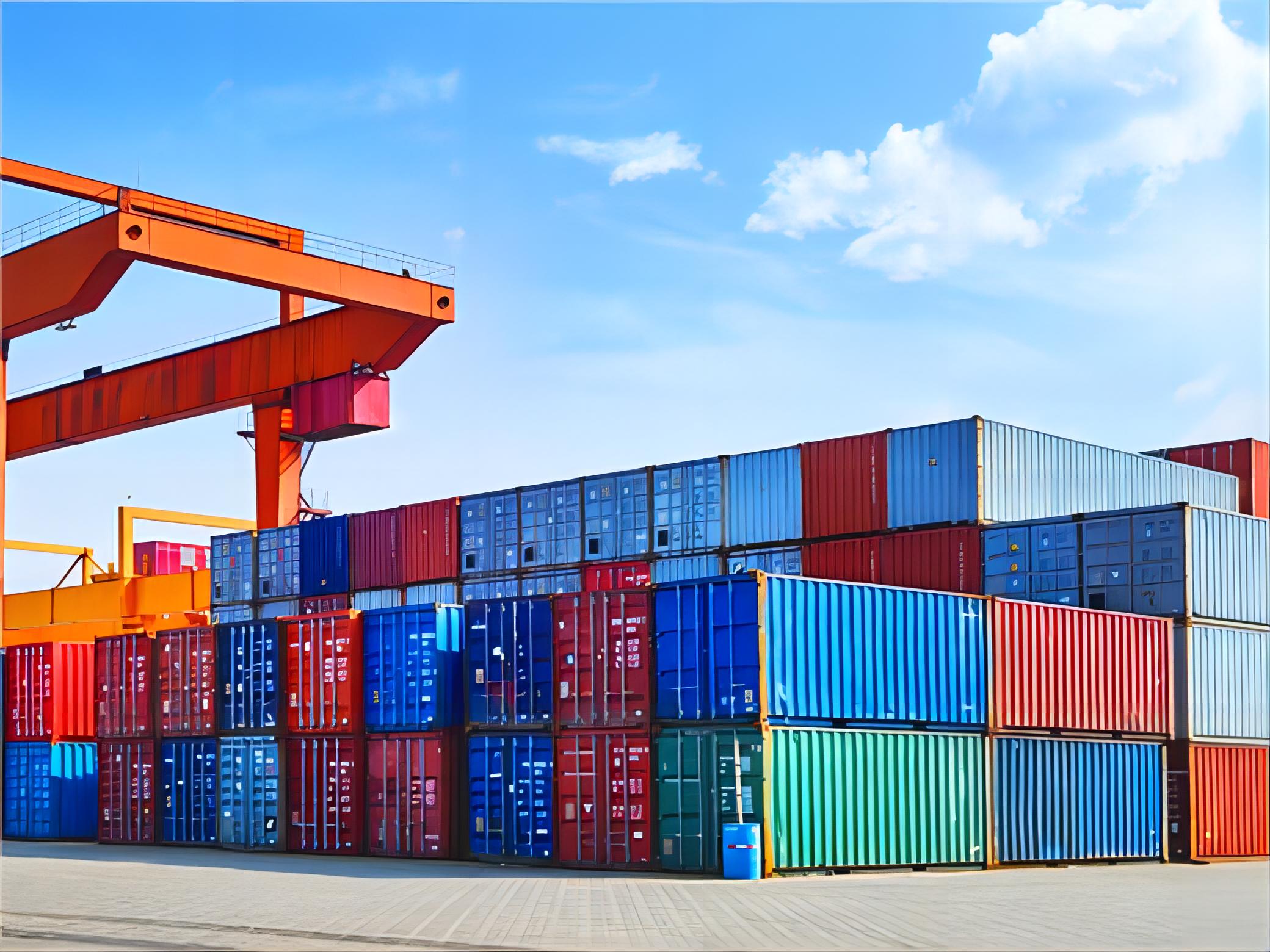
Logistics providers typically offer 20-foot and 40-foot containers to suit different cargo dimensions. Choosing the right container size ensures that you maximize space while keeping your unit costs low. Indeed, the direct nature of FCL makes it the preferred choice for time-sensitive maritime transport.

How Does FCL Compare to Other Shipping Options?
Evaluating different transport modes is vital for optimizing your logistics budget and meeting delivery deadlines. While sea freight remains the most cost-effective solution, other methods like air or rail might be necessary in specific scenarios. Each option presents a unique set of trade-offs regarding speed and expenditure.
For instance, air freight is significantly faster but comes at a much higher price point per kilogram. In contrast, rail freight provides a middle ground for those looking to balance speed and cost. Nevertheless, for high-volume trade, FCL shipping remains the industry standard due to its massive capacity.
To help you decide, we have compiled a comparison of the most common shipping methods available for the China to Spain route. This table highlights the core differences in transit times and cost efficiency.
| Shipping Method | Cost Range | Transit Time | Best For |
|---|---|---|---|
| FCL Sea Freight | Moderate | 30-40 Days | Large volumes |
| LCL Sea Freight | Lower per unit | 35-45 Days | Small shipments |
| Air Freight | Very High | 5-8 Days | Urgent cargo |
| Rail Freight | High | 20-25 Days | Medium urgency |
Which Option Should You Choose for Your Business?
Selecting the right shipping strategy depends heavily on your specific business requirements and inventory cycles. If your primary goal is to minimize expenditure, sea freight to Europe is generally the most sustainable choice. However, if you are facing a stock-out situation, the speed of air freight might justify the additional cost.
Volume thresholds also play a major role in this decision-making process. For shipments exceeding 15 cubic meters, FCL is almost always more economical than Less than Container Load (LCL). Furthermore, FCL allows for faster processing since the container does not need to be deconsolidated at the destination port.
Consider the nature of your goods before making a final commitment to a specific method. Fragile or high-value items often benefit from the reduced handling associated with full containers. Additionally, seasonal fluctuations in demand should influence whether you prioritize speed or cost during peak periods.
Key Factors Influencing Transit Times to Spain
Several variables can impact how quickly your container travels from a Chinese factory to a Spanish warehouse. Port congestion in major hubs like Shanghai or Ningbo often adds several days to the initial departure schedule. Consequently, booking your shipment at least two weeks in advance is highly recommended.
Weather conditions along the maritime route also play a significant role in determining the final arrival date. Storms or rough seas can force vessels to reduce speed or take longer detours. In addition, the choice of shipping line affects the number of transshipment stops made along the way.
The following table provides an estimate of typical transit times from major Chinese ports to the primary Spanish gateways. Please note that these figures represent port-to-port durations under normal operating conditions.
| Origin Port | Destination Port | Transit Time | Route Type |
|---|---|---|---|
| Shanghai | Barcelona | 32-35 Days | Direct |
| Shenzhen | Valencia | 30-33 Days | Direct |
| Ningbo | Algeciras | 28-32 Days | Direct |
| Qingdao | Bilbao | 38-42 Days | Transshipment |
Understanding Shipping Costs and Container Rates
Freight rates for fast FCL shipping from China to Spain are subject to frequent market fluctuations. These prices are influenced by fuel surcharges, seasonal demand, and overall carrier capacity. For example, rates typically spike during the months leading up to the Chinese New Year or the year-end holiday season.
As of early 2025, the market has seen a stabilization of prices following previous global disruptions. Currently, a 40-foot high cube container from Shenzhen to Barcelona ranges between 3,000 and 4,200 USD. Meanwhile, smaller 20-foot containers offer a more compact solution for denser, heavier cargo.
To ensure you receive the most accurate pricing, it is essential to work with a provider that offers integrated customs brokerage services. This prevents hidden fees from arising during the clearance process in Spain. Always request a detailed quote that includes all local charges at both the origin and destination.
Required Documentation for Customs Clearance in Spain
Navigating Spanish customs requires meticulous attention to detail and accurate paperwork. Errors in documentation can lead to significant delays and costly storage fees at the port of entry. Therefore, ensuring all forms are correctly completed before the vessel arrives is a top priority for any importer.
The Bill of Lading is arguably the most important document, as it serves as a contract of carriage and title to the goods. Furthermore, a detailed commercial invoice and packing list are mandatory for the calculation of duties and taxes. Without these, your cargo will remain held in the terminal indefinitely.
Below is a checklist of the essential documents required for a smooth customs clearance process in Spain. Maintaining a digital archive of these files can help expedite the procedure.
| Document Name | Purpose | Required By | Criticality |
|---|---|---|---|
| Bill of Lading | Proof of ownership | Carrier/Customs | High |
| Commercial Invoice | Value declaration | Customs | High |
| Packing List | Cargo details | Customs/Warehouse | Medium |
| Cert. of Origin | Duty preference | Customs | Optional |
How to Optimize Your Supply Chain for Faster Delivery
Optimization starts with selecting the most strategically located ports for both loading and discharge. For instance, choosing a port near your factory in China can reduce inland haulage times significantly. Likewise, selecting a Spanish port close to your final distribution center minimizes domestic transport costs.
Implementing door to door shipping solutions can further streamline your operations. This service handles the entire journey, from the factory floor to your warehouse, under a single point of contact. Consequently, you spend less time managing multiple vendors and more time growing your business.
Advanced tracking technologies also play a vital role in modern supply chain management. Real-time visibility allows you to anticipate delays and adjust your marketing or production schedules accordingly. Indeed, staying informed is the best defense against the unpredictability of international logistics.
Alternative Strategies for Urgent Shipments
When standard sea freight is too slow, businesses must consider alternative strategies to meet their deadlines. Hybrid solutions, such as sea-air combinations, can offer a balance between speed and cost. For example, cargo can be shipped by sea to a hub like Dubai and then flown to Spain to save two weeks of transit time.
Another effective strategy is utilizing Amazon FBA specialized logistics if you are an e-commerce seller. These services are optimized for speed and compliance with strict warehouse requirements. Furthermore, choosing premium ocean services with guaranteed loading can prevent your cargo from being rolled to a later vessel.
If your volume is slightly below a full container, consider whether the extra cost of FCL is worth the time saved. While LCL is cheaper for small loads, the extra week required for deconsolidation might be unacceptable for urgent orders. In such cases, paying for a partially empty 20-foot container is a viable tactical move.
Real-World Case Studies: China to Spain Shipments
Examining real-world scenarios helps illustrate the practical challenges and successes of international shipping. These cases reflect actual market conditions and provide a benchmark for your own logistics planning. We have selected two representative examples to showcase different cargo types and requirements.
The first case involves a high-volume electronics shipment where security and speed were the primary concerns. The second case focuses on furniture importation, where cost-efficiency and careful handling were prioritized. Both examples demonstrate the importance of choosing the right logistics partner.
Please note that the costs mentioned are based on market rates from late 2024 and early 2025. Actual rates will vary depending on the specific date of booking and current fuel surcharges.
Case Study 1: Electronics from Shenzhen to Barcelona
Route: Shenzhen, China to Barcelona, Spain. Cargo: Consumer Electronics, 65 CBM, 18,000 kg. Container: 40HQ. Shipping Details: Direct service via major carrier. Port of Loading: Shenzhen (Yantian). Port of Discharge: Barcelona. Cost Breakdown: Ocean Freight $3,400; Origin Charges $350; Destination Charges $450; Total Landed Cost (excl. duties) $4,200. Timeline: Booking to Loading 4 days; Sea Transit 31 days; Customs Clearance 2 days; Total door-to-door 37 days. Key Insight: Early booking during the Q4 peak season prevented a 20 percent rate hike.
Case Study 2: Home Furniture from Ningbo to Valencia
Route: Ningbo, China to Valencia, Spain. Cargo: Wooden Furniture, 28 CBM, 12,000 kg. Container: 20GP. Shipping Details: Direct service. Port of Loading: Ningbo-Zhoushan. Port of Discharge: Valencia. Cost Breakdown: Ocean Freight $2,100; Origin Charges $300; Destination Charges $400; Total Landed Cost (excl. duties) $2,800. Timeline: Booking to Loading 5 days; Sea Transit 34 days; Customs Clearance 3 days; Total door-to-door 42 days. Key Insight: Utilizing a 20GP container was more cost-effective than LCL for this specific volume and cargo density.
Future Trends in China-Spain Logistics for 2025
The logistics landscape continues to evolve with a strong focus on sustainability and digitalization. Many shipping lines are now introducing eco-friendly vessels to reduce the carbon footprint of the China to Spain route. Consequently, importers may soon face new environmental regulations and reporting requirements.
Digital freight forwarding platforms are also becoming the norm, offering instantaneous quotes and automated documentation. This shift reduces the administrative burden on businesses and provides greater transparency throughout the shipping process. Moreover, the integration of AI in route planning is helping carriers avoid congestion and reduce transit times.
To stay ahead, businesses should embrace these technological advancements and seek partners who invest in innovation. As trade relations between China and Spain remain strong, the demand for efficient FCL services will likely grow. Preparing your supply chain for these changes today will ensure long-term success in the global marketplace.
Summary of Fast FCL Shipping Strategies
In conclusion, achieving fast FCL shipping from China to Spain requires a combination of strategic planning, accurate documentation, and the right logistics partnership. By understanding the factors that influence transit times and costs, you can make informed decisions that protect your bottom line. Whether you are importing high-value electronics or bulk consumer goods, FCL remains a powerful tool for international trade.
Remember to monitor market trends and book your containers well in advance to avoid seasonal disruptions. Utilizing professional services for customs clearance and door-to-door delivery can further enhance your efficiency. With the right approach, your business can navigate the complexities of global shipping and maintain a reliable flow of goods to the Spanish market.
Ready to streamline your logistics?
Ready to streamline your supply chain with fast FCL shipping from China to Spain? Contact our expert team today for a customized quote and professional guidance on your next shipment. Send Inquiry
Request Quote