


Trusted Door to Door Delivery from China to Canada: 2025 Guide
Navigating the complexities of international trade requires a reliable partner to manage your supply chain efficiently. When businesses seek Top China Freight, they often prioritize security and speed for their high-value cargo. Finding trusted door to door delivery from China to Canada ensures that your goods move seamlessly from the factory floor to your final destination without unnecessary delays.
What is Trusted Door to Door Delivery from China to Canada?
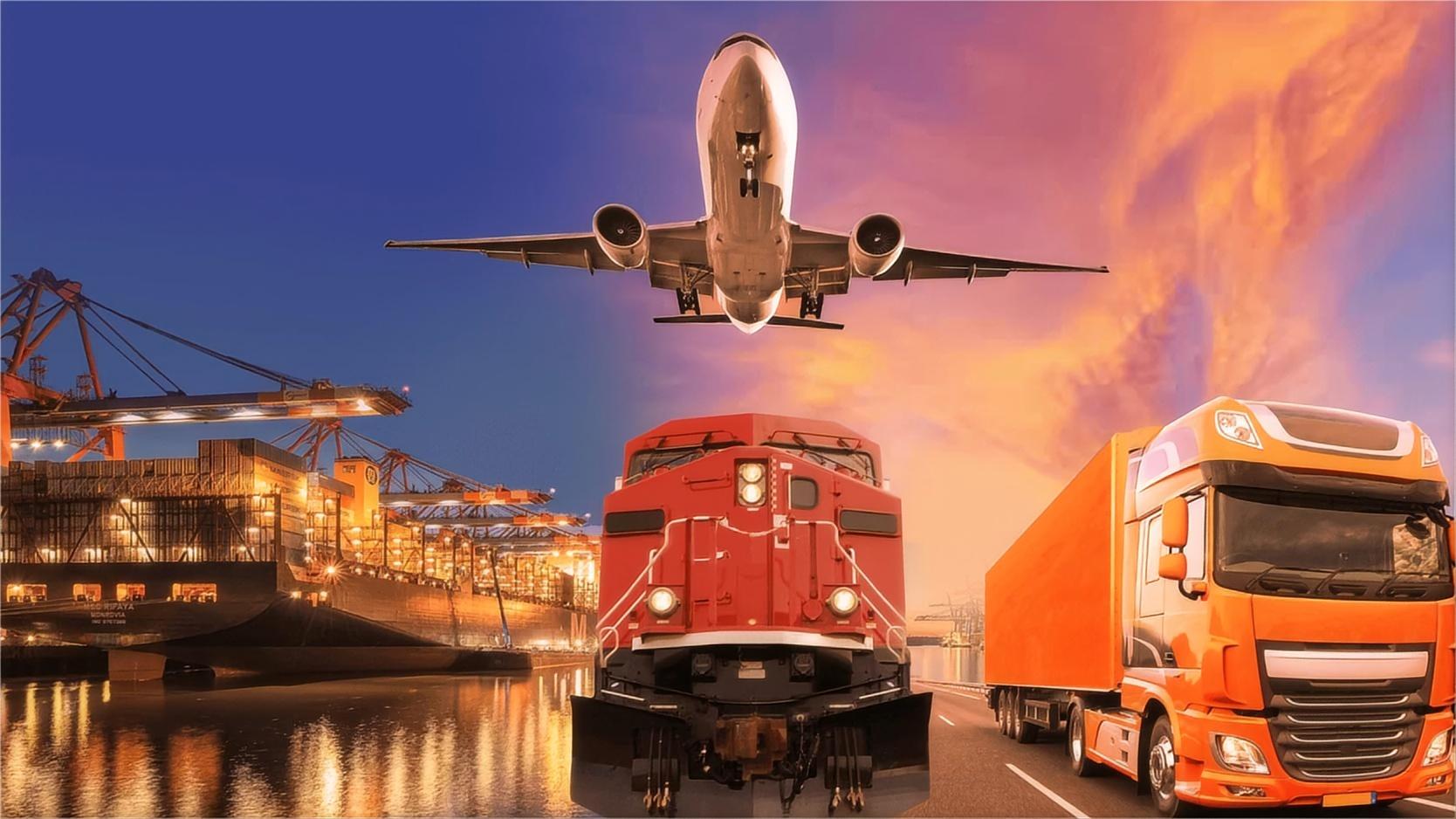
Trusted door to door delivery from China to Canada represents a comprehensive logistics solution where the freight forwarder handles every step of the journey. Consequently, the shipper does not need to worry about coordinating multiple carriers or managing complex port handovers.
Choosing door to door services allows businesses to focus on their core operations while experts manage the transportation. Moreover, this method typically includes pickup from the supplier, international transit, and final delivery to the Canadian warehouse.
Reliability remains the most critical factor when selecting a provider for this route. Therefore, importers must verify the credentials and track record of their chosen logistics partner to avoid common pitfalls like hidden fees or documentation errors.
How Does Door to Door Shipping Compare to Other Shipping Options?
Understanding the differences between shipping methods is essential for optimizing your logistics budget. While port-to-port shipping might seem cheaper initially, it often involves hidden costs at the destination.
Trusted door to door delivery from China to Canada provides a fixed price that covers the entire journey, which simplifies financial planning. In contrast, other methods require the importer to arrange their own trucking and customs clearance separately.
Below is a comparison of the most common shipping strategies for the China to Canada route.
| Shipping Method | Cost Range | Transit Time | Best For |
|---|---|---|---|
| Door to Door (Sea) | $2,500 – $4,500 | 25 – 40 Days | Bulk goods and cost savings |
| Door to Door (Air) | $8 – $15 per kg | 5 – 10 Days | High-value or urgent cargo |
| Port to Port | $1,800 – $3,500 | 20 – 35 Days | Experienced importers |
| Express Courier | $12 – $20 per kg | 3 – 5 Days | Small samples and documents |
Why Should You Choose Sea Freight for Large Shipments?
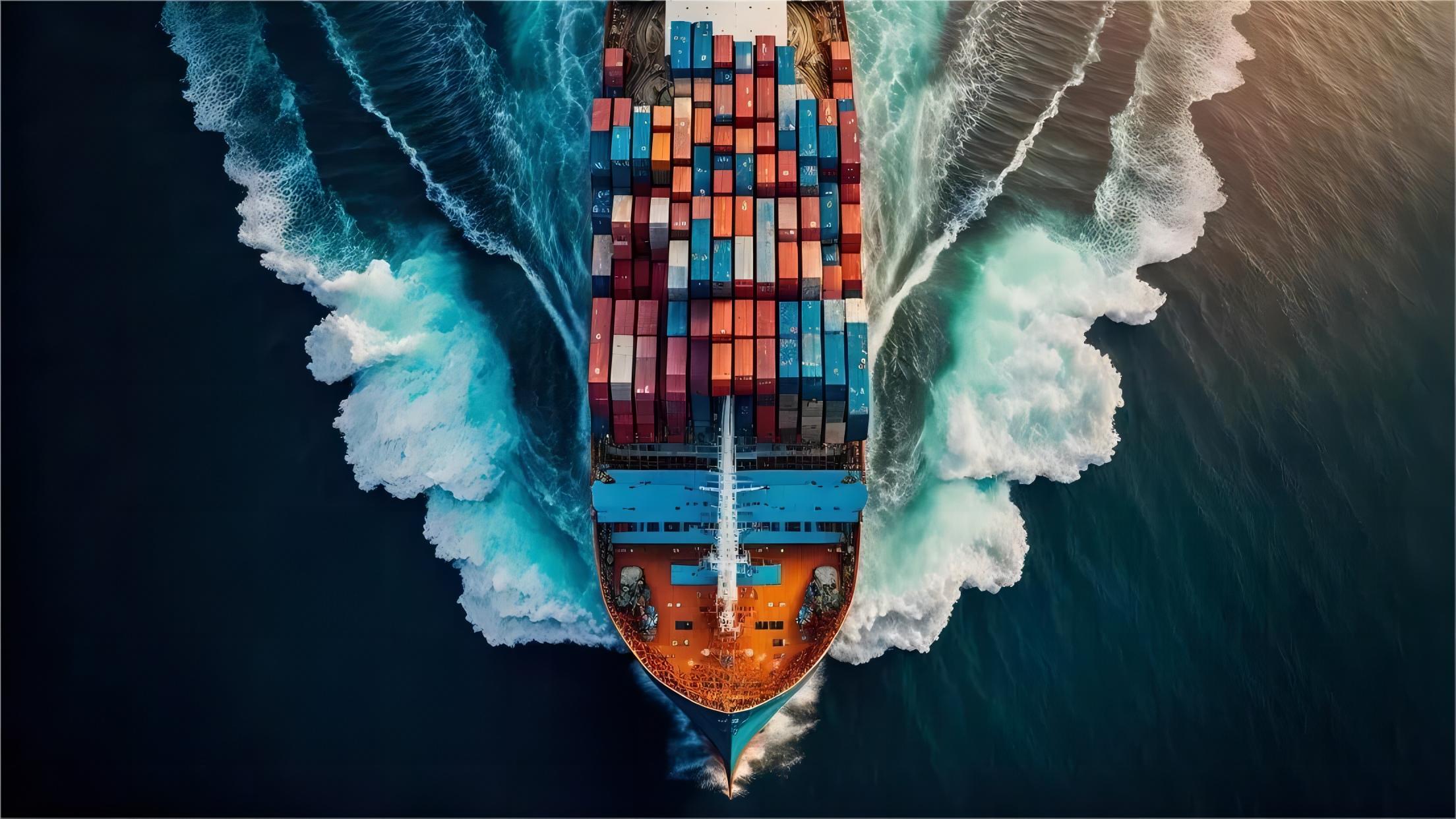
Selecting sea freight is the most economical choice for transporting heavy or bulky items across the Pacific. Indeed, the cost per unit drops significantly when you utilize full container loads for your inventory.
Furthermore, ocean transport offers the capacity to move massive volumes that would be prohibitively expensive via air. Most Canadian businesses use this method for furniture, machinery, and consumer electronics during peak seasons.
However, shippers must account for longer transit times and potential port congestion in Vancouver or Prince Rupert. Consequently, planning your inventory schedule at least two months in advance is a wise strategy for maintaining stock levels.
Can Air Freight Accelerate Your Supply Chain?
Utilizing air freight provides the speed necessary to respond to sudden market demands or urgent replenishment needs. Although the rates are higher, the reduction in lead time can justify the investment for time-sensitive products.
Notably, air transport offers enhanced security and lower insurance premiums compared to sea travel. This makes it an ideal choice for high-tech components or luxury goods that require careful handling.
Businesses often employ a hybrid strategy by shipping the majority of goods by sea and using air for urgent gaps. This balanced approach ensures cost-efficiency while maintaining high service levels for Canadian customers.
What Documents are Required for Customs Clearance in Canada?
Navigating the Canadian Border Services Agency requirements is often the most challenging part of the import process. Specifically, you must provide accurate documentation to avoid costly delays and potential fines at the border.
Every shipment requires a commercial invoice, a packing list, and a bill of lading or airway bill. Additionally, specific products may require permits from other government departments like Health Canada or the Canadian Food Inspection Agency.
Importers should ensure that their Harmonized System codes are correct to determine the accurate duty rates. Working with a professional broker can streamline this process and ensure compliance with all Canadian regulations.
| Document Name | Purpose | Required By | Typical Format |
|---|---|---|---|
| Commercial Invoice | Valuation of goods | CBSA | Digital/PDF |
| Packing List | Content verification | Warehouse/Customs | Digital/PDF |
| Bill of Lading | Title of goods | Carrier | Original/Telex |
| Certificate of Origin | Trade agreement proof | CBSA | Standard Form |
How Much Does Trusted Door to Door Delivery from China to Canada Cost?
Determining the exact cost of shipping involves several variables including fuel surcharges, seasonal demand, and cargo weight. For instance, express service rates can fluctuate weekly based on carrier capacity.
Market data suggests that ocean freight rates from China to the Canadian West Coast are generally lower than those to the East Coast. Shipping to Toronto or Montreal usually adds inland trucking costs that increase the total landed price.
Typical rates as of early 2025 show a stabilization in the market after the disruptions of previous years. Nevertheless, shippers should always request a current quote to account for real-time market conditions and specific cargo requirements.
Note: Freight rates are subject to change based on fuel costs, carrier capacity, and seasonal demand. Contact us for a current quote tailored to your specific shipment.
Which Option Should You Choose for Your Business?
Deciding on the best shipping method depends largely on your budget, timeline, and the nature of your products. If your primary goal is cost reduction and you have ample lead time, sea freight is the clear winner.
On the other hand, if you are launching a new product or dealing with seasonal trends, the speed of air freight might be essential. Small businesses often prefer express services for their simplicity and end-to-end tracking capabilities.
Consider the volume thresholds when making your choice; shipments over 15 CBM are usually more economical as a full container load. Conversely, smaller shipments benefit from Less than Container Load options which share space with other importers.
Real-World Case Studies: China to Canada Logistics
Case Study 1: Electronics from Shenzhen to Toronto. A tech retailer needed to move 1,500kg of consumer electronics. They chose a 20GP container via sea freight for a total landed cost of $3,200. The transit time from booking to door delivery was 32 days, successfully meeting the holiday launch date.
Case Study 2: Furniture from Foshan to Vancouver. A local boutique imported 5 CBM of custom furniture using LCL shipping. The ocean freight cost was $850, with a total door-to-door timeline of 24 days. This method allowed the business to maintain variety without overstocking their warehouse.
Case Study 3: Industrial Parts from Shanghai to Calgary. An engineering firm required urgent replacement parts weighing 450kg. They utilized air freight with a total cost of $4,800. The parts arrived at the Calgary facility in just 7 days, preventing a costly production shutdown.
How to Minimize Shipping Risks and Delays?
Reducing risks in international shipping starts with thorough preparation and clear communication with your supplier. For example, ensuring that goods are packed securely can prevent damage during the long ocean voyage.
Moreover, verifying the accuracy of all labels and shipping marks helps avoid confusion at the destination port. Many delays occur simply because the paperwork does not match the physical cargo being inspected.
Establishing a relationship with a trusted freight forwarder provides an extra layer of protection against unexpected issues. These professionals can troubleshoot problems at the port and provide real-time updates on your shipment status.
Mastering Your China to Canada Logistics
Successfully managing trusted door to door delivery from China to Canada is a vital skill for any modern importer. By understanding the various shipping methods, documentation requirements, and cost factors, you can make informed decisions that benefit your bottom line.
Reliability and transparency are the cornerstones of a successful shipping partnership. Whether you choose sea, air, or express services, ensuring your partner has the expertise to handle Canadian customs is paramount.
Ultimately, the right logistics strategy will provide your business with a competitive edge in the Canadian market. Start planning your next shipment with confidence and watch your international trade operations thrive.
Ready to streamline your logistics?
Streamline your international logistics today with Top China Freight. Contact our expert team for a customized quote on trusted door to door delivery from China to Canada and experience hassle-free shipping. Visit our website to Send Inquiry and start your journey.
Request Quote