

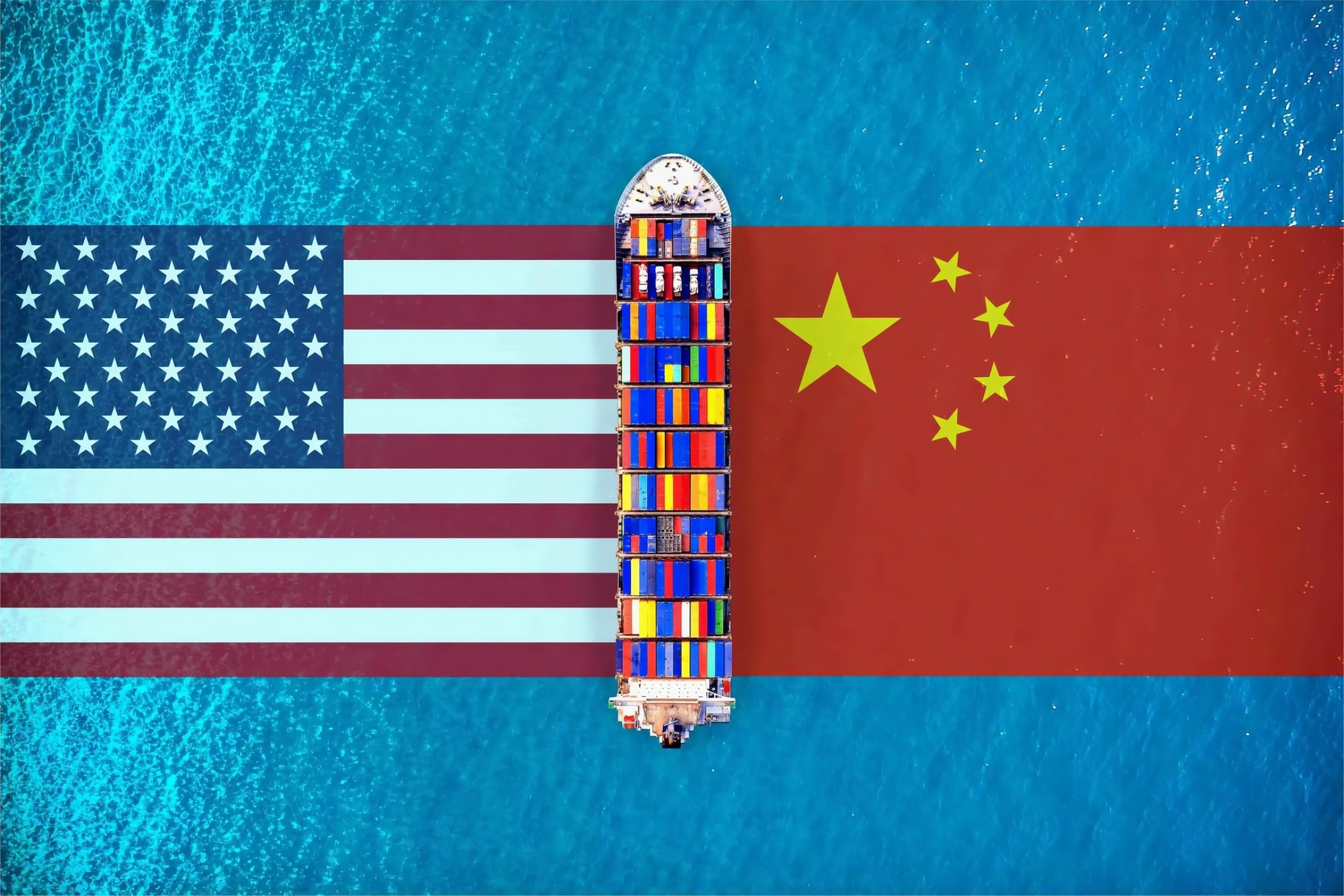
Fast Door to Door Delivery from China to Italy: 2025 Logistics Guide
Securing fast door to door delivery from China to Italy is essential for businesses that demand reliability and speed in their international supply chain. Working with a dedicated freight forwarder like Top China Freight allows you to bypass logistics hurdles and focus on your core operations. This comprehensive guide details the most effective shipping strategies to ensure your cargo reaches Italian destinations safely and on schedule.
Why Choose Fast Door to Door Delivery from China to Italy?
Modern businesses require streamlined logistics to remain competitive in the global market. Consequently, choosing a door to door service eliminates the need for multiple intermediaries during the transport process.
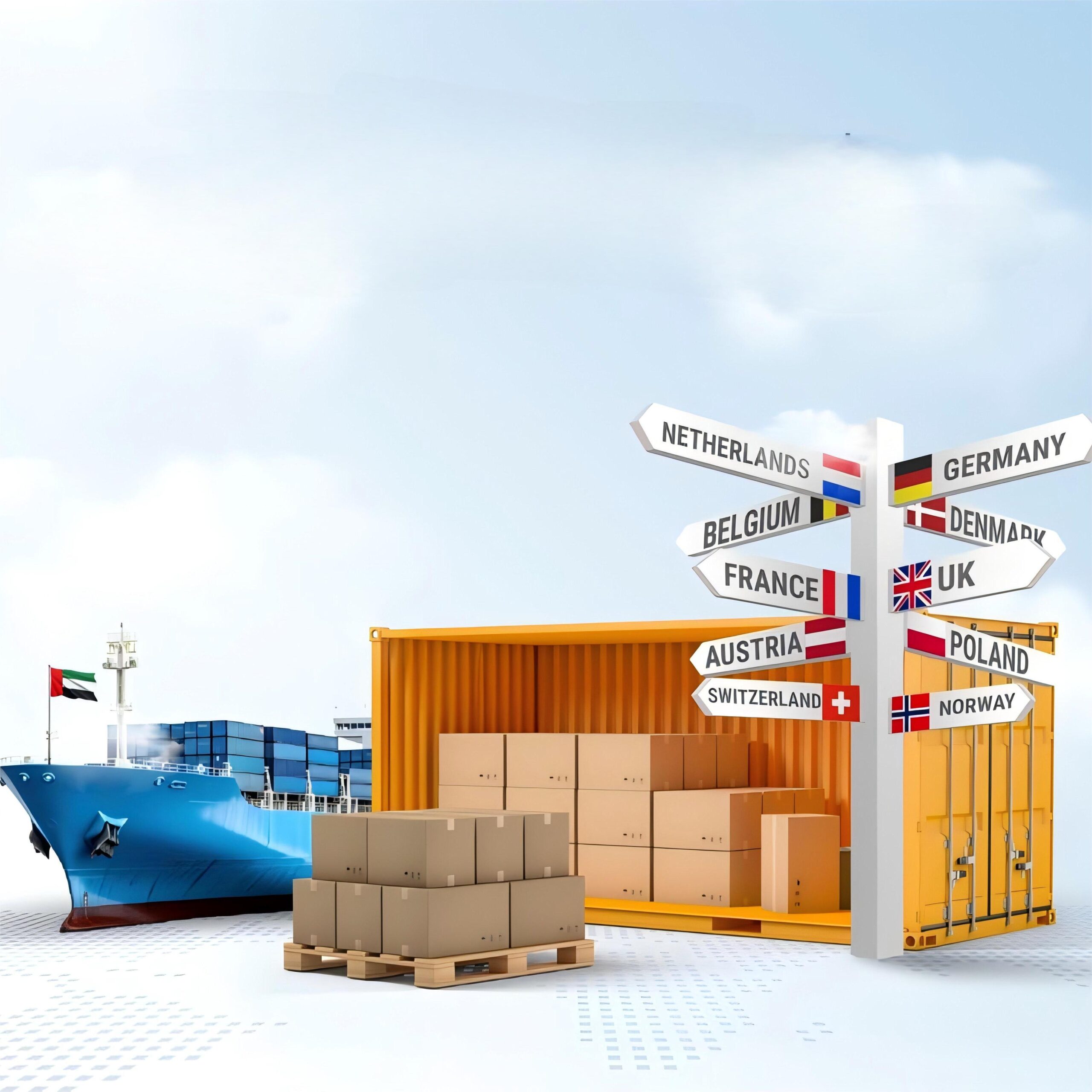
Moreover, this method provides a single point of accountability, which reduces the risk of communication errors or lost shipments. You can track your goods from the manufacturer in China directly to your warehouse in Milan or Rome.
Additionally, fast door to door delivery from China to Italy simplifies the complex customs and documentation requirements. Professional forwarders handle every detail, ensuring compliance with both Chinese export laws and Italian import regulations.
Therefore, importers can save significant time and resources by outsourcing the entire logistics chain to experienced professionals. This approach is particularly beneficial for high-value goods or time-sensitive inventory.
How Does Fast Door to Door Delivery Compare to Other Shipping Options?
Understanding the differences between shipping methods is vital for optimizing your logistics budget. While standard port-to-port shipping might seem cheaper, it often involves hidden costs and additional coordination efforts.
Indeed, door to door services integrate trucking, warehousing, and customs clearance into one transparent price. This integration often results in faster overall transit times because there are no delays between different legs of the journey.
On the other hand, traditional shipping requires the importer to arrange local transport in Italy. This can lead to delays if the local carrier is not synchronized with the arrival of the ocean vessel or aircraft.
| Shipping Method | Cost Range | Transit Time | Best For | Limitations |
|---|---|---|---|---|
| Express Service | High ($8-12/kg) | 3-5 Days | Small/Urgent | Weight limits |
| Air Freight | Medium-High | 5-10 Days | High-value | Expensive for bulk |
| Sea Freight | Low ($2k-4k/40HQ) | 30-40 Days | Large volumes | Slow transit |
| Rail Freight | Moderate | 18-25 Days | Eco-friendly | Fixed routes |
Utilizing Express Service for Urgent Italian Shipments
When time is the most critical factor, an express service offers the quickest path for your goods. This method utilizes courier networks like DHL, FedEx, or UPS to move parcels across continents in just a few days.
Furthermore, express shipping includes automated customs processing, which further accelerates the delivery timeline. It is the ideal choice for samples, documents, or high-demand consumer electronics.
However, the cost per kilogram is significantly higher than other modes of transport. Consequently, businesses should reserve express options for shipments where the speed of delivery justifies the premium price point.
In addition, most express providers offer real-time tracking and proof of delivery. This transparency provides peace of mind for both the sender and the recipient during the transit process.
Air Freight Solutions for High-Value Cargo
For larger shipments that still require rapid arrival, air freight provides a perfect balance of capacity and speed. It is much faster than sea freight while being more cost-effective than express services for heavy loads.
Typically, air cargo reaches major Italian airports like Malpensa or Fiumicino within a week. After arrival, the door to door service ensures the goods are quickly cleared and trucked to their final destination.
Nevertheless, air freight rates are subject to seasonal fluctuations and fuel surcharges. It is advisable to book in advance during peak seasons to secure space and more favorable pricing.
Market data suggests that air freight is the preferred method for the fashion and automotive industries in Italy. These sectors rely on just-in-time inventory to meet consumer demands and production schedules.
Maximizing Efficiency with Sea Freight and Door to Door Logistics
While not the fastest option, sea freight remains the backbone of global trade due to its immense capacity. For non-urgent, bulky items, it offers the lowest cost per unit for fast door to door delivery from China to Italy.
Importers can choose between Full Container Load (FCL) or Less than Container Load (LCL) depending on their volume. FCL is generally faster as it avoids the consolidation and deconsolidation steps required for smaller shipments.
Furthermore, sea-air hybrid solutions are becoming increasingly popular for those seeking a middle ground. This involves shipping by sea to a hub like Dubai and then completing the journey via air to Italy.
According to industry benchmarks, sea freight is the most sustainable choice for large-scale imports. It allows companies to move massive quantities of goods while significantly reducing their carbon footprint per ton-mile.
Navigating Customs Brokerage and Italian Import Regulations
The success of any international shipment depends heavily on efficient customs brokerage. Without proper documentation, even the fastest transport method can be stalled at the border for weeks.
Italian customs authorities require specific documents, including the Commercial Invoice, Packing List, and Bill of Lading. Additionally, certain products may require CE certification or specific health certificates.
Therefore, working with a forwarder that understands the Integrated Tariff of the European Communities (TARIC) is essential. They will ensure your goods are classified correctly to avoid overpaying duties or facing penalties.
In contrast, DIY customs filing often leads to errors that trigger inspections. Such delays not only increase costs but also disrupt the entire delivery schedule for your business.
| Document Name | Purpose | Required By | Notes |
|---|---|---|---|
| Commercial Invoice | Valuation of goods | Customs | Must be accurate |
| Packing List | Detail of contents | Carrier/Customs | Matches invoice |
| Bill of Lading | Title to cargo | Carrier | Essential for release |
| Certificate of Origin | Verify source | Customs | Affects duty rates |
Real-World Case Studies for China to Italy Shipping
Examining real-world scenarios helps illustrate the practical application of different shipping strategies. These cases reflect typical challenges and outcomes for businesses importing from China.
Case studies provide a benchmark for expected costs and timelines in the current market. They also highlight the importance of choosing the right shipping mode for specific cargo types.
Case Study 1: Urgent Electronics Launch
Route: Shenzhen, China to Milan, Italy. Cargo: High-end tablet computers, 5 CBM, 1,200 kg. Container: LCL Air Freight.
Shipping Details: Carrier: Major airline via Hong Kong. Port of Loading: Shenzhen. Port of Discharge: Milan Malpensa (MXP). Route Type: Direct air transit.
Cost Breakdown: Air Freight: $6,500. Origin Charges: $450. Destination Charges: $600. Customs and Duties: $1,200. Total Landed Cost: $8,750.
Timeline: Booking to Loading: 2 days. Air Transit: 2 days. Customs Clearance: 1 day. Total Door-to-Door: 5 days.
Key Insight: Using air freight allowed the client to meet a strict product launch deadline despite production delays in China.
Case Study 2: Industrial Machinery Import
Route: Shanghai, China to Rome, Italy. Cargo: CNC Machine parts, 28 CBM, 15,000 kg. Container: 20GP Full Container.
Shipping Details: Carrier: COSCO. Port of Loading: Shanghai. Port of Discharge: Port of Civitavecchia. Route Type: Direct sea route.
Cost Breakdown: Ocean Freight: $2,200. Origin Charges: $350. Destination Charges: $500. Customs and Duties: $2,100. Total Landed Cost: $5,150.
Timeline: Booking to Loading: 5 days. Sea Transit: 32 days. Customs Clearance: 3 days. Total Door-to-Door: 40 days.
Key Insight: FCL sea freight provided the lowest cost per unit for heavy machinery, making the project financially viable.
Which Option Should You Choose for Your Business?
Choosing the right door to door solution depends on your specific priorities and constraints. If your primary concern is budget, sea freight is almost always the best choice for large volumes.
Conversely, if you are shipping perishable goods or fashion items with a short shelf life, speed is the priority. In these instances, air freight or express services are necessary to prevent stockouts and revenue loss.
Indeed, many successful companies use a mix of methods. They might send the bulk of their inventory via sea freight while using air freight for urgent restocks or new product samples.
Finally, always consider the total landed cost rather than just the shipping rate. Factor in duties, insurance, and local trucking to get a complete picture of your logistics expenses.
Mastering Your Italian Logistics Strategy
In summary, achieving fast door to door delivery from China to Italy requires a strategic combination of the right shipping method and a reliable logistics partner. Whether you prioritize the speed of air freight or the cost-efficiency of sea freight, understanding the nuances of the route is key.
By leveraging professional customs brokerage and integrated transport services, you can significantly reduce transit times and operational stress. This proactive approach ensures your business remains agile and responsive to market changes.
Ultimately, the goal is to create a seamless flow of goods that supports your business growth. Start optimizing your China-Italy shipping route today to gain a competitive edge in the European market.
Ready to streamline your logistics?
Streamline your supply chain today with our expert logistics team. Contact us now to receive a customized quote for fast door to door delivery from China to Italy and experience hassle-free international shipping. Visit https://Top China Freight.com/ to get started.
Request Quote