

Reliable Door to Door Delivery from China to Belgium: A Complete Guide
Finding a reliable door to door delivery from China to Belgium is essential for businesses looking to maintain a seamless supply chain. Top China Freight provides comprehensive logistics solutions that bridge the gap between Chinese manufacturers and Belgian distributors. This specialized service eliminates the complexity of coordinating multiple carriers and handling intricate customs procedures independently.
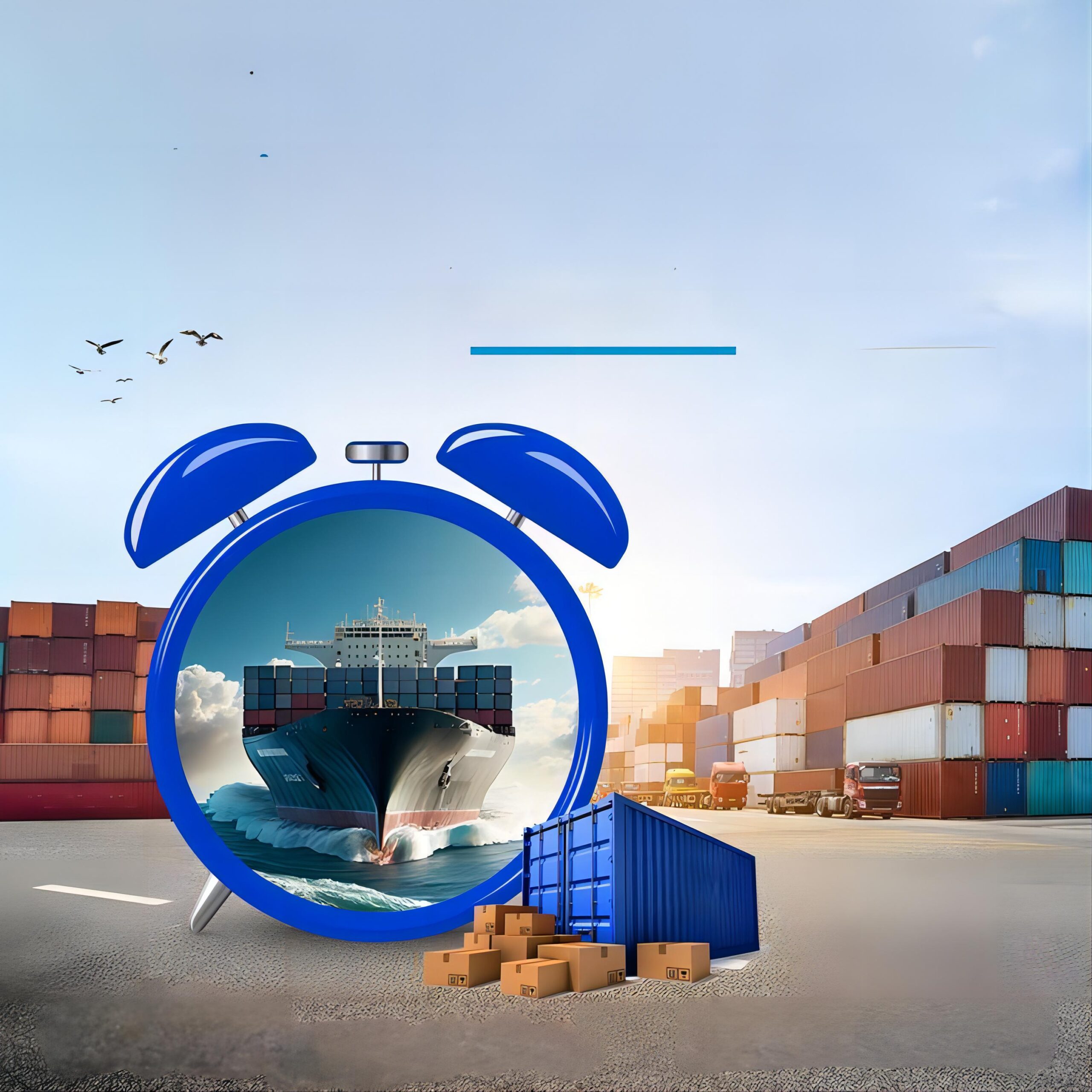
Why Choose Reliable Door to Door Delivery from China to Belgium?
Choosing a professional service ensures that every aspect of the journey is managed by experts. This method covers the entire process from the factory floor in China to the final destination in Brussels or Antwerp. Consequently, importers can avoid the stress of managing local trucking, international freight, and final mile delivery separately.

Furthermore, a single point of contact simplifies communication and improves accountability throughout the shipping process. If any delays occur at the port or during customs clearance, your freight forwarder handles the resolution immediately. Therefore, you save significant time and resources that can be better spent on growing your business.
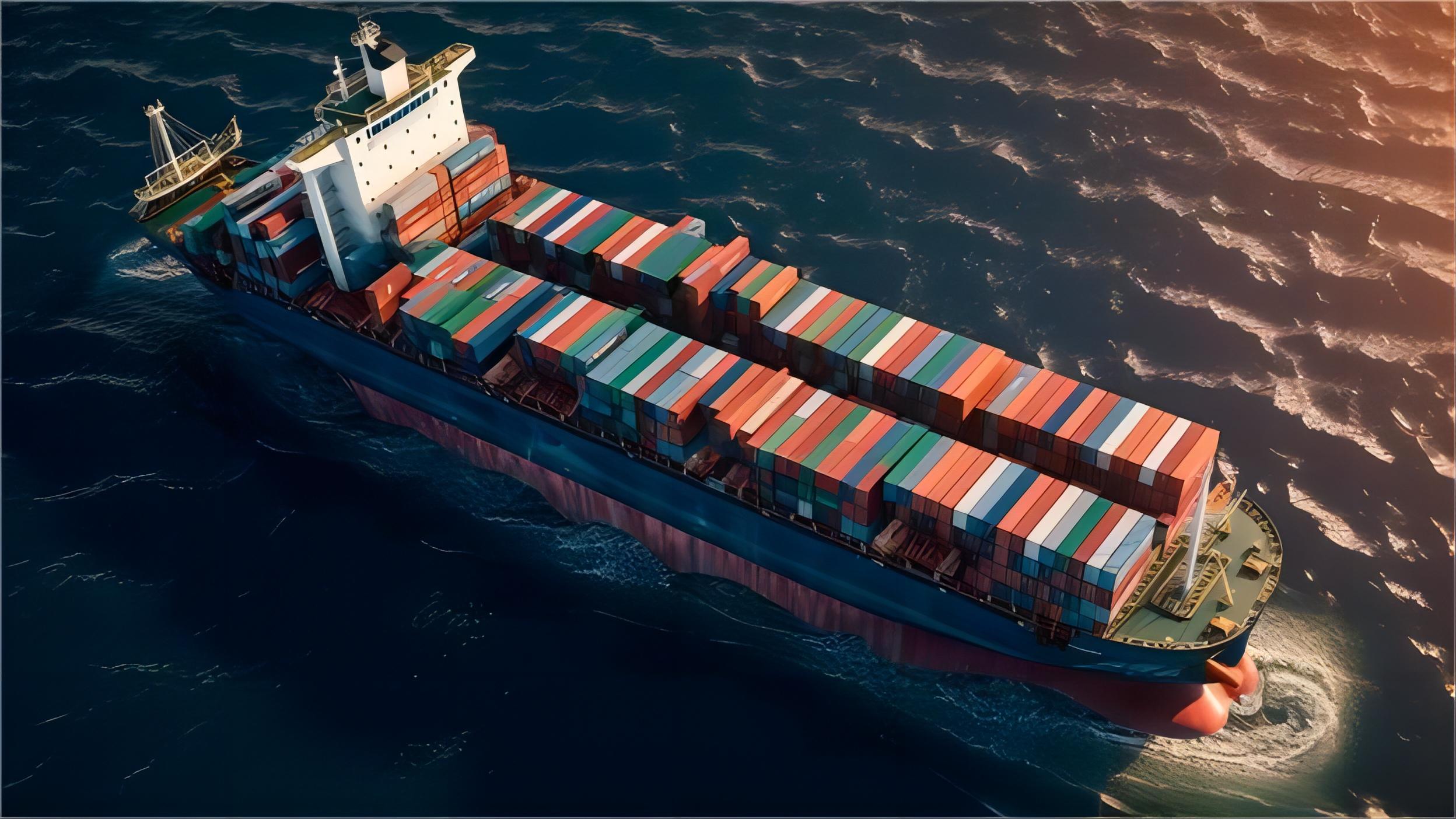
Additionally, reliable door to door delivery from China to Belgium offers predictable pricing structures. Most providers bundle all costs, including origin charges, freight, and destination fees, into a single quote. This transparency helps businesses maintain accurate budgets and avoid unexpected surcharges during the transit period.
How Does Sea Freight Compare to Other Shipping Options?
Sea freight remains the backbone of international trade due to its high capacity and low cost for bulk goods. When compared to air or rail, maritime transport offers the most economical way to move large volumes of inventory. However, it requires careful planning because the transit times are significantly longer than other modes.
In contrast, sea freight is often the only viable option for oversized machinery or hazardous materials. While air freight is fast, it is also much more expensive and has strict weight and size limitations. Rail freight serves as a middle ground, offering faster speeds than the sea but at a higher price point.
Moreover, the environmental impact of ocean transport is generally lower per ton of cargo than air transport. Businesses focusing on sustainability often prioritize sea or rail options to reduce their carbon footprint. Nevertheless, the choice ultimately depends on your specific budget, cargo type, and delivery deadline requirements.
| Shipping Method | Cost Range | Transit Time | Best For | Limitations |
|---|---|---|---|---|
| Sea Freight (FCL) | $2,500 – $4,200 | 30 – 40 Days | Bulk Goods | Slowest Speed |
| Rail Freight | $1,800 – $3,000 | 18 – 24 Days | Mid-value Cargo | Route Limits |
| Air Freight | $5 – $9 per kg | 5 – 8 Days | Urgent Items | High Cost |
| Express Service | $8 – $15 per kg | 3 – 5 Days | Small Parcels | Very Expensive |
Understanding Transit Times and Logistics Trends in 2025
Transit times are influenced by various factors including port congestion, weather conditions, and seasonal demand. As of early 2025, sea routes from China to Belgium typically take between 30 and 45 days. Meanwhile, rail freight options have stabilized, offering a consistent 20-day transit for many inland destinations.
Logistics trends suggest that digitalization is making tracking more accurate and accessible for European importers. You can now monitor your shipment in real-time, receiving updates as it passes through major hubs like Singapore or Piraeus. Consequently, this level of visibility allows for better inventory management and more precise delivery scheduling.
Market data suggests that freight rates are currently influenced by fluctuating fuel costs and global trade policies. During the peak season from August to October, rates typically increase by 15 percent to 25 percent. Therefore, booking your shipments at least 3 to 4 weeks in advance is highly recommended to secure the best possible pricing.
Essential Documentation for Customs Clearance in Belgium
Navigating the Belgian customs system requires a thorough understanding of the Union Customs Code. You must provide a commercial invoice, a detailed packing list, and a Bill of Lading to the authorities. Additionally, specific products may require certificates of origin or CE marking to comply with European safety standards.
Professional customs brokerage services are vital for ensuring that your VAT and import duties are calculated correctly. Errors in documentation can lead to costly delays at the Port of Antwerp or Liege Airport. Indeed, having a local expert handle the paperwork ensures that your goods move through the border without unnecessary friction.
Importing goods into Belgium also involves paying the Common Customs Tariff, which varies based on the product classification. Using the correct HS Code is essential for determining the exact duty rate applicable to your shipment. Without a doubt, accurate classification is the best way to avoid fines and ensure a reliable door to door delivery from China to Belgium.
| Document Type | Purpose | Required By | Key Details |
|---|---|---|---|
| Commercial Invoice | Valuation | Customs | Price, Seller, Buyer |
| Packing List | Cargo Inspection | Warehouse | Weight, Dimensions |
| Bill of Lading | Title of Goods | Carrier | Route, Vessel Name |
| Certificate of Origin | Trade Agreements | Customs | Manufacturing Site |
Which Shipping Option Should You Choose?
Budget priority often leads importers toward sea freight, especially for shipments exceeding 15 cubic meters. If you are shipping smaller volumes, Less than Container Load (LCL) provides a cost-effective way to share space with other shippers. Conversely, Full Container Load (FCL) is safer and faster for large shipments that fill an entire 20ft or 40ft container.
Speed priority necessitates the use of air freight or express couriers for time-sensitive materials. Electronics, fashion items, and perishable goods are the most common types of cargo found on these routes. Although the cost is higher, the rapid turnover of inventory can often justify the additional expense for high-margin products.
Cargo type considerations also play a major role in the decision-making process for Belgian importers. For example, heavy machinery is best suited for sea transport, while high-value components benefit from the security of air or rail. Hybrid solutions, such as sea-air combinations, can also be explored to balance cost and speed effectively.
Case Studies: Real-World Shipping Scenarios to Belgium
Reviewing actual shipping data helps illustrate the costs and timelines associated with different logistics strategies. These examples reflect typical market rates and transit times for the 2024-2025 period. Note: Freight rates are subject to change based on fuel costs, carrier capacity, and seasonal demand.
Case Study 1: Electronics Distribution. Route: Shenzhen to Brussels. Cargo: Consumer electronics, 5 CBM, 1,200 kg. Shipping Method: Air Freight. Total Landed Cost: $7,800. Total Door-to-Door: 7 days. Key Insight: Choosing air freight allowed the client to meet a product launch deadline despite manufacturing delays.
Case Study 2: Furniture Import. Route: Ningbo to Antwerp. Cargo: Home furniture, 1 x 40HQ Container. Shipping Method: Sea Freight (FCL). Total Landed Cost: $4,500. Total Door-to-Door: 38 days. Key Insight: Using FCL sea freight minimized the cost per unit, making the retail price more competitive in the Belgian market.
The Benefits of Integrated Door to Door Logistics
Integrated door to door logistics provide a comprehensive solution that reduces the number of intermediaries involved. This streamlined approach minimizes the risk of damage during cargo handling at various transit points. Furthermore, it allows for more accurate delivery windows, which is crucial for Just-In-Time manufacturing processes.
Last-mile delivery in Belgium is handled by local trucking experts who understand the regional infrastructure. Whether your warehouse is in Ghent, Liege, or Charleroi, the final leg of the journey is executed with precision. Consequently, you receive your goods directly at your doorstep without having to arrange local transport from the port.
Moreover, a reliable door to door delivery from China to Belgium often includes insurance options to protect your investment. Freight insurance provides peace of mind against unforeseen events during the long journey across oceans or continents. Therefore, investing in a full-service package is often the most secure way to manage international trade.
Final Thoughts on Shipping to Belgium
Successfully importing goods requires a strategic approach to logistics and a partnership with a trusted freight forwarder. By understanding the differences between sea, air, and rail freight, you can make informed decisions that benefit your bottom line. Reliable door to door delivery from China to Belgium remains the most efficient way to handle complex international shipments in today’s market.
As global trade continues to evolve, staying updated on logistics trends and customs regulations is essential. Whether you prioritize cost-savings or speed, there is a shipping solution tailored to your specific business needs. Start planning your next shipment today to ensure your goods arrive safely and on schedule.
Ready to streamline your logistics?
Ready to streamline your supply chain with reliable door to door delivery from China to Belgium? Contact our expert team today to receive a customized quote and expert guidance on your next shipment. Visit our inquiry page to get started: Send Inquiry
Request Quote