

Best Door to Door Delivery from China to Belgium: 2025 Guide
Finding the best door to door delivery from China to Belgium is essential for businesses looking to streamline their international supply chain. This comprehensive guide explores the most efficient shipping methods, current market rates, and essential customs procedures to ensure your cargo arrives safely. Navigating the complexities of global logistics requires a reliable partner and a clear understanding of the available transport options.

What is the Best Door to Door Delivery from China to Belgium?
Determining the most effective logistics strategy involves evaluating speed, cost, and reliability for your specific goods. Door to door service simplifies the process by handling everything from the supplier’s warehouse in China to the final destination in Belgium.

Furthermore, this method eliminates the need for importers to manage multiple intermediaries or arrange local transport at either end. Consequently, many businesses prefer this all-inclusive approach to reduce administrative burdens and minimize the risk of shipping delays.
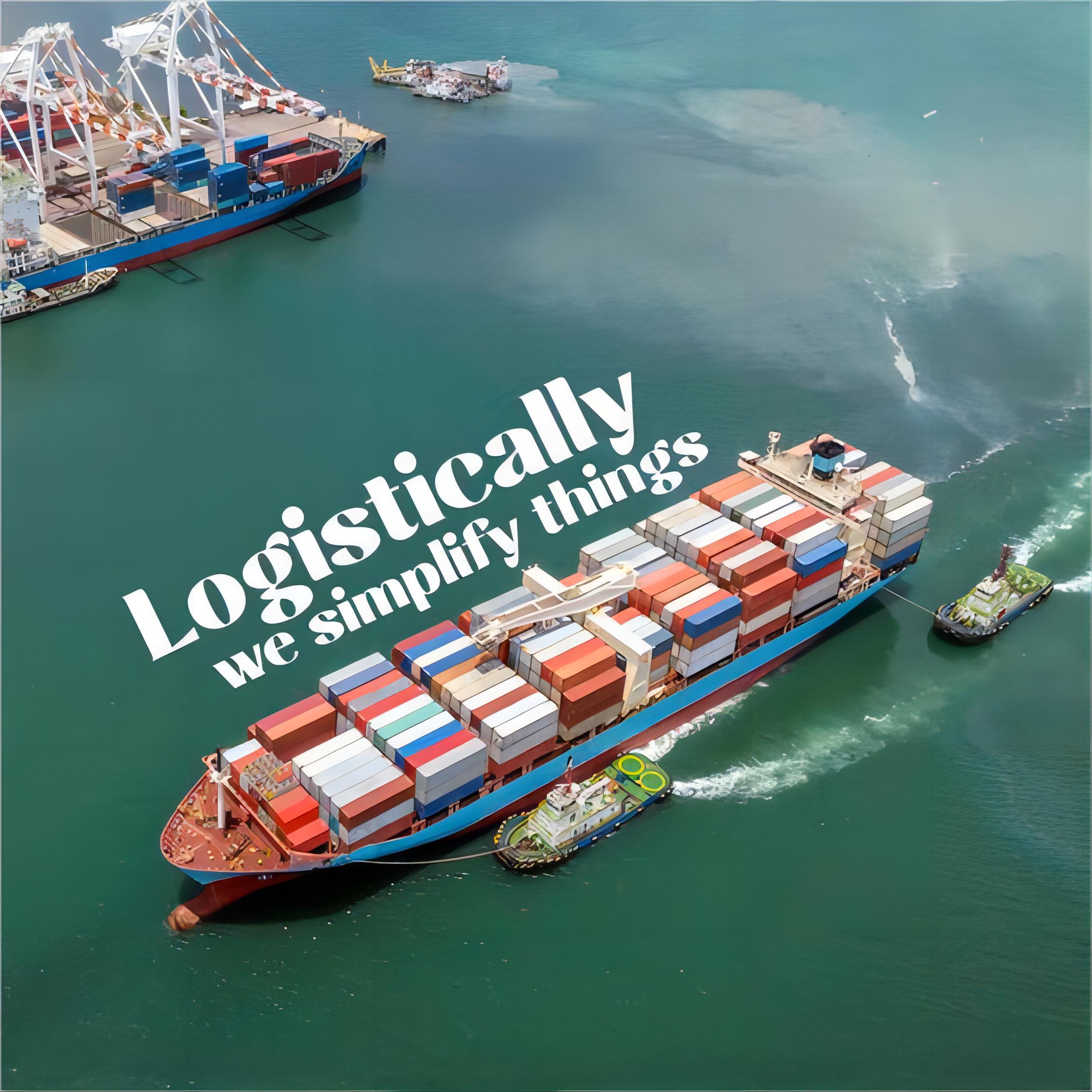
Moreover, the best door to door delivery from China to Belgium typically includes customs clearance, documentation, and final mile delivery. This integrated solution ensures that your supply chain remains resilient even during peak seasons or global market fluctuations.
How Does Sea Freight Compare to Other Shipping Options?
Comparing different transportation modes is vital for optimizing your shipping budget and meeting delivery deadlines. While sea freight remains the most popular choice for large volumes, it is important to understand its trade-offs compared to rail and air solutions.
Additionally, ocean transport offers the lowest cost per unit for bulk items and heavy machinery. Therefore, if your priority is cost savings and your timeline is flexible, sea freight is often the superior choice for your business needs.
Nevertheless, transit times for sea routes are significantly longer than other methods, typically ranging from 30 to 40 days. Shippers must plan their inventory levels carefully to account for this extended duration in the water.
| Shipping Method | Cost Range | Transit Time | Best For |
|---|---|---|---|
| Sea Freight (FCL) | $1,800 – $4,200 | 30-40 Days | Bulk & Large Volume |
| Rail Freight | $2,500 – $5,500 | 18-24 Days | Mid-size Shipments |
| Air Freight | $5.00 – $9.00/kg | 5-8 Days | Urgent & High-Value |
| Express Service | $8.00 – $15.00/kg | 3-5 Days | Samples & Small Parcels |
The Strategic Importance of Rail Freight to Belgium
Belgium serves as a critical logistics hub for Western Europe, particularly with the growth of rail freight connections between China and Liege. This middle-ground option provides a faster alternative to sea freight while remaining more affordable than air transport.
Indeed, the New Silk Road has revolutionized how companies move goods across the Eurasian continent. Rail transit typically takes about three weeks, making it an excellent choice for seasonal products that require a quicker turnaround than ocean vessels can provide.
In addition, rail transport is often considered more environmentally friendly than air freight. Consequently, companies focused on sustainability are increasingly integrating rail solutions into their European distribution strategies.
When to Choose Air Freight for Belgium Shipments
Utilizing air freight is the most effective strategy when speed is the primary concern for your supply chain. This method is ideal for high-value electronics, fashion items, or perishable goods that require immediate delivery to the Belgian market.
Although the costs are higher, the reduced transit time allows for lower inventory carrying costs and faster market responsiveness. Most air shipments arrive at Brussels Airport (BRU) or Liege Airport (LGG) within a week of departure from China.
Furthermore, the security measures for air cargo are exceptionally stringent. As a result, the risk of theft or damage during transit is significantly lower compared to other modes of transportation.
Navigating Customs Brokerage and Documentation
Managing the legal requirements for importing goods into the European Union can be a daunting task for many businesses. Engaging a professional customs brokerage service ensures that all paperwork is filed correctly to avoid costly penalties or port delays.
Specifically, you will need a commercial invoice, a packing list, and a Bill of Lading or Air Waybill. Belgian customs also require an EORI number for all businesses importing goods for commercial purposes.
Moreover, understanding the Integrated Tariff of the European Union (TARIC) is essential for calculating duties and VAT correctly. Properly classified goods move through customs much faster, ensuring your door to door delivery remains on schedule.
| Document Name | Purpose | Issued By | Requirement |
|---|---|---|---|
| Commercial Invoice | Valuation of Goods | Exporter | Mandatory |
| Packing List | Contents Detail | Exporter | Mandatory |
| Certificate of Origin | Verify Source | Chamber of Commerce | Often Required |
| EORI Number | EU ID for Importers | Belgian Customs | Mandatory for EU |
Using Express Service for Small Shipments
Choosing an express service is the best option for shipping small parcels, samples, or urgent documents. These carriers provide a seamless door to door experience with real-time tracking and guaranteed delivery windows.
Typically, express providers handle the entire customs clearance process on behalf of the shipper. This convenience makes it the preferred choice for e-commerce sellers and startups that lack extensive logistics experience.
However, shippers should be aware of dimensional weight pricing, which can significantly increase costs for bulky but lightweight items. Always compare the actual weight against the volumetric weight before finalizing your booking.
Which Option Should You Choose? Decision Framework
Selecting the right method depends on several variables including budget, volume, and urgency. If your budget is the priority, sea freight is the clear winner for large shipments over 15 CBM.
On the other hand, if speed is your main concern, air or express services are necessary. For those seeking a balance, rail freight offers a competitive mix of cost and transit time that fits many business models.
Cargo type also plays a role; hazardous materials or oversized items may be restricted to specific vessels or routes. Always consult with a logistics expert to determine the most feasible path for your specific inventory.
Real-World Case Studies for Belgium Shipments
Case Study 1: Electronics from Shenzhen to Antwerp. Cargo: Consumer electronics, 25 CBM, 5000 kg. Container: 20GP. Shipping Details: Ocean carrier via direct route. Cost Breakdown: Ocean Freight $2,100, Origin Charges $450, Destination Charges $600, Total Landed Cost $3,150. Timeline: 34 days door to door. Key Insight: Booking 3 weeks in advance secured a lower rate during the Q3 peak.
Case Study 2: Textiles from Ningbo to Brussels. Cargo: Apparel, 4 CBM, 800 kg. Shipping Method: Rail Freight (LCL). Cost Breakdown: Freight $950, Customs $200, Local Delivery $150, Total $1,300. Timeline: 22 days door to door. Key Insight: Rail saved 12 days compared to sea freight for a 20% price premium.
Case Study 3: Urgent Spare Parts from Shanghai to Ghent. Cargo: Industrial parts, 50 kg. Shipping Method: Air Express. Cost Breakdown: Total $650. Timeline: 4 days door to door. Key Insight: Direct air delivery prevented a factory shutdown in Belgium.
Cost-Saving Strategies for China to Belgium Delivery
Implementing smart logistics strategies can significantly reduce your overall shipping expenses. One effective method is consolidating multiple small orders into a single LCL or FCL shipment to benefit from bulk rates.
Additionally, optimizing your packaging to reduce empty space can lower both actual and volumetric weight charges. Choosing off-peak shipping times, such as avoiding the weeks immediately following Chinese New Year, can also lead to substantial savings.
Finally, negotiating long-term contracts with freight forwarders can provide price stability in a volatile market. Consistent volume often grants you access to better rates and priority space on vessels or planes.
Final Thoughts on Shipping to Belgium
Successfully navigating international trade requires a deep understanding of the best door to door delivery from China to Belgium. By weighing the pros and cons of sea, air, and rail freight, you can choose a strategy that aligns with your business goals.
Reliable logistics partners provide the expertise needed to handle customs and transport challenges effectively. As market conditions evolve in 2025, staying informed about freight trends will remain a key competitive advantage for Belgian importers.
Note: Freight rates are subject to change based on fuel costs, carrier capacity, and seasonal demand. Contact us for a current quote tailored to your specific shipment.
Ready to streamline your logistics?
Ready to optimize your supply chain with the best door to door delivery from China to Belgium? Contact our expert team at Top China Freight today to receive a customized quote and expert guidance for your next shipment. Visit our website to learn more about our comprehensive logistics solutions and start shipping smarter.
Request Quote