

Best Customs Clearance from China to USA: 2025 Expert Guide
Finding the best customs clearance from China to USA is essential for any business importing goods. Partnering with a reliable freight forwarder like Top China Freight ensures your shipments move through U.S. Customs and Border Protection without unnecessary delays. This guide provides a comprehensive roadmap for navigating the complexities of international trade between these two major economies.

Why Best Customs Clearance from China to USA Matters
Navigating the import landscape requires a deep understanding of federal regulations and local port procedures. Consequently, failing to manage these details can lead to expensive storage fees and significant delivery delays.
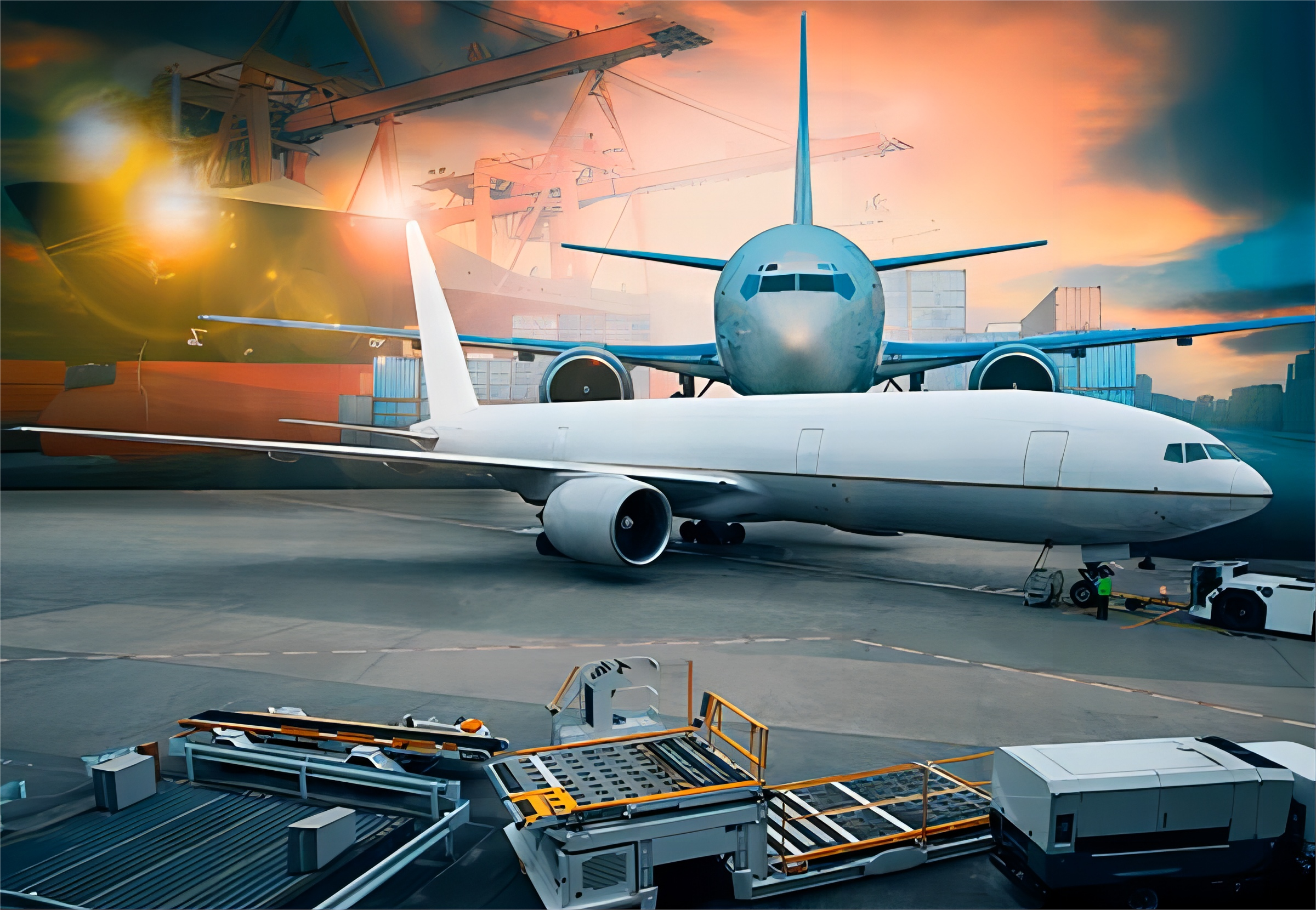
Importers must recognize that the U.S. Customs and Border Protection agency maintains strict oversight of all incoming cargo. Therefore, securing the best customs clearance from China to USA is not just about speed but also about legal compliance.

Additionally, accurate documentation prevents the risk of shipment seizures or heavy financial penalties. Furthermore, a streamlined process allows your business to maintain a predictable supply chain and satisfy customer demand consistently.
Moreover, the geopolitical environment often shifts, affecting duty rates and trade policies. Indeed, staying informed about these changes is crucial for maintaining your profit margins in a competitive market.
Essential Documentation for U.S. Customs Compliance
Preparing the correct paperwork is the first step toward a successful import operation. Specifically, the commercial invoice must clearly state the value, description, and origin of every item in your shipment.
Meanwhile, the packing list provides details about the weight, dimensions, and packaging type for the cargo. As a result, customs officers can quickly verify the contents of your container during an inspection.
Furthermore, you must provide a bill of lading, which acts as a contract between the shipper and the carrier. Additionally, a power of attorney for customs is required if you are working with a third-party agent to handle your entry.
| Document Name | Purpose | Required By | Timing |
|---|---|---|---|
| Commercial Invoice | Valuation and Duty | CBP | At Entry |
| Packing List | Cargo Verification | CBP / Carrier | At Loading |
| ISF (10+2) Filing | Security Screening | CBP | 24h Before Loading |
| Customs Bond | Payment Guarantee | CBP | Before Entry |
How Does Best Customs Clearance from China to USA Compare to Other Shipping Options
Choosing the right logistics model depends heavily on your budget and how quickly you need your goods to arrive. For instance, sea freight is the most economical choice for large volumes but requires more lead time for clearance.
In contrast, air freight offers the fastest transit times, which can be beneficial for high-value or perishable items. However, the costs are significantly higher than ocean transport.
Moreover, express services often include simplified clearance for low-value shipments under Section 321 de minimis rules. Consequently, small e-commerce parcels might bypass traditional duty payments if they meet specific criteria.
| Shipping Method | Cost Range | Transit Time | Best For |
|---|---|---|---|
| Sea Freight (FCL) | $1,500 – $4,500 | 14 – 35 Days | Bulk Goods |
| Air Freight | $5 – $12 per kg | 3 – 7 Days | Urgent Items |
| Express Courier | $8 – $15 per kg | 2 – 5 Days | Samples / Small |
| LCL Shipping | $50 – $150 CBM | 20 – 40 Days | Small Pallets |
Understanding ISF Filing and CBP Entry Requirements
The Importer Security Filing, commonly known as ISF or 10 plus 2, is a mandatory requirement for all ocean shipments entering the United States. Notably, this filing must be submitted at least 24 hours before the cargo is loaded onto the vessel in China.
Failure to comply with ISF regulations can result in a 5,000 dollar fine per violation. Therefore, your customs brokerage partner must be diligent in gathering data from the manufacturer.
Additionally, CBP entry requirements include the submission of the entry summary and the payment of estimated duties. Consequently, having a continuous customs bond in place can expedite this process significantly.
Real-World Case Studies of China to USA Shipping
Case Study 1: High-Volume Electronics Shipping. Route: Shenzhen to Los Angeles. Cargo: Computer Monitors, 65 CBM, 12000 kg. Container: 40HQ. Shipping Details: Carrier: COSCO. Port of Loading: Shenzhen. Port of Discharge: Los Angeles. Route Type: Direct. Cost Breakdown: Ocean Freight: $3,200. Origin Charges: $450. Destination Charges: $600. Customs and Duties: $4,500. Total Landed Cost: $8,750. Timeline: Booking to Loading: 4 days. Sea Transit: 15 days. Customs Clearance: 2 days. Total Door-to-Door: 21 days. Key Insight: Early ISF filing prevented costly penalties.
Case Study 2: Rapid Apparel Distribution. Route: Shanghai to New York. Cargo: Summer Clothing, 12 CBM, 2500 kg. Container: LCL. Shipping Details: Carrier: Major Carrier. Port of Loading: Shanghai. Port of Discharge: New York. Route Type: Transshipment via Singapore. Cost Breakdown: Ocean Freight: $1,100. Origin Charges: $300. Destination Charges: $550. Customs and Duties: $2,800. Total Landed Cost: $4,750. Timeline: Booking to Loading: 3 days. Sea Transit: 32 days. Customs Clearance: 3 days. Total Door-to-Door: 38 days. Key Insight: Accurate HTS code classification saved 5 percent in duties.
Note: Freight rates are subject to change based on fuel costs, carrier capacity, and seasonal demand. Contact us for a current quote tailored to your specific shipment.
The Role of HTS Code Classification in Duty Calculation
Every product imported into the United States must be assigned a specific Harmonized Tariff Schedule code. Indeed, this code determines the duty rate you will pay to the government upon arrival.
Misclassification is a common mistake that can lead to overpayment or legal audits. Furthermore, some goods from China are subject to Section 301 tariffs, which can add up to 25 percent to your total costs.
Consequently, verifying your HTS code classification with an expert is a vital part of finding the best customs clearance from China to USA. Meanwhile, staying updated on exclusions and trade agreements can save your company thousands of dollars.
Choosing a Partner for Shipping to North America
When you are shipping from China to North America, local expertise is your greatest asset. Specifically, a partner who understands both Chinese export laws and U.S. import regulations can bridge the gap between cultures.
Moreover, look for a provider that offers end-to-end visibility through digital tracking platforms. Therefore, you can monitor your shipment as it moves from the factory floor to the final warehouse destination.
Additionally, check for certifications such as C-TPAT, which indicates a commitment to supply chain security. As a result, your cargo may be subject to fewer physical inspections by CBP officials.
Which Option Should You Choose for Your Business
If your priority is budget and you have high volume, ocean freight is the logical choice. However, if you are launching a new product and need speed, air cargo is much more effective.
For small businesses, utilizing Section 321 de minimis entries can drastically reduce the administrative burden. Nevertheless, this is only applicable to shipments with a fair market value of 800 dollars or less.
Ultimately, the best customs clearance from China to USA depends on a balance of cost, speed, and risk management. Thus, consulting with a logistics professional will help you tailor a strategy that fits your unique operational needs.
Final Thoughts on Importing Success
Achieving the best customs clearance from China to USA requires a combination of careful planning and expert execution. By focusing on accurate documentation and choosing the right shipping method, you can minimize risks and maximize efficiency.
Furthermore, leveraging a <a href=”https://Top China Freight.com/services/door-to-door/”>door to door</a> service can simplify the entire process by handling every step from origin to destination. This allows you to focus on growing your business while the experts manage the logistics.
In conclusion, the best customs clearance from China to USA is achieved through transparency, compliance, and strategic partnerships. Start your journey today with a team that understands the complexities of the global supply chain.
Ready to streamline your logistics?
Ready to streamline your import process and secure the best customs clearance from China to USA? Contact Top China Freight today to receive a personalized quote and expert guidance for your next shipment. Visit our website to learn more about our comprehensive logistics solutions.
Request Quote