

Best Customs Clearance from China to Germany: A 2025 Guide
Navigating international trade requires a deep understanding of complex regulations and logistics networks. Securing the best customs clearance from China to Germany is essential for any business looking to maintain a reliable supply chain. Visit Top China Freight to discover how expert logistics management can simplify your entire import process and reduce transit delays.

Why is Best Customs Clearance from China to Germany Critical?
Compliance with German customs prevents expensive delays and potential legal issues at the border. German authorities are known for their precision and strict adherence to European Union regulations.
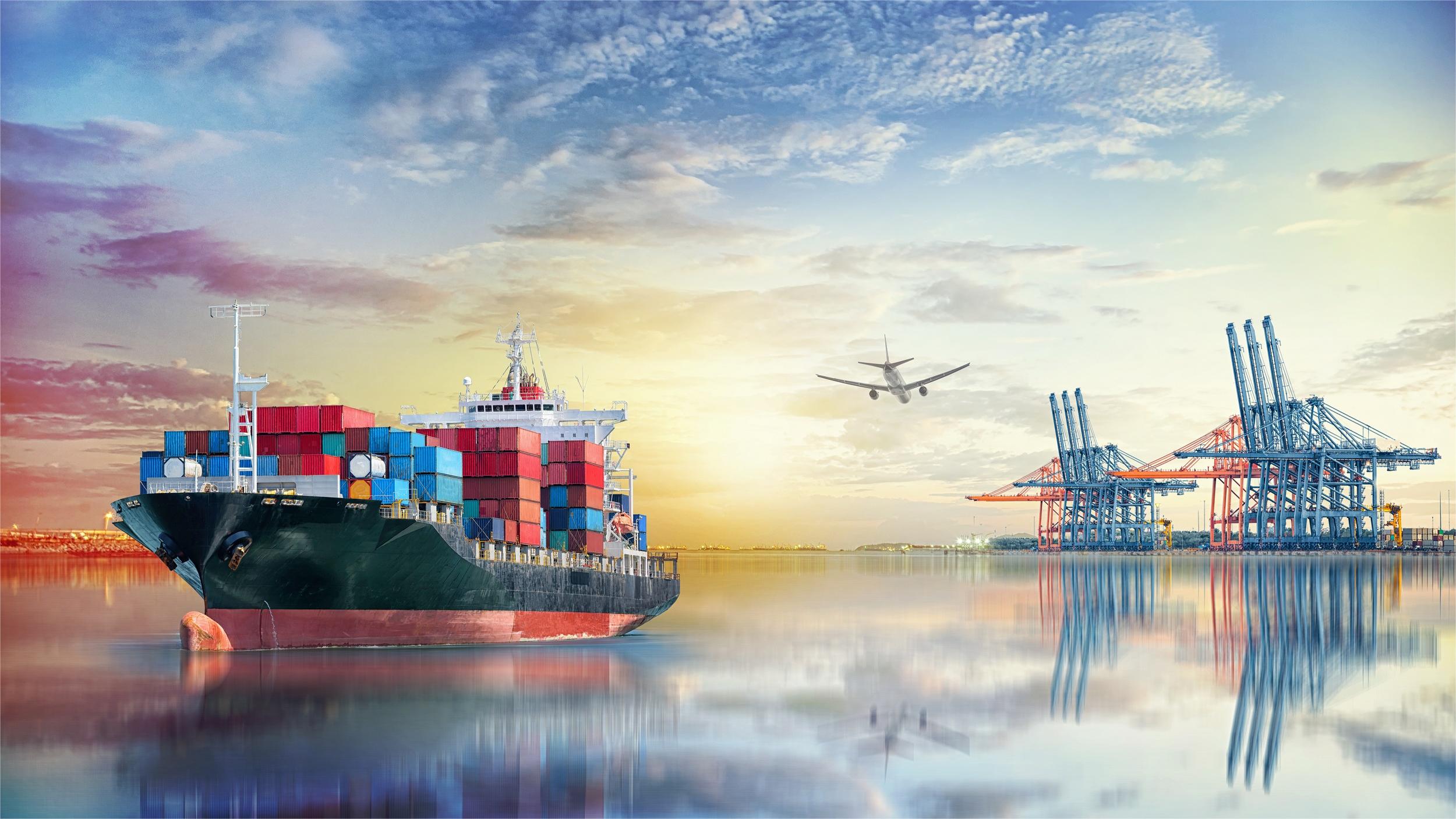
Efficient processing ensures that your inventory reaches the market exactly when needed. Without a clear strategy, your cargo might sit in a warehouse for weeks, accumulating storage fees.

Moreover, understanding the specific requirements of the German ATLAS system reduces the risk of cargo seizure. This electronic system streamlines communication between brokers and customs officers.
Consequently, working with an experienced partner helps you navigate these digital requirements without errors. Success in the German market often depends on how quickly you can clear these administrative hurdles.
What Documents Do You Need for German Customs?
Importers must provide a comprehensive set of documents to satisfy both Chinese export and German import authorities. Missing even one signature can halt your entire shipment for days.
Primarily, you will need a commercial invoice that clearly states the value and description of the goods. This document serves as the basis for calculating duties and taxes.
Additionally, a detailed packing list is required to help customs officers identify the contents of each container. This list should match the invoice perfectly to avoid discrepancies.
Furthermore, a valid bill of lading or air waybill acts as the contract of carriage and proof of ownership. You must ensure all information on these documents is consistent and accurate.
| Document Name | Purpose | Required By | Key Details |
|---|---|---|---|
| Commercial Invoice | Valuation of goods | Customs/Tax | HS Codes, Currency |
| Packing List | Cargo identification | Port Authority | Weight, Dimensions |
| Bill of Lading | Title of goods | Carrier/Customs | Vessel name, Route |
| EORI Number | EU Trader ID | German Customs | Mandatory for all |
How Does Sea Freight Compare to Other Shipping Options?
Choosing the right transport mode significantly impacts your overall customs experience and bottom line. Each method offers distinct advantages depending on your specific cargo needs.
For instance, sea freight remains the most cost-effective solution for large volumes of non-urgent cargo. Most bulk goods enter Germany through the ports of Hamburg or Bremerhaven.
Alternatively, air freight offers unparalleled speed for high-value items despite the higher costs. This is the preferred method for electronics and urgent medical supplies.
Furthermore, rail freight serves as an excellent middle ground, balancing speed and affordability via the New Silk Road. It connects major Chinese hubs directly to German cities like Duisburg.
| Shipping Method | Cost Range | Transit Time | Best For |
|---|---|---|---|
| Sea Freight | $1,800 – $3,500 | 30-40 Days | Bulk/Large items |
| Air Freight | $5.00 – $12.00/kg | 3-7 Days | Urgent/High-value |
| Rail Freight | $3,000 – $5,000 | 18-24 Days | Mid-size shipments |
| Express Service | $8.00 – $15.00/kg | 2-4 Days | Small samples |
Which Option Should You Choose for Your Germany Shipment?
Budget priorities often dictate that sea freight is the superior choice for bulk shipments. If your lead times allow for a month of transit, you can save thousands in logistics costs.
Speed priorities suggest that air transport is necessary for seasonal or fragile goods. When a product launch is imminent, the high cost of air freight is often justified by the quick turnaround.
Volume thresholds typically indicate that LCL is better for shipments under 15 cubic meters. Once you exceed this volume, booking a full 20GP container becomes more economical.
Cargo type considerations also play a role, as hazardous materials or oversized machinery require specialized handling and specific customs declarations. Always consult with your broker before finalizing the shipping method.
Real World Case Study: Shipping Electronics from Shenzhen to Hamburg
Case Study 1: High-Tech Import Success. Based on Q4 2024 market data, a client needed to move 2,500 kg of consumer electronics quickly.
Route: Shenzhen, China to Hamburg, Germany. Cargo: Smartphones and tablets, 8 CBM. Method: Air Freight for speed and security.
Shipping Details: The cargo was loaded at Shenzhen Baoan International Airport and arrived at Hamburg Airport via a direct flight. Total sea transit was not applicable here, but the air transit took only 2 days.
Cost Breakdown: Air Freight: $12,500. Origin Charges: $450. Destination Charges: $600. Customs and Duties: $2,200. Total Landed Cost: $15,750.
Timeline: Booking to Loading: 2 days. Air Transit: 2 days. Customs Clearance: 1 day. Total Door-to-Door: 5 days. Key Insight: Pre-filing the ATLAS declaration allowed the goods to clear customs within hours of landing.
Real World Case Study: Transporting Industrial Machinery via Rail
Case Study 2: Industrial Equipment via Rail. A German manufacturer imported specialized components from Ningbo in early 2025.
Route: Ningbo, China to Duisburg, Germany. Cargo: CNC machine parts, 18 CBM, 4,200 kg. Method: Rail Freight (LCL).
Shipping Details: The shipment moved through the Alashankou border crossing and across the trans-Siberian route. This avoided the longer sea route around the Cape of Good Hope.
Cost Breakdown: Rail Freight: $4,800. Origin Charges: $350. Destination Charges: $550. Customs and Duties: $1,100. Total Landed Cost: $6,800.
Timeline: Booking to Loading: 4 days. Rail Transit: 21 days. Customs Clearance: 2 days. Total Door-to-Door: 27 days. Key Insight: Using rail freight saved the client 15 days compared to sea freight while costing 60 percent less than air freight.
Understanding the Role of EORI and VAT in German Imports
Every business importing into Germany must possess a valid Economic Operators Registration and Identification (EORI) number. This unique identifier is mandatory for all customs interactions within the European Union.
Understanding the 19 percent standard Value Added Tax (VAT) rate in Germany is vital for accurate financial planning. This tax is calculated based on the customs value of the goods plus the import duty.
Consequently, importers should explore VAT deferment schemes to improve their company’s cash flow. These programs allow you to postpone the payment of import VAT until your regular tax filing.
Nevertheless, you must ensure that your tax representative is fully compliant with German fiscal laws. Errors in VAT reporting can lead to significant fines and audits from the Finanzamt.
Why Professional Customs Brokerage is Essential for Compliance
Partnering with a specialist in customs brokerage minimizes the administrative burden on your team. Experts handle the complex filing requirements, ensuring every detail meets current European Union standards.
Logistics trends in 2025 show an increasing focus on environmental compliance and carbon reporting. A professional broker will help you navigate these new ‘Green Deal’ requirements for German imports.
Indeed, a broker can also assist in obtaining Binding Tariff Information (BTI). This official ruling provides legal certainty regarding the HS code classification of your products.
Moreover, they can manage specialized procedures such as inward processing or temporary admission. These strategies can significantly reduce or eliminate duty payments for specific business models.
Common Pitfalls in China to Germany Customs Clearance
Incorrect HS code classification often leads to incorrect duty payments and subsequent audits. Even a minor error in the product description can result in the wrong tariff rate being applied.
Nevertheless, these issues are avoidable with thorough pre-shipment verification and expert consultation. Always verify your codes against the German customs tariff database.
Another common mistake is failing to provide a proper Certificate of Origin when required. Without this, you may be forced to pay the highest possible duty rates for your cargo.
Under-declaring the value of goods is a serious offense that can lead to criminal charges. Always ensure the price on your commercial invoice reflects the actual transaction value.
Maximizing Efficiency with Door to Door Solutions
Many businesses prefer door to door services to manage the entire journey from the factory to the warehouse. This approach removes the need to coordinate between multiple logistics providers.
This comprehensive approach integrates inland transport, international freight, and final delivery into one seamless package. You receive a single invoice and have a single point of contact for the entire shipment.
Additionally, these services often include the best customs clearance from China to Germany as part of the standard offering. This ensures that the customs process is initiated long before the goods arrive at the border.
Therefore, small and medium enterprises can compete with larger corporations by utilizing these streamlined logistics models. It allows you to focus on sales while experts handle the complexities of international shipping.
Mastering Your Import Strategy
Achieving the best customs clearance from China to Germany requires a combination of precise documentation and strategic planning. By understanding the differences between sea, air, and rail freight, you can choose the method that best aligns with your business goals.
Furthermore, partnering with professional brokers and utilizing door-to-door services can eliminate the most common logistical headaches. Always stay updated on the latest German customs regulations to ensure continued compliance and efficiency.
Success in international trade is built on reliable partnerships and attention to detail. Take the time to verify your HS codes, secure your EORI number, and choose a logistics provider that understands the nuances of the China-Germany route.
Ready to streamline your logistics?
Ready to streamline your imports? Secure the best customs clearance from China to Germany by contacting our expert team today. Request a tailored quote and experience hassle-free logistics for your business. Send Inquiry: https://Top China Freight.com/
Request Quote