

Professional Customs Clearance from China to Spain: A 2025 Logistics Guide
Navigating the complexities of international trade requires a deep understanding of regional regulations and logistics efficiency. Professional customs clearance from China to Spain is a vital component for businesses looking to import goods into the European market without facing costly delays. Top China Freight provides the comprehensive support needed to manage these procedures effectively, ensuring your cargo reaches its destination smoothly. By leveraging expert knowledge, you can transform a challenging administrative process into a competitive advantage for your business.
What is Professional Customs Clearance from China to Spain?
Professional customs clearance from China to Spain involves the formal process of declaring imported goods to the Spanish tax agency, known as the Agencia Tributaria. This procedure ensures that all legal requirements are met, and applicable duties are paid before the cargo is released for domestic distribution. Specifically, the process requires the submission of accurate documentation and the classification of goods using the correct Harmonized System (HS) codes.
Moreover, working with experts allows businesses to navigate the nuances of European Union trade laws. Consequently, importers can avoid common pitfalls such as incorrect tax assessments or cargo seizures at the border. Professional services provide a layer of security that is essential for maintaining a reliable supply chain in today’s volatile global market.
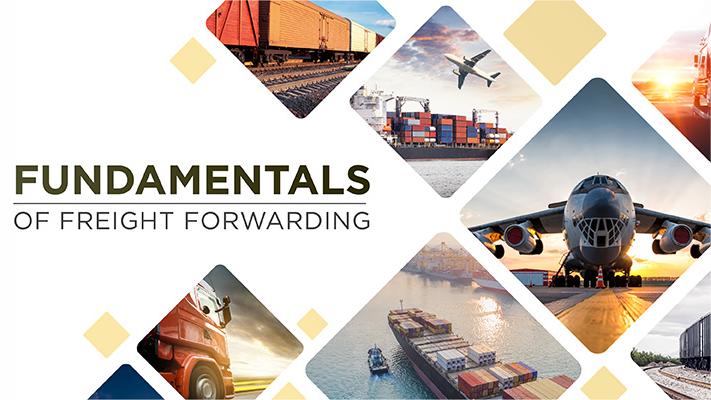
Additionally, the process covers various shipping modes, including sea, air, and rail. Each method has unique requirements for documentation and inspection. Therefore, understanding the specific needs of your chosen transport mode is the first step toward a successful import operation.
Essential Documentation for Spanish Customs
To facilitate professional customs clearance from China to Spain, you must prepare a set of core documents that the Spanish authorities will review. For instance, the Commercial Invoice is the most critical document, as it details the transaction value and the nature of the goods. In addition, a comprehensive Packing List is required to describe the dimensions, weight, and contents of each package within the shipment.
Furthermore, the Single Administrative Document (SAD) serves as the primary import declaration in Spain and across the EU. This document must be filled out accurately to reflect the origin, destination, and classification of the cargo. Meanwhile, the Bill of Lading (BOL) or Air Waybill acts as the contract of carriage and proof of ownership during transit.
Without a doubt, having a valid EORI number is mandatory for any business importing goods into Spain. This identification number is used by customs authorities to track shipments and manage security protocols. As a result, securing your EORI number well before your shipment departs China is a fundamental requirement for a smooth clearance process.
| Document Name | Purpose | Required By | Key Information |
|---|---|---|---|
| Commercial Invoice | Value Declaration | Agencia Tributaria | Price, Buyer/Seller |
| Packing List | Cargo Description | Port Authorities | Weight, Dimensions |
| SAD Document | Import Declaration | EU Customs | HS Codes, Origin |
| EORI Number | Entity ID | Spanish Customs | Tax ID Number |
How Does Sea Freight Compare to Other Shipping Options?
When planning your logistics, choosing sea freight is often the most economical choice for large volumes. This method is ideal for bulk cargo that does not require immediate delivery, as it offers the lowest cost per unit. However, the transit time for ocean transport is significantly longer compared to other methods, often taking over a month to reach Spanish ports.
In contrast, air freight provides the fastest delivery schedule for urgent or high-value shipments. While the costs are higher, the speed of air transport can be a critical factor for seasonal products or emergency supplies. For example, air shipments can reach Madrid or Barcelona in less than a week, whereas sea routes via the Suez Canal take much longer.
Additionally, rail freight has emerged as a viable middle ground for many importers. The rail connection between China and Europe offers faster transit times than sea and lower rates than air. Consequently, it is an excellent alternative for businesses looking to optimize their logistics trends 2025 and balance speed with budget constraints.
| Shipping Method | Cost Range | Transit Time | Best For |
|---|---|---|---|
| Sea Freight | $1,800 – $4,200 | 28 – 35 Days | Bulk / Heavy Cargo |
| Air Freight | $4,500 – $8,500 | 5 – 8 Days | Urgent / High Value |
| Rail Freight | $2,500 – $3,800 | 18 – 24 Days | Middle-tier Goods |
Understanding Spanish Import Duties and VAT
Calculating the total landed cost of your shipment requires a clear understanding of Spanish import duties and Value Added Tax (VAT). Generally, duties are calculated based on the CIF (Cost, Insurance, and Freight) value of the goods. Different product categories carry different duty rates, which are determined by the specific HS code assigned to the cargo.
Moreover, Spain applies a standard VAT rate of 21 percent on most imported goods. This tax is calculated on the sum of the CIF value and the import duty already applied. Nevertheless, some specific items like food or medical supplies may qualify for reduced VAT rates. Therefore, it is essential to verify the tax implications for your specific inventory before finalizing your purchase orders.
Indeed, professional customs clearance from China to Spain ensures that these taxes are calculated correctly to avoid overpayment or legal disputes. Many businesses find that hiring a professional service helps them identify potential tax exemptions or preferential duty rates. For instance, certain goods may benefit from trade agreements that lower the financial burden of importing into the European Union.
The Value of Professional Customs Brokerage
Engaging a dedicated customs brokerage service can save your business significant time and resources. These experts act as intermediaries between your company and the Spanish government, handling all technical aspects of the clearance process. Furthermore, they are equipped to manage complex cargo handling requirements and ensure compliance with evolving logistics trends 2025.
Specifically, a broker will review your documentation for accuracy and completeness before the goods arrive at the port. This proactive approach prevents delays caused by minor clerical errors. Consequently, your delivery schedule remains intact, and you avoid costly demurrage or storage fees at the terminal.
In addition, brokers provide valuable advice on supply chain optimization and risk management. They can help you understand the impact of global events on freight rates and suggest alternative routes when necessary. As a result, your logistics operation becomes more resilient and adaptable to market changes.
Which Option Should You Choose? A Decision Framework
Selecting the right shipping strategy depends on your specific business priorities and the nature of your cargo. If your primary goal is cost reduction and you are shipping large quantities, sea freight is the logical choice. On the other hand, if you are dealing with perishable items or high-demand electronics, air freight is the most effective way to meet customer expectations.
For shipments that fall between these categories, rail freight offers a strategic advantage. It provides a reliable delivery schedule that is faster than the ocean but much more affordable than the air. Additionally, businesses should consider door to door services to simplify the entire process. This option integrates transport and professional customs clearance from China to Spain into a single, managed solution.
To summarize, you should prioritize speed for high-margin goods and cost-efficiency for high-volume inventory. Furthermore, always factor in the potential for seasonal fluctuations in freight rates. For example, rates typically increase by 15 to 25 percent during the peak season from August to October.
Realistic Case Studies: China to Spain Routes
Examining real-world examples helps illustrate the practical application of professional customs clearance from China to Spain. These cases reflect actual market conditions and provide insight into the costs and timelines associated with different shipping methods. Note: Freight rates are subject to change based on fuel costs, carrier capacity, and seasonal demand. Contact us for a current quote tailored to your specific shipment.
Case Study 1: Electronics from Shenzhen to Barcelona. A company imported a 40HQ container of consumer electronics via sea freight using a major carrier. The ocean freight cost was approximately $3,500, with origin and destination charges adding another $800. The sea transit took 33 days, and customs clearance was completed in 2 days. The total door-to-door timeline was 40 days, successfully avoiding peak season congestion.
Case Study 2: Textiles from Yiwu to Madrid. A fashion retailer utilized rail freight for a shipment of 20 CBM of textiles. The total cost for the rail service was $2,900, including professional customs clearance from China to Spain. The transit time from the Yiwu terminal to the Madrid terminal was 22 days. This method allowed the retailer to restock their shelves much faster than sea freight while keeping logistics costs manageable.
Case Study 3: Medical Equipment from Guangzhou to Madrid. For an urgent shipment of 500 kg of medical devices, the importer chose air freight. The air freight cost was $4,800, and the transit time was only 6 days. Due to the sensitive nature of the cargo, professional cargo handling and rapid customs processing were prioritized. The shipment was cleared and delivered within 8 days of leaving the warehouse in China.
Common Challenges and How to Avoid Them
One of the most frequent challenges in professional customs clearance from China to Spain is the misclassification of goods. Using the wrong HS code can lead to incorrect duty payments and potential legal penalties from the Agencia Tributaria. Moreover, missing or incomplete documentation can cause cargo to be held at the port for weeks, incurring significant storage fees.
To avoid these issues, always verify your paperwork with a professional broker before the shipment departs. Additionally, ensure that your supplier in China provides a clear and accurate Commercial Invoice that matches the physical cargo. Furthermore, staying informed about the latest Spanish import regulations will help you anticipate changes in the compliance landscape.
Meanwhile, port congestion and labor strikes can occasionally disrupt the delivery schedule. While these factors are often beyond your control, having a contingency plan is essential. For instance, choosing a less congested port of discharge or using a hybrid sea-air solution can help you bypass bottlenecks during peak periods.
Mastering Your Spanish Import Strategy
Successfully managing professional customs clearance from China to Spain is a fundamental skill for any modern importer. By understanding the required documentation, tax obligations, and shipping alternatives, you can build a more efficient and profitable supply chain. Whether you choose the cost-savings of sea freight or the speed of air transport, the key is to remain proactive and compliant with all regulations.
Furthermore, partnering with a reliable logistics provider like Top China Freight ensures that you have the support needed to navigate any challenges. Our team is dedicated to providing high-quality service that meets your unique business needs. As you plan your next shipment, remember that professional expertise is the most valuable tool in your logistics toolkit.
Ready to streamline your logistics?
Streamline your international trade today with our expert logistics solutions. Contact Top China Freight for a personalized quote on professional customs clearance from China to Spain and ensure your business stays ahead of the competition. Visit our website to learn more about our comprehensive services.
Request Quote