

Reliable Express Shipping from China to Netherlands: 2025 Guide
Navigating international logistics requires a partner who understands the complexity of global trade routes and local regulations. Finding reliable express shipping from China to Netherlands is essential for businesses aiming to maintain a competitive edge in the European market. By partnering with Top China Freight, you ensure that your cargo arrives safely and on schedule every time. This guide explores the most efficient shipping methods, cost-saving strategies, and essential documentation needed for a seamless import experience.
Why Choose Reliable Express Shipping from China to Netherlands?
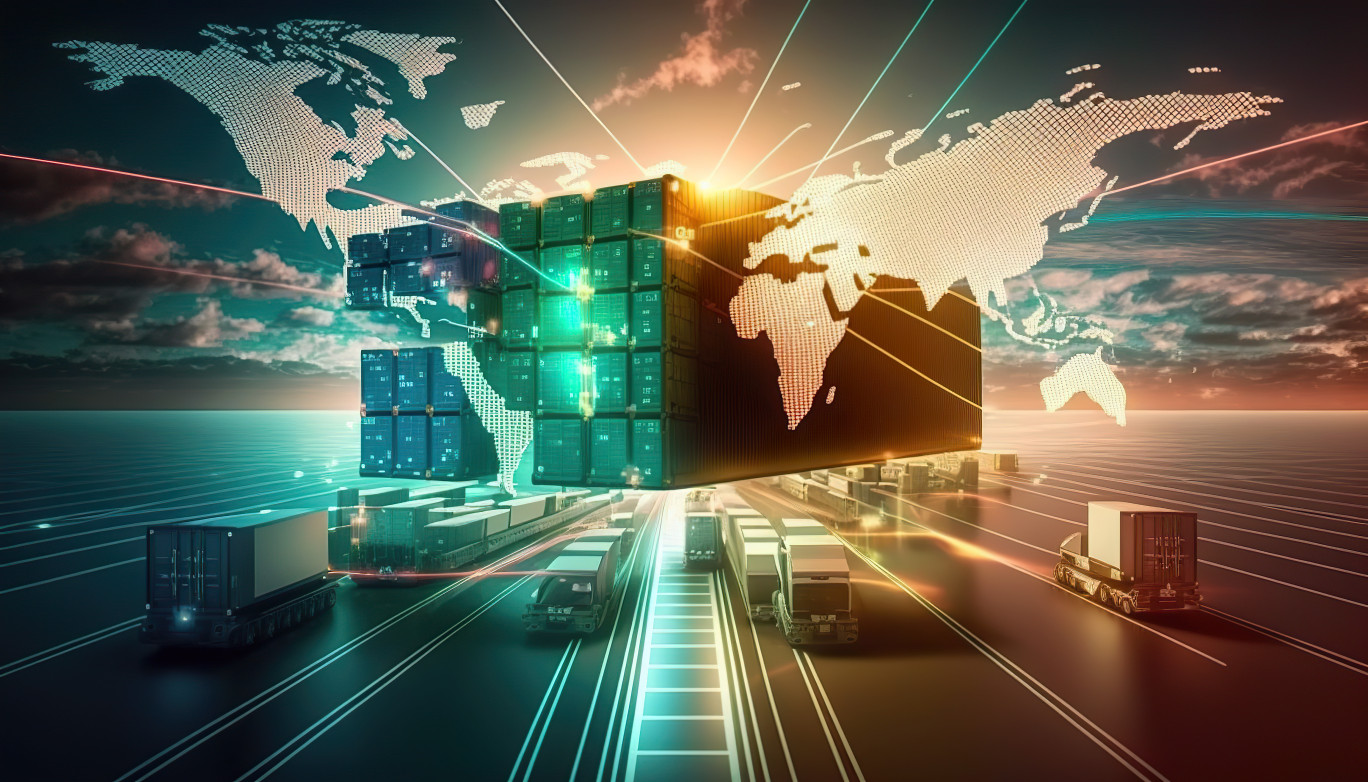
Reliable express shipping from China to Netherlands provides the speed necessary for high-value goods and time-sensitive inventory. Furthermore, this service minimizes the risk of delays that often plague standard freight options during peak seasons. Consequently, businesses can maintain lower inventory levels while meeting customer demand consistently without the fear of stockouts.
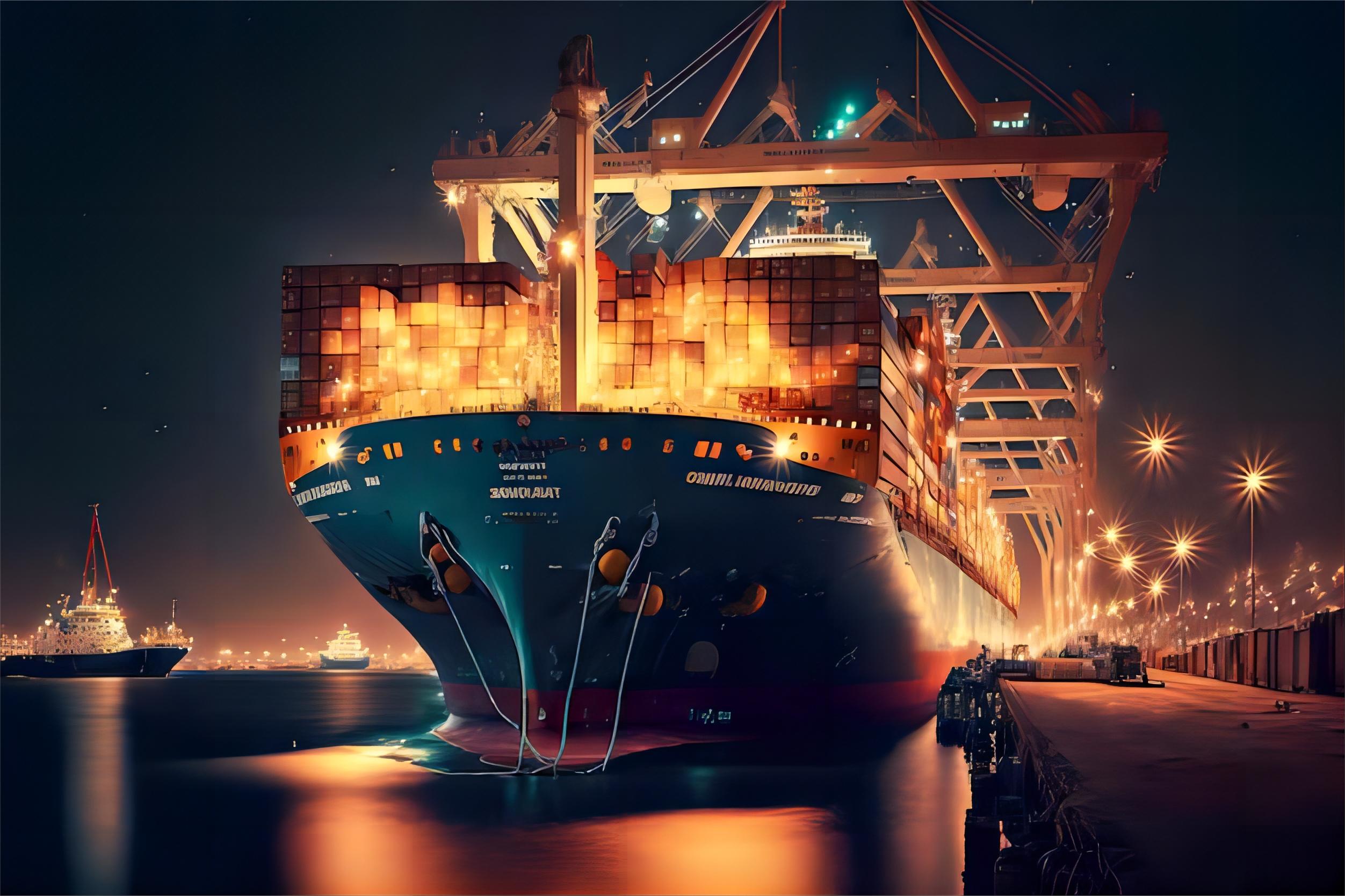
Choosing an express route also enhances the security of your cargo because these shipments undergo fewer handling stages. Moreover, premium tracking capabilities allow you to monitor your goods in real-time as they move across continents. Therefore, the investment in express services often pays for itself through improved customer satisfaction and reduced supply chain disruptions.
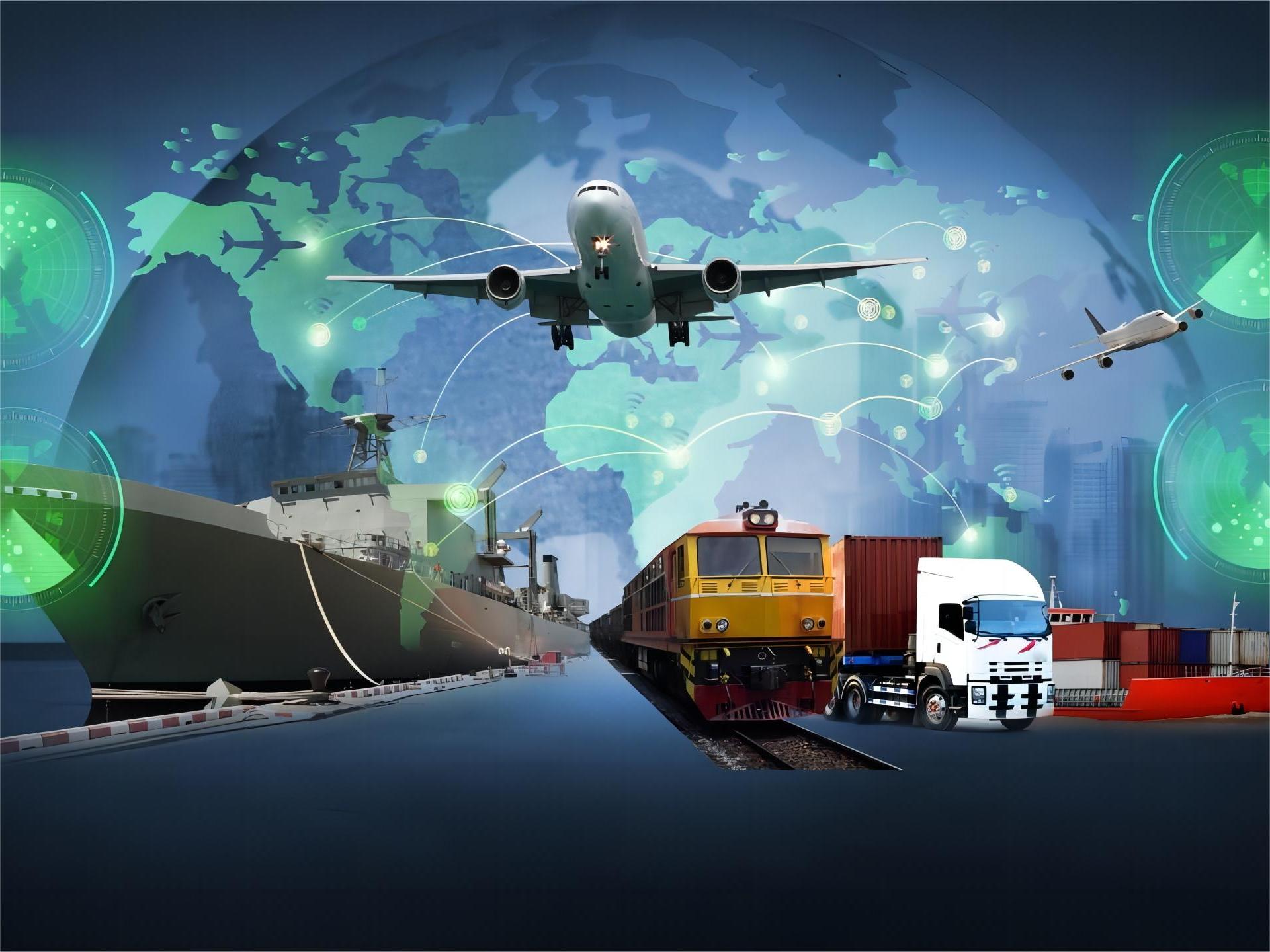
International trade between these two regions has grown significantly, making efficient logistics more important than ever. Indeed, the Netherlands serves as a primary gateway to the rest of Europe, offering world-class infrastructure in ports like Rotterdam. Accordingly, selecting a freight forwarder with deep expertise in this specific corridor is a strategic advantage for any importer.
How Does Reliable Express Shipping from China to Netherlands Compare to Other Shipping Options?
Objective analysis of shipping methods reveals that there is no one-size-fits-all solution for every business. For example, while air freight offers unmatched speed, it may not be cost-effective for heavy industrial machinery. On the other hand, sea freight offers the best value for large volumes but requires much longer lead times.
Hybrid solutions like sea-air or rail-sea combinations are becoming increasingly popular for those seeking a balance. Specifically, these methods can reduce costs by 30 percent compared to pure air freight while still arriving faster than traditional sea routes. Meanwhile, rail freight via the New Silk Road has emerged as a robust alternative for shipments that are too heavy for planes but too urgent for ships.
Market data suggests that as of early 2025, freight rates have stabilized following the disruptions of previous years. Nevertheless, seasonal peaks like the Chinese New Year or the Q4 holiday rush can still cause price spikes and capacity shortages. As a result, planning your shipment schedule at least 4-6 weeks in advance is highly recommended.
| Shipping Method | Cost Range | Transit Time | Best For | Limitations |
|---|---|---|---|---|
| Express Courier | $8 – $15 per kg | 3 – 5 Days | Samples and small parcels | Highest cost per unit |
| Air Freight | $4 – $9 per kg | 5 – 10 Days | Electronics and high-value goods | Strict weight and size limits |
| Rail Freight | $150 – $250 per CBM | 18 – 22 Days | Medium-sized bulk shipments | Subject to rail congestion |
| Sea Freight (LCL) | $50 – $120 per CBM | 30 – 45 Days | Non-urgent palletized goods | Slowest transit time |
Understanding Air Freight and Express Courier Services
Businesses often choose air freight when speed is the absolute priority for their supply chain. This method is particularly suitable for fashion items, electronics, and perishable goods that lose value quickly. Additionally, the predictable schedules of major airlines reduce the uncertainty associated with international logistics.
Express courier services like DHL, FedEx, and UPS provide a seamless door-to-door experience for smaller packages. Furthermore, these providers handle most of the customs formalities on behalf of the shipper, simplifying the process for new importers. However, for shipments exceeding 100 kilograms, traditional air freight usually becomes more economical than courier services.
Transitioning to air cargo also helps in reducing insurance premiums because the time spent in transit is significantly shorter. Consequently, the total landed cost might be more competitive than it initially appears when all factors are considered. In addition, the risk of damage or theft is statistically lower in air transport compared to other modes.
The Role of Sea Freight in the China-Netherlands Corridor
Standard sea freight remains the most economical choice for bulk shipments and large-scale manufacturing components. For instance, shipping a full container load (FCL) allows you to secure a fixed price for a large volume of goods. Meanwhile, less than container load (LCL) options enable smaller businesses to share container space and reduce costs.
Rotterdam is the largest port in Europe and serves as the primary destination for most sea cargo from China. Because of its advanced automated terminals, the port can process massive container ships with incredible efficiency. Therefore, shipments arriving here benefit from fast unloading and immediate access to the European hinterland via road and rail.
Typical sea freight transit times from major Chinese ports like Shanghai or Shenzhen to Rotterdam range from 30 to 40 days. However, direct routes may save up to a week compared to transshipment routes via Singapore. Without a doubt, sea freight is the foundation of the global supply chain for non-time-sensitive commodities.
Costs of Reliable Express Shipping from China to Netherlands
Calculating the total cost of your shipment involves more than just the base freight rate provided by the carrier. For example, you must account for fuel surcharges, terminal handling charges, and documentation fees at both the origin and destination. Furthermore, import duties and Value Added Tax (VAT) in the Netherlands can significantly impact your final budget.
Typical rates as of early 2025 show that sea freight for a 40HQ container ranges between $3,000 and $4,200 depending on the carrier. In contrast, air freight rates often fluctuate between $4.50 and $8.50 per kilogram based on demand and fuel prices. Consequently, getting a real-time quote is the only way to ensure your financial planning is accurate.
Note: Freight rates are subject to change based on fuel costs, carrier capacity, and seasonal demand. Contact us for a current quote tailored to your specific shipment.
| Container Type | Average Rate (2025) | Typical Capacity | Transit Time |
|---|---|---|---|
| 20GP Container | $1,800 – $2,500 | 28 CBM / 28,000 kg | 32 – 38 Days |
| 40GP Container | $2,800 – $3,800 | 58 CBM / 26,000 kg | 32 – 38 Days |
| 40HQ Container | $3,000 – $4,200 | 68 CBM / 26,000 kg | 32 – 38 Days |
| LCL (per CBM) | $60 – $110 | 1 – 15 CBM | 35 – 45 Days |
Navigating Customs Clearance and Documentation
Successful importing requires a thorough understanding of customs brokerage procedures in the European Union. Specifically, you must provide a commercial invoice, a detailed packing list, and a Bill of Lading or Air Waybill. Moreover, certain products like electronics or chemicals may require additional certifications like CE marking or REACH compliance.
Errors in documentation are the leading cause of delays at the Dutch border, often resulting in expensive storage fees. Therefore, double-checking all HS codes and declared values before the shipment departs China is a critical step. Indeed, a professional customs broker can help you navigate these complexities and ensure you pay the correct amount of duty.
Dutch customs are known for being efficient but very strict regarding safety and compliance standards. Consequently, ensuring that your supplier in China provides accurate paperwork is non-negotiable for a smooth clearance process. In addition, having an EORI number is mandatory for any business importing goods into the Netherlands.
Which Option Should You Choose? (Decision Framework)
Determining the best shipping method requires a careful evaluation of your budget, timeline, and cargo characteristics. If your primary goal is speed to market, express air freight is the clear winner despite the higher cost. However, if you are looking to maximize profit margins on low-value goods, sea freight is the only viable option.
Volume thresholds often dictate when you should switch from one method to another. For instance, shipments under 100 kilograms are best suited for express couriers, while those between 100 and 500 kilograms often favor standard air freight. For anything larger than 15 CBM, moving from LCL to a full 20GP container usually provides better value and security.
Cargo type also plays a significant role in the decision-making process. Fragile or high-value items benefit from the reduced handling of air freight, whereas heavy raw materials are better suited for the stability of sea transport. Ultimately, a balanced logistics strategy often utilizes multiple modes to manage different product lines effectively.
Real-World Case Studies
Examining actual shipping scenarios provides valuable insights into the practicalities of international logistics. These cases highlight the importance of choosing the right method for specific business needs and overcoming common challenges. Below are two examples of successful shipments from China to the Netherlands managed in late 2024.
Case Study 1: High-Priority Electronics Launch
Route: Shenzhen, China to Amsterdam, Netherlands
Cargo: Consumer electronics, 4.5 CBM, 1,200 kg
Shipping Method: Express Air Freight
Cost Breakdown:
– Air Freight: $7,800
– Origin/Destination Charges: $650
– Customs Clearance: $200
– Total Landed Cost: $8,650
Timeline: 6 days door-to-door
Key Insight: The client used express shipping to meet a strict product launch deadline, successfully avoiding stockouts during the first week of sales.
Case Study 2: Industrial Machinery Parts
Route: Ningbo, China to Rotterdam, Netherlands
Cargo: Steel components, 22 CBM (LCL)
Shipping Method: Sea Freight (LCL)
Cost Breakdown:
– Ocean Freight: $1,950
– Origin Charges: $400
– Destination Charges: $550
– Total Landed Cost: $2,900
Timeline: 38 days door-to-door
Key Insight: By choosing LCL sea freight, the manufacturer saved over $10,000 compared to air freight, as the parts were for routine maintenance and not urgent.
Optimizing Your Supply Chain with Door to Door Services
Implementing a door to door shipping strategy eliminates the need for you to manage multiple logistics providers. This comprehensive service covers everything from the initial pickup at the factory in China to the final delivery at your warehouse in the Netherlands. Furthermore, it provides a single point of accountability, making it easier to resolve any issues that may arise.
International shipping can be overwhelming for small and medium-sized enterprises that lack a dedicated logistics department. Consequently, outsourcing the entire process to an experienced freight forwarder allows you to focus on your core business activities. Moreover, door-to-door services often include cargo insurance and duty management, providing peace of mind for every shipment.
Shipping from China to Europe has never been more accessible thanks to these integrated solutions. Whether you are importing a single pallet or multiple containers, the streamlined communication of a single provider ensures that your cargo moves efficiently through every transit point. Indeed, this approach is the gold standard for modern e-commerce and retail businesses.
Final Thoughts on Reliable Express Shipping from China to Netherlands
Securing reliable express shipping from China to Netherlands is a fundamental requirement for any business involved in international trade. By understanding the differences between air, sea, and rail freight, you can make informed decisions that balance speed and cost. Furthermore, proper documentation and a strong partnership with a professional freight forwarder are the keys to avoiding customs delays.
As market conditions continue to evolve, staying informed about logistics trends and freight rates will help you maintain a resilient supply chain. Whether you choose the speed of air freight or the economy of sea transport, the goal remains the same: safe, timely, and cost-effective delivery. Start optimizing your shipping strategy today to ensure your business remains competitive in the dynamic Dutch market.
Ready to streamline your logistics?
Ready to streamline your logistics? Contact us today to secure reliable express shipping from China to Netherlands at the most competitive rates. Visit Top China Freight to send an inquiry and receive a custom quote within 24 hours.
Request Quote