

Best FCL Shipping from China to Spain: Your 2025 Logistics Guide
Finding the best FCL shipping from China to Spain requires a strategic approach to balance speed, safety, and total logistics costs. Businesses often struggle with fluctuating ocean freight rates and complex customs regulations that can delay delivery schedules. This comprehensive guide provides the market intelligence needed to streamline your imports and secure the most reliable container shipping solutions available today.

Why Choose FCL for Your Shipments to Spain?
Full Container Load (FCL) shipping offers significant advantages for businesses importing large volumes of goods from Chinese manufacturing hubs. By utilizing sea freight, you gain exclusive use of a 20ft or 40ft container, which minimizes handling and reduces the risk of cargo damage. Furthermore, FCL shipments generally move faster than LCL because there is no need to wait for other shippers to fill the container.
Moreover, FCL provides a more predictable delivery schedule, which is essential for maintaining a healthy supply chain. Consequently, high-volume importers often prefer this method to ensure their products arrive in Spain in pristine condition. Indeed, the cost-per-unit for FCL is typically much lower than other modes when the container is at least 70% full.
How Does FCL Compare to Other Shipping Options?
While FCL is a dominant choice, understanding how it stacks up against rail freight or air transport is crucial for strategic planning. Air freight remains the fastest option for urgent cargo, but the costs are significantly higher for heavy shipments. On the other hand, rail freight offers a middle ground in terms of both price and speed for land-locked origins in China.
Additionally, businesses must weigh the trade-offs between speed and budget when selecting their primary transport mode. For instance, a 40HQ container might cost $3,500 via sea, whereas the same volume via air freight could exceed $20,000. Therefore, FCL remains the most economical choice for non-urgent, high-volume inventory replenishment.
| Shipping Method | Cost Range (USD) | Transit Time | Best For |
|---|---|---|---|
| FCL Sea Freight | $2,000 – $4,500 | 30 – 45 Days | Bulk goods, heavy machinery |
| Rail Freight | $4,000 – $7,000 | 18 – 25 Days | High-value electronics |
| Air Freight | $8,000 – $15,000+ | 5 – 9 Days | Urgent samples, perishables |
| LCL Sea Freight | $100 – $300/CBM | 35 – 50 Days | Small shipments < 15 CBM |
Key Shipping Routes and Ports from China to Spain
The best FCL shipping from China to Spain typically originates from major ports like Shanghai, Ningbo, or Shenzhen. These ports offer frequent departures and competitive rates due to the high volume of traffic moving toward the Mediterranean. Consequently, choosing the right port of loading can significantly impact your overall transit time and local trucking costs in China.
Once the vessel reaches Spain, cargo usually enters through the ports of Valencia, Barcelona, or Algeciras. Many importers opt for door to door services to simplify the transition from the port to their final warehouse. Without a doubt, coordinating with a forwarder who understands the local infrastructure in both countries is a major advantage.
Understanding Transit Times for China-Spain FCL
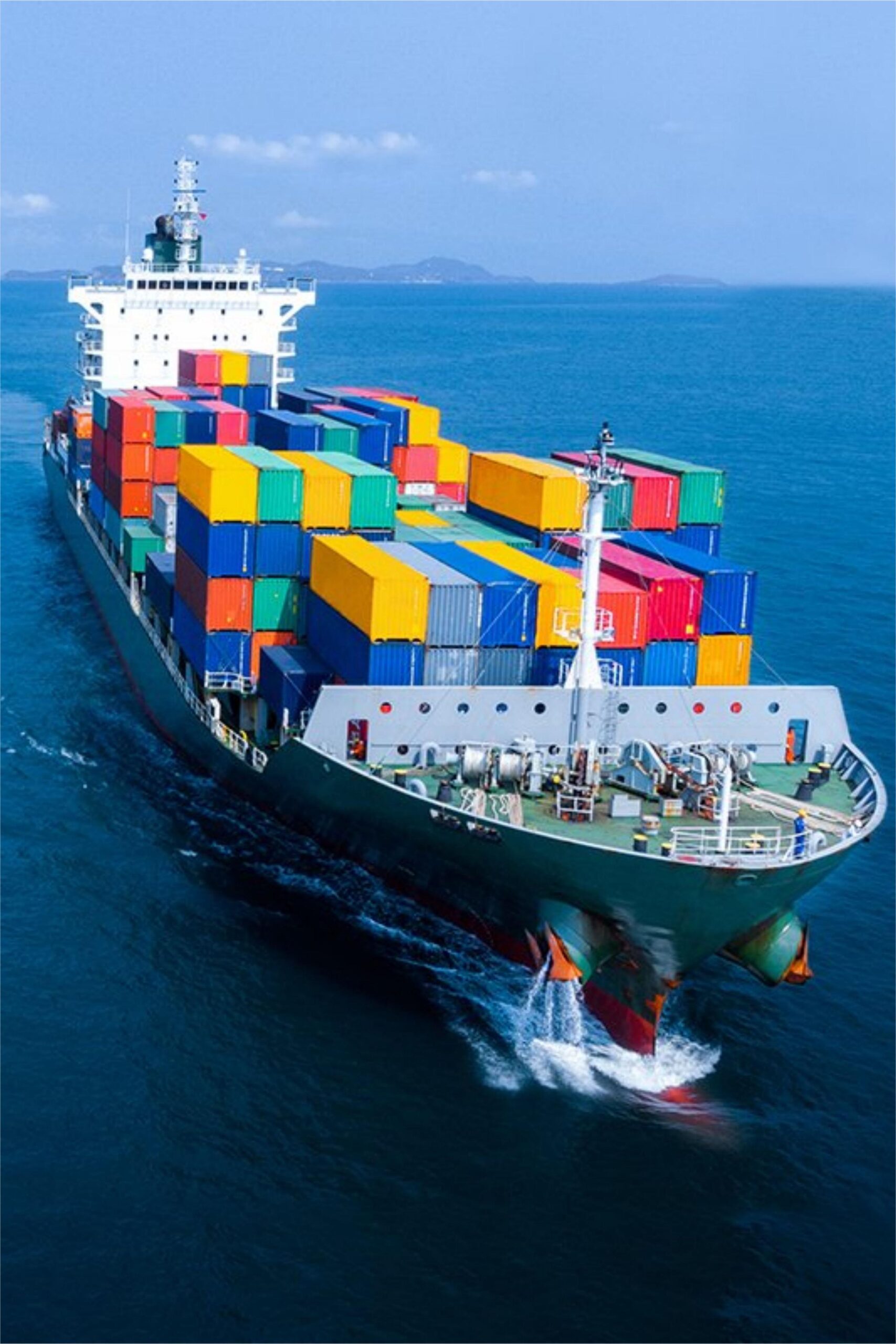
Transit times for ocean freight are influenced by the specific route, weather conditions, and potential port congestion. Generally, a direct vessel from Shenzhen to Valencia takes approximately 28 to 32 days under normal market conditions. However, transshipment routes via hubs like Singapore or Port Klang may add an additional 7 to 10 days to the journey.
In addition, seasonal peaks such as the period before Chinese New Year can lead to container shortages and longer waiting times. Therefore, it is advisable to book your shipment at least 3-4 weeks in advance during high-demand seasons. Meanwhile, staying updated on the latest logistics trends helps you anticipate delays caused by global maritime events.
| Origin Port | Destination Port | Transit (Direct) | Transit (Transship) | |
|---|---|---|---|---|
| Shanghai | Barcelona | 32 Days | 40 Days | 40 Days |
| Shenzhen | Valencia | 30 Days | 38 Days | 38 Days |
| Ningbo | Algeciras | 34 Days | 42 Days | 42 Days |
| Qingdao | Bilbao | 38 Days | 45 Days | 45 Days |
Essential Customs Documentation for Spanish Imports
Navigating the Spanish customs landscape requires meticulous attention to detail and accurate paperwork to avoid costly fines. You must provide a Commercial Invoice, Packing List, and a Bill of Lading for every FCL shipment entering the country. Furthermore, utilizing a professional customs brokerage service ensures that your HS codes are correctly classified for duty payments.
Spanish authorities also require an EORI number for all businesses engaged in international trade within the European Union. Consequently, failing to have this number ready before the vessel arrives can lead to significant storage charges at the port. In contrast, prepared importers enjoy a smooth clearance process that typically takes only 2 to 4 business days.
Which Option Should You Choose? Decision Framework
Choosing the right shipping strategy depends on your specific cargo volume, budget constraints, and time sensitivity. If your shipment volume exceeds 15 CBM, FCL is almost always the more cost-effective choice compared to LCL. However, if speed is your primary concern and the budget allows, hybrid sea-air solutions might be worth considering for certain high-value goods.
Moreover, you should evaluate the total landed cost rather than just the ocean freight rate itself. For instance, a cheaper freight rate might come with higher destination charges or longer transit times that tie up your capital. Therefore, always request a comprehensive quote that includes all origin and destination fees before making a final decision.

Case Study 1: Electronics from Shenzhen to Valencia
Case Study 1: High-Volume Consumer Electronics
Route: Shenzhen, China to Valencia, Spain
Cargo: Computer peripherals, 65 CBM, 12,000 kg
Container: 40HQ
Shipping Details:
– Carrier: COSCO
– Port of Loading: Yantian
– Port of Discharge: Valencia
– Route Type: Direct
Cost Breakdown:
– Ocean Freight: $3,200
– Origin Charges: $450
– Destination Charges: $550
– Customs & Duties: $1,200
– Total Landed Cost: $5,400
Timeline:
– Booking to Loading: 5 days
– Sea Transit: 31 days
– Customs Clearance: 2 days
– Total Door-to-Door: 38 days
Key Insight: Using a direct route from Yantian saved the client 8 days compared to transshipment via Singapore.
Case Study 2: Furniture from Ningbo to Barcelona
Case Study 2: Residential Furniture Import
Route: Ningbo, China to Barcelona, Spain
Cargo: Flat-pack furniture, 28 CBM, 8,500 kg
Container: 20GP
Shipping Details:
– Carrier: Maersk
– Port of Loading: Ningbo
– Port of Discharge: Barcelona
– Route Type: Transshipment via Port Said
Cost Breakdown:
– Ocean Freight: $2,100
– Origin Charges: $380
– Destination Charges: $420
– Customs & Duties: $950
– Total Landed Cost: $3,850
Timeline:
– Booking to Loading: 7 days
– Sea Transit: 38 days
– Customs Clearance: 3 days
– Total Door-to-Door: 48 days
Key Insight: Booking during the off-peak season in Q2 allowed the client to secure a rate 15% below the annual average.
Cost-Saving Strategies for FCL Shipping
Reducing your shipping expenses starts with optimizing your container load to ensure you are not paying for empty space. Additionally, negotiating annual contracts with freight forwarders can provide more stable pricing during volatile market periods. Indeed, many successful importers use a mix of spot rates and long-term contracts to manage their logistics budget effectively.
Another effective strategy is to consolidate shipments from multiple suppliers in China into a single FCL container. Consequently, you avoid the higher per-unit costs associated with multiple LCL shipments. Note: Freight rates are subject to change based on fuel costs, carrier capacity, and seasonal demand. Contact us for a current quote tailored to your specific shipment.
Mastering Your FCL Logistics to Spain
Securing the best FCL shipping from China to Spain involves more than just finding the lowest price; it requires a reliable partner and a clear understanding of the maritime landscape. By choosing the right ports, preparing your documentation early, and selecting the optimal container size, you can significantly reduce both costs and transit times.
As market conditions evolve in 2025, staying informed about logistics trends and maintainng flexibility in your shipping schedule will be key to your success. Whether you are moving electronics, furniture, or industrial machinery, a well-executed FCL strategy provides the foundation for a scalable and efficient international business.
Ready to streamline your logistics?
Ready to optimize your supply chain with the best FCL shipping from China to Spain? Contact our expert team today for a customized quote and professional guidance on your next shipment. Visit our inquiry page to get started: Send Inquiry
Request Quote