

20GP FCL Container Shortage Solution for Medical Equipment: China to Los Angeles
Managing international logistics requires a robust 20GP FCL container shortage solution for medical equipment from China to Los Angeles during peak demand periods. Importers often face significant delays when standard equipment becomes unavailable at major ports like Shanghai or Ningbo. Therefore, partnering with a reliable freight forwarder like Top China Freight is essential for maintaining a consistent supply chain for critical healthcare supplies.
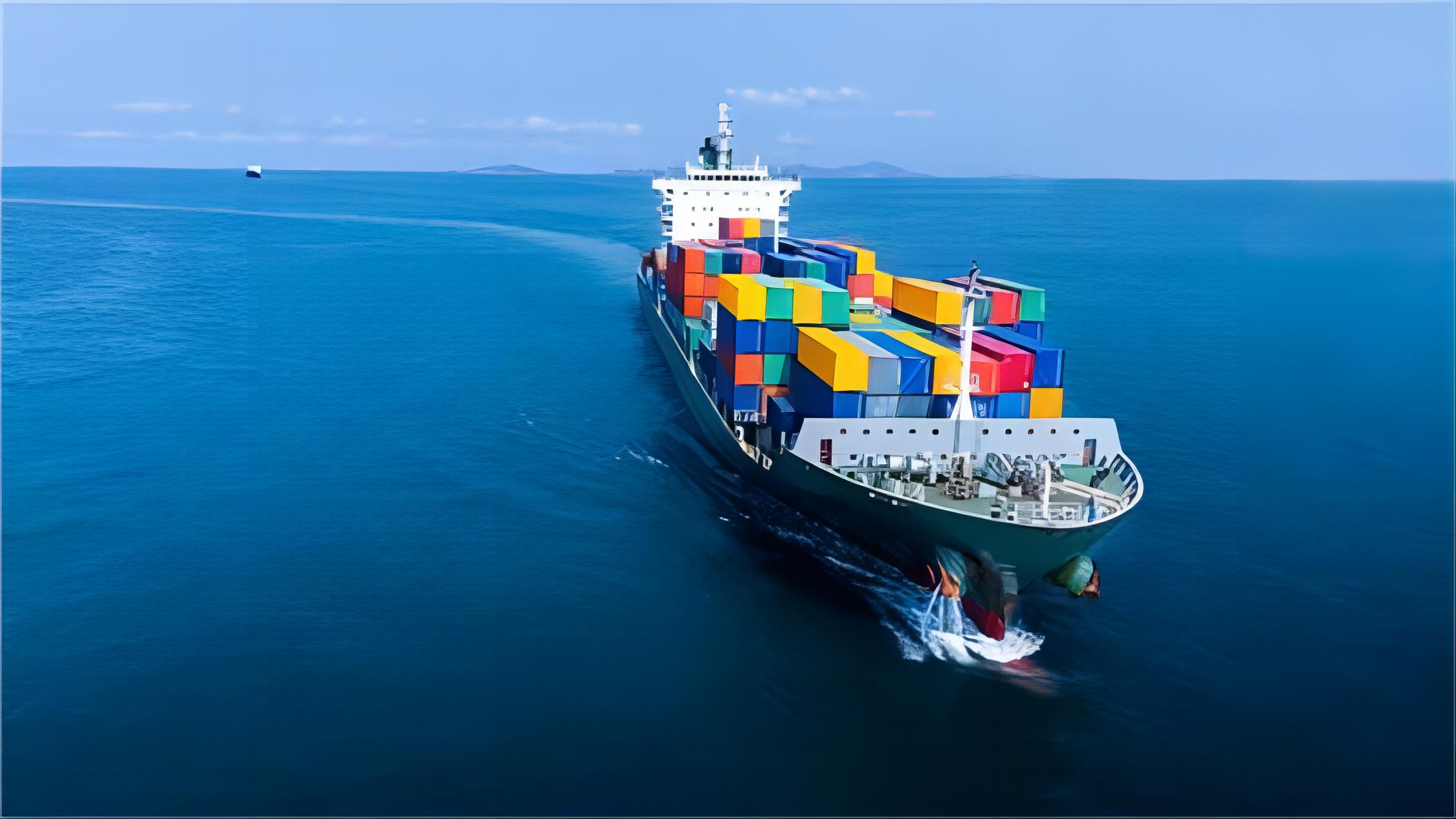
Why is there a 20GP FCL container shortage for medical equipment?
Global trade imbalances frequently lead to a lack of smaller 20GP units as carriers prioritize larger 40HQ containers for maximum revenue. Consequently, medical equipment suppliers in China find themselves waiting weeks for available equipment while their cargo sits in warehouses. This shortage is particularly acute during the pre-Lunar New Year rush and the Q3 peak season.
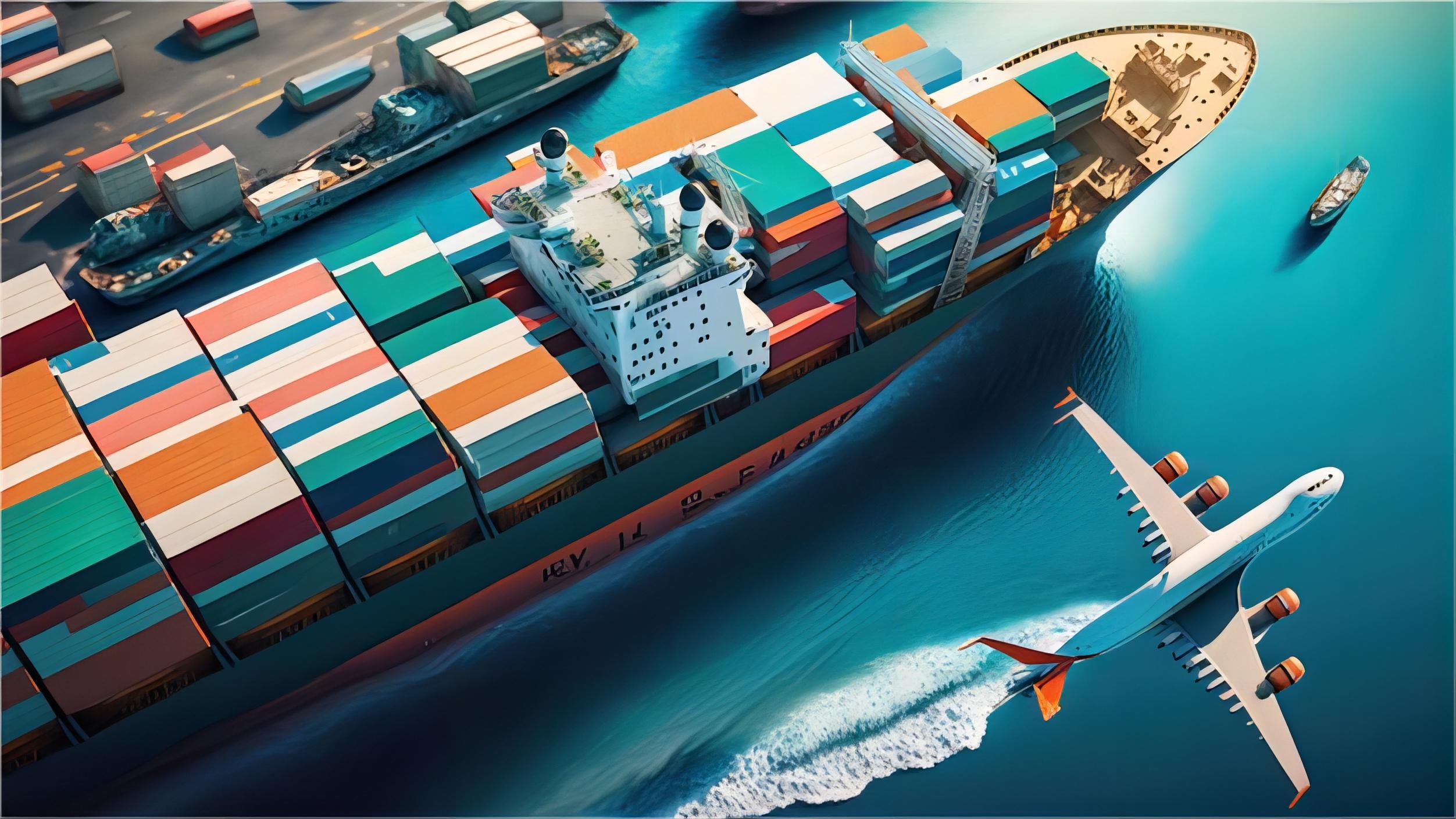
Furthermore, the specialized nature of medical devices often requires clean, high-quality containers that are even harder to source. Many carriers allocate their limited 20GP inventory to long-term contract holders, leaving smaller importers to struggle with spot market volatility. Additionally, port congestion in Southern California can delay the return of empty containers to Asian hubs, worsening the local supply deficit.
Moreover, shifting trade routes and geopolitical tensions have altered container circulation patterns significantly in early 2025. Indeed, these disruptions force logistics managers to seek a 20GP FCL container shortage solution for medical equipment from China to Los Angeles that incorporates flexibility. Without a proactive strategy, your shipping costs could spiral while transit times become unpredictable.
How Does 20GP FCL Compare to Other Shipping Options?
Choosing the right shipping method is vital when standard container sizes are unavailable at the port of loading. While 20GP containers are ideal for heavy medical machinery, they are not the only way to reach the United States. For instance, using sea freight with alternative equipment types can often bypass the bottleneck.
On the other hand, air freight remains the fastest alternative for high-value medical electronics that cannot wait for ocean transit. Nevertheless, the cost difference between sea and air is substantial, making it a choice usually reserved for emergencies. To summarize, importers must weigh the urgency of their medical supplies against the available budget and equipment availability.
| Shipping Method | Cost Range (USD) | Transit Time | Best For |
|---|---|---|---|
| 20GP FCL | 1,500 – 2,200 | 14-18 Days | Heavy machinery |
| 40HQ FCL | 2,800 – 3,800 | 14-18 Days | Bulky PPE kits |
| LCL Shipping | 50 – 90 per CBM | 20-25 Days | Small batches |
| Air Freight | 5.00 – 9.00 per kg | 3-7 Days | Urgent vaccines |
Strategic Alternatives: When 20GP Containers are Unavailable
One effective 20GP FCL container shortage solution for medical equipment from China to Los Angeles involves upgrading to a 40HQ container. Although the freight rate is higher, the cost per cubic meter is often lower, allowing you to ship more inventory at once. Consequently, this strategy reduces the number of individual shipments and minimizes the risk of equipment-related delays.
Alternatively, you might consider Less than Container Load (LCL) services for smaller medical components or consumables. This method allows you to share space with other shippers, bypassing the need for a dedicated 20GP unit entirely. In addition, LCL providers often have more consistent access to space on major carrier vessels departing from Shanghai.
Moreover, some importers are now utilizing NOR (Non-Operating Reefer) containers as a creative substitute for standard dry vans. These are refrigerated containers with the cooling units turned off, offered at a discount to move them back to high-demand regions. Consequently, this approach provides a reliable equipment source when standard 20GP units are in short supply.
Optimizing Logistics for Medical Equipment in 2025
Market data suggests that freight rates from China to North America have stabilized in early 2025, yet equipment availability remains localized. Therefore, you should consider diversifying your departure ports to include smaller terminals that may have better equipment inventory. For example, if Ningbo is out of 20GP units, checking availability in Xiamen or Qingdao might yield better results.
In addition, utilizing air freight for the most critical components of your medical systems can prevent a total supply chain halt. While the bulk of the shipment moves via sea, the essential parts arrive in Los Angeles within days. This hybrid approach ensures that your medical facility or distribution center remains operational despite ocean equipment shortages.
Furthermore, ensuring that your customs brokerage documentation is prepared in advance is crucial for medical gear. Since medical items often require FDA clearance, any delay in paperwork can lead to expensive demurrage charges at the Port of Los Angeles. Consequently, professional oversight is necessary to navigate the complex regulatory landscape of the North America trade lane.
Case Study 1: Resolving a Shortage for Diagnostic Imaging Tools
Case Study 1: The Imaging Equipment Pivot. Route: Shanghai, China to Los Angeles, USA. Cargo: MRI Components and X-ray sensors, 12 CBM, 4,500 kg. Container: Switched from 20GP to LCL due to a 14-day equipment wait time.
Shipping Details: Carrier: COSCO. Port of Loading: Shanghai. Port of Discharge: Los Angeles. Route Type: Direct. Cost Breakdown: Ocean Freight: 1,080 USD. Origin Charges: 250 USD. Destination Charges: 400 USD. Customs and Duties: 1,200 USD. Total Landed Cost: 2,930 USD.
Timeline: Booking to Loading: 3 days. Sea Transit: 16 days. Customs Clearance: 2 days. Total Door-to-Door: 21 days. Key Insight: By switching to LCL immediately rather than waiting for a 20GP, the client avoided a two-week production delay at their California facility. Note: Freight rates are subject to change based on fuel costs, carrier capacity, and seasonal demand. Contact us for a current quote tailored to your specific shipment.
Case Study 2: Managing PPE Volume During Peak Season
Case Study 2: The 40HQ Consolidation Strategy. Route: Shenzhen, China to Los Angeles, USA. Cargo: Surgical Masks and Gowns, 55 CBM, 8,000 kg. Container: 40HQ (Consolidated two planned 20GP shipments).
Shipping Details: Carrier: Maersk. Port of Loading: Yantian (Shenzhen). Port of Discharge: Los Angeles. Route Type: Direct. Cost Breakdown: Ocean Freight: 3,400 USD. Origin Charges: 350 USD. Destination Charges: 500 USD. Customs and Duties: 800 USD. Total Landed Cost: 5,050 USD.
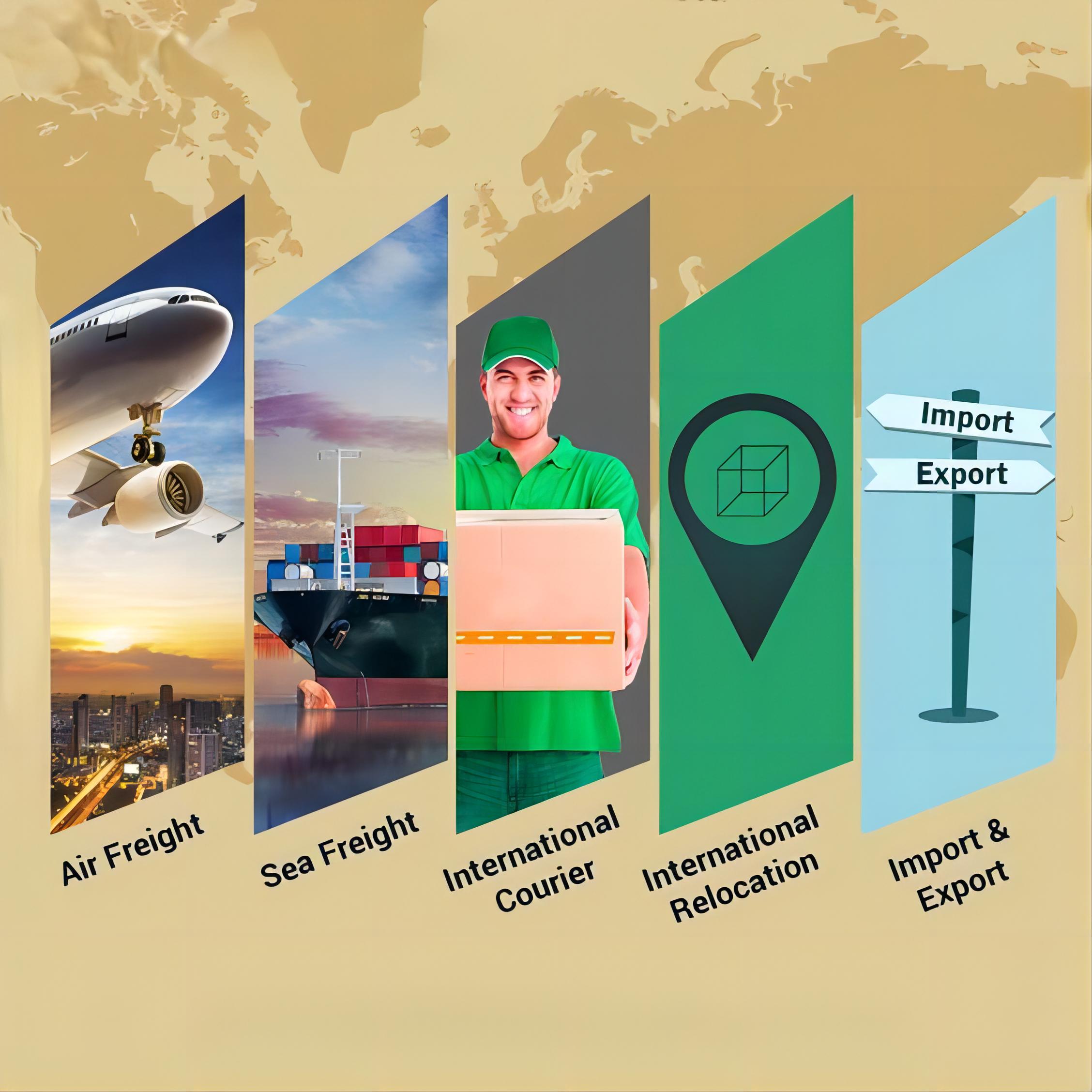
Timeline: Booking to Loading: 5 days. Sea Transit: 14 days. Customs Clearance: 3 days. Total Door-to-Door: 22 days. Key Insight: Consolidating two 20GP shipments into one 40HQ saved the client 600 USD in total freight costs and bypassed the 20GP shortage entirely. Note: Typical rates as of early 2025; always verify current market conditions before booking.
Decision Framework: Which Option Should You Choose?
Choosing the best 20GP FCL container shortage solution for medical equipment from China to Los Angeles depends on several key factors. First, evaluate your budget priority; if cost is the main concern, LCL or waiting for a 20GP might be necessary. However, if speed and equipment security are paramount, upgrading to a 40HQ or using air freight is the superior choice.
Additionally, consider the volume thresholds of your cargo. If your medical supplies exceed 15 CBM, a full container is usually more economical than LCL. Conversely, for very dense, heavy medical machinery that only fills half a 20GP, LCL might be the only way to avoid paying for empty space during a shortage. Finally, always consult with a logistics expert to determine the current equipment availability at your specific port of origin.
| Priority | Recommended Method | Volume Threshold | Key Benefit |
|---|---|---|---|
| Lowest Cost | LCL Shipping | Under 15 CBM | No container needed |
| Reliability | 40HQ FCL | Over 25 CBM | Better availability |
| Maximum Speed | Air Freight | Any Volume | Arrives in 5 days |
| Heavy Cargo | 20GP FCL | Under 28 Tons | Structural integrity |
The Role of Door to Door Services in Mitigating Delays
Implementing a door to door strategy can significantly simplify the process of finding a 20GP FCL container shortage solution for medical equipment from China to Los Angeles. When one provider manages the entire journey, they can more easily pivot between equipment types or transportation modes. Indeed, this end-to-end visibility allows for quicker decision-making when a specific container size becomes unavailable at the dock.
Furthermore, integrated logistics providers often have priority access to container yards and drayage teams in both China and the United States. Consequently, they can secure equipment faster than independent shippers working through multiple middleman. This level of coordination is especially important for medical equipment that requires specialized handling or temperature-controlled environments during the final mile delivery.
Navigating the 20GP FCL Container Shortage Successfully
In conclusion, finding a 20GP FCL container shortage solution for medical equipment from China to Los Angeles requires a mix of early booking, equipment flexibility, and professional expertise. By considering alternatives like 40HQ containers, LCL shipping, or even air freight, you can ensure your medical supplies reach their destination without costly interruptions. Moreover, staying informed about market trends in 2025 will allow you to anticipate shortages before they impact your bottom line.
Ultimately, the goal is to maintain a resilient supply chain that can adapt to the ever-changing landscape of global logistics. Whether you are shipping diagnostic tools or basic PPE, having a plan for equipment scarcity is no longer optional. Work with experienced partners to navigate these challenges and keep your medical equipment moving smoothly across the Pacific.

Ready to streamline your logistics?
Secure your supply chain today by requesting a custom quote for your medical cargo. Our team specializes in finding a 20GP FCL container shortage solution for medical equipment from China to Los Angeles tailored to your deadline. Visit our inquiry page to start your shipment.
Request Quote