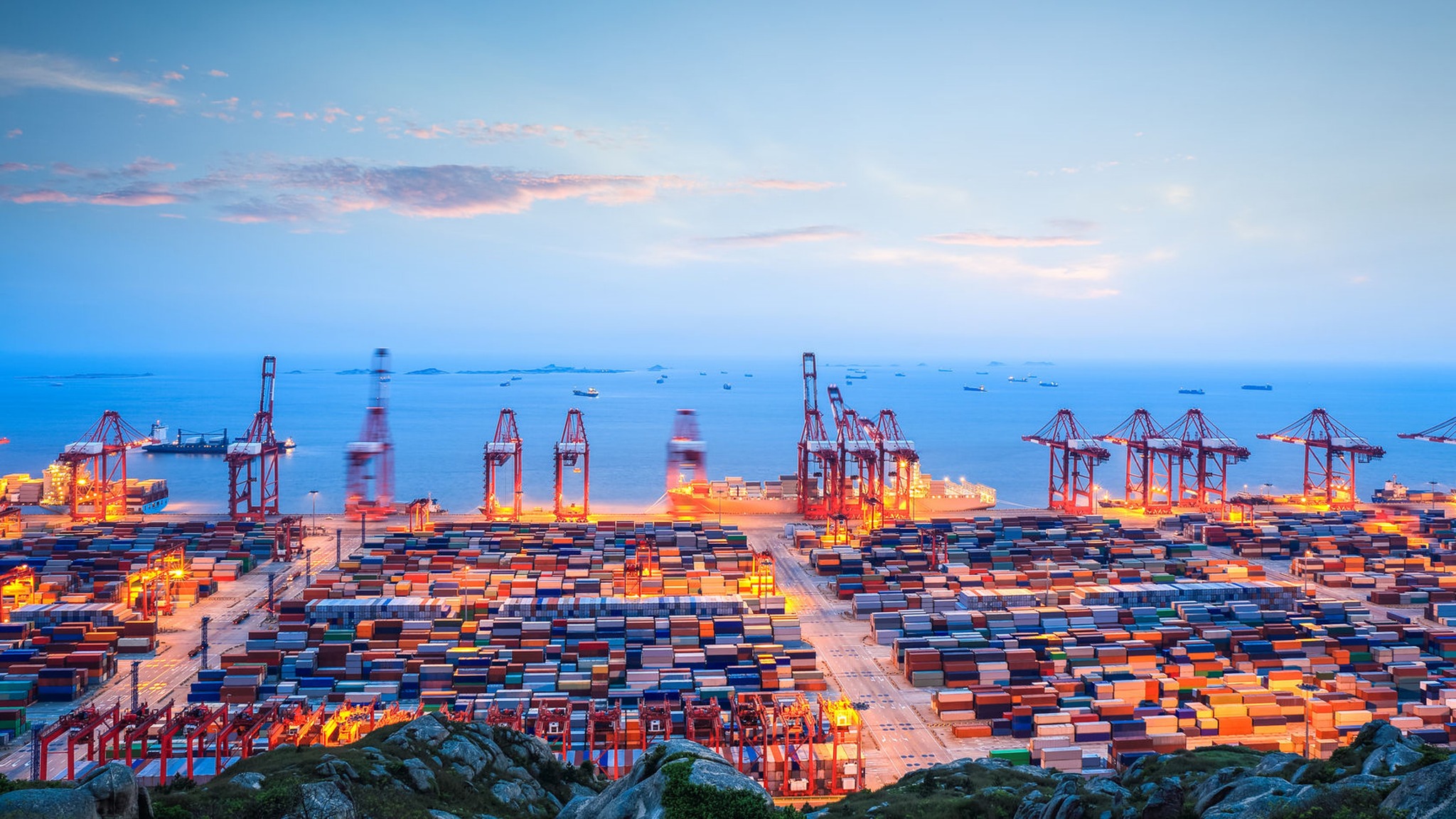
Open Top FCL detention prevention for textiles from China to New Jersey
Managing international logistics requires precision, especially when handling specialized equipment like open top containers. Importers often face significant financial hurdles when Open Top FCL detention prevention for textiles from China to New Jersey is not prioritized. By partnering with Top China Freight, businesses can streamline their supply chain and eliminate unnecessary overhead costs associated with equipment delays. This guide provides actionable strategies to ensure your textile shipments arrive at the Port of New York and New Jersey without incurring heavy penalties.

What is Open Top FCL Detention and Why Does It Matter?
Detention fees occur when an importer holds onto a carrier’s container beyond the allowed free time outside of the port terminal. Unlike demurrage, which relates to the time a container spends inside the port, detention is charged during the period the equipment is at the warehouse or in transit to the return depot.
Textile shipments often require open top containers because fabric rolls can be oversized or difficult to load through standard doors. These specialized containers are in high demand and short supply, making carriers much stricter with their return timelines.
Consequently, failing to return an open top container on time can result in daily charges ranging from 150 to 400 dollars per unit. Understanding the nuances of equipment management is the first step toward significant cost savings in your textile import business.
Why Textiles from China to New Jersey Face High Detention Risks?
New Jersey ports, specifically Newark and Elizabeth, are among the busiest in the United States, leading to frequent congestion and chassis shortages. When your textile cargo arrives, the lack of available specialized trailers can prevent the timely movement of open top containers to your facility.
Furthermore, textile products often require intensive customs brokerage services due to specific trade regulations and duty classifications. Any delay in document processing directly eats into your container free time, increasing the likelihood of detention.
Labor shortages at destination warehouses also contribute to the problem, as unloading oversized textile rolls requires specialized equipment and trained personnel. If your warehouse is backed up, the container sits idle while the detention clock continues to tick.
How Does Open Top FCL Detention Prevention for Textiles from China to New Jersey Compare to Other Shipping Options?
Choosing the right equipment is a balance between cargo safety and logistical flexibility. While open top containers allow for top-loading of heavy textile machinery or large fabric bolts, they come with higher freight rates and stricter detention policies compared to standard 40HQ units.
Standard dry containers are much more abundant, meaning carriers are often more lenient with free time extensions. However, if your textiles are over-dimensional, forcing them into a standard container could lead to cargo damage or increased labor costs at the loading phase.
Flat rack containers represent another alternative for extremely wide textile machinery, but these are even more expensive and difficult to secure than open top units. In many cases, utilizing a door to door service can help mitigate these risks by centralizing the responsibility for equipment return.
| Shipping Method | Cost Range (USD) | Transit Time | Best For | Limitations |
|---|---|---|---|---|
| Open Top FCL | 4,500 – 6,500 | 30 – 35 Days | Oversized fabric rolls | High detention risk |
| Standard 40HQ | 3,500 – 5,000 | 30 – 35 Days | Standard boxed textiles | Loading constraints |
| Flat Rack | 6,000 – 9,000 | 35 – 40 Days | Textile machinery | Highest cost |
| LCL Shipping | 80 – 150 per CBM | 40 – 45 Days | Small textile batches | Handling delays |
Effective Strategies for Open Top FCL Detention Prevention for Textiles from China to New Jersey
Securing extended free time at the point of booking is the most effective way to prevent detention charges. Most carriers offer a standard 7 days of free time, but experienced forwarders can often negotiate 10 to 14 days for high-volume textile importers.
Pre-clearing your cargo through customs is another vital strategy to ensure the container moves immediately upon arrival at the New Jersey port. By utilizing sea freight experts who understand the Newark port ecosystem, you can avoid the common pitfalls that lead to equipment idle time.
Implementing a ‘street turn’ or ‘triangulation’ strategy can also save time and money. This involves finding an exporter in the New Jersey area who needs an open top container, allowing you to transfer the equipment directly rather than returning it to a congested port depot.

Which Option Should You Choose for Your Textile Shipments?
Budget priority dictates that you should strive to fit textiles into standard containers whenever possible to minimize equipment surcharges. If the cargo height exceeds 2.6 meters, however, the open top container becomes a necessity to prevent structural damage to the goods.
Speed priority importers should consider using premium ocean services that offer guaranteed equipment availability and priority discharge at New Jersey terminals. While these services cost 15 to 20 percent more, the reduction in detention risk often offsets the higher initial freight rate.
Volume thresholds play a significant role; if you are shipping more than five open top containers per month, you have more leverage to negotiate custom detention terms with the shipping line. Smaller importers should focus on warehouse readiness to ensure containers are stripped and returned within 48 hours of arrival.
Real Case Studies: Preventing Detention on the China-NJ Route
Case Study 1: Large Scale Fabric Import
Route: Shanghai, China to Elizabeth, New Jersey. Cargo: High-density fabric rolls, 65 CBM. Container: 40ft Open Top FCL. Shipping Details: Direct service via Maersk. Ocean Freight: 5,200 USD. Origin Charges: 450 USD. Destination Charges: 850 USD. Customs: 1,200 USD. Total Landed Cost: 7,700 USD. Timeline: 32 days total. Key Insight: Successfully negotiated 12 days free time, avoiding 1,200 USD in potential detention fees.
Case Study 2: Textile Manufacturing Machinery
Route: Ningbo, China to Newark, New Jersey. Cargo: Industrial looms, 12,000 kg. Container: 20ft Open Top FCL. Shipping Details: Transshipment via Busan. Ocean Freight: 3,800 USD. Origin Charges: 300 USD. Destination Charges: 700 USD. Customs: 2,500 USD. Total Landed Cost: 7,300 USD. Timeline: 38 days total. Key Insight: Pre-booked a specialized chassis in NJ to ensure immediate pickup, preventing port storage and detention.

The Role of Freight Forwarders in Minimizing Costs
Professional logistics partners provide the visibility needed to track containers in real-time as they approach the New Jersey coast. This proactive monitoring allows for the coordination of drayage drivers well before the vessel berths, ensuring a seamless transition from sea to land.
Expert forwarders also manage the complex documentation required for textile imports, such as certificates of origin and detailed packing lists. Accuracy in these documents prevents customs holds, which are a primary driver of container detention for international shipments.
Using a North America focused logistics provider ensures that you have local advocates in New Jersey who can resolve terminal disputes quickly. Their relationships with local depots can be the difference between a free return and a 500 dollar penalty.
Final Thoughts on Open Top FCL Detention Prevention
Successfully managing Open Top FCL detention prevention for textiles from China to New Jersey requires a combination of early planning, expert negotiation, and local port knowledge. By understanding the specific challenges of the New Jersey maritime landscape, importers can avoid the common traps that lead to expensive equipment fees.
Reliable logistics is the backbone of a successful textile business, and minimizing detention is a key component of that efficiency. Remember to always verify your free time agreements and maintain open communication with your drayage providers to ensure timely equipment returns.
Note: Freight rates and detention policies are subject to change based on fuel costs, carrier capacity, and seasonal demand. Contact us for a current quote tailored to your specific shipment needs.
Ready to streamline your logistics?
Protect your bottom line by implementing a robust Open Top FCL detention prevention for textiles from China to New Jersey strategy. Our team of logistics experts is ready to help you navigate the complexities of Newark port operations and secure the best rates for your specialized cargo. Visit our website to send an inquiry and receive a customized quote for your next textile shipment.
Request Quote