

40GP FCL Container Shortage Solution for Lighting from China to Germany
Importers frequently face significant hurdles when securing equipment for high-volume lighting shipments across international borders. Finding a reliable 40GP FCL container shortage solution for lighting from China to Germany requires a blend of strategic planning and expert logistics support from Top China Freight. This guide explores how to navigate equipment scarcity while maintaining your delivery schedule and budget. Indeed, the current market dynamics demand a proactive approach to ensure your lighting products reach German markets without unnecessary delays.
What Causes the 40GP FCL Container Shortage for Lighting Shipments?
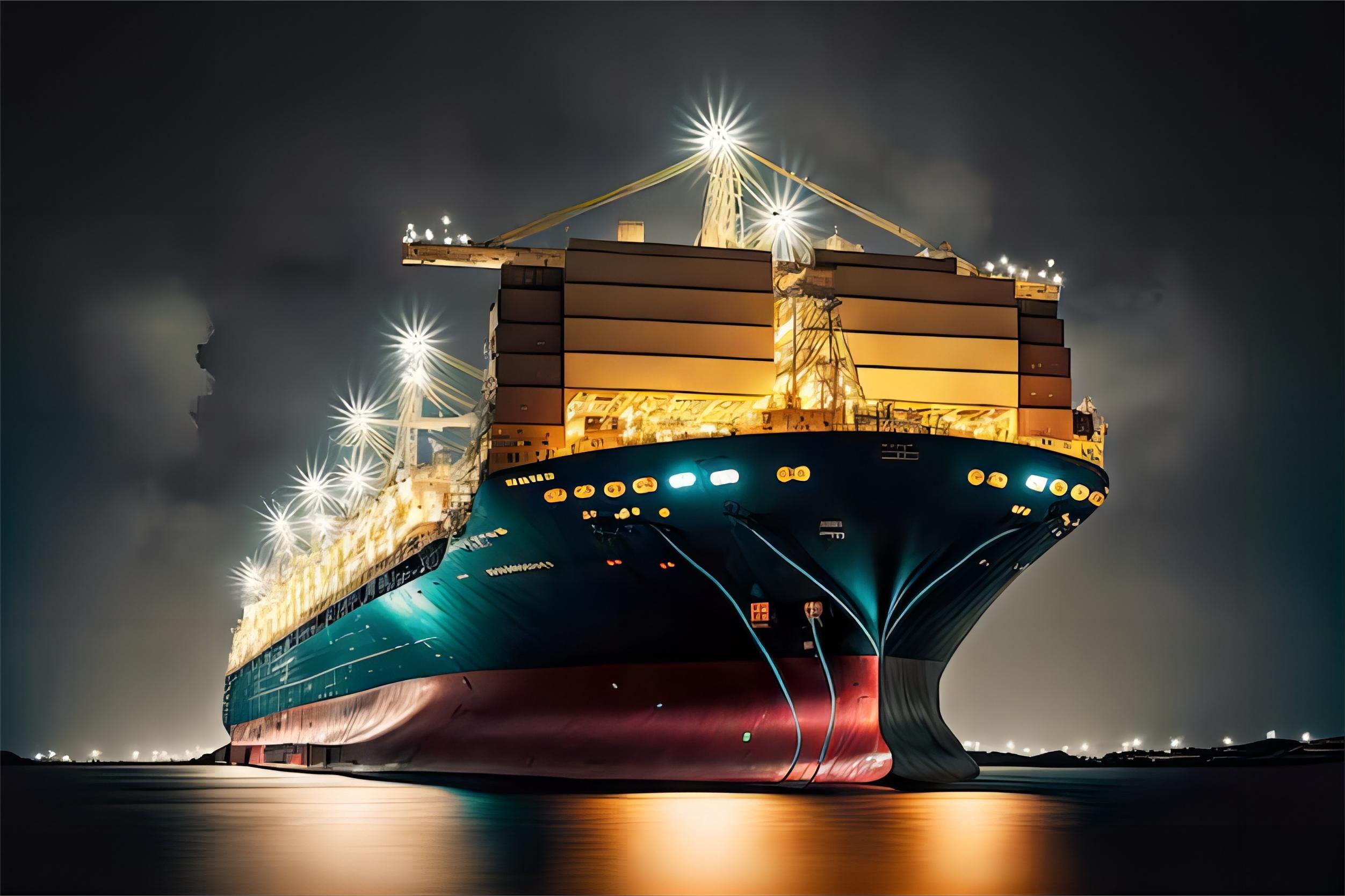
Global trade patterns in early 2025 continue to influence the availability of standard 40-foot general-purpose containers across major Asian hubs. Consequently, lighting manufacturers in production centers like Guzhen and Shenzhen often struggle to book equipment during peak seasons. These shortages typically stem from equipment imbalances where containers accumulate in North America or Europe rather than returning to China. Furthermore, port congestion at major European gateways like Hamburg and Wilhelmshaven can delay the turnaround of empty units.
Lighting products are generally voluminous but relatively lightweight, making the 40GP or 40HQ the ideal choice for maximizing space. However, the high demand for these specific units by various industries often leads to immediate shortages when vessel space is tight. In addition, seasonal surges before the Lunar New Year or during the Q4 holiday rush exacerbate the scarcity of 40GP units. Therefore, understanding the root causes of these shortages is the first step in developing a resilient logistics strategy.
How Does Sea Freight Compare to Other Shipping Options?
While sea freight remains the most common method for transporting lighting fixtures, it is also the most susceptible to equipment shortages. In contrast, alternative modes like rail or sea-air hybrids offer different advantages in terms of speed and equipment availability. For instance, rail freight often has more consistent access to 40HQ containers during maritime equipment crunches. Nevertheless, sea freight remains the most cost-effective solution for large-scale distribution if equipment can be secured in advance.
Consider the following comparison to determine which method aligns with your current inventory needs and budget constraints. Each option presents a unique trade-off between cost, transit time, and reliability. Specifically, for lighting importers in Germany, the choice often depends on the urgency of the stock replenishment and the current ocean freight market conditions.
| Shipping Method | Cost Range (40GP/HQ) | Transit Time | Best For |
|---|---|---|---|
| Ocean Freight | $3,200 – $4,800 | 30 – 45 Days | Bulk Lighting Orders |
| Rail Freight | $4,800 – $6,500 | 18 – 25 Days | Urgent Mid-Season Stock |
| Sea-Air Hybrid | $8,500 – $12,000 | 15 – 20 Days | High-Value LED Samples |
| Air Freight | $15,000+ | 5 – 8 Days | Emergency Replacements |
Strategic Solutions for 40GP Container Scarcity
One effective 40GP FCL container shortage solution for lighting from China to Germany involves switching to 40HQ (High Cube) containers. Although 40HQ units are slightly more expensive, the additional foot of height allows for approximately 10 to 12 percent more volume. This extra space is particularly beneficial for bulky lighting components or large chandeliers. Moreover, 40HQ containers are often more readily available in the carrier’s inventory than standard 40GP units.
Another viable strategy is to utilize SOC (Shipper Owned Containers) instead of relying on carrier-provided equipment. By leasing or purchasing your own containers, you bypass the carrier’s equipment shortages entirely. Additionally, booking your shipments at least 3 to 4 weeks in advance can help secure a spot in the carrier’s equipment allocation. Indeed, early planning is often the difference between a successful shipment and a costly delay.
Utilizing LCL as a Buffer Strategy
When a full 40GP container is unavailable, splitting the shipment into multiple LCL (Less than Container Load) bookings can keep your supply chain moving. Although the cost per cubic meter is higher, LCL ensures that at least a portion of your stock reaches Germany on time. Furthermore, LCL shipments are easier to clear through customs in smaller batches, which can sometimes speed up the final delivery to your warehouse.
Leveraging Rail Freight for German Lighting Importers
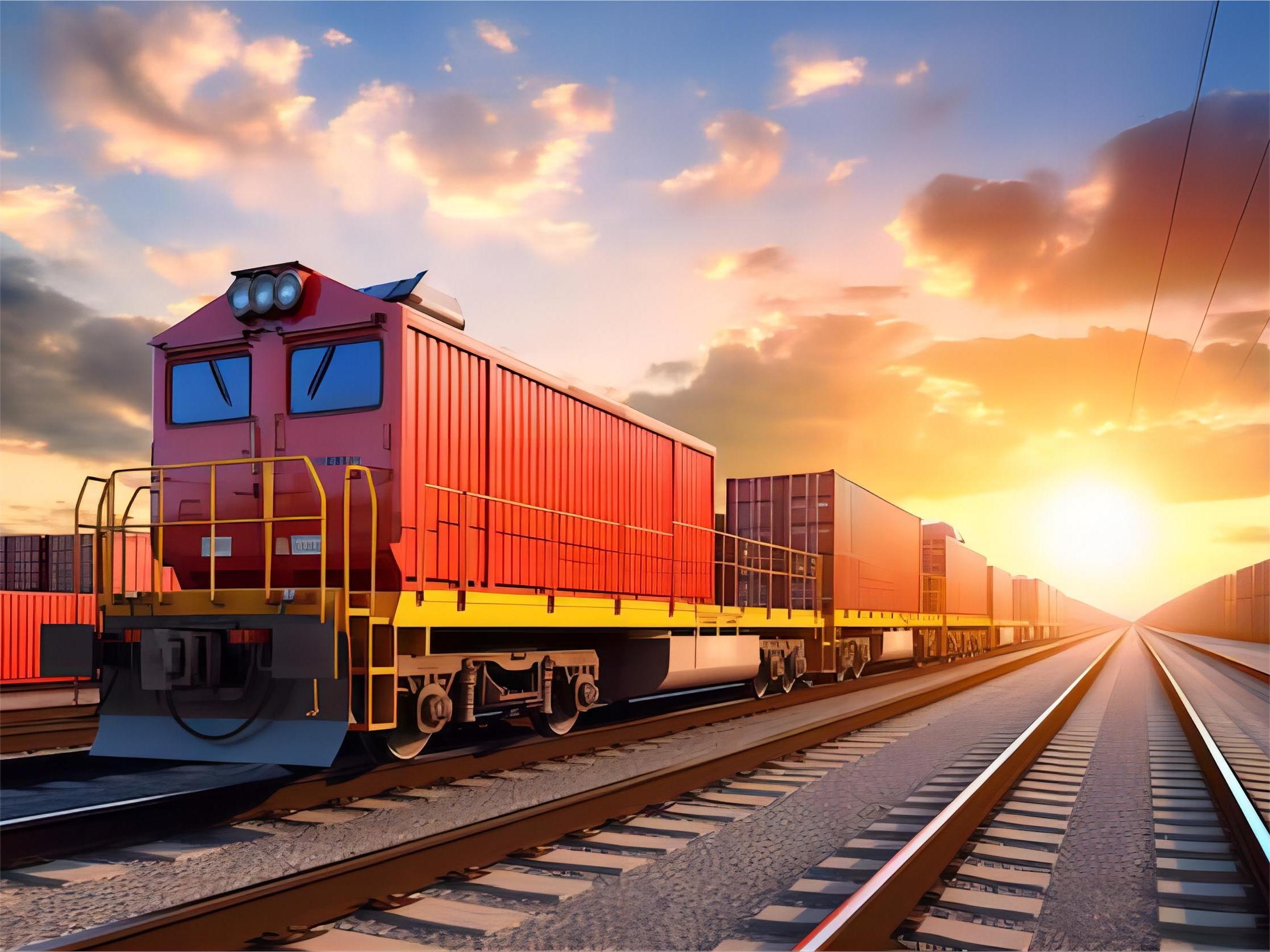
When ocean lanes are congested, rail freight serves as a robust alternative for German destinations like Duisburg, Hamburg, or Munich. This mode offers more consistent equipment availability compared to traditional maritime routes during peak shortages. Consequently, many lighting distributors have shifted a portion of their annual volume to the Iron Silk Road to mitigate risks. Moreover, the transit time of 18 to 24 days is significantly shorter than sea transport, which helps in maintaining lower inventory levels.
Rail transport is especially effective for high-value LED products that require a faster time-to-market. Additionally, the environmental impact of rail is lower than air freight, making it an attractive option for companies with sustainability goals. However, it is important to note that rail rates can fluctuate based on the availability of slots on the trans-Siberian or trans-Caspian routes. Therefore, checking current rates and capacity is essential before making a booking.
Case Study 1: Resolving Shortages for a Berlin Lighting Retailer
Based on Q4 2024 market rates, a prominent Berlin-based lighting retailer faced a 3-week delay due to 40GP equipment shortages in Ningbo. To solve this, the shipment was converted to a 40HQ unit with a slight price adjustment. As a result, the retailer was able to load an additional 500 units of LED ceiling lights, offsetting the higher freight cost.
Route: Ningbo, China to Hamburg, Germany Cargo: LED Ceiling Lights, 68 CBM, 8,500 kg Container: 40HQ (Substituted for 40GP) Shipping Details: – Carrier: Major Carrier (COSCO) – Port of Loading: Ningbo – Port of Discharge: Hamburg – Route Type: Direct Cost Breakdown: – Ocean Freight: $4,100 – Origin Charges: $450 – Destination Charges: $550 – Customs and Duties: $1,200 – Total Landed Cost: $6,300 Timeline: – Booking to Loading: 7 days – Sea Transit: 33 days – Customs Clearance: 2 days – Total Door-to-Door: 42 days Key Insight: Switching to 40HQ allowed for immediate loading when 40GP units were backordered for 21 days.
Case Study 2: Multi-Modal Success from Guzhen to Munich
In early 2025, a lighting manufacturer in Guzhen utilized a multi-modal approach to bypass port congestion and equipment shortages. By trucking the cargo to Xi’an and utilizing rail freight, the importer avoided the 40GP shortage at South China ports. Consequently, the goods arrived in Munich 15 days faster than the sea freight alternative.
Route: Guzhen (via Xi’an) to Munich, Germany Cargo: Industrial Pendant Lights, 60 CBM, 12,000 kg Container: 40GP Rail Container Shipping Details: – Service: China-Europe Railway Express – Origin: Xi’an Terminal – Destination: Munich Terminal – Route Type: Rail Direct Cost Breakdown: – Rail Freight: $5,800 – Trucking (Guzhen to Xi’an): $800 – Destination Handling: $400 – Customs and Duties: $1,500 – Total Landed Cost: $8,500 Timeline: – Booking to Loading: 5 days – Rail Transit: 21 days – Customs Clearance: 1 day – Total Door-to-Door: 27 days Key Insight: Rail freight provided guaranteed equipment and a faster schedule during a period of extreme ocean equipment scarcity.
Optimizing Logistics for Shipping to Europe
Planning for shipments to Europe requires a deep understanding of regional logistics trends and carrier networks. German importers benefit from multiple entry points, including the northern ports of Hamburg and Bremerhaven, as well as southern rail terminals. Furthermore, coordinating with a freight forwarder who has strong local relationships in China can help you secure equipment that is not visible on public booking platforms. Indeed, local expertise is invaluable when navigating a 40GP FCL container shortage solution for lighting from China to Germany.
Specifically, ensure that your lighting products comply with all EU safety standards, such as CE and RoHS certifications, before the cargo leaves China. This preparation prevents delays during the customs brokerage process in Germany. Additionally, utilizing door to door services can streamline the transition from the port to your final warehouse destination. Therefore, a holistic approach to your supply chain is the most effective way to manage equipment shortages and rising costs.
Which Shipping Option Should You Choose?
Deciding on the best shipping method depends on your specific priorities regarding cost, speed, and volume. If your primary goal is to minimize expenditure and you have a flexible schedule, sea freight remains the best choice despite potential equipment delays. On the other hand, if you are facing stockouts or have strict contract deadlines, rail freight is the superior alternative. Furthermore, for high-value or fragile lighting components, the reduced handling of FCL containers is always preferable to LCL.
Budget Priority: Choose Sea Freight (40GP or 40HQ) with a 4-week lead time. Speed Priority: Choose Rail Freight for a 20-day transit. Cargo Type: For delicate glass fixtures, prioritize FCL to minimize breakage. Volume Threshold: If your shipment is under 15 CBM, consider LCL instead of waiting for a full container. Note: Freight rates are subject to change based on fuel costs, carrier capacity, and seasonal demand. Contact us for a current quote tailored to your specific shipment.
| Priority | Recommended Method | Equipment Type | Estimated Cost |
|---|---|---|---|
| Lowest Cost | Ocean Freight | 40GP / 40HQ | $3,500 – $4,500 |
| Fastest Delivery | Rail Freight | 40HQ | $5,000 – $6,500 |
| Small Volume | LCL Sea | Shared Container | $80 – $120 per CBM |
| Reliability | SOC Ocean | Shipper Owned | Market Rate + Lease |
Summary of 40GP Shortage Solutions
To summarize, navigating the 40GP FCL container shortage solution for lighting from China to Germany requires a combination of early booking, equipment flexibility, and the use of alternative transport modes like rail freight. By considering 40HQ containers or SOC options, importers can avoid the most severe equipment deficits. Additionally, maintaining a strong relationship with a dedicated freight forwarder ensures that you have access to the latest market intelligence and space allocations. Ultimately, a proactive strategy will help you maintain a steady supply of lighting products to the German market despite global logistics challenges.
Ready to streamline your logistics?
Securing a 40GP FCL container shortage solution for lighting from China to Germany does not have to be a stressful experience for your business. Contact Top China Freight today to receive a customized quote and expert advice on securing equipment for your next shipment. Send Inquiry
Request Quote