

Open Top FCL Container Shortage Solution for Machinery from China to France
Transporting heavy equipment across continents requires specialized equipment that is currently in high demand. Shippers frequently encounter delays because of the limited availability of specialized equipment at major Asian ports. However, finding a reliable Open Top FCL container shortage solution for machinery from China to France is possible with strategic planning. At Top China Freight, we help businesses navigate these logistics hurdles with expert guidance and alternative shipping methods. This guide explores how you can maintain your delivery schedule despite equipment scarcity in the current market.
Why is there an Open Top FCL Container Shortage?
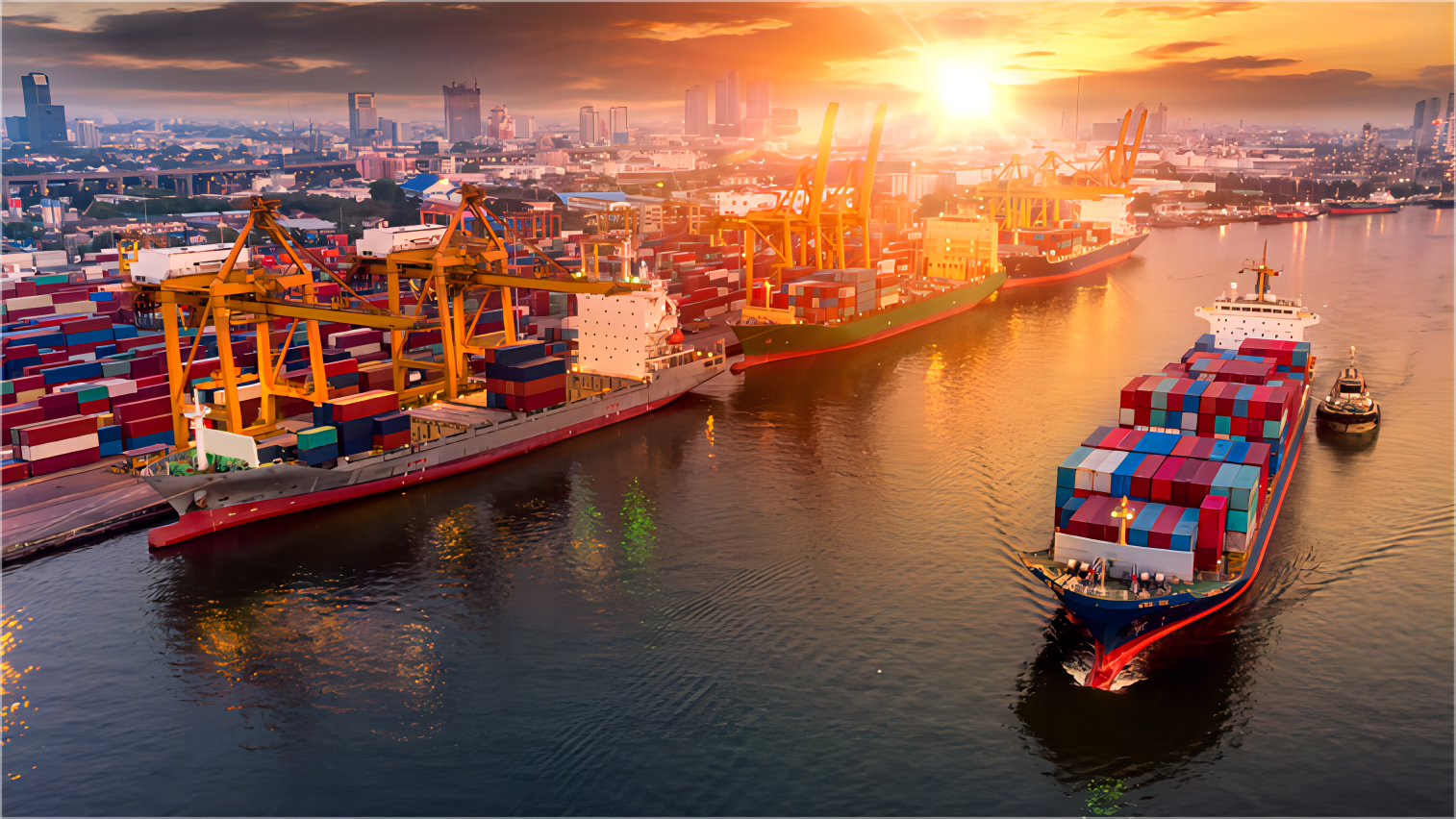
The global supply chain often experiences imbalances in equipment distribution between manufacturing hubs and consumer markets. Consequently, specialized units like open top containers are frequently stuck in locations where demand for return shipments is low.
Industrial growth in Europe has increased the demand for heavy machinery imports from Chinese factories. Therefore, the available stock of 20-foot and 40-foot open top containers at ports like Shanghai and Ningbo remains critically low.
Moreover, carriers prioritize standard dry containers because they are easier to stack and manage on large vessels. In contrast, open top units require top-stowage positions, which limits the number of units a ship can carry efficiently.
Additionally, port congestion and slower turnaround times in European ports like Le Havre further exacerbate the scarcity. Shippers must look for an Open Top FCL container shortage solution for machinery from China to France to avoid costly production delays.
How Does Open Top FCL Compare to Other Shipping Options?
Evaluating different transport modes is essential when your primary equipment choice is unavailable. While open top containers offer protection and ease of overhead loading, other methods provide comparable benefits for oversized cargo.
For instance, sea freight remains the most cost-effective choice for heavy equipment despite the equipment shortages. However, the choice between FCL and alternative methods depends heavily on the specific dimensions of your machinery.
Furthermore, you must consider the trade-offs between cost, safety, and speed when selecting a backup plan. The following table provides an objective analysis of the most viable alternatives for the China to France route.
| Shipping Method | Cost Range | Transit Time | Best For | Limitations |
|---|---|---|---|---|
| Open Top FCL | $3,500 – $5,500 | 30-40 Days | Oversized height | High equipment scarcity |
| Flat Rack (FR) | $4,000 – $7,000 | 30-40 Days | Over-width/height | Higher freight rates |
| 40HQ (Disassembled) | $3,000 – $4,200 | 30-40 Days | Cost saving | Requires reassembly |
| Ro-Ro / Breakbulk | Varies by CBM | 35-45 Days | Extreme weight | Limited port calls |
| Rail Freight | $6,000 – $9,000 | 18-22 Days | Urgent delivery | Size restrictions |

Using Flat Rack Containers as a Primary Alternative
When open top containers are unavailable, the Flat Rack (FR) container serves as the most logical alternative. These units lack side walls and a roof, which allows for loading from the top or the sides.
Moreover, flat racks are designed to carry heavy equipment logistics loads that exceed the weight limits of standard containers. Consequently, they are ideal for large industrial boilers, heavy-duty lathes, or construction machinery.
However, shippers must ensure professional lashing and securing because the cargo is more exposed to the elements. Indeed, using high-quality tarpaulins is necessary to protect the machinery from salt spray during the long voyage to France.
Furthermore, flat rack rates are typically higher than open top rates due to the space they occupy on the vessel. Nevertheless, they provide a reliable Open Top FCL container shortage solution for machinery from China to France when timelines are tight.
Disassembly and the Use of Standard 40HQ Containers
Another effective strategy involves disassembling the machinery to fit into a standard 40-foot High Cube (40HQ) container. This approach bypasses the need for specialized equipment entirely and utilizes the most abundant container type in the market.
Additionally, standard containers are significantly cheaper to book and face fewer space rejections from carriers. Therefore, many manufacturers are redesigning their machines to be modular for easier transport.
In addition, you can use door to door services to manage the entire process from the factory to the final assembly site in France. This ensures that all components remain together throughout the transit process.
On the other hand, you must factor in the cost of labor for disassembly in China and reassembly in France. Without a doubt, for many businesses, the savings in freight costs and the reliability of equipment availability outweigh these labor expenses.
Which Option Should You Choose? Decision Framework
Choosing the right path depends on your specific priorities regarding budget, speed, and cargo safety. If your primary goal is cost-saving, disassembling the machinery for a 40HQ container is usually the best approach.
If speed is the priority, you might consider rail freight as a faster alternative to sea transport. Although rail has stricter size limits, it can reduce transit time by nearly 50 percent compared to the ocean route.
For cargo that is too heavy for standard containers and cannot be disassembled, Flat Rack or Breakbulk remains the only viable choice. Meanwhile, for very large batches of machinery, Ro-Ro (Roll-on/Roll-off) vessels offer a secure way to transport wheeled equipment without containers.
| Priority | Recommended Method | Reasoning | Volume Threshold |
|---|---|---|---|
| Lowest Cost | 40HQ Disassembly | Standard rates apply | Any volume |
| Maximum Speed | Rail Freight | Avoids sea delays | Under 12m length |
| Safety/Ease | Flat Rack | No disassembly needed | Oversized units |
| Oversized Weight | Breakbulk | No container limits | Over 40 tons |

Case Study 1: CNC Machine from Shanghai to Le Havre
A French manufacturing firm needed to transport a large CNC machine from Shanghai but faced a six-week wait for an open top container. Consequently, they sought an Open Top FCL container shortage solution for machinery from China to France to avoid a production halt.
Case Study Details:
Route: Shanghai, China to Le Havre, France. Cargo: Industrial CNC Machine, 18 CBM, 8,500 kg. Container: Switched from 40OT to 40FR (Flat Rack).
Shipping Details: Carrier: CMA CGM. Port of Loading: Shanghai. Port of Discharge: Le Havre. Route Type: Direct.
Cost Breakdown: Ocean Freight: $5,200. Origin Charges: $450. Destination Charges: $600. Customs and Duties: $1,200. Total Landed Cost: $7,450.
Timeline: Booking to Loading: 5 days. Sea Transit: 32 days. Customs Clearance: 2 days. Total Door-to-Door: 39 days.
Key Insight: By switching to a Flat Rack, the client avoided a 45-day delay, ensuring the factory opened on schedule despite the higher freight cost.
Case Study 2: Agricultural Excavators from Ningbo to Marseille
An importer in Marseille required three excavators from Ningbo during a peak season shortage of open top units. After analyzing the costs, they decided to disassemble the arms and buckets to fit the units into standard 40HQ containers.
Case Study Details:
Route: Ningbo, China to Marseille, France. Cargo: 3 Mini Excavators, 45 CBM total. Container: 2 x 40HQ (Disassembled).
Shipping Details: Carrier: MSC. Port of Loading: Ningbo. Port of Discharge: Marseille. Route Type: Transshipment via Singapore.
Cost Breakdown: Ocean Freight: $7,600 (Total for 2 units). Origin Charges: $800. Destination Charges: $1,100. Customs and Duties: $2,500. Total Landed Cost: $12,000.
Timeline: Booking to Loading: 7 days. Sea Transit: 38 days. Customs Clearance: 3 days. Total Door-to-Door: 48 days.
Key Insight: Using standard 40HQ containers saved the client over $4,000 in freight premiums compared to waiting for specialized open top equipment.
Navigating Customs and Documentation for Machinery
Importing machinery into France requires strict adherence to European Union safety standards and documentation. Therefore, ensuring your paperwork is perfect is just as important as choosing the right container.
Furthermore, you should employ a professional customs brokerage to handle the complex CE certification requirements. Failure to provide the correct technical files can lead to expensive storage fees at the port of Marseille or Le Havre.
In addition, you must provide a detailed packing list that specifies the weight and dimensions of every component. This is especially critical when using an Open Top FCL container shortage solution for machinery from China to France involving disassembly.
Finally, always verify the HS Codes for your specific machinery to determine the exact duty rates. Market data suggests that incorrect classification is one of the leading causes of customs delays for industrial imports.
Securing Your Machinery Shipment in a Challenging Market
To summarize, while the equipment scarcity presents a significant challenge, it is not an insurmountable obstacle for your business. By considering alternatives like Flat Rack containers, disassembly strategies, or even breakbulk shipping, you can maintain a resilient supply chain.
Indeed, the most successful importers are those who remain flexible and work closely with experienced freight forwarders. Implementing an Open Top FCL container shortage solution for machinery from China to France requires a proactive approach and a clear understanding of the costs involved.
Note: Freight rates are subject to change based on fuel costs, carrier capacity, and seasonal demand. Contact us for a current quote tailored to your specific shipment.
Ready to streamline your logistics?
Are you struggling to find specialized containers for your next shipment? Contact Top China Freight today for a customized Open Top FCL container shortage solution for machinery from China to France. Our team provides instant quotes and reliable equipment alternatives to keep your machinery moving. Visit our website to request your free freight consultation and secure your space on the next vessel.
Request Quote