

Booking Process for FCL Shipping from China to Norway: A Guide
Understanding the booking process for FCL shipping from China to Norway is essential for businesses aiming to optimize their global supply chain. By partnering with Top China Freight, you can navigate complex logistics requirements with ease. This guide provides a comprehensive breakdown of every step involved in securing a full container for your cargo. Consequently, you will be better prepared to manage your international trade operations effectively.
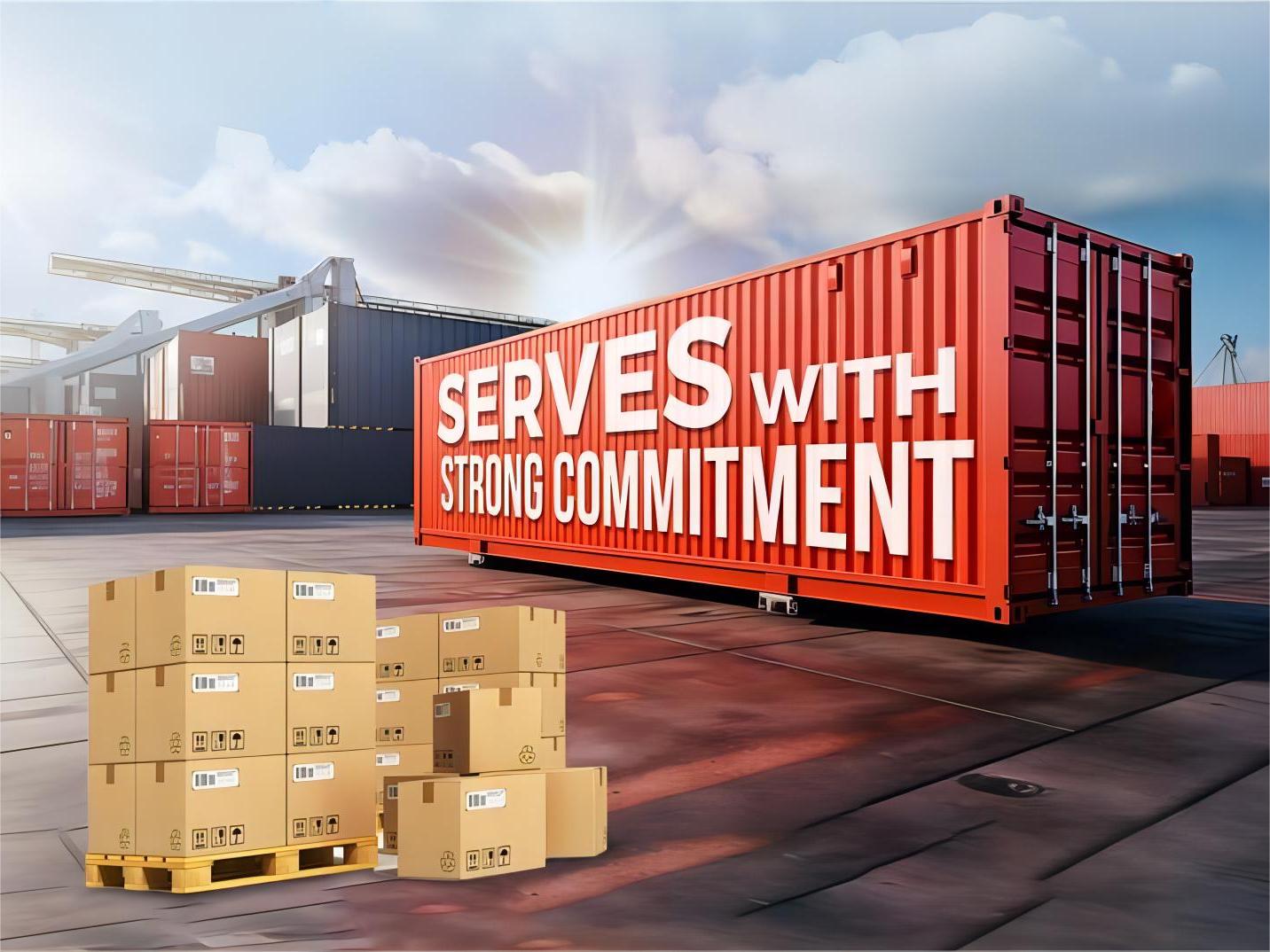
Understanding the Booking Process for FCL Shipping from China to Norway
Full Container Load or FCL refers to a shipment where a single importer occupies an entire container. This method is highly efficient for large volumes of goods being transported to Northern Europe. When you initiate the booking process for FCL shipping from China to Norway, you gain exclusive use of the container space.
Moreover, sea freight remains the most cost-effective solution for heavy machinery, furniture, or bulk consumer goods. Shipping to Norway requires careful planning due to the specific maritime routes and customs regulations. Therefore, starting the process early ensures you secure the best freight rates and space availability.
Key Steps in the Booking Process for FCL Shipping from China to Norway
The first step involves requesting a detailed freight quote based on your cargo dimensions and weight. You must provide the origin city in China and the specific destination port in Norway, such as Oslo or Bergen. After you accept the quote, the freight forwarder will issue a booking note to the shipping line.
Subsequently, the carrier releases an empty container to the factory or warehouse for loading. Once the goods are secured, the container is sealed and transported to the departure port. Meanwhile, your logistics provider manages the export clearance and prepares the necessary Bill of Lading.
Step 1: Inquiry and Quote Acceptance
In this initial phase, you share your shipping requirements with a professional freight forwarder. They calculate the ocean freight, local charges, and potential surcharges. Indeed, getting an all-in quote helps you avoid hidden costs later in the shipping cycle.
Step 2: Container Pick-up and Loading
Following the booking confirmation, a truck delivers the empty container to your supplier’s facility. Workers load the cargo carefully to prevent damage during the long sea voyage. Finally, the container is weighed to comply with Verified Gross Mass regulations.
Essential Documentation for Norway Customs
Proper documentation is the backbone of a successful import operation from China to Norway. Errors in paperwork often lead to expensive delays or fines at the Norwegian border. Consequently, utilizing a professional customs brokerage service is highly recommended for first-time importers.
Furthermore, Norway is not a member of the EU but is part of the EEA, which influences specific trade agreements. You must ensure that all commercial invoices clearly state the value and origin of the goods. Additionally, a packing list and the Bill of Lading are mandatory for every FCL shipment.
| Commercial Invoice | Tax and Duty Calculation | Customs Authority | PDF/Original |
| Bill of Lading | Title of Goods | Carrier/Consignee | Original/Telex |
| Packing List | Cargo Verification | Port Authorities | Digital/Print |
| Certificate of Origin | Trade Agreement Benefits | Customs Authority | Chamber of Commerce |
How Does FCL Compare to Other Shipping Options?
While FCL is popular, it is important to analyze all available routes to Europe to find the best fit. For instance, smaller shipments might benefit from LCL, while urgent cargo might require air freight services. Each method offers a different balance of speed and cost.
In contrast, FCL provides better security and faster transit than LCL because the container is not opened until it reaches its destination. However, the total cost for FCL is higher if you cannot fill at least 60 percent of the container. Therefore, volume is the primary factor in your decision-making process.
| FCL (20GP) | $1,800 – $2,500 | 30-40 Days | Bulk Goods |
| LCL (per CBM) | $80 – $150 | 40-45 Days | Small Batches |
| Air Freight | $5 – $9 per kg | 5-8 Days | Urgent Items |
| Rail Freight | $3,000 – $5,000 | 20-25 Days | Medium Volume |
Real-World Case Studies for FCL Shipments
Reviewing actual shipping scenarios helps you understand the practicalities of the booking process for FCL shipping from China to Norway. These examples reflect market conditions and typical logistics challenges encountered during the 2024-2025 period. Indeed, real data provides the best benchmark for your own planning.
Case Study 1: Electronics from Shenzhen to Oslo
Case Study 1: High-Value Electronics Route: Shenzhen, China to Oslo, Norway Cargo: Consumer Electronics, 65 CBM, 12,000 kg Container: 40HQ Shipping Details: – Carrier: Maersk – Port of Loading: Yantian – Port of Discharge: Oslo – Route Type: Transshipment via Bremerhaven Cost Breakdown: – Ocean Freight: $3,450 – Origin Charges: $450 – Destination Charges: $550 – Customs and Duties: $2,100 – Total Landed Cost: $6,550 Timeline: – Booking to Loading: 4 days – Sea Transit: 34 days – Customs Clearance: 2 days – Total Door-to-Door: 42 days Key Insight: Using a 40HQ container allowed for maximum volume utilization, reducing the per-unit shipping cost significantly.
Case Study 2: Furniture from Ningbo to Bergen
Case Study 2: Home Furniture Route: Ningbo, China to Bergen, Norway Cargo: Wooden Furniture, 28 CBM, 8,500 kg Container: 20GP Shipping Details: – Carrier: COSCO – Port of Loading: Ningbo-Zhoushan – Port of Discharge: Bergen – Route Type: Direct to Europe hub, then feeder Cost Breakdown: – Ocean Freight: $2,100 – Origin Charges: $380 – Destination Charges: $420 – Customs and Duties: $1,200 – Total Landed Cost: $4,100 Timeline: – Booking to Loading: 5 days – Sea Transit: 38 days – Customs Clearance: 3 days – Total Door-to-Door: 48 days Key Insight: Direct feeder services to Bergen avoid the congestion often found in major hubs like Oslo, ensuring a smoother final delivery.
Which Option Should You Choose?
Choosing between different shipping methods depends on your specific business priorities. If your primary goal is budget optimization, FCL sea freight is almost always the superior choice for large volumes. On the other hand, if you have a tight deadline, you might consider a hybrid sea-air solution.
For cargo exceeding 15 CBM, FCL is generally more economical than LCL. Additionally, FCL reduces the risk of damage because your goods are not handled alongside other shippers’ cargo. Consequently, most established importers prefer FCL for its reliability and simplified logistics chain.
How to Save Costs on FCL Shipping
Reducing your logistics expenses requires a strategic approach to the booking process. For example, booking your shipment at least 3-4 weeks in advance can help you avoid peak season surcharges. Furthermore, consolidating orders from multiple suppliers into one FCL container can lead to massive savings.
You should also consider door to door services to streamline the entire process. This approach often reduces the number of intermediaries, which lowers the overall administrative costs. Finally, always verify your cargo dimensions to ensure you are using the most efficient container size available.
Final Thoughts on FCL Shipping to Norway
Navigating the booking process for FCL shipping from China to Norway does not have to be a stressful experience. By understanding the steps, preparing the right documentation, and choosing the right partner, you can ensure a successful delivery. Remember that market rates fluctuate, so staying informed is key to long-term success.
In conclusion, FCL remains the backbone of trade between China and Norway. Whether you are shipping electronics, furniture, or industrial parts, the efficiency of a full container is unmatched. Start your planning today to take advantage of the best available logistics strategies.
Ready to streamline your logistics?
Are you ready to optimize your booking process for FCL shipping from China to Norway? Contact our expert team today for a customized freight quote that meets your specific business needs. Visit our inquiry page to get started. Send Inquiry: Visit https://Top China Freight.com/
Request Quote