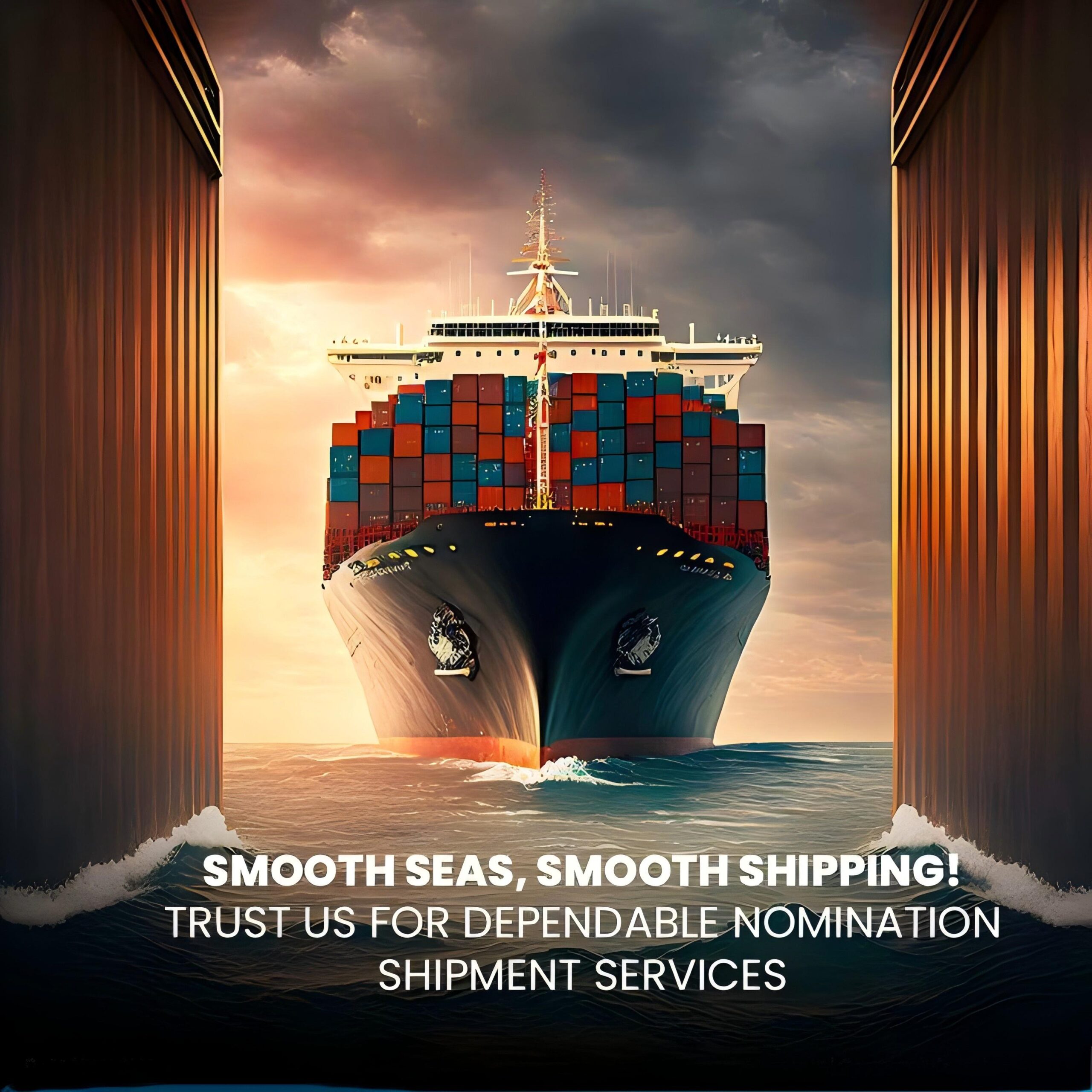
FCL Shipping for Auto Parts from China to California: The Ultimate Guide
Managing international logistics requires a strategic approach to ensure efficiency and cost savings. For businesses importing automotive components, utilizing FCL shipping for auto parts from China to California provides the necessary security and volume capacity. Visit Top China Freight to discover how professional logistics management can streamline your entire import process from start to finish.

Why Choose FCL Shipping for Auto Parts from China to California?
Selecting the right transportation method is vital for maintaining a healthy supply chain. FCL shipping for auto parts from China to California offers the most secure and cost-effective solution for large volume importers.
Moreover, having a dedicated container reduces the risk of damage during transit. Consequently, businesses can ensure their fragile automotive components arrive in pristine condition.
Furthermore, utilizing sea freight services allows for better inventory management. Therefore, companies can plan their production cycles with greater accuracy.
Additionally, full containers are sealed at the origin and only opened at the destination. This practice significantly minimizes the chance of theft or tampering during the long voyage across the Pacific.
How Does FCL Compare to Other Shipping Options?
Comparing different logistics strategies is essential for finding the right balance between speed and cost. While air freight offers rapid delivery, the high expense often makes it prohibitive for heavy metal parts.
In contrast, sea freight remains the industry standard for bulk shipments. For instance, shipping a full container is often cheaper per unit than using Less than Container Load (LCL) services for large volumes.
Indeed, once your cargo exceeds 15 cubic meters, switching to a 20-foot container becomes financially advantageous. Nevertheless, you must consider the trade-offs regarding transit time and warehouse space.
| Shipping Method | Cost Range | Transit Time | Best For |
|---|---|---|---|
| FCL (20GP/40HQ) | $1,500 – $3,800 | 14 – 18 Days | High volume, heavy parts |
| LCL (Per CBM) | $50 – $120 | 20 – 25 Days | Small batches, samples |
| Air Freight | $5 – $12 per kg | 3 – 7 Days | Urgent repairs, electronics |
| Express Service | $8 – $15 per kg | 2 – 5 Days | Small parcels, documents |
Transit Times and Port Logistics for California Routes
Shipping from major Chinese hubs like Shanghai or Ningbo to the West Coast of the North America region is relatively fast. Typically, the ocean transit itself takes between 14 and 18 days.
However, you must also account for port congestion and truck availability at the Port of Los Angeles or Long Beach. These factors can add several days to the total door-to-door timeline.
Accordingly, booking your space at least two weeks in advance is highly recommended. This proactive approach helps avoid delays during peak seasons or equipment shortages.
Costs of FCL Shipping for Auto Parts from China to California
Understanding the cost structure is crucial for accurate budgeting and pricing. Freight rates fluctuate based on fuel surcharges, seasonal demand, and carrier capacity.
As a result, a 20GP container might cost $1,800 during the off-season but rise to $2,500 during the pre-holiday rush. Similarly, a 40HQ container offers more volume but comes at a higher price point.
Without a doubt, consolidating your orders into a single FCL shipment provides the lowest possible landed cost per item. Always request a detailed quote that includes origin and destination handling charges.
| Container Type | Average Rate (Q1 2025) | Capacity (CBM) | Max Weight (kg) |
|---|---|---|---|
| 20GP Container | $1,600 – $2,200 | 28 – 30 CBM | 18,000 – 21,000 |
| 40GP Container | $2,600 – $3,400 | 56 – 58 CBM | 22,000 – 26,000 |
| 40HQ Container | $2,900 – $3,800 | 68 – 70 CBM | 22,000 – 26,000 |
Essential Documentation and Customs Compliance
Navigating the legal requirements for importing automotive components is a complex task. You must ensure that all products comply with US Department of Transportation (DOT) standards.
Moreover, working with a professional customs brokerage service is essential for avoiding costly penalties. They will handle the filing of the ISF and other mandatory documents.
Consequently, having a clear Bill of Lading, Commercial Invoice, and Packing List is non-negotiable. In addition, certain parts may require specific certificates of origin to qualify for trade agreements.
Note: Freight rates are subject to change based on fuel costs, carrier capacity, and seasonal demand. Contact us for a current quote tailored to your specific shipment.
Real-World Case Studies for Auto Parts Shipments
Case Study 1: High-Volume Brake Pad Distribution. Route: Ningbo, China to Los Angeles, USA. Cargo: Brake pads and rotors, 28 CBM, 18,000 kg. Container: 40HQ. Shipping Details: Carrier: COSCO, Port of Loading: Ningbo, Port of Discharge: Los Angeles, Route Type: Direct. Cost Breakdown: Ocean Freight: $3,200, Origin Charges: $450, Destination Charges: $600, Customs and Duties: $1,200, Total Landed Cost: $5,450. Timeline: Booking to Loading: 4 days, Sea Transit: 16 days, Customs Clearance: 3 days, Total Door-to-Door: 23 days. Key Insight: Direct routing saved five days compared to transshipment options.
Case Study 2: Engine Component Import. Route: Shanghai, China to Long Beach, USA. Cargo: Aluminum engine blocks, 22 CBM, 15,000 kg. Container: 20GP. Shipping Details: Carrier: Maersk, Port of Loading: Shanghai, Port of Discharge: Long Beach, Route Type: Direct. Cost Breakdown: Ocean Freight: $1,900, Origin Charges: $400, Destination Charges: $550, Customs and Duties: $950, Total Landed Cost: $3,800. Timeline: Booking to Loading: 5 days, Sea Transit: 15 days, Customs Clearance: 2 days, Total Door-to-Door: 22 days. Key Insight: Using a 20GP was more economical than LCL for this specific volume.
Which Shipping Option Should You Choose?
Deciding on the best logistics path depends on several critical factors. If your priority is budget and you have high volume, FCL is the undisputed winner.
On the other hand, if you are testing a new product line with low volume, LCL might be the better starting point. Speed-sensitive orders should always be routed via air freight despite the higher costs.
Furthermore, considering a door to door service can simplify your operations. This comprehensive solution covers everything from the factory floor in China to your warehouse in California.

Final Thoughts on California Auto Part Imports
In summary, managing FCL shipping for auto parts from China to California requires careful planning and attention to detail. By understanding the costs, transit times, and documentation needs, you can maintain a competitive edge.
Therefore, partnering with an experienced freight forwarder is the best way to navigate market fluctuations and port complexities. Start optimizing your automotive logistics today for long-term business success.
Ready to streamline your logistics?
Streamline your supply chain today by choosing the most reliable FCL shipping for auto parts from China to California. Contact Top China Freight for a personalized quote and expert guidance on your next shipment. Visit our website to get started.
Request Quote