


Flat Rack FCL Transit Time for Solar Panels from China to Sweden: A Guide
Global demand for renewable energy solutions continues to surge as countries strive for carbon neutrality. Consequently, understanding the Flat Rack FCL transit time for solar panels from China to Sweden has become a priority for European distributors. Navigating the complexities of oversized cargo requires expertise and strategic planning to avoid costly delays. Visit Top China Freight to streamline your international logistics and secure reliable shipping schedules today.

What is Flat Rack FCL and Why Use it for Solar Panels?
Flat rack containers are specialized shipping units designed for cargo that exceeds the dimensions of standard containers. These units lack side walls and a roof, which allows for the loading of oversized solar panel mounting structures or large-scale photovoltaic equipment. Furthermore, the Flat Rack FCL transit time for solar panels from China to Sweden depends heavily on the efficiency of the loading process and the availability of specialized equipment at the port.
Importers often choose flat racks when their cargo is too wide or too tall for a standard 40HQ container. Additionally, the collapsible ends of these racks provide flexibility for securing heavy machinery and industrial-grade solar components. However, this method requires meticulous cargo handling and specialized lashing to ensure safety during the long sea voyage.
Moreover, choosing a Full Container Load (FCL) ensures that your dedicated flat rack is not shared with other shippers. This reduces the risk of damage and simplifies the logistics chain. Indeed, most large-scale solar projects in Northern Europe rely on this method for their initial infrastructure deployment.
Average Flat Rack FCL Transit Time for Solar Panels from China to Sweden
Typically, the sea transit from major Chinese ports like Shanghai or Ningbo to Gothenburg, Sweden, ranges between 35 and 45 days. This duration includes the time spent on the water as well as scheduled transshipments in major hubs like Singapore or Rotterdam. Nevertheless, factors such as weather conditions and port congestion can influence the total Flat Rack FCL transit time for solar panels from China to Sweden.
Direct routes are often preferred for time-sensitive projects, although they may come at a premium. For instance, shipping from Shenzhen to the Port of Helsingborg might take slightly less time than routes originating from Northern China. Utilizing professional sea freight services helps in securing the fastest possible vessel schedules.
Additionally, the time required for booking and equipment pick-up should be considered. Usually, you should allow 7 to 10 days for the pre-carriage phase before the vessel departs. Consequently, the total door-to-door timeline often spans 50 to 60 days depending on the final destination within Sweden.
| Origin Port | Destination Port | Average Transit Time | Service Type |
|---|---|---|---|
| Shanghai | Gothenburg | 38-42 Days | Direct/Transship |
| Ningbo | Stockholm | 40-45 Days | Transshipment |
| Shenzhen | Helsingborg | 35-40 Days | Direct |
| Qingdao | Gothenburg | 42-48 Days | Transshipment |
Factors Influencing Flat Rack FCL Transit Time for Solar Panels from China to Sweden
Seasonal fluctuations play a significant role in determining shipping speed and reliability. For example, during the peak season from August to October, port congestion in China can add several days to the departure schedule. Meanwhile, winter weather in the North Sea may slow down vessels approaching Swedish ports.
Customs procedures and documentation accuracy are also critical variables. If the paperwork for your solar panels is incomplete, the cargo may be held at the port of discharge, extending the Flat Rack FCL transit time for solar panels from China to Sweden. Therefore, working with experienced agents is vital for a smooth transition through Swedish customs.
Furthermore, the choice of carrier affects the frequency of sailings and the reliability of the arrival dates. Major carriers like Maersk or COSCO offer more frequent departures, which provides more options if a specific vessel is delayed. In contrast, smaller carriers might offer lower rates but less flexibility in their schedules.
How Does Flat Rack FCL Compare to Other Shipping Options?
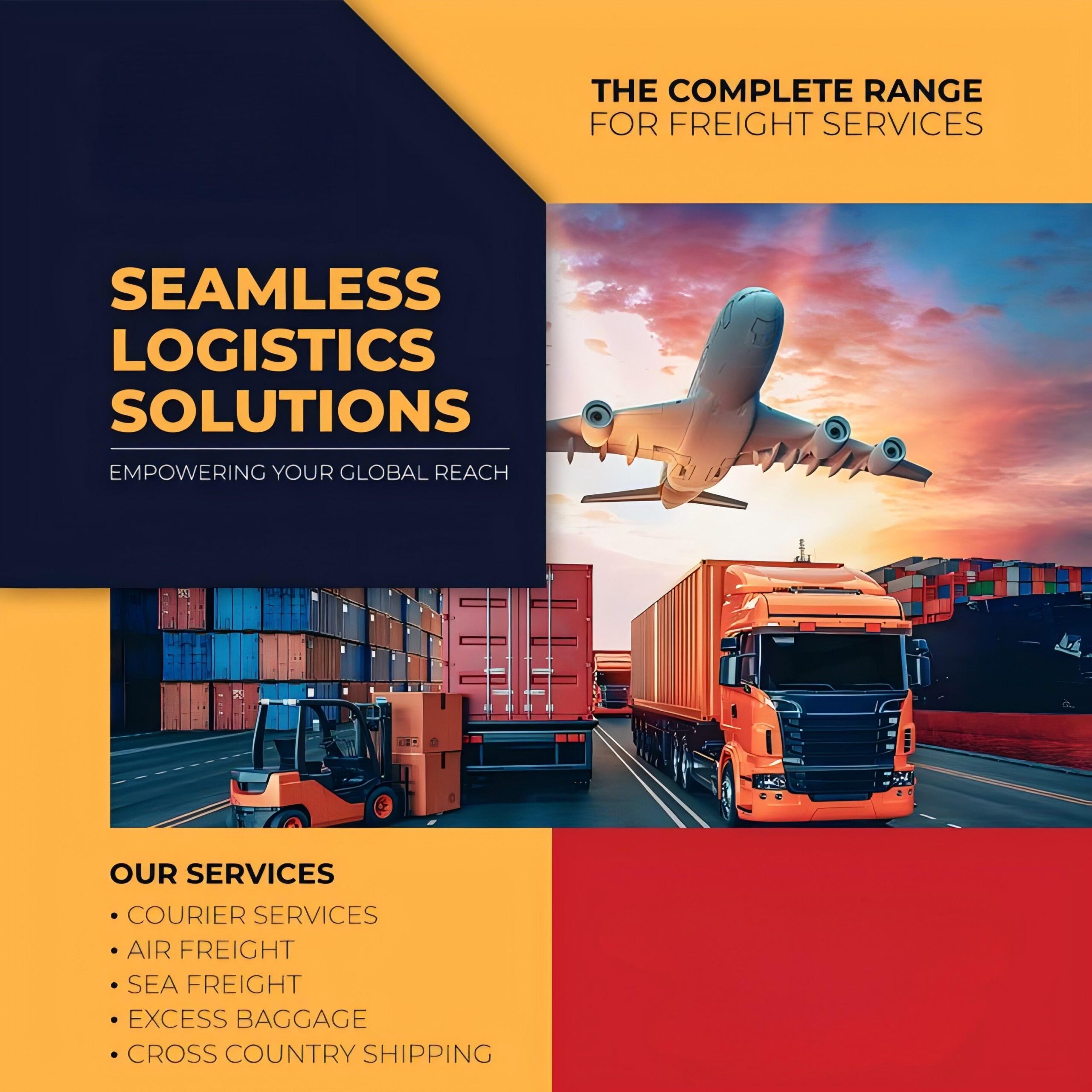
While flat racks are ideal for oversized items, other methods might be more suitable for standard-sized solar panels. For example, rail freight offers a faster alternative for shipments that fit within standard container dimensions. However, rail routes do not accommodate the specialized open-top or flat-rack configurations required for very large equipment.
Air freight is the fastest option but is generally cost-prohibitive for heavy solar panels. It is typically reserved for urgent replacement parts or small-scale prototypes. On the other hand, sea freight remains the most economical choice for bulk shipments and oversized infrastructure components.
To summarize, the best shipping method depends on your specific balance of speed, cost, and cargo dimensions. Most large-scale developers prioritize cost-efficiency and volume capacity over rapid delivery, making sea freight the industry standard for the China-Sweden route.
| Shipping Method | Cost Range | Transit Time | Best For |
|---|---|---|---|
| Flat Rack FCL | $3,500 – $6,000 | 35-45 Days | Oversized Cargo |
| Standard FCL | $2,500 – $4,500 | 32-40 Days | Bulk Solar Panels |
| Rail Freight | $4,500 – $7,000 | 18-24 Days | Urgent Mid-size |
| Air Freight | $15,000+ | 5-9 Days | Critical Parts |
Case Studies: Realistic Shipping Scenarios
Case Study 1: Large Scale Solar Farm Infrastructure Route: Shanghai to Gothenburg Cargo: Oversized solar mounting racks, 45 CBM Container: 40ft Flat Rack Shipping Details: – Carrier: Major carrier via Rotterdam – Ocean Freight: $4,850 – Total Door-to-Door: 48 days Key Insight: Early booking during the off-peak season saved the client 15% on freight costs.
Case Study 2: Specialized Solar Inverters for Swedish Utility Route: Shenzhen to Helsingborg Cargo: Heavy-duty inverters, 22,000 kg Container: 20ft Flat Rack Shipping Details: – Service: door to door – Ocean Freight: $3,200 – Total Door-to-Door: 41 days Key Insight: Utilizing a direct service minimized the risk of damage during transshipment.
Note: Freight rates are subject to change based on fuel costs, carrier capacity, and seasonal demand. Contact us for a current quote tailored to your specific shipment.
Customs and Documentation for Swedish Imports
Importing solar panels into Sweden requires strict adherence to European Union regulations. You must provide a Commercial Invoice, a detailed Packing List, and a Bill of Lading. Additionally, a Certificate of Origin may be required to qualify for specific trade agreements or to verify compliance with anti-dumping regulations.
Swedish customs also require an EORI number for all commercial importers. Without this identification, your shipment will be delayed at the border, significantly impacting the Flat Rack FCL transit time for solar panels from China to Sweden. Consequently, it is highly recommended to engage a professional customs brokerage to manage these legal requirements.
Moreover, solar panels are often subject to specific environmental and safety standards in the EU. Ensuring that your Chinese supplier provides the necessary CE marking and technical documentation will prevent issues during the inspection phase. Indeed, proactive compliance is the best way to ensure a predictable delivery schedule.

Which Option Should You Choose? Decision Framework
Choosing the right logistics strategy depends on your project’s specific constraints. If your primary goal is budget optimization, sea freight FCL is the most logical choice. However, if you are facing a strict deadline for a government-funded project, you might consider splitting the shipment between sea and rail.
When dealing with oversized cargo that cannot be dismantled, the Flat Rack FCL transit time for solar panels from China to Sweden is an unavoidable part of the planning process. In these cases, focus on selecting a carrier with a proven track record of handling heavy equipment. Furthermore, ensure that your insurance coverage specifically includes the unique risks associated with open-top and flat-rack shipping.
For shipments destined for inland regions of Sweden, consider the total landed cost including road transport from the port. Sometimes, shipping to a smaller port closer to the site is more efficient than using the main hub in Gothenburg. Visit our page on shipping to Europe for more localized insights.
Final Thoughts on Shipping Solar Panels to Sweden
Successfully managing the Flat Rack FCL transit time for solar panels from China to Sweden is a balance of preparation and execution. By understanding the average timelines, choosing the right port of loading, and preparing your documentation early, you can significantly reduce the risk of delays. Transitioning to renewable energy is a long-term investment, and a stable supply chain is the foundation of that success.
Whether you are shipping a single flat rack or a large fleet of containers, Top China Freight is here to support your growth. Our comprehensive sea and rail solutions are designed to meet the unique needs of the solar industry. Start your journey toward efficient logistics today by partnering with the experts in China-Sweden trade.
Ready to streamline your logistics?
Planning a renewable energy project requires a logistics partner you can trust. Our team specializes in managing complex Flat Rack FCL transit time for solar panels from China to Sweden to ensure your cargo arrives safely and on schedule. Contact Top China Freight today for a customized quote and expert guidance on your next shipment. Visit our website or send an inquiry to get started with our professional freight services.
Request Quote