

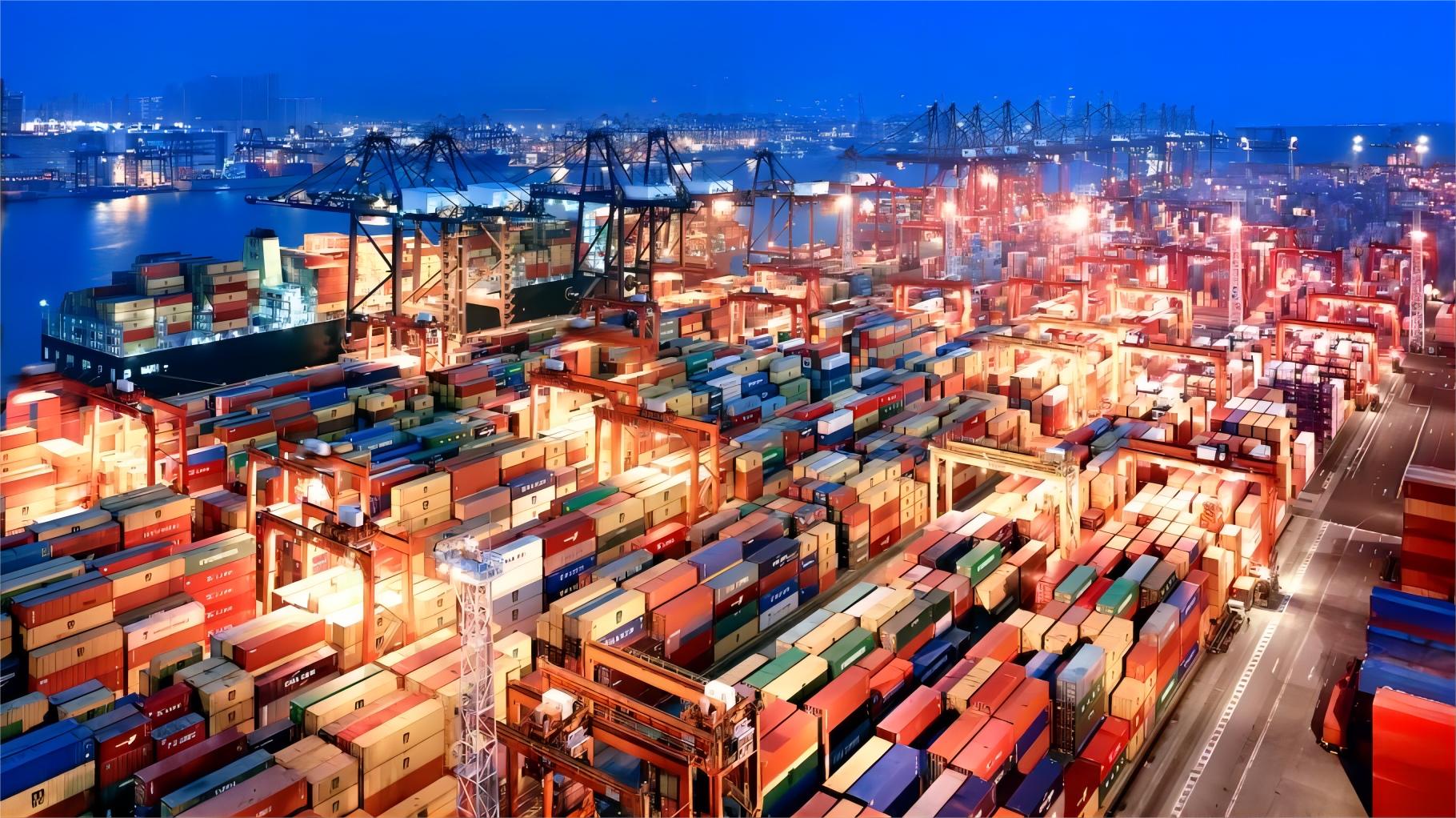
40GP FCL shipping cost for auto parts from China to Houston
Navigating the complexities of international logistics is essential for businesses importing vehicle components to the United States. Finding the most competitive 40GP FCL shipping cost for auto parts from China to Houston requires a deep understanding of current market trends and port operations. This guide provides a comprehensive breakdown of expenses, timelines, and strategic alternatives for your supply chain. Consequently, importers can make informed decisions to optimize their shipping budgets while ensuring timely delivery to the Texas market.
What Determines the 40GP FCL Shipping Cost for Auto Parts from China to Houston?
Several variables influence the final price you pay for ocean transport between these two major trade hubs. Primarily, fuel surcharges and carrier capacity fluctuations play a significant role in monthly rate adjustments. Moreover, the weight of auto parts, which are often dense and heavy, can impact the choice of container equipment and haulage fees.

Seasonal demand spikes, particularly during the months leading up to the holidays or after the Lunar New Year, often lead to higher freight rates. Additionally, port congestion at either the loading port in China or the Port of Houston can introduce unexpected surcharges. Understanding these factors allows businesses to plan their procurement cycles more effectively and avoid peak pricing periods.
Local charges at the origin and destination also contribute to the total landed cost of your shipment. These include terminal handling charges, documentation fees, and security filings required by maritime authorities. Indeed, a transparent breakdown of these costs is vital for accurate financial forecasting.

Current Market Rates for 40GP FCL Shipping in 2025
As of early 2025, freight rates for the China-to-Houston route have shown moderate stability compared to previous years. However, geopolitical events and global trade shifts continue to exert pressure on transpacific shipping lanes. Typically, a 40GP container offers the best value for high-volume auto part shipments due to its large capacity.
Using sea freight remains the most economical method for transporting heavy components like engines, transmissions, and body panels. While 40HQ containers are often preferred for lighter, bulky items, the standard 40GP is ideal for heavy metal parts. Below is a look at the estimated costs based on major Chinese loading ports.
Note: Freight rates are subject to change based on fuel costs, carrier capacity, and seasonal demand. Contact us for a current quote tailored to your specific shipment.
| Origin Port | Container Type | Estimated Cost | Transit Time |
|---|---|---|---|
| Shanghai | 40GP FCL | $4,200 – $5,500 | 32-38 Days |
| Shenzhen | 40GP FCL | $4,000 – $5,300 | 30-35 Days |
| Ningbo | 40GP FCL | $4,150 – $5,450 | 32-38 Days |
| Qingdao | 40GP FCL | $4,300 – $5,600 | 35-40 Days |
How Does 40GP FCL Compare to Other Shipping Options?
When planning your logistics strategy, it is crucial to evaluate whether a full container load is the most efficient choice for your specific cargo volume. For instance, smaller shipments might benefit from Less than Container Load (LCL) services, although this involves more handling. On the other hand, urgent orders may necessitate faster transport modes despite the higher expense.
For shipments destined for North America, the choice between the West Coast and Gulf Coast ports like Houston affects both cost and speed. While shipping to Los Angeles and trucking to Houston is an option, direct water service to Houston often reduces inland transit risks. Consequently, importers must weigh the trade-offs between speed and cost-efficiency.
The following table provides an objective analysis of viable alternatives for the China to Houston route.
| Shipping Method | Cost Range | Transit Time | Best For |
|---|---|---|---|
| 40GP FCL | $4,000 – $5,600 | 30-40 Days | Bulk Auto Parts |
| LCL Sea | $150 – $250/CBM | 35-45 Days | Small Batches |
| Air Freight | $5.50 – $9.00/kg | 5-8 Days | Urgent Repairs |
| Sea-Air Hybrid | Moderate | 15-20 Days | Balanced Needs |
Transit Time and Route Considerations for Houston Delivery
Shipping to Houston typically involves transit through the Panama Canal, which can occasionally experience delays due to water levels or traffic. Alternatively, some carriers may use the Suez Canal route or transshipment points in the Caribbean. Therefore, it is important to track your shipment’s progress through a reliable logistics partner.
Direct services from major Chinese ports to the Port of Houston are available but may have fewer weekly sailings than West Coast routes. Meanwhile, the inland infrastructure in Texas allows for efficient distribution once the container is discharged. This makes Houston an ideal gateway for auto parts destined for the southern United States and Mexico.
Transit times can also be affected by weather conditions in the Pacific or Gulf of Mexico. Furthermore, port labor negotiations or equipment shortages can lead to temporary bottlenecks. To mitigate these risks, we recommend booking your 40GP container at least 3-4 weeks in advance.
Customs Brokerage and Compliance for Auto Parts
Importing auto parts into the United States requires strict adherence to Customs and Border Protection (CBP) regulations. Utilizing a professional customs brokerage service ensures that your HTS codes are correctly applied to avoid fines. Furthermore, many auto parts are subject to specific safety standards and environmental regulations.
Documentation such as the Bill of Lading, Commercial Invoice, and Packing List must be meticulously prepared. In addition, certain components may require an EPA or DOT declaration form. Failure to provide accurate paperwork can result in costly storage fees at the Houston terminal.
Market data suggests that clear documentation reduces the likelihood of intensive customs examinations. Consequently, working with experts who understand the nuances of automotive logistics can save significant time and money. Professional brokers also help in identifying potential duty drawbacks or trade agreement benefits.
Which Option Should You Choose? A Decision Framework
Choosing the right shipping method depends on your inventory requirements and budget constraints. If your priority is the lowest possible 40GP FCL shipping cost for auto parts from China to Houston, direct sea freight is the winner. However, if you are facing a production line shutdown, the speed of air freight justifies the premium price.
For cargo volumes between 15 and 25 CBM, you might find that a 20GP container is more suitable than a 40GP. Nevertheless, for volumes exceeding 30 CBM, the 40GP usually offers a better price-per-unit ratio. Additionally, consider the nature of the parts; fragile electronics may require different handling than cast iron engine blocks.
Hybrid solutions like sea-air combinations can offer a middle ground for shipments that are too heavy for air but too urgent for sea. Without a doubt, evaluating your lead times against your storage costs will help determine the most profitable strategy. Always consult with your freight forwarder to explore current vessel space availability.
Case Studies: China to Houston Shipping Success
Real-world examples illustrate how different strategies impact the final delivery of auto parts. These cases reflect typical scenarios encountered by our clients during the 2024-2025 period. By analyzing these outcomes, you can better prepare for your own logistics journey.
Case Study 1: Large Scale Engine Component Import Route: Shanghai to Houston Cargo: Engine blocks and cylinder heads, 55 CBM, 18,000 kg Container: 40GP FCL Shipping Details: – Carrier: COSCO – Port of Loading: Shanghai – Port of Discharge: Houston – Route Type: Direct via Panama Canal Cost Breakdown: – Ocean Freight: $4,850 – Origin Charges: $420 – Destination Charges: $550 – Customs & Duties: $1,200 – Total Landed Cost: $7,020 Timeline: – Booking to Loading: 5 days – Sea Transit: 34 days – Customs Clearance: 3 days – Total Door-to-Door: 42 days Key Insight: Early booking during the off-peak season saved the client approximately 15% on ocean freight costs.
Case Study 2: Urgent Suspension Kit Distribution Route: Shenzhen to Houston Cargo: Shock absorbers and struts, 48 CBM, 12,500 kg Container: 40GP FCL Shipping Details: – Carrier: MSC – Port of Loading: Yantian (Shenzhen) – Port of Discharge: Houston – Route Type: Transshipment via Panama Cost Breakdown: – Ocean Freight: $5,100 – Origin Charges: $380 – Destination Charges: $600 – Customs & Duties: $950 – Total Landed Cost: $7,030 Timeline: – Booking to Loading: 7 days – Sea Transit: 38 days – Customs Clearance: 2 days – Total Door-to-Door: 47 days Key Insight: Utilizing a transshipment route allowed the client to secure space during a period of high direct-service demand.
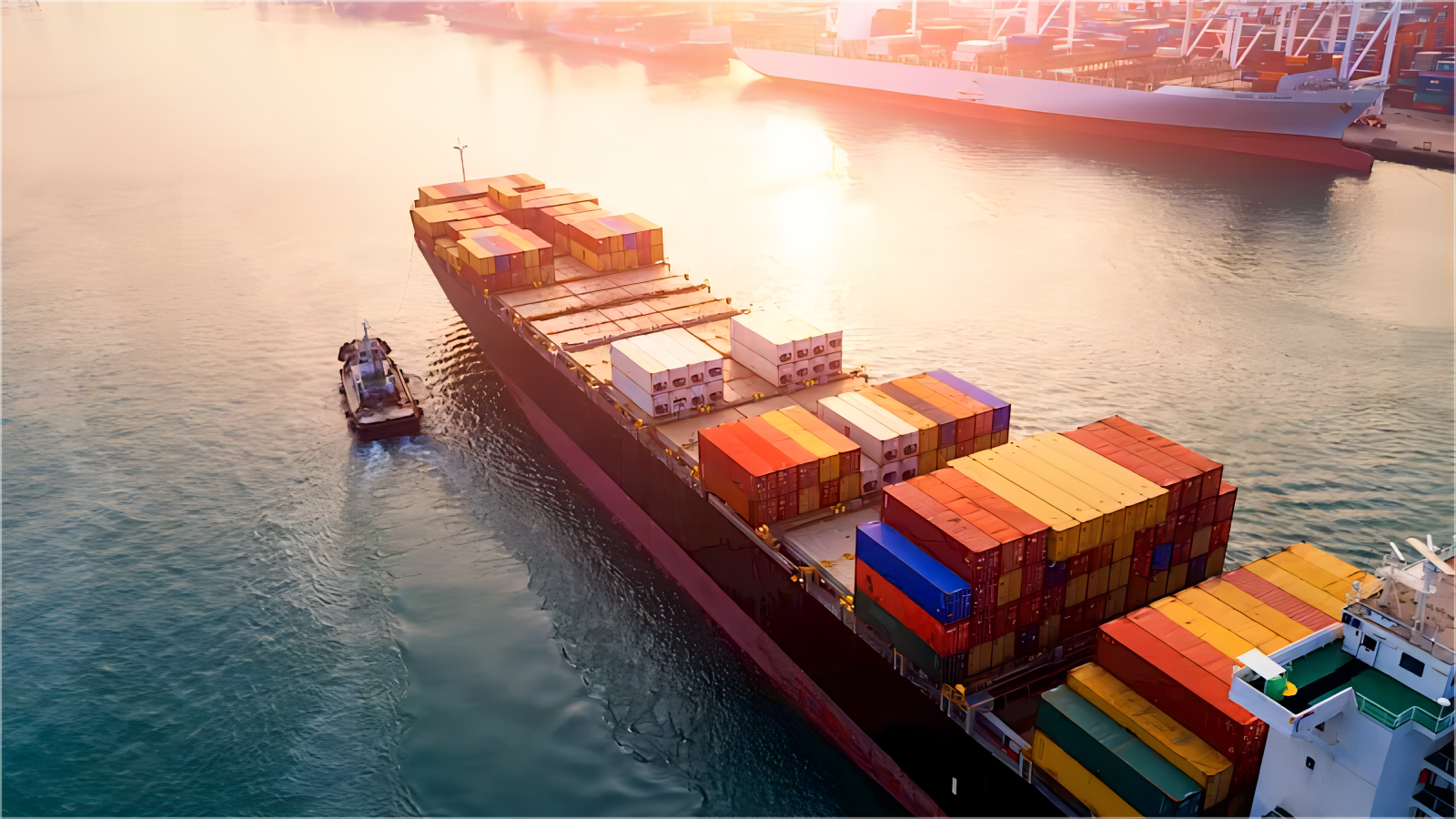
Strategies for Reducing Your Shipping Expenses
To minimize your 40GP FCL shipping cost for auto parts from China to Houston, consider consolidating shipments from multiple suppliers into a single container. This reduces the per-unit cost of documentation and terminal fees. Moreover, optimizing your packaging can maximize the use of the 40GP’s internal volume.
Negotiating long-term contracts with freight forwarders can provide rate stability in a volatile market. Additionally, choosing a door to door service often simplifies the billing process and reveals hidden costs upfront. For example, inland drayage in Houston can be expensive if not pre-arranged at a competitive rate.
Implementing a ‘Just-in-Case’ instead of ‘Just-in-Time’ inventory model can allow for longer transit times and lower freight costs. Furthermore, staying informed about trade policy changes helps you anticipate shifts in duties or tariffs. Indeed, proactive planning is the most effective tool for cost control in international trade.
Summary of Shipping Auto Parts to Houston
In conclusion, managing the 40GP FCL shipping cost for auto parts from China to Houston requires a balance of timing, route selection, and regulatory compliance. By understanding the factors that drive freight rates and utilizing professional services, you can significantly enhance your bottom line.
Whether you choose direct sea freight or explore alternative strategies, the key to success lies in detailed planning and clear communication with your logistics partners. As the market evolves in 2025, staying adaptable will ensure your auto parts reach the Houston market efficiently and affordably.
Ready to streamline your logistics?
Ready to optimize your supply chain and reduce your 40GP FCL shipping cost for auto parts from China to Houston? Contact Top China Freight today for a personalized quote and expert logistics advice. Visit https://Top China Freight.com/ to get started. Send Inquiry:
Request Quote