40HQ FCL Best Route for Auto Parts from China to Denmark
Navigating the 40HQ FCL best route for auto parts from China to Denmark requires a deep understanding of maritime logistics and European import regulations. At Top China Freight, we help businesses streamline their supply chains through efficient container management and strategic route planning. Shipping automotive components demands precision, especially when utilizing high-cube containers to maximize volume and minimize unit costs. Consequently, choosing the right carrier and port of departure can significantly impact your bottom line and delivery schedule.

What is the 40HQ FCL Best Route for Auto Parts from China to Denmark?
Identifying the most efficient path for your cargo is essential for maintaining a competitive edge in the automotive industry. Most shipments of this nature originate from major industrial hubs like Shanghai, Ningbo, or Shenzhen, where sea freight services are most frequent. These ports offer direct access to major shipping lanes that transit through the Suez Canal, heading toward Northern European hubs.
Specifically, the best route typically involves a direct maritime service from East China to the Port of Aarhus or the Port of Copenhagen. This path ensures that auto parts, which are often heavy and high-volume, remain secure within a 40 foot high cube container. Furthermore, selecting a direct route reduces the risks associated with transshipment, such as cargo handling damage or port delays.
Moreover, the 40HQ container is particularly advantageous for auto parts because of its extra foot of height compared to standard containers. This additional space allows for the stacking of larger components like engine blocks or exhaust systems. Consequently, importers can achieve a better cost-per-unit ratio by maximizing the internal volume of the FCL shipment.
How Does 40HQ FCL Compare to Other Shipping Options?
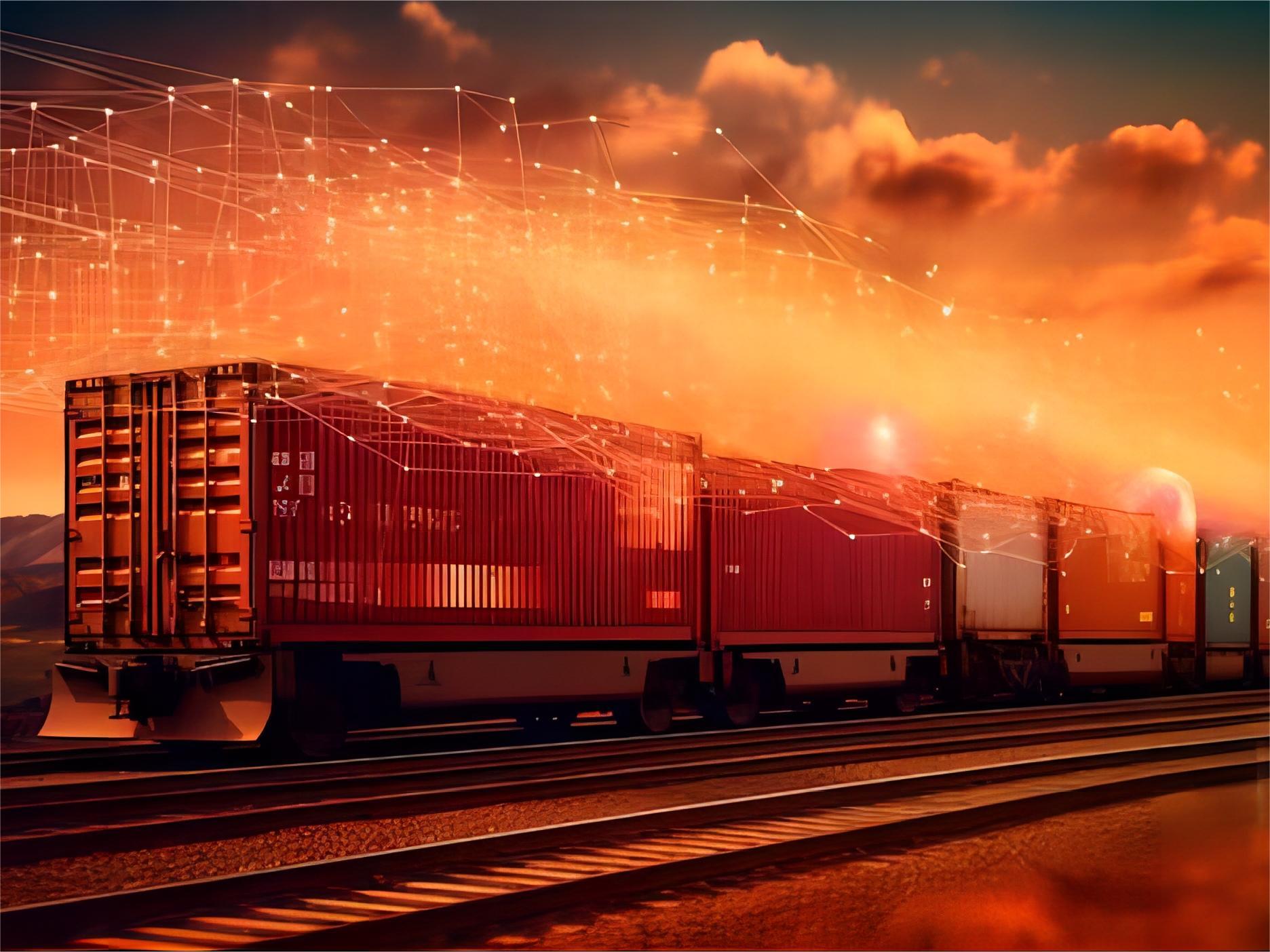
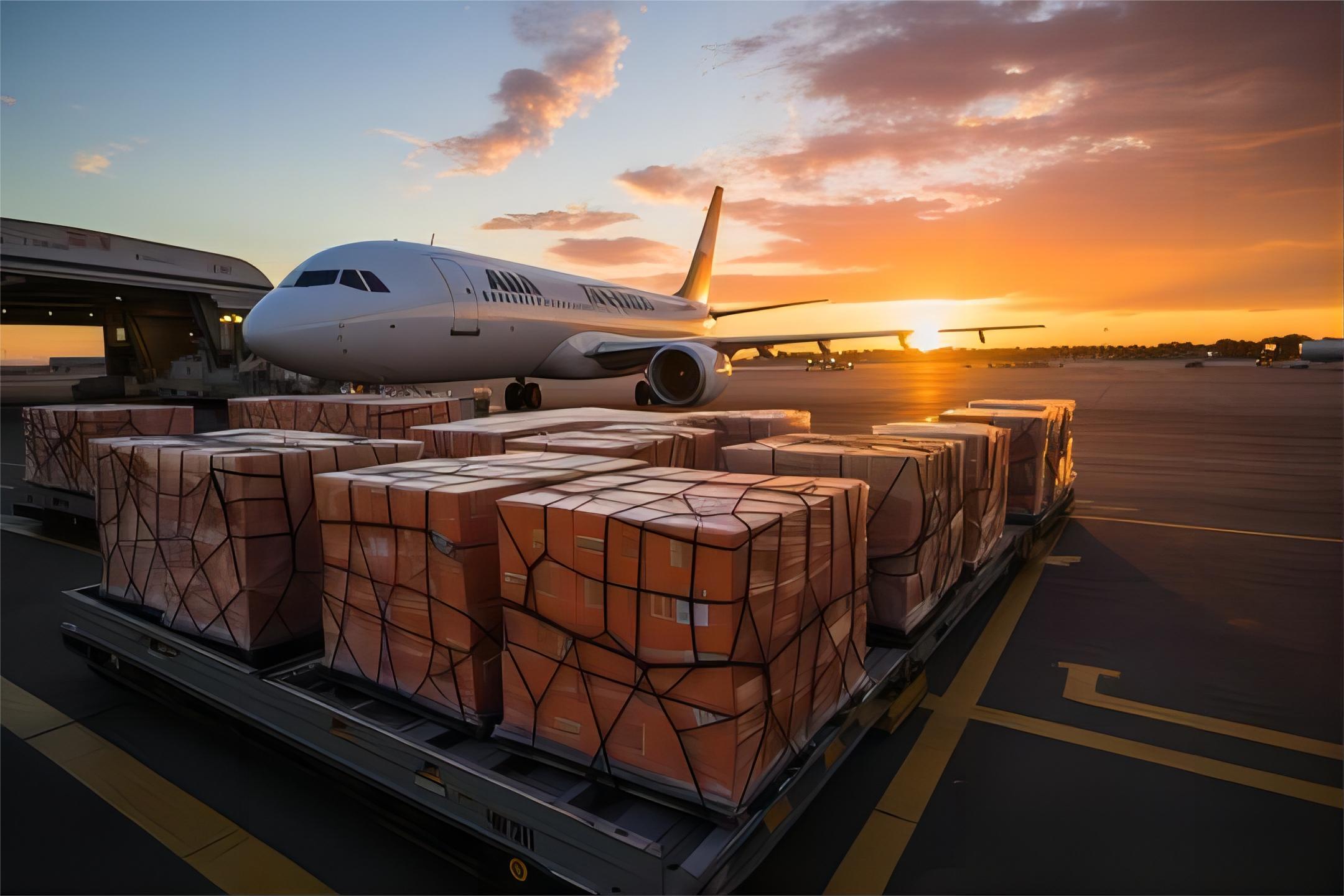
Evaluating different transport modes is a critical step in optimizing your international supply chain. While 40HQ FCL is the industry standard for bulk auto parts, other methods like rail freight or air transport might be suitable for specific scenarios. For instance, urgent replacement parts might require the speed of air freight despite the significantly higher costs involved.
In contrast, rail freight offers a middle ground between sea and air, providing faster transit times than ocean vessels at a lower price point than planes. However, the capacity of rail containers is often more limited, and the route through Central Asia can be subject to geopolitical fluctuations. Therefore, sea freight remains the most reliable and cost-effective method for large-scale automotive distribution.
Additionally, the choice between FCL and LCL depends largely on your total cargo volume. If you have enough parts to fill at least 70 percent of a 40HQ container, FCL is almost always the more economical choice. It provides better security since the container is sealed at the origin and only opened at the destination in Denmark.
| Shipping Method | Cost Range (40HQ) | Transit Time | Best For |
|---|---|---|---|
| Sea Freight (FCL) | $3,200 – $4,500 | 32 – 45 Days | Bulk Auto Parts |
| Rail Freight | $5,500 – $7,500 | 18 – 24 Days | Medium Urgency |
| Air Freight | $15,000+ | 5 – 8 Days | Emergency Repairs |
| Sea-Air Hybrid | $8,000 – $10,000 | 12 – 18 Days | Balanced Priority |
Key Ports of Loading in China for Danish Shipments
Selecting the right departure port in China depends on where your manufacturers are located. For auto parts produced in the Yangtze River Delta, Shanghai and Ningbo are the premier choices due to their massive throughput and frequent sailing schedules. These ports manage a vast majority of the automotive exports destined for Europe.
On the other hand, if your suppliers are based in the Pearl River Delta, Shenzhen or Guangzhou would be more appropriate. These southern ports offer excellent connectivity and competitive freight rates for 40HQ containers. Meanwhile, northern ports like Qingdao are ideal for parts manufactured in the Shandong province, though they may have slightly longer transit times to Denmark.
Indeed, the logistics infrastructure at these major ports ensures that cargo handling is performed with high efficiency. Modern cranes and automated tracking systems allow for precise monitoring of your 40HQ FCL shipment. As a result, you can better predict arrival times and coordinate with your Danish distribution centers.

Major Ports of Discharge in Denmark for Auto Parts
Aarhus is the primary gateway for containerized cargo entering Denmark, handling over 60 percent of the country’s container traffic. Its deep-water berths are capable of receiving the world’s largest container ships, making it the focal point of the 40HQ FCL best route for auto parts from China to Denmark. The port’s proximity to major highways facilitates rapid inland transport.
Alternatively, the Port of Copenhagen serves as a vital hub for shipments destined for the eastern regions of the country and southern Sweden. While it handles fewer containers than Aarhus, it remains a strategic choice for specific supply chain configurations. Shippers should consider the final warehouse location when choosing between these two major ports.
Furthermore, Danish ports are known for their high level of automation and efficient customs processes. This efficiency minimizes the time containers spend on the dock, reducing potential storage fees. Consequently, the total landed cost of your auto parts remains manageable and predictable.
Customs Brokerage and Documentation for Automotive Imports
Navigating the legal requirements for importing auto parts into Denmark is a complex but necessary task. You must ensure that all shipments comply with EU regulations, which include specific safety and environmental standards. Utilizing a professional customs brokerage service can prevent costly delays and ensure your documentation is flawless.
Specifically, you will need a commercial invoice, a detailed packing list, and a Bill of Lading. For automotive components, a Certificate of Origin may also be required to determine the applicable duty rates. Moreover, ensure that the HS codes for each part are accurately declared to avoid penalties from the Danish Customs Agency.
Additionally, Denmark applies a Value Added Tax (VAT) on imported goods, which must be accounted for in your financial planning. Many importers use the reverse charge mechanism to manage VAT cash flow more effectively. Therefore, working with an experienced freight forwarder who understands the Danish tax landscape is highly beneficial.
| Document Name | Purpose | Issuer | Required For |
|---|---|---|---|
| Bill of Lading | Title of Goods | Carrier | All FCL Shipments |
| Commercial Invoice | Value Declaration | Exporter | Customs Valuation |
| Packing List | Cargo Details | Exporter | Inspection |
| HS Code List | Duty Classification | Importer | Tariff Calculation |
Cost Analysis for Shipping Auto Parts to Denmark
Understanding the various factors that influence shipping costs is vital for accurate budgeting. Freight rates for a 40HQ container from China to Europe can fluctuate based on seasonal demand, fuel surcharges, and carrier capacity. For instance, prices often spike during the peak season leading up to the Golden Week or the Lunar New Year.
In addition to the base ocean freight, you must account for local charges at both the origin and destination. These include Terminal Handling Charges (THC), documentation fees, and inland haulage costs. Specifically, the cost of trucking a 40HQ container from the Port of Aarhus to a local warehouse can vary depending on the distance and fuel prices.
Moreover, insurance is a non-negotiable expense when shipping high-value auto parts. While carriers provide basic liability, it is often insufficient to cover the full value of a container filled with engines or transmissions. Consequently, purchasing comprehensive cargo insurance is a wise investment to protect your capital against unforeseen events at sea.
Door to Door Solutions for Danish Importers
Many businesses prefer a door to door service to simplify their logistics operations. This comprehensive solution covers every step of the journey, from the factory floor in China to the final delivery at your facility in Denmark. By consolidating these services under a single provider, you reduce the administrative burden and improve communication.
Furthermore, a door-to-door approach allows for better synchronization of the supply chain. Your freight forwarder can coordinate the pickup, sea transit, customs clearance, and final mile delivery seamlessly. As a result, the risk of miscommunication between different logistics providers is virtually eliminated, ensuring a smoother flow of goods.
Indeed, this model is particularly effective for the 40HQ FCL best route for auto parts from China to Denmark. It provides end-to-end visibility, allowing you to track your shipment in real-time. Therefore, you can provide more accurate updates to your customers and better manage your inventory levels.
Which Option Should You Choose?
Deciding on the best shipping strategy requires a balance between cost, speed, and reliability. If your primary goal is cost reduction and you have a steady supply chain, the 40HQ FCL sea route is the undisputed winner. It offers the lowest cost per cubic meter and provides ample space for large automotive components.
On the other hand, if you are facing a production shortage and need parts urgently, rail freight might be the better alternative. While more expensive, the time savings can justify the additional cost by preventing assembly line shutdowns. Shippers must evaluate their specific needs for each shipment rather than relying on a one-size-fits-all approach.
Additionally, consider the nature of the auto parts themselves. Fragile or high-precision components might benefit from the reduced handling of an FCL shipment. Meanwhile, smaller, less critical items could be consolidated via LCL if you cannot fill a full container. Ultimately, the 40HQ FCL best route for auto parts from China to Denmark remains the backbone of the industry.
Real Case Studies: Shipping Auto Parts to Denmark
Case Study 1: Shanghai to Aarhus +———————————————————+ | Route: Shanghai, China to Aarhus, Denmark | Cargo: Transmission systems, 62 CBM, 21,000 kg | Container: 40HQ | | Shipping Details: | – Carrier: Maersk Line | – Port of Loading: Shanghai (Yangshan) | – Port of Discharge: Aarhus | – Route Type: Direct | | Cost Breakdown: | – Ocean Freight: $3,450 | – Origin Charges: $420 | – Destination Charges: $550 | – Total Landed Cost: $4,420 | | Timeline: | – Sea Transit: 34 days | – Total Door-to-Door: 42 days | | Key Insight: Direct sailing from Shanghai minimized handling risks for sensitive gears. +———————————————————+
Case Study 2: Ningbo to Copenhagen +———————————————————+ | Route: Ningbo, China to Copenhagen, Denmark | Cargo: Alloy wheels and suspension parts, 59 CBM, 15,000 kg | Container: 40HQ | | Shipping Details: | – Carrier: COSCO Shipping | – Port of Loading: Ningbo-Zhoushan | – Port of Discharge: Copenhagen | – Route Type: Transshipment via Rotterdam | | Cost Breakdown: | – Ocean Freight: $3,100 | – Origin Charges: $380 | – Destination Charges: $620 | – Total Landed Cost: $4,100 | | Timeline: | – Sea Transit: 39 days | – Total Door-to-Door: 48 days | | Key Insight: Choosing a transshipment route saved $350 but added 6 days to the schedule. +———————————————————+
Case Study 3: Shenzhen to Aarhus +———————————————————+ | Route: Shenzhen, China to Aarhus, Denmark | Cargo: Interior plastic components, 65 CBM, 8,000 kg | Container: 40HQ | | Shipping Details: | – Carrier: MSC | – Port of Loading: Shenzhen (Yantian) | – Port of Discharge: Aarhus | – Route Type: Direct | | Cost Breakdown: | – Ocean Freight: $3,700 | – Origin Charges: $450 | – Destination Charges: $580 | – Total Landed Cost: $4,730 | | Timeline: | – Sea Transit: 32 days | – Total Door-to-Door: 39 days | | Key Insight: High-volume, low-weight cargo maximized the 40HQ’s extra height efficiently. +———————————————————+
Summary of Shipping Excellence
Successfully managing the 40HQ FCL best route for auto parts from China to Denmark involves careful planning and the right logistics partner. By leveraging the volume of high-cube containers and choosing efficient ports like Aarhus, importers can significantly reduce their overhead. Moreover, staying informed about market trends and customs requirements ensures long-term success in the competitive automotive market.
As of Q1 2025, the shipping landscape has stabilized, offering predictable transit times and competitive rates for those who plan ahead. Whether you prioritize cost or speed, understanding your options is the first step toward a more resilient supply chain. Trust in expert logistics solutions to navigate the complexities of international trade with ease.
Ready to streamline your logistics?
Ready to optimize your automotive supply chain? Contact Top China Freight today for a customized quote on the 40HQ FCL best route for auto parts from China to Denmark and experience seamless international shipping. Visit https://Top China Freight.com/ for more details.
Request Quote