

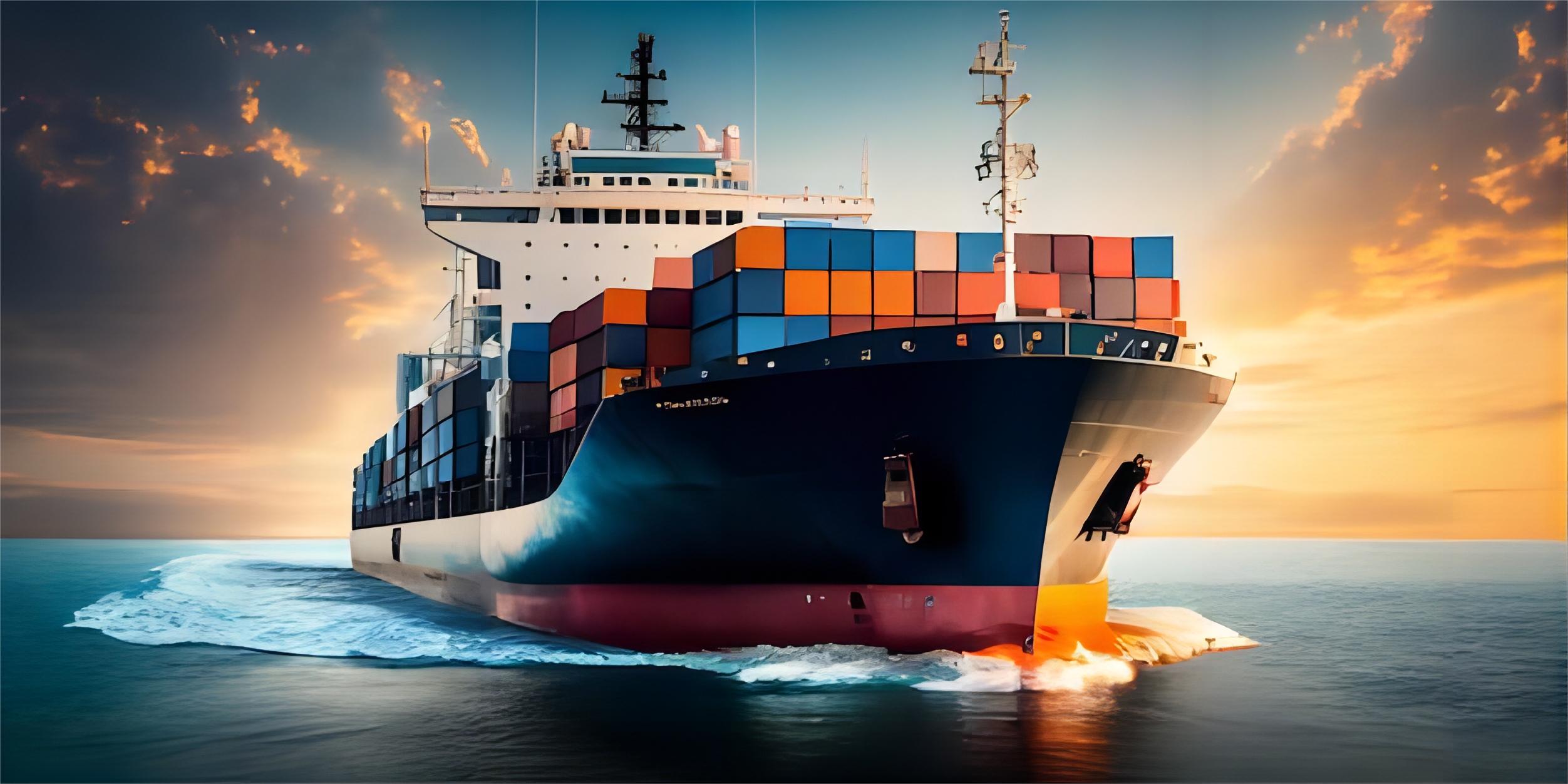
Reefer FCL Sailing Schedule for Machinery from China to California
Navigating the complexities of international logistics requires a reliable partner like Top China Freight to manage your specialized cargo. When you need a reefer FCL sailing schedule for machinery from China to California, understanding the timing and temperature control requirements is essential for protecting your investment. This guide provides comprehensive insights into optimizing your supply chain for high-precision equipment.
Understanding the Reefer FCL Sailing Schedule for Machinery from China to California
Managing a reefer FCL sailing schedule for machinery from China to California involves coordinating multiple moving parts across the Pacific. Consequently, businesses must stay updated on weekly departures from major hubs like Shanghai and Ningbo to ensure timely delivery. Furthermore, the specialized nature of refrigerated containers means that equipment availability can fluctuate based on seasonal demand.
Reliable carriers provide fixed-day weekly services that allow manufacturers to align their production cycles with vessel departures. However, unforeseen port congestion or weather events can occasionally disrupt these timelines. Therefore, maintaining a buffer in your logistics planning is a prudent strategy for high-value machinery imports.
Choosing a professional sea freight service ensures that your machinery receives the priority handling it requires. In addition, expert forwarders can help you navigate the specific requirements of refrigerated transport for non-perishable goods.
Why Temperature Control Matters for Heavy Equipment
Many importers wonder why they would need a refrigerated container for industrial machinery. Specifically, high-precision instruments and electronic components are highly sensitive to extreme humidity and temperature fluctuations found at sea. Accordingly, utilizing a reefer container provides a stable environment that prevents corrosion and calibration drift.
Moreover, the sealed nature of a reefer unit offers an extra layer of protection against salt air and moisture. Indeed, for shipments destined for North America, the long transit across the Pacific exposes cargo to varied climatic zones. Consequently, the investment in temperature control pays off by ensuring the machinery arrives in ready-to-use condition.
How Does Sea Freight Compare to Other Shipping Options?
Evaluating the reefer FCL sailing schedule for machinery from China to California requires a comparison with alternative transport modes. While sea freight is the most cost-effective for heavy loads, some urgent components might require different handling. Furthermore, the choice between FCL and LCL depends largely on your total cargo volume and sensitivity.
Specifically, air freight offers speed but comes at a significantly higher price point, which may not be sustainable for heavy industrial units. On the other hand, sea freight provides the necessary scale for large machinery while maintaining specialized container options. Therefore, most industrial importers prioritize the reliability of ocean schedules for their primary supply chain.
| Shipping Method | Cost Range (USD) | Transit Time | Best For |
|---|---|---|---|
| Reefer FCL (40HQ) | $4,500 – $7,200 | 15-22 Days | Sensitive Machinery |
| Standard FCL (40HQ) | $2,800 – $4,200 | 14-20 Days | Durable Equipment |
| Air Freight (500kg+) | $12,000 – $25,000 | 3-7 Days | Urgent Spare Parts |
| LCL Shipping | $150 – $300/CBM | 20-25 Days | Small Components |
Major Ports and Transit Times for Machinery Shipping
Selecting the right port of loading is the first step in securing an efficient reefer FCL sailing schedule for machinery from China to California. Shanghai and Shenzhen currently lead in terms of frequency and container availability for specialized equipment. Meanwhile, the Port of Long Beach and the Port of Los Angeles serve as the primary gateways into the California market.
Direct routes from East China to the West Coast typically offer the fastest transit times in the industry. Nevertheless, shippers should be aware that transshipment routes via Busan or Kaohsiung might offer lower rates at the expense of a few extra days. Consequently, the choice depends on whether your priority is speed or budget optimization.
| Origin Port (China) | Destination Port | Service Type | Transit Time |
|---|---|---|---|
| Shanghai | Long Beach | Direct Fast Boat | 12-14 Days |
| Ningbo | Los Angeles | Standard Direct | 16-18 Days |
| Shenzhen | Oakland | Direct Service | 18-21 Days |
| Qingdao | Long Beach | Transshipment | 22-25 Days |
Which Option Should You Choose for Your Machinery?
Determining the best logistics path involves analyzing your budget, timeline, and the specific needs of your cargo. If your machinery contains delicate sensors or electronic boards, a reefer FCL is undoubtedly the superior choice. Conversely, for robust steel components, a standard dry container might suffice to reduce costs.
Budget priorities often lead shippers toward slower, more economical sailing schedules. However, if your production line in California is waiting for the equipment, the faster premium services are worth the additional cost. In addition, you should consider a door to door service to simplify the entire process from the factory floor to the final installation site.
Case Studies: Successful Machinery Shipments
Real-world examples illustrate how a well-managed reefer FCL sailing schedule for machinery from China to California can prevent costly delays. Below are two scenarios based on typical 2024-2025 market conditions and logistics requirements.
Case Study 1: Precision CNC Machinery. Route: Shanghai to Long Beach. Cargo: 3 units of high-precision CNC machines, 28 CBM total. Container: 40HQ Reefer. Shipping Details: Direct carrier service with 14-day sea transit. Cost Breakdown: Ocean freight $5,800, Origin charges $450, Destination charges $600. Total Landed Cost: $6,850. Timeline: 22 days door-to-door. Key Insight: Temperature stability prevented moisture damage to the electronic control panels.
Case Study 2: Industrial Laboratory Equipment. Route: Ningbo to Oakland. Cargo: Scientific testing gear, 12 CBM. Container: 20GP Reefer. Shipping Details: Standard service with 19-day transit. Cost Breakdown: Ocean freight $3,900, Customs clearance $300, Trucking $800. Total Landed Cost: $5,000. Timeline: 28 days total. Key Insight: Booking 3 weeks in advance secured a spot during the peak Q3 season without premium surcharges.
Essential Documentation and Customs Compliance
Navigating the legal requirements is just as important as the physical transport of your machinery. Consequently, you must ensure that all commercial invoices, packing lists, and bills of lading accurately describe the technical specifications. Furthermore, utilizing a professional customs brokerage service can prevent expensive hold-ups at the California border.
Importers must also be aware of specific US regulations regarding wood packaging materials and ISF filings. Indeed, failing to file the Importer Security Filing 24 hours before loading can result in significant fines. Therefore, working with an experienced partner ensures that your reefer FCL sailing schedule for machinery from China to California remains on track through every regulatory checkpoint.
Factors Influencing the Reefer FCL Sailing Schedule for Machinery
Several external factors can impact the reliability of your shipping timeline throughout the year. For instance, the Lunar New Year in China often leads to a surge in demand and a shortage of reefer plugs on vessels. Additionally, seasonal weather patterns in the Pacific, such as typhoon season, may force carriers to adjust their routes.
Fuel surcharges and carrier capacity shifts also play a role in both pricing and schedule frequency. Nevertheless, many top-tier carriers now offer guaranteed loading programs for high-value cargo like machinery. Accordingly, paying a small premium can provide peace of mind and ensure your cargo doesn’t get rolled to the next departure.
Optimizing Your Machinery Logistics
In summary, managing a reefer FCL sailing schedule for machinery from China to California requires a blend of strategic planning and expert execution. By choosing the right container type and understanding port dynamics, you protect your high-value assets from environmental damage and delays. Furthermore, partnering with a knowledgeable freight forwarder simplifies the complex documentation and customs processes.
Whether you are shipping precision instruments or large industrial units, staying informed about market trends and schedule fluctuations is key. Ultimately, a proactive approach to your reefer FCL sailing schedule for machinery from China to California will ensure your equipment arrives safely and on time to support your business operations. Note: Freight rates and schedules are subject to change based on market conditions; always request a current quote for your specific shipment.
Ready to streamline your logistics?
Ready to secure your reefer FCL sailing schedule for machinery from China to California? Contact Top China Freight today for a customized quote and expert guidance on your specialized cargo needs. Visit our website to start your inquiry. Send Inquiry: https://Top China Freight.com/
Request Quote