

Detention Prevention for FCL Shipping from China to Netherlands
Managing international logistics requires a proactive approach to avoid unnecessary expenses that can erode your profit margins. Implementing effective detention prevention for FCL shipping from China to Netherlands is essential for businesses looking to streamline their operations and reduce overhead. By partnering with an experienced logistics provider like Top China Freight, you can navigate the complexities of international trade while ensuring your cargo reaches its destination without costly delays.
Understanding the Fundamentals of Detention and Demurrage
Demurrage and detention are often confused by importers, yet they represent distinct charges in the shipping industry. Specifically, demurrage refers to the fee charged when a container remains inside the terminal beyond the allotted free time. Conversely, detention fees apply when the container is outside the port and is not returned to the carrier within the agreed timeframe.
Choosing the right sea freight strategy is the first step in managing these potential costs. Consequently, businesses must understand the specific terms provided by their carriers to avoid unexpected financial penalties. Most carriers offer a standard free period, but this can vary significantly depending on the volume and the specific route.
Therefore, clear communication with your freight forwarder is vital to ensure all parties are aware of the deadlines. Moreover, identifying the root causes of delays, such as congested terminals or slow documentation processing, allows for better planning. Indeed, a thorough understanding of these terms is the cornerstone of any successful logistics operation.
How Does FCL Shipping Compare to Other Shipping Options?
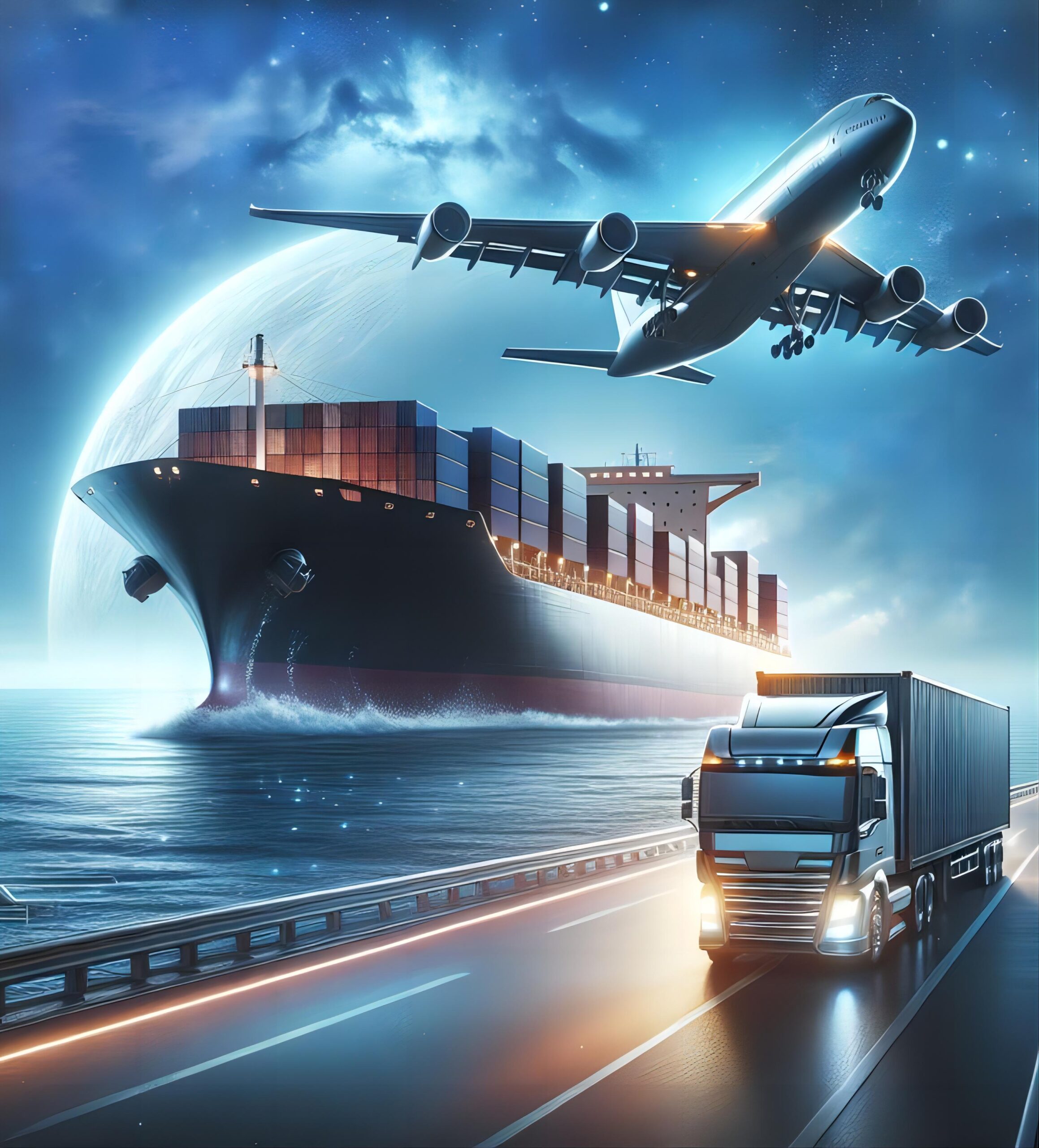
Evaluating different transport modes is necessary when planning your shipment to Europe. While Full Container Load (FCL) shipping is often the most cost-effective for large volumes, other methods might suit different business needs. For example, Less than Container Load (LCL) is ideal for smaller shipments, though it often involves more complex handling at the port.
Additionally, rail freight offers a middle ground between sea and air transport in terms of speed and cost. This method has gained popularity for China-Europe routes due to its reliability and shorter transit times compared to ocean freight. However, FCL remains the preferred choice for high-volume importers who require maximum security and control over their cargo.
Market data suggests that ocean freight rates have stabilized in early 2025 after the disruptions of previous years. Nevertheless, shippers must remain vigilant about seasonal fluctuations and port capacity issues. Below is a comparison of the primary shipping methods available for the China to Netherlands route.
| Shipping Method | Cost Range | Transit Time | Best For |
|---|---|---|---|
| FCL Sea Freight | $2,500 – $4,200 | 30 – 40 Days | High volume cargo |
| LCL Sea Freight | $80 – $150 per CBM | 35 – 45 Days | Small shipments |
| Rail Freight | $4,000 – $6,000 | 18 – 22 Days | Mid-range urgency |
| Air Freight | $4.50 – $8.00 per kg | 5 – 8 Days | High value goods |
The Financial Impact of Container Detention Fees
Detention fees can accumulate rapidly, sometimes exceeding the original cost of the ocean freight itself. For instance, a daily charge of $100 to $200 per container can quickly become a significant burden if a fleet of containers is delayed. Consequently, detention prevention for FCL shipping from China to Netherlands is not just a logistical goal but a financial necessity.
Furthermore, these costs often arise from simple administrative errors or lack of coordination between the trucker and the warehouse. As a result, shippers must implement rigorous tracking systems to monitor the status of every container in real-time. In addition, having a contingency plan for warehouse overflow can prevent containers from sitting idle on chassis.
Note: Freight rates and associated fees are subject to change based on fuel costs, carrier capacity, and seasonal demand. Contact us for a current quote tailored to your specific shipment.
Strategic Approaches to Detention Prevention
Negotiating extended free time with your carrier is one of the most effective ways to mitigate the risk of detention. Specifically, many carriers are willing to offer 14 to 21 days of free time for high-volume shippers. Therefore, you should always discuss these terms during the booking phase to provide a buffer for potential delays.
Utilizing professional customs brokerage services can also significantly reduce the time a container spends at the destination. Moreover, experienced brokers ensure that all paperwork is filed correctly and in advance, preventing the customs holds that often lead to detention. Indeed, documentation accuracy is a critical component of any prevention strategy.
Another effective tactic is the use of ‘pre-pulling,’ where the container is moved from the port to a secure yard near the final destination. Consequently, this frees up the port equipment and allows for more flexible delivery scheduling. Meanwhile, maintaining a strong relationship with local trucking companies ensures that your cargo is prioritized during peak periods.
Which Option Should You Choose for Your Business?
Selecting the right logistics strategy depends heavily on your specific business priorities and the nature of your goods. If your primary goal is budget optimization, FCL sea freight with negotiated extended free time is usually the best choice. On the other hand, if speed is your priority, rail or air freight may justify the higher costs.
Consider the volume thresholds when deciding between FCL and LCL shipping methods. For shipments exceeding 15 cubic meters, FCL is generally more economical and offers better protection against detention. Furthermore, the type of cargo, such as perishable goods or hazardous materials, may dictate specific handling requirements that influence your choice.
Ultimately, a hybrid approach can sometimes offer the best balance of cost and efficiency. For example, shipping the bulk of your inventory via FCL while using air freight for urgent restocks can optimize your supply chain. Therefore, analyze your historical data to identify patterns and adjust your strategy accordingly.
| Priority | Recommended Option | Key Benefit | Trade-off |
|---|---|---|---|
| Lowest Cost | FCL Sea Freight | Scale economies | Longer transit |
| Speed | Air Freight | Rapid delivery | High expense |
| Reliability | Rail Freight | Fixed schedules | Limited capacity |
| Flexibility | LCL Sea Freight | Small volumes | Handling risks |
Essential Documentation Checklist for Netherlands Imports
Ensuring all documentation is in order before the ship arrives at the Port of Rotterdam is a vital step in detention prevention. Specifically, missing or incorrect information on the Bill of Lading can lead to lengthy customs inspections. Consequently, shippers must double-check every detail to ensure compliance with Dutch import regulations.
Choosing door to door services can simplify this process, as the provider manages the entire documentation chain. Moreover, this integrated approach reduces the likelihood of communication gaps between different service providers. In addition, having a digital archive of all past shipments can help in quickly resolving any discrepancies that arise.
Below is a checklist of the most common documents required for a smooth customs clearance process in the Netherlands. For instance, the Commercial Invoice and Packing List must match the physical cargo exactly to avoid delays. Furthermore, some products may require specific certificates of origin or safety inspections.
| Document Type | Required For | Key Information | Timing |
|---|---|---|---|
| Bill of Lading | All Shipments | Consignee details | Pre-arrival |
| Commercial Invoice | Customs Value | Price and quantity | At booking |
| Packing List | Cargo Handling | Weight and volume | At loading |
| EORI Number | EU Compliance | Importer ID | Permanent |
Real-World Case Studies for China to Netherlands Routes
Examining real-world scenarios provides valuable insights into how detention prevention for FCL shipping from China to Netherlands works in practice. These cases highlight the importance of proactive planning and the impact of choosing the right logistics partners. Specifically, they demonstrate how small adjustments in the supply chain can lead to significant cost savings.
Case Study 1: Electronics from Shenzhen to Rotterdam. A tech company imported a 40HQ container of consumer electronics. By negotiating 21 days of combined free time, they avoided $1,200 in detention fees when their warehouse faced a temporary labor shortage. As a result, the shipment remained profitable despite the internal delay.
Case Study 2: Furniture from Ningbo to Amsterdam via Rotterdam. A retail chain used a 20GP container for seasonal stock. They utilized a pre-pulling strategy to move the container to a local yard within 2 days of discharge. Consequently, they returned the empty equipment well within the 7-day free period, incurring zero detention charges.
Case Study Details: Electronics Shipment
Route: Shenzhen, China to Rotterdam, Netherlands. Cargo: Consumer Electronics, 65 CBM, 12,000 kg. Container: 40HQ. Carrier: Major carrier. Port of Loading: Shenzhen. Port of Discharge: Rotterdam. Route Type: Direct.
Cost Breakdown: Ocean Freight: $3,450. Origin Charges: $280. Destination Charges: $450. Customs and Duties: $1,200. Total Landed Cost: $5,380. Timeline: Booking to Loading: 4 days. Sea Transit: 32 days. Customs Clearance: 2 days. Total Door-to-Door: 42 days.
Key Insight: Negotiating extended free time provided the necessary buffer to handle warehouse delays without incurring extra costs. Based on Q4 2024 market rates.
Case Study Details: Furniture Shipment
Route: Ningbo, China to Amsterdam, Netherlands. Cargo: Wooden Furniture, 28 CBM, 8,500 kg. Container: 20GP. Carrier: Major carrier. Port of Loading: Ningbo. Port of Discharge: Rotterdam. Route Type: Direct.
Cost Breakdown: Ocean Freight: $2,100. Origin Charges: $220. Destination Charges: $380. Customs and Duties: $950. Total Landed Cost: $3,650. Timeline: Booking to Loading: 5 days. Sea Transit: 34 days. Customs Clearance: 3 days. Total Door-to-Door: 45 days.
Key Insight: The pre-pulling strategy was essential in avoiding port congestion fees during the peak summer season. Typical rates as of early 2025.
Mastering Your Logistics Strategy
Successfully managing your imports requires a deep understanding of the risks associated with container delays. By focusing on detention prevention for FCL shipping from China to Netherlands, you can protect your business from unnecessary financial losses. Specifically, combining extended free time, accurate documentation, and reliable local drayage creates a robust defense against fees.
Moreover, the logistics landscape is constantly evolving, making it essential to stay informed about market trends and carrier policies. Partnering with a dedicated freight forwarder provides the expertise needed to navigate these changes effectively. Ultimately, a proactive approach to container management will enhance your supply chain resilience and support long-term business growth.
Ready to streamline your logistics?
Avoid costly delays and optimize your supply chain today. Our team specializes in detention prevention for FCL shipping from China to Netherlands to ensure your cargo moves efficiently. Contact us for a personalized quote and expert guidance on your next shipment. Visit: https://Top China Freight.com/ for more information or Send Inquiry: https://Top China Freight.com/contact-us/
Request Quote